Introduction
Finding the right balance in your wellness routine often involves navigating a sea of conflicting information. You might be considering adding glutathione to your regimen because of its reputation as the "master antioxidant," only to come across a concern that it might influence uric acid levels or trigger joint discomfort. This specific question—can glutathione cause gout—is one we hear from people who are trying to be proactive about their metabolic health while avoiding unwanted setbacks.
At Cymbiotika, we believe that informed choices are the foundation of true wellness. We prioritize transparency and science-forward formulations to ensure you understand exactly how your body interacts with the supplements you choose. In this article, we will explore the relationship between glutathione and uric acid, look at what the science says about metabolic waste, and explain why the way you deliver these nutrients to your cells matters more than you might think. For additional background, explore this guide to Liposomal Glutathione benefits and usage.
The relationship between antioxidants and metabolic byproducts is complex, but the short answer is that glutathione is generally not a cause of these issues. Instead, it plays a vital role in supporting the systems that manage them.
What Is Glutathione?
To understand how glutathione interacts with your body, it is helpful to first define what it actually is. Glutathione is a powerful antioxidant produced naturally in your cells. It is a tripeptide, which means it is composed of three specific amino acids: cysteine, glycine, and glutamine. While most people think of antioxidants as things they get from colorful fruits and vegetables, glutathione is unique because your body manufactures it internally.
It is often called the "master antioxidant" because it does more than just neutralize free radicals—unstable molecules that can damage cells. It also helps "recycle" other antioxidants, like Vitamin C and Vitamin E, so your body can use them again. Without adequate levels of glutathione, your body’s ability to defend itself against oxidative stress (the imbalance between free radicals and antioxidants) is significantly weakened. You can learn more about the delivery method in this glutathione absorption and bioavailability guide.
The Role of the Liver
The highest concentrations of glutathione are found in the liver. This makes sense when you consider that the liver is the primary organ responsible for filtering the blood and processing metabolic waste. Glutathione is a key player in Phase II detoxification, a process where the liver attaches a molecule to a toxin to make it water-soluble so the body can safely excrete it.
Why Levels Decline
Even though your body makes its own glutathione, several factors can cause your levels to drop.
- Age: Natural production tends to decrease as we get older.
- Environmental Stress: Pollutants, heavy metals, and UV radiation can deplete your stores.
- Diet and Lifestyle: High levels of processed foods or excessive alcohol consumption place a higher demand on your antioxidant defenses.
Key Takeaway: Glutathione is the body's primary internal defense against cellular damage and is essential for the liver's ability to process and remove waste products.
Understanding Uric Acid and Gout
To answer the question of whether glutathione can cause gout, we have to look at the mechanics of uric acid. Uric acid is a waste product formed when the body breaks down purines—substances found naturally in certain foods and in your body's own tissues.
Under normal circumstances, uric acid dissolves in the blood, passes through the kidneys, and leaves the body through urine. However, if the body produces too much uric acid or the kidneys cannot remove enough of it, it can build up. When levels become too high, it can form sharp, needle-like crystals in the joints or surrounding tissue, leading to intense discomfort and swelling. This condition is what is medically known as gout.
The Antioxidant Paradox
An interesting point often missed in general health discussions is that uric acid itself actually acts as an antioxidant in the human bloodstream. Research suggests it helps protect blood vessels and brain tissue from oxidative damage. The problem arises not from the presence of uric acid, but from an imbalance where the body cannot keep up with its accumulation.
Can Glutathione Cause Gout?
The concern that glutathione might cause gout often stems from a misunderstanding of how the body moves through "detox" phases or how it manages metabolic shifts. There is currently no direct scientific evidence suggesting that supplementing with glutathione causes the body to produce more uric acid or triggers gout flares in healthy individuals.
In fact, the opposite is more likely. Because glutathione supports the liver and kidneys—the two main organs responsible for filtering waste—it generally helps the body maintain a healthy metabolic balance. When your antioxidant levels are high, your body is better equipped to handle the oxidative stress that often accompanies high uric acid levels.
Why Do Some People Experience Discomfort?
If glutathione isn't the cause, why do some people report feeling "off" or experiencing joint sensitivity when starting a new supplement? There are a few potential reasons for this:
- Metabolic Stir-up: When you significantly boost your antioxidant levels, your body may begin processing stored waste more efficiently. This can sometimes cause a temporary feeling of sluggishness or sensitivity as the body works to move these substances out.
- Dehydration: Many people forget to increase their water intake when starting a new wellness routine. Since uric acid is removed through urine, staying hydrated is the most important factor in preventing buildup.
- Coincidence and Diet: Gout flares are often triggered by dietary choices—specifically high-purine foods like red meat, shellfish, or sugary drinks. If someone starts taking glutathione at the same time they are consuming these triggers, they might mistakenly blame the supplement.
Quick Answer: Glutathione does not cause gout. Instead, it supports the liver and kidney functions necessary to process the waste products that lead to joint discomfort.
The Importance of Bioavailability
One of the biggest challenges with glutathione is how the body absorbs it. If you take a standard glutathione pill or capsule, it has to pass through the digestive system. Bioavailability—the degree and rate at which a substance is absorbed into the bloodstream—is notoriously low for traditional glutathione supplements.
The harsh acids in your stomach often break down the tripeptide before it ever reaches your cells. This means that with many products, you are paying for an ingredient that your body never actually gets to use.
Liposomal Delivery: A Better Way
To solve the problem of absorption, we focus on liposomal delivery. A liposome is a tiny, microscopic bubble made of phospholipids—the same fats that make up your cell membranes. When glutathione is "encapsulated" in these liposomes, it is protected from the digestive process. For a deeper explanation, read about how liposomes support nutrient delivery.
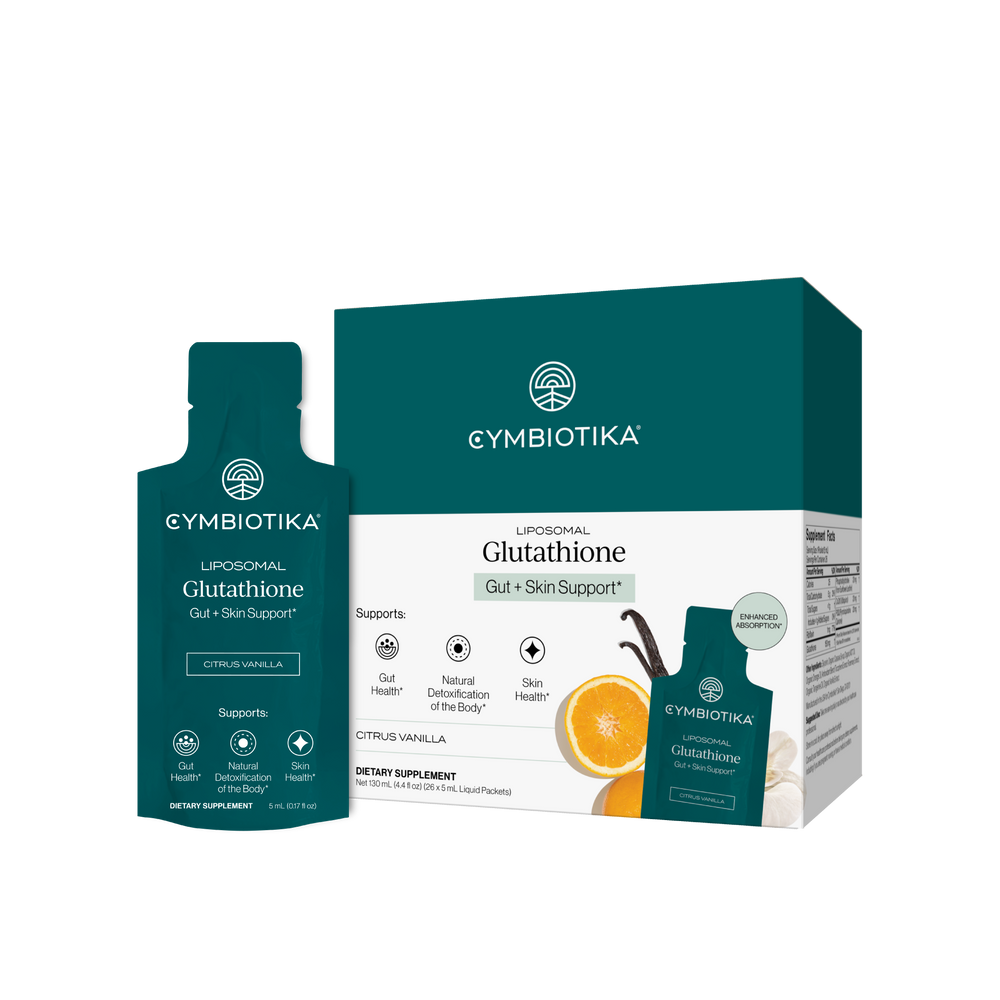
This protective shield allows the glutathione to travel through the stomach and be absorbed directly into the bloodstream or through the lymphatic system. This delivery method ensures that the master antioxidant actually reaches the cells that need it most. Our Liposomal Glutathione is designed specifically with this technology to provide maximum support for your cellular health and inflammatory response.
Bottom line: Taking a supplement is only effective if your body can absorb the ingredients; liposomal delivery bypasses the digestive barriers that usually stop glutathione from working.
The Gut-Redox Connection
Recent research into the gut microbiome has shown a fascinating link between antioxidants and the bacteria living in our digestive tract. A study looking at how certain gut microbes react to glutathione, Vitamin C, and uric acid found that these antioxidants actually help beneficial bacteria thrive even when oxygen is present.
This is important because many of the most helpful bacteria in our gut are "anaerobic," meaning they don't like oxygen. When there is too much oxidative stress in the gut, these beneficial bacteria can't do their job. By maintaining a healthy "redox" (reduction-oxidation) balance with antioxidants like glutathione, we are essentially creating a better environment for our microbiome.
A healthy gut also supports a healthy metabolic rate, which is directly tied to how the body manages substances like uric acid. When your gut is in balance, your body's overall inflammatory response is more stable. Explore the Gut Health collection for additional digestive wellness support.
How to Support Healthy Uric Acid Levels
If you are concerned about joint comfort or uric acid buildup, taking glutathione is just one piece of the puzzle. A holistic approach involves supporting your body's natural filtration systems through daily habits.
1. Hydrate Consistently
Water is the primary vehicle for removing uric acid. When you are dehydrated, the concentration of waste in your blood increases, making it more likely that crystals will form in your joints. Aim for half your body weight in ounces of water daily as a baseline.
2. Monitor Purine Intake
If you are prone to joint sensitivity, be mindful of high-purine foods.
- Limit: Red meat, organ meats, and certain seafood like sardines and anchovies.
- Avoid: High-fructose corn syrup, which has been shown in studies to significantly increase uric acid levels.
- Encourage: Low-fat dairy, complex carbohydrates, and plenty of fiber.
3. Support the Liver and Kidneys
Your liver and kidneys are the heroes of metabolic health. In addition to glutathione, you might consider nutrients that support these pathways. For example, our Liver Health+ formula is designed to assist the liver in its natural filtration processes, helping to maintain a clean internal environment.
4. Move Your Body
Regular, low-impact exercise helps improve circulation. Good blood flow ensures that nutrients reach your joints and waste products are carried away to be filtered.
Building a Routine You Can Trust
Wellness is not about taking a handful of pills and hoping for the best. It is about building a sustainable routine based on high-quality ingredients and proven delivery methods. Many people find that starting with a personalized approach helps them avoid the confusion of "trial and error."
We created the Health Quiz to help you identify which nutrients your body actually needs based on your lifestyle, goals, and concerns. Whether you are looking for metabolic support, better energy, or enhanced antioxidant protection, getting a tailored recommendation can take the guesswork out of your journey.
Myth: All antioxidants work the same way in the body. Fact: Different antioxidants serve different roles, and their effectiveness depends entirely on their delivery system and how they interact with your specific metabolic needs.
Why Quality and Transparency Matter
When you are dealing with a molecule as vital as glutathione, you cannot afford to settle for fillers or poor manufacturing. Many mass-market supplements use synthetic binders or low-grade sources that can actually increase the burden on your liver—the very organ you are trying to help.
We ensure that every batch of our products is third-party tested for purity and potency. We use non-GMO, organic, and wild-crafted ingredients whenever possible. For us, transparency isn't just a buzzword; it's a commitment to providing you with tools that are as clean as they are effective.
Managing Expectations
It is important to remember that supplements are not an overnight fix. While glutathione may support your body's inflammatory response and antioxidant defenses, results vary from person to person. It often takes several weeks of consistent use for the body to replenish its internal stores and for you to notice a shift in your overall wellbeing.
If you have a history of high uric acid or are currently managing a diagnosed condition, it is always wise to consult with your healthcare provider before starting a new supplement. They can help you monitor your levels and ensure that your routine is optimized for your specific health history.
Steps to Get Started
If you want to incorporate glutathione into your routine safely and effectively, follow these steps:
- Start Slow: If you are sensitive to supplements, start with a smaller dose to see how your body responds.
- Focus on Absorption: Choose a liposomal format to ensure the glutathione actually reaches your cells.
- Stay Hydrated: Drink plenty of water throughout the day to support your kidneys.
- Track Your Diet: Notice if certain foods correlate with joint discomfort and adjust accordingly.
- Be Consistent: Antioxidants work best when they are a steady part of your daily routine rather than a one-time fix.
Conclusion
The question of whether glutathione can cause gout is rooted in a desire to protect your health while optimizing your performance. Based on current understanding, glutathione does not cause the buildup of uric acid. Instead, it serves as a critical ally for your liver and kidneys, helping your body process and eliminate the very waste products that can lead to discomfort.
By choosing high-quality, bioavailable supplements and supporting them with hydration and a balanced diet, you can empower your body to maintain its own metabolic harmony. At Cymbiotika, our mission is to provide you with the education and the clean, effective tools you need to take control of your health. You can also explore the Healthy Aging Supplements collection for broader cellular wellness options.
"Wellness is a long-term commitment to small, consistent actions that support your body's natural wisdom."
To find the right combination of support for your unique needs, we invite you to take our Health Quiz. It is the best way to move away from generic advice and toward a routine that fits your life.
FAQ
Does glutathione increase uric acid levels?
No, there is no clinical evidence to suggest that glutathione increases uric acid levels. Glutathione actually supports the liver and kidneys, which are the primary organs responsible for filtering and excreting uric acid from the body.
Can I take glutathione if I have joint sensitivity?
Many people find that glutathione may support a healthy inflammatory response, which can be beneficial for joint comfort. However, if you have a history of high uric acid, it is important to stay well-hydrated and consult your healthcare provider before starting any new supplement.
What is the best form of glutathione for absorption?
Liposomal glutathione is widely considered the most effective form for absorption. Because glutathione is easily destroyed by stomach acid, the protective phospholipid layer in a liposomal delivery system allows the nutrient to reach the bloodstream intact. For more information, read this guide to glutathione absorption.
Are there any side effects to taking glutathione?
Glutathione is generally well-tolerated because it is a molecule your body produces naturally. Some people may experience minor digestive shifts or a temporary feeling of "detox" when they first start, but these typically resolve quickly as the body adjusts.