Introduction
You may have heard glutathione described as the "master antioxidant." It is a powerhouse molecule found in almost every cell of your body, responsible for everything from cellular repair to supporting the body’s natural detoxification pathways. However, as more people turn to supplementation to support their well-being, a specific question has begun to surface in wellness circles: can glutathione cause anxiety?
When you start a new wellness routine, it is natural to monitor how your body and mind respond. Some individuals report feeling a temporary sense of restlessness or unease when they first introduce certain antioxidants into their system. At Cymbiotika, we believe that understanding the "why" behind these experiences is the key to building a routine that actually serves you, especially when formulation and absorption matter as much as the ingredient itself.
In this article, we will explore the relationship between glutathione and emotional balance. We will look at why this molecule is vital for brain health, the potential reasons for temporary sensitivity, and how the delivery method of your supplements dictates how well your body can actually use what you take. Our goal is to provide you with the clarity needed to navigate your wellness journey with confidence.
Quick Answer: While glutathione is generally associated with supporting a calm and balanced mood, some individuals may experience temporary restlessness due to the body’s detoxification process or sensitivities to sulfur-based compounds. For most, glutathione is a supportive tool for emotional well-being rather than a cause of distress.
What Is Glutathione?
Glutathione is a tripeptide molecule composed of three essential amino acids: cysteine, glycine, and glutamic acid. It is produced naturally by the liver and is found in nearly every cell in the human body. Its primary role is to serve as a cellular bodyguard, neutralizing free radicals—unstable atoms that can damage cells—and supporting the immune system.
The body relies on glutathione to manage oxidative stress, which occurs when there is an imbalance between free radicals and antioxidants. Without enough glutathione, cells can become overwhelmed by environmental stressors, such as pollution, processed foods, and the natural byproducts of metabolism. As we age, our natural production of this vital molecule tends to decline, which is why many people look to supplemental sources to maintain their levels.
Beyond its role as an antioxidant, glutathione is a key player in the body’s detoxification pathways. It helps the liver process and eliminate toxins, ensuring that cellular waste does not accumulate. This "cleansing" function is one of the reasons why glutathione is so highly regarded in the wellness community, as it supports the body’s ability to refresh and renew itself at a fundamental level.
Key Takeaway: Glutathione is the body's primary internal defense against oxidative stress and a critical component of the liver’s natural detoxification process.
The Connection Between Glutathione and Mood
Research suggests a strong link between antioxidant levels and emotional well-being. The brain is particularly susceptible to oxidative stress because it consumes a high amount of oxygen and contains a large number of fatty acids, which are easily oxidized. When the brain’s internal environment is out of balance, it can lead to a lack of mental clarity and a disrupted sense of calm.
Glutathione may support emotional balance by protecting the enzymes and pathways responsible for producing key neurotransmitters. Neurotransmitters like serotonin and dopamine are the chemical messengers that regulate mood, focus, and relaxation. When oxidative stress is high, the production of these messengers can be hindered. By neutralizing free radicals in the brain, glutathione helps maintain a healthy environment for these messengers to function correctly.
Many people find that maintaining healthy glutathione levels helps them feel more resilient to daily stressors. Instead of causing unease, this molecule is often used to support a steady, grounded feeling. It acts as a buffer, helping the nervous system navigate the ups and downs of a busy lifestyle. However, the way your body processes glutathione is highly individual, which leads us to the question of why some might experience a different response.
Why Some People Experience Temporary Restlessness
While glutathione itself is not a stimulant, the process of increasing your levels can sometimes cause temporary shifts in how you feel. If you are wondering why you might feel a spike in restlessness after starting a supplement, it often comes down to how your body is responding to the sudden presence of this powerful antioxidant.
One common reason for feeling uneasy is the "cleansing" effect that occurs during detoxification. When glutathione levels rise, the body may begin to process and move stored toxins more efficiently. This internal "house cleaning" can sometimes result in a temporary period of discomfort, often referred to as a "healing crisis" or a Herxheimer-like reaction. This is not a sign that the glutathione is harmful, but rather that the body is working hard to rebalance itself.
Another factor to consider is sulfur sensitivity. Glutathione is a sulfur-rich molecule. Some individuals have a harder time processing sulfur due to genetic variations or imbalances in their gut microbiome. When these individuals take a high-dose sulfur supplement, they may experience symptoms like brain fog, digestive shifts, or a sense of "jitters." In these cases, the issue isn’t the glutathione itself, but the body’s current capacity to metabolize sulfur efficiently.
The balance of cofactors also plays a significant role in how you feel. Glutathione does not work in a vacuum; it requires certain vitamins and minerals, such as B vitamins, selenium, and magnesium, to function correctly. If your body is low on these supportive nutrients, the sudden influx of glutathione can create a temporary bottleneck in your metabolic pathways, leading to a feeling of being "off" or slightly anxious.
Bottom line: Feelings of restlessness when starting glutathione are usually temporary and are often related to the body’s detoxification process or a lack of necessary cofactors like B vitamins and magnesium.
The Bioavailability Challenge: Why Most Supplements Fall Short
Most standard glutathione supplements suffer from a significant flaw: poor bioavailability. Bioavailability refers to the amount of a substance that actually enters your bloodstream and becomes available for your cells to use. When you swallow a traditional glutathione capsule, it must pass through the harsh environment of the stomach.
The digestive tract is highly efficient at breaking down proteins, and since glutathione is made of amino acids, the stomach often digests it before it can be absorbed. This means that even if you take a high-dose supplement, only a tiny fraction of that glutathione may ever reach your cells. This can lead to inconsistent results and may even contribute to digestive discomfort without providing the cellular benefits you are looking for.
To solve this, formulation design must focus on protecting the molecule until it reaches the small intestine. This is where advanced delivery systems come into play. If a supplement isn't designed to survive the journey through the gut, it is essentially a wasted effort. We believe that a supplement is only as good as its ability to be absorbed, which is why we spend so much time educating people on liposomal delivery.
The Power of Liposomal Delivery
Liposomal delivery is a sophisticated technology designed to maximize absorption at the cellular level. A liposome is a tiny, microscopic bubble made of phospholipids—the same material that makes up your own cell membranes. By wrapping the glutathione molecule in this phospholipid bilayer (a double layer of fats), we can protect it from the acidic environment of the stomach.
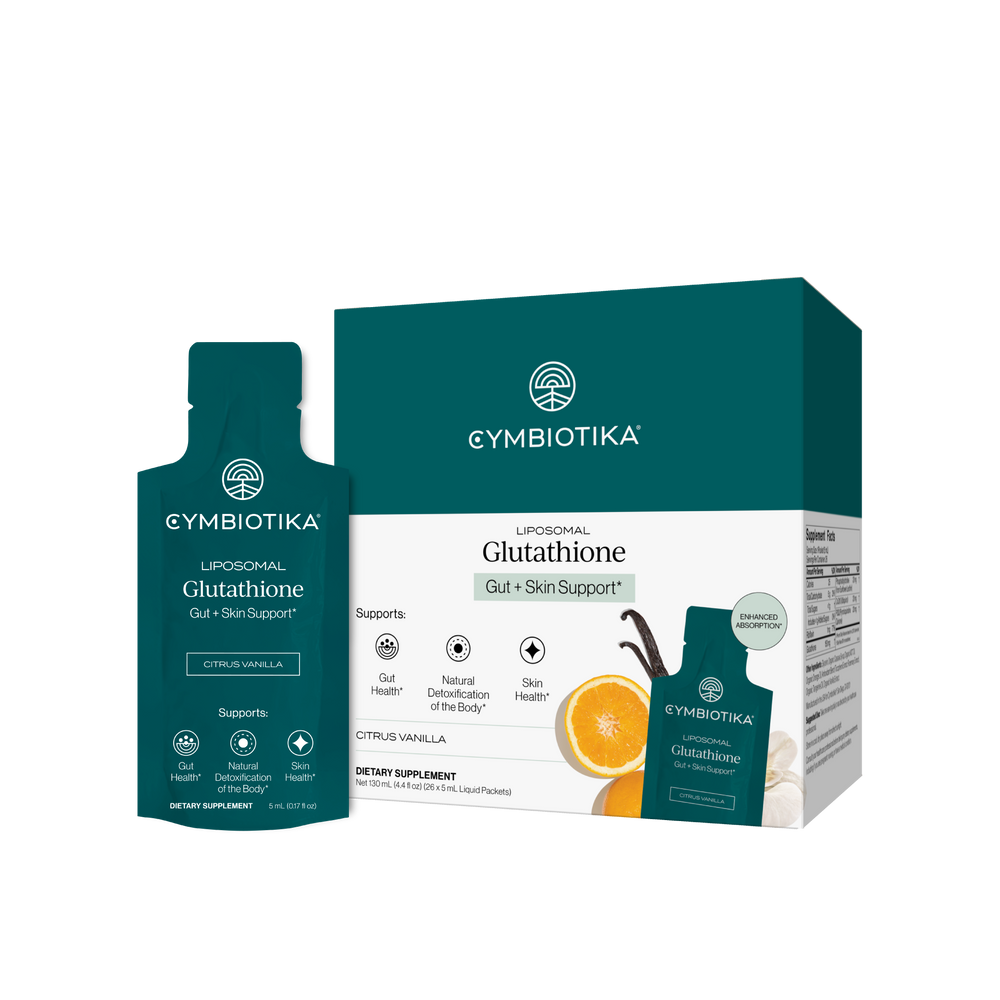
Our Liposomal Glutathione uses this advanced delivery system to ensure the antioxidant reaches the bloodstream intact. Because the liposome mimics the structure of your cells, your body recognizes it and can absorb it more easily. This allows for a much higher percentage of the active ingredient to be utilized by the body compared to standard powders or capsules.
This delivery method also tends to be gentler on the system. Because the glutathione is "hidden" inside a lipid shell, it doesn't cause the same level of digestive friction that some people experience with traditional supplements. This is a meaningful difference for those who are sensitive to new additions to their routine. If you want to compare formulas and browse related options, the Healthy Aging Supplements collection is a helpful place to start.
Key Takeaway: Liposomal delivery protects the glutathione molecule from stomach acid, allowing it to be absorbed more directly, which can improve both effectiveness and tolerance.
How to Introduce Glutathione into Your Routine
If you are concerned about potential sensitivity, the best approach is to start slowly. Your body needs time to adjust to any shift in its internal chemistry. Starting with a half-dose or taking the supplement every other day can help your detoxification pathways keep up without feeling overwhelmed.
Consistency is more important than intensity when it comes to supplementation. Instead of taking a massive dose once in a while, it is far more effective to take a smaller, highly bioavailable dose daily. This provides your cells with a steady supply of the "master antioxidant" and allows your body to integrate it into its natural cycles of repair and protection.
Timing can also make a difference in how you feel. Many people find that taking glutathione in the morning on an empty stomach provides them with a clear-headed, energized start to the day. Others prefer to take it with a light meal to further slow down the absorption process. Experimenting with timing can help you find the "sweet spot" that works for your unique physiology.
Steps for a Successful Start:
- Step 1: Begin with a lower dose. / Start with half of the recommended serving size for the first week to see how your body responds.
- Step 2: Ensure you are hydrated. / Water is essential for the detoxification process, helping your kidneys and liver move waste products out of the system.
- Step 3: Check your cofactors. / Make sure you are getting enough B vitamins and magnesium, as these support the metabolic pathways that glutathione relies on.
- Step 4: Monitor your mood. / Pay attention to how you feel over a two-week period. Most "start-up" effects fade quickly as the body reaches a new state of balance.
Supporting the Whole System
Wellness is not about one single ingredient; it is about the harmony of the entire system. While glutathione is a powerful tool, it works best when supported by a foundation of healthy habits and complementary nutrients. If you are focused on emotional balance and mental clarity, it is worth looking at your routine as a whole.
Magnesium is an excellent partner for glutathione. Often called the "relaxation mineral," magnesium supports the nervous system and helps the body process stress. Our Liposomal Magnesium Complex can be a helpful addition to a routine that includes glutathione, as it may help support a calmer daily rhythm.
Healthy fats and hydration also play a role in how your body uses liposomal supplements. Since liposomes are fat-based, having healthy fats in your diet supports their absorption. Similarly, staying well-hydrated ensures that as your body begins to neutralize free radicals and process cellular waste, it has the fluids necessary to flush those byproducts away efficiently. For a deeper look at how magnesium fits into everyday balance, this guide to magnesium glycinate is a useful companion read.
Myth: Taking more glutathione will always result in faster results. Fact: Because the body has a limited capacity to process toxins at any given time, a highly bioavailable, moderate dose is often more effective than a massive dose that overwhelms your system.
The Importance of Quality and Transparency
In the supplement industry, not all products are created equal. Many companies use synthetic fillers, artificial colors, or low-grade ingredients that can actually increase the toxic load on your body. When you are taking a supplement specifically designed to support detoxification, the last thing you want is to introduce more unnecessary chemicals into your system.
We are dedicated to transparency and high-quality sourcing. This means our formulations are free from hidden ingredients and unnecessary additives. Every product we create, including our Liposomal Glutathione, is third-party tested for purity and potency. We believe you deserve to know exactly what is going into your body and to trust that those ingredients are there for a reason.
Bioavailability is not just a marketing term for us; it is a core principle. We choose liposomal delivery because the science shows it is an effective way to deliver nutrients to the cells. If you want to explore how we talk about this approach in more depth, our All About Liposomes page is a helpful educational resource.
Finding Your Personal Balance
Everyone’s journey to wellness looks different. What works perfectly for one person might require a bit of adjustment for another. If you have been asking "can glutathione cause anxiety," the answer is that while it is unlikely to be a direct cause, the way your body reacts to the supplementation process is a valid part of your experience.
Listening to your body is the most important skill you can develop. If you feel a sense of restlessness, it may be your body’s way of telling you to slow down, hydrate more, or add supportive nutrients to your stack. There is no "one-size-fits-all" approach to wellness, and your routine should be as unique as you are.
If you are unsure where to start, our Health Quiz is a great resource. It is designed to help you identify your specific goals and challenges, providing a personalized recommendation for which supplements might best support your unique needs. Whether you are looking for more energy, better sleep, or enhanced cognitive support, we are here to help you build a routine that feels right for you.
Conclusion
Glutathione is a fundamental molecule for human health, serving as a vital shield against oxidative stress and a key driver of natural detoxification. While it is generally a supportive force for emotional stability and mental clarity, individual responses can vary. Temporary restlessness is often a sign of the body’s "start-up" process as it begins to clear out cellular waste or adjust to new sulfur levels. By choosing a liposomal format, you ensure that your body is actually absorbing the nutrient in a gentle, effective way.
At Cymbiotika, our mission is to empower you with the tools and knowledge needed to take ownership of your health. We focus on bioavailability and clean sourcing because we know that the quality of your supplements directly impacts the quality of your results. If you want to continue learning, Understanding How Glutathione Works in Our Body offers a deeper look at its role in the body.
- Glutathione is a master antioxidant that may support a balanced mood by reducing oxidative stress in the brain.
- Temporary anxiety or restlessness is usually linked to the detoxification process or nutrient imbalances rather than the molecule itself.
- Liposomal delivery is essential for overcoming the poor absorption rates of traditional glutathione supplements.
- Starting with a lower dose and staying hydrated can help minimize any initial sensitivity.
"Wellness is a journey of small, consistent choices that lead to a vibrant and balanced life."
If you are ready to take the next step in your wellness journey, consider taking our Health Quiz to discover a personalized routine tailored to your specific needs.
FAQ
Can glutathione make you feel jittery?
Some people may feel a temporary sense of restlessness or "jitters" when they first start taking glutathione. This is often due to the body’s natural detoxification process as it begins to move and eliminate stored toxins more efficiently. Starting with a smaller dose and ensuring you are well-hydrated can help ease this transition.
Does glutathione interact with the nervous system?
Glutathione supports the nervous system by protecting brain cells from oxidative damage and helping maintain the balance of neurotransmitters like serotonin and dopamine. While it is not a sedative or a stimulant, its role in maintaining a healthy cellular environment can help support a more resilient and balanced mood over time.
Why do I feel more tired after taking glutathione?
Feeling tired can sometimes be part of a detoxification response as the body redirects energy toward internal repair and "cleansing." If this persists, it may be a sign that your body needs more supportive cofactors like B vitamins or that you should adjust the timing of your dose to the evening.
Is liposomal glutathione better for people with sensitive stomachs?
Yes, liposomal glutathione is often much easier on the digestive system than traditional capsules or powders. Because the glutathione is encapsulated in a phospholipid bilayer, it is protected from stomach acid and absorbed more smoothly in the small intestine, reducing the likelihood of digestive upset or irritation.