




Introduction
Pregnancy is a time of profound change. As you navigate the shift in your habits, diet, and wellness routine, it is natural to question every ingredient that enters your body. You want to ensure that you are providing the best possible environment for your developing baby while maintaining your own energy and vitality. Among the many supplements discussed in wellness circles, glutathione often stands out as the "master antioxidant."
At Cymbiotika, we believe that informed choices are the foundation of a healthy lifestyle. This article explores the role of glutathione in the body, its safety profile during pregnancy, and why the way a supplement is delivered matters just as much as the ingredient itself. For additional background, you can explore this guide to what glutathione is and why it matters. We will cover the science behind this powerful molecule and help you understand how to approach supplementation with confidence and care. While glutathione is a naturally occurring substance in every human cell, adding it to your routine during pregnancy requires a thoughtful, science-backed approach centered on bioavailability and professional guidance.
Quick Answer: Glutathione is a naturally occurring antioxidant in the body that may support cellular health and detoxification. While many healthcare providers consider it generally safe, you should always consult your doctor before starting glutathione supplementation during pregnancy to ensure it fits your specific health profile.
What is Glutathione?
Glutathione is often called the "master antioxidant" for a good reason. It is a tripeptide—a small protein-like molecule—composed of three specific amino acids: glutamic acid, cysteine, and glycine. Unlike many other antioxidants that you must get solely from food, your body actually produces its own glutathione, primarily in the liver. It is found in nearly every cell of the human body, where it works to neutralize free radicals. You can learn more about its structure in this guide to what makes up glutathione.
Free radicals are unstable molecules that can cause oxidative stress, a process that can damage cells over time. By neutralizing these molecules, glutathione helps maintain the integrity of your cells. It also plays a key role in supporting the body's natural detoxification pathways, helping the liver process various compounds.
Beyond its own protective work, glutathione helps "recycle" other important antioxidants, such as Vitamin C and Vitamin E. When these vitamins become oxidized while doing their jobs, glutathione can help return them to their active, functional forms. This creates a network of support that keeps your internal environment balanced. For more ingredient education, visit Cymbiotika's glutathione Knowledge Center.
The Importance of Bioavailability
When discussing any supplement, the most critical factor is bioavailability. This term refers to the proportion of a nutrient that actually enters the bloodstream and becomes available for the body to use. Many standard glutathione supplements, such as traditional capsules or tablets, struggle with low bioavailability.
The digestive system is a harsh environment. Stomach acid and enzymes often break down glutathione before it can be absorbed through the intestinal wall. If the molecule is broken back down into its individual amino acids during digestion, you are not getting the full benefit of the intact glutathione molecule. This is why the delivery method—how the nutrient is "packaged"—is a central focus of our formulation process. You can read more about choosing a format in this guide to selecting a glutathione supplement.
The Role of Glutathione in Pregnancy
During pregnancy, the body’s metabolic demands increase significantly. Your body is working overtime to support the growth of a new life, which naturally leads to an increase in oxidative stress. Maintaining a healthy balance of antioxidants is essential during this period.
Glutathione is naturally present in the placenta, where it serves as a protective barrier. It may help manage the oxidative stress that occurs as the placenta develops and functions. Because glutathione is a part of the body's natural defense system, it is already "recognized" by the body, which is one reason why it is a topic of great interest for maternal wellness.
Supporting Detoxification Pathways
The liver is responsible for processing everything you eat, drink, and breathe. During pregnancy, your liver works for two. Glutathione may support the liver's natural ability to filter out environmental toxins and metabolic waste. By assisting these pathways, glutathione can help maintain a cleaner internal environment, which is beneficial for both the mother and the developing fetus.
Cellular Energy and Protection
Pregnancy requires an enormous amount of cellular energy. Glutathione supports the mitochondria—the powerhouses of your cells—by protecting them from damage. When mitochondria are healthy, your cells can produce energy more efficiently. For many women, this may translate to supporting general vitality and resilience throughout the different stages of pregnancy.
Key Takeaway: Glutathione is a naturally occurring protector that helps manage oxidative stress and supports the liver's detox functions, making it a vital molecule for maintaining cellular health during the increased demands of pregnancy.
Is it Safe to Take Glutathione While Pregnant?
The question of safety is the most important one. Generally, glutathione is considered to have a high safety profile because it is an endogenous substance—meaning your body already makes it. However, supplemental glutathione is different from the version your liver produces.
Most healthcare professionals view oral glutathione as "Generally Recognized as Safe" (GRAS), but clinical research specifically on pregnant women is still evolving. Because every pregnancy is unique, the standard advice is to never start a new supplement without a direct conversation with your obstetrician or midwife.
Potential Benefits vs. Risks
For many, the potential benefits of glutathione—such as supporting the immune system and protecting cells from oxidative damage—outweigh the concerns, provided the supplement is of the highest quality. The risks usually associated with glutathione are not related to the molecule itself, but rather to poor-quality supplements that contain synthetic fillers, heavy metals, or undisclosed additives. If immune support is part of your broader wellness goals, you can browse the Immunity collection.
When to Exercise Caution
There are certain forms of glutathione that should be avoided or approached with extreme caution during pregnancy. For example, high-dose Intravenous (IV) glutathione "drips" are often marketed for skin brightening or "detox" in spa settings. These treatments deliver a very high concentration of the antioxidant directly into the bloodstream. During pregnancy, these intense interventions are generally not recommended because they have not been sufficiently studied in expectant mothers and may cause a rapid shift in the body's internal chemistry.
Myth: All glutathione supplements are safe as long as they are labeled "natural."
Fact: Safety depends on the delivery method, the purity of the ingredients, and the absence of synthetic fillers. Always check for third-party testing and consult your doctor.
Choosing the Right Form: Liposomal Delivery
If you and your healthcare provider decide that glutathione supplementation is right for you, the next step is choosing a form that actually works. As mentioned earlier, standard capsules are often inefficient. This is where liposomal delivery becomes a necessary part of the conversation.
What is Liposomal Delivery?
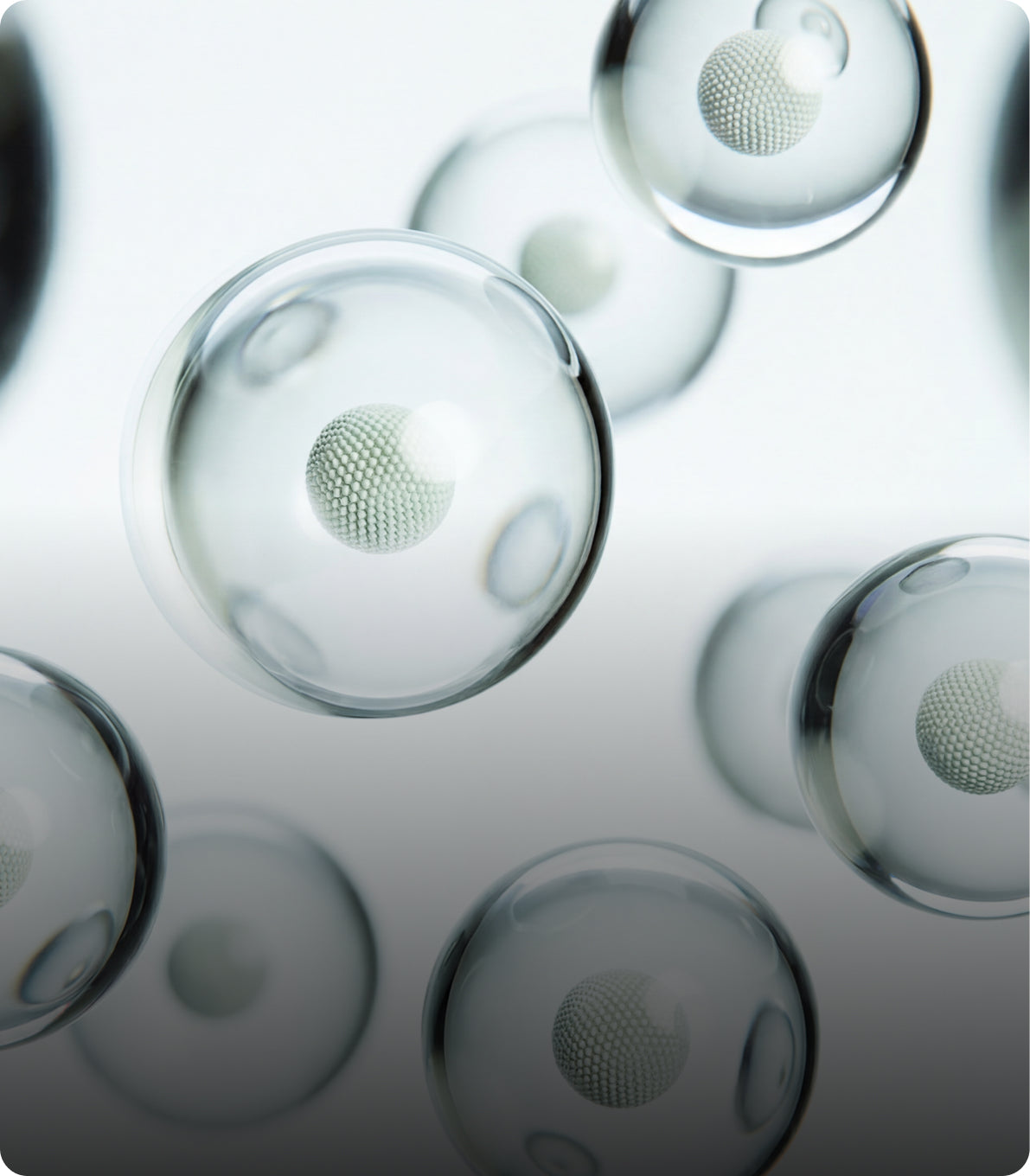
A liposome is a tiny, microscopic bubble made out of phospholipids—the same fats that make up your own cell membranes. By wrapping the glutathione molecule in this phospholipid bilayer (a double layer of fat cells), the nutrient is protected as it travels through the digestive tract.
This "fatty shell" serves two purposes:
- Protection: It shields the glutathione from being destroyed by stomach acid.
- Absorption: Because your cell membranes are also made of phospholipids, they recognize the liposome and allow it to pass through more easily.
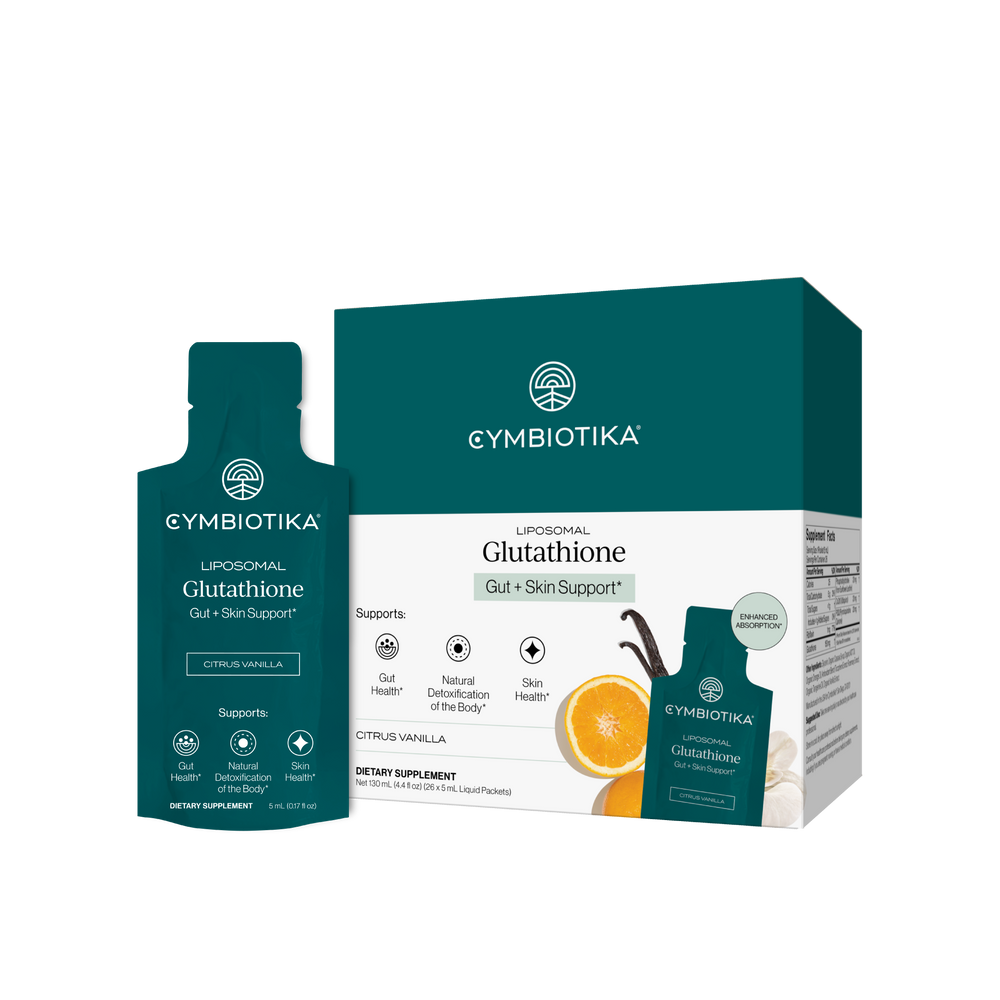
This technology is designed to support absorption at the cellular level, ensuring that the glutathione actually reaches your cells instead of just passing through your system. At Cymbiotika, we prioritize this delivery method because we believe that if a supplement isn't absorbed, it isn't providing value. Learn more about the Liposomal Glutathione formula.
Comparing Methods of Delivery
| Delivery Method | Bioavailability | Pregnancy Considerations |
|---|---|---|
| Standard Capsules | Low | Often contain fillers; poorly absorbed. |
| Liposomal Liquid | High | Gentle on the stomach; mimics natural cell structures. |
| IV Therapy | Very High | Not recommended due to high intensity and lack of study. |
| Topical Creams | Variable | Primarily for localized skin support; low systemic impact. |
What to Look for in a Glutathione Supplement
When you are pregnant, the "inactive ingredients" on a label are just as important as the active ones. Many supplements on the market contain flow agents, artificial flavors, and preservatives that you may want to avoid.
Clean Sourcing and Purity
Look for supplements that are non-GMO and free from common allergens like soy, gluten, and dairy. Ideally, the product should be third-party tested. This means an independent lab has verified that the product contains exactly what is on the label and is free from contaminants like mold, bacteria, or heavy metals. Transparency is the most important factor when choosing a brand to trust during your pregnancy journey.
The Role of Co-Factors
Glutathione does not work in a vacuum. To be most effective, it often benefits from the presence of other nutrients. For example, N-Acetyl Cysteine (NAC) is a precursor that helps the body produce its own glutathione. However, during pregnancy, many women prefer taking a direct, liposomal form of glutathione to ensure the body has the finished molecule ready to use. For a broader look at age-supportive wellness products, explore the Healthy Aging collection.
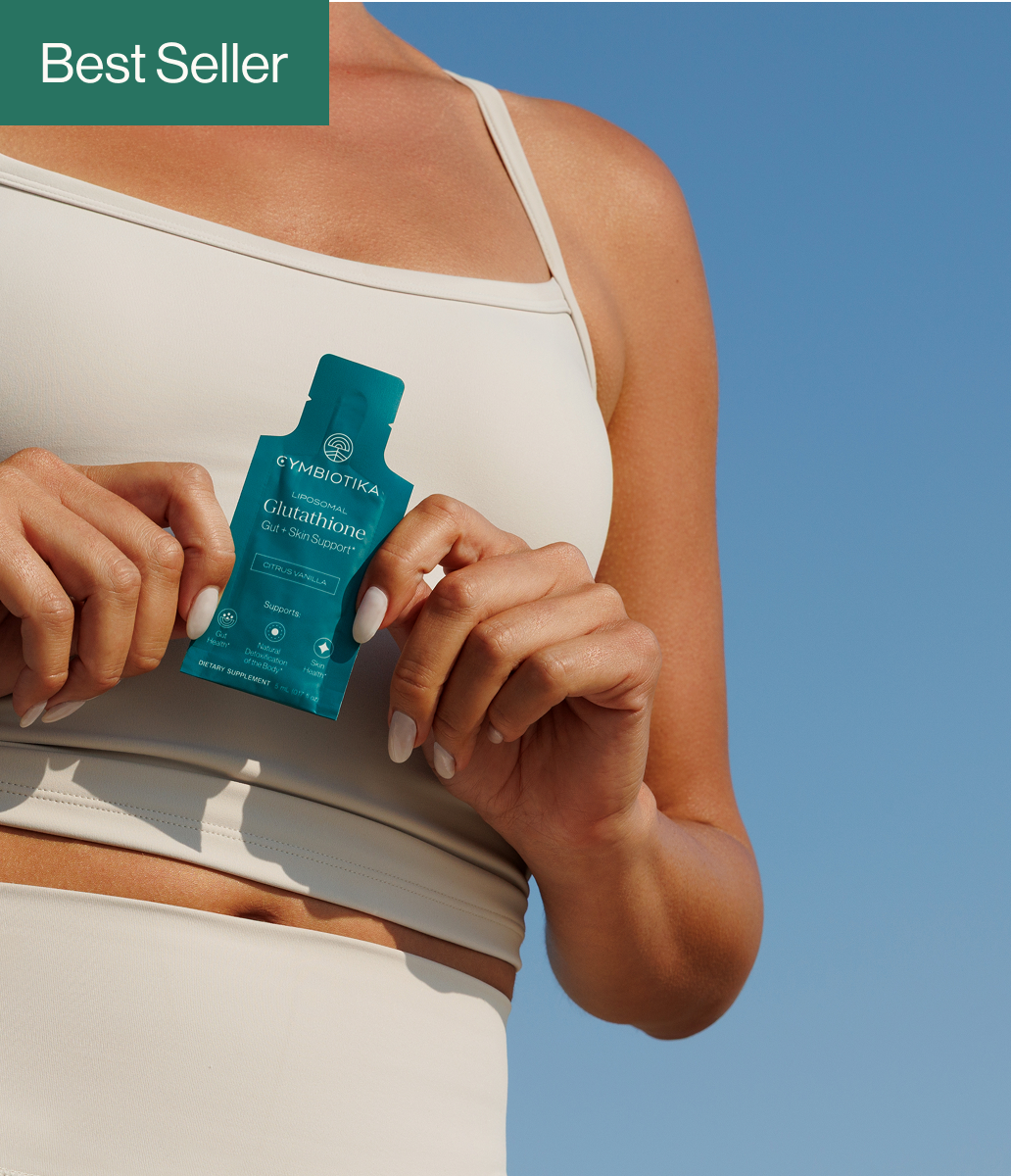
Our Liposomal Glutathione is formulated with a focus on this cellular-level support. We use a phospholipid shell to support absorption, ensuring the "master antioxidant" can do its job effectively. This formulation is designed to be clean, transparent, and easy for the body to recognize.
Building a Wellness Routine During Pregnancy
Supplementation is only one piece of the puzzle. A holistic approach to wellness during pregnancy focuses on consistency over intensity. Instead of looking for a "quick fix," focus on building a sustainable daily routine that supports your body's natural processes.
Step 1: Prioritize Whole Foods
While supplements help fill gaps, your primary source of nutrients should be a diverse diet. Foods rich in sulfur, such as garlic, onions, and cruciferous vegetables (broccoli, kale, cauliflower), can help support your body's natural glutathione production.
Step 2: Focus on Hydration
Water is essential for every metabolic process in the body, including detoxification. Proper hydration helps your kidneys and liver process the nutrients you consume and helps maintain the volume of amniotic fluid.
Step 3: Manage Stress
High levels of stress can increase oxidative damage in the body, which "uses up" your glutathione stores more quickly. Practices like prenatal yoga, meditation, or simple deep-breathing exercises can help keep your nervous system in a state of "rest and digest," which supports nutrient absorption.
Step 4: Quality Sleep
Your body does its most significant repair work while you sleep. Prioritizing rest helps your cells regenerate and allows your natural antioxidant systems to recharge.
Bottom line: A high-quality, liposomal glutathione supplement can be a powerful tool, but it works best when integrated into a lifestyle that includes nutrient-dense foods, adequate hydration, and intentional rest.
How to Talk to Your Doctor
When you bring up glutathione to your healthcare provider, it helps to be specific. Doctors are often cautious about supplements because many products on the market are poorly regulated or lack evidence for their delivery methods.
Questions to ask your provider:
- "I am considering a liposomal glutathione supplement to support my antioxidant levels. Do you have any concerns based on my current health profile?"
- "Does this supplement interact with my prenatal vitamin or any other medications I am taking?"
- "Are there specific brands or purity standards you recommend?"
- "What dosage do you feel is appropriate for me at this stage of my pregnancy?"
By coming to the conversation with information about liposomal delivery and third-party testing, you show your provider that you are focused on quality and safety, not just following a trend.
Postpartum and Breastfeeding
The need for antioxidant support doesn't end once the baby is born. The postpartum period, often called the "fourth trimester," is a time of intense physical and emotional recovery. Breastfeeding also increases your nutritional requirements.
Glutathione is naturally found in breast milk, though levels can vary. Continuing to support your antioxidant levels during this time can help with energy metabolism and support your immune system as you navigate the challenges of new parenthood. Many women find that maintaining their glutathione routine helps them feel more resilient during the sleep-deprived months of early infancy.
Why Quality Matters More Than Ever
In the world of wellness, you often get what you pay for. Cheap supplements frequently use "ascorbic acid" or low-grade amino acids that aren't easily processed by the body. They may also use plastic packaging that can leach chemicals, especially if the product is a liquid.
We take these details seriously. From our sourcing of raw materials to our advanced liposomal technology, every decision is made to ensure you are getting a product that is both effective and safe. We believe that when you are nourishing two lives, there is no room for compromise. Our goal is to empower you with products that are backed by science and created with the highest standards of transparency.
Conclusion
Can a pregnant woman take glutathione? The short answer is that many can, and many find it a helpful part of their wellness routine—but it must be done with medical oversight and a focus on high-quality delivery. Glutathione is a fundamental part of your body's chemistry, serving as a shield against oxidative stress and a supporter of liver health.
At Cymbiotika, our mission is to provide the tools you need to take ownership of your health. We believe that wellness starts with trust, which is why we are committed to clean formulations and superior bioavailability. Whether you are looking to support your energy, your immune system, or your overall cellular health, we are here to help you build a routine you can feel good about.
If you are unsure where to start on your supplement journey, we invite you to take our Health Quiz. It is designed to help you identify your specific needs and create a personalized plan that fits your life and your goals.
Key Takeaway: Quality and delivery are the most important factors when choosing a glutathione supplement. Liposomal technology ensures the nutrient is protected and absorbed, providing the cellular support your body needs during the transformative journey of pregnancy.
FAQ
Is glutathione safe for the baby?
Glutathione is a naturally occurring molecule already present in the placenta and the baby's developing cells. While supplemental glutathione is generally considered safe, it is essential to consult your healthcare provider to ensure the specific dosage and format are appropriate for your pregnancy.
Can I get enough glutathione from food alone?
While your body produces glutathione and you can find its building blocks in foods like garlic, onions, and cruciferous vegetables, many people find that supplementation helps fill gaps, especially during times of increased physical demand like pregnancy. However, a nutrient-dense diet remains the foundation of good health. You can read more about dietary sources in this glutathione ingredient guide.
What is the difference between liposomal glutathione and standard capsules?
Standard capsules are often broken down by stomach acid before they can be absorbed, leading to low bioavailability. Liposomal glutathione uses a phospholipid shell to protect the molecule and support its absorption at the cellular level, making it a more effective choice.
Should I stop taking glutathione if I am breastfeeding?
Glutathione is a natural component of breast milk and is generally considered safe during lactation. Many women continue supplementation postpartum to support their own recovery and immune health, but you should always confirm this with your doctor or a lactation consultant.