Table of Contents
- Introduction
- The Science of Skin Radiance
- Almonds: The Vitamin E Powerhouse
- Walnuts: The Omega-3 Essential
- Pistachios: The Antioxidant Defense
- Cashews: The Zinc and Copper Connection
- Dried Apricots and Figs: Iron and Glow
- The Importance of Bioavailability
- Beyond Dry Fruits: A Holistic Routine
- How to Incorporate Dry Fruits into Your Routine
- The Role of Collagen and Hydration
- Summary of Best Dry Fruits for Glowing Skin
- Building a Routine You Can Trust
- FAQ
Introduction
Many people spend years searching for the perfect topical serum or cream to achieve a vibrant complexion. While external care is important, true radiance often begins with the nutrients we consume. What you eat provides the building blocks for your skin’s structure, moisture levels, and ability to defend against environmental stressors. Dry fruits and nuts are among the most nutrient-dense foods available for supporting this internal foundation.
At Cymbiotika, we believe that wellness is a result of consistent, high-quality choices that support the body at a cellular level. In this article, we will explore the specific dry fruits that contribute most to a healthy glow. We will look at the vitamins, minerals, and fatty acids they contain and explain why the way your body absorbs these nutrients matters just as much as the foods themselves.
While several options provide notable benefits, almonds and walnuts are often considered the best dry fruits for glowing skin due to their high concentrations of Vitamin E and essential fatty acids.
Quick Answer: Almonds and walnuts are generally considered the best dry fruits for glowing skin. Almonds provide high levels of Vitamin E to protect the skin from oxidative stress, while walnuts offer omega-3 fatty acids that support the skin’s natural lipid barrier and moisture retention.
The Science of Skin Radiance
Your skin is a living organ that requires a constant supply of specific micronutrients to maintain its appearance. To understand why certain dry fruits are beneficial, it helps to understand what "glowing" skin actually is. Generally, a healthy glow is the result of smooth skin texture, adequate hydration, and a strong barrier that reflects light evenly.
Antioxidants play a critical role in maintaining this appearance. Throughout the day, the body is exposed to free radicals—unstable molecules caused by pollution, UV rays, and internal metabolic processes. These molecules can break down collagen and elastin. Dry fruits are packed with antioxidants like Vitamin E, Vitamin C, and various polyphenols that help neutralize these free radicals. For additional education on supporting radiant skin from within, explore Cymbiotika’s guide to glowing skin.
Healthy fats are the second pillar of skin health. The outermost layer of your skin, the stratum corneum, relies on lipids to keep moisture in and irritants out. Without enough healthy fats in your diet, the skin can appear dull, dry, or flaky. Dry fruits, particularly nuts, are excellent sources of monounsaturated and polyunsaturated fats that support this protective barrier.
Almonds: The Vitamin E Powerhouse
Almonds are arguably the most popular dry fruit for skin health for a very specific reason. They are one of the richest food sources of alpha-tocopherol, a form of Vitamin E that the human body absorbs and uses most effectively. Vitamin E is a fat-soluble antioxidant that lives in the cell membranes, where it protects the fatty acids in your skin from oxidation.
Regularly consuming almonds may support a more even skin tone. By protecting the skin from oxidative damage, Vitamin E helps maintain the integrity of skin cells. This protection is vital for preventing the appearance of premature ageing and keeping the skin looking supple. Almonds also contain small amounts of zinc, which is a mineral that supports the body's natural healing processes and oil production.
Bioavailability is a factor even with whole foods. To get the most out of almonds, many people choose to soak them overnight. This process can help reduce phytic acid, an "anti-nutrient" that can bind to minerals and make them harder for your body to absorb. By soaking your almonds, you may increase the bioavailability of the magnesium and Vitamin E they contain.
Walnuts: The Omega-3 Essential
Walnuts are unique among dry fruits because of their high omega-3 fatty acid content. Specifically, they are rich in alpha-linolenic acid (ALA). Most people do not get enough omega-3s in their daily diet, which can lead to a weakened skin barrier. Because the skin barrier acts as a seal, keeping moisture inside the deeper layers of the dermis, walnuts are an excellent choice for those looking to improve skin hydration.
The ratio of fats in walnuts supports a healthy inflammatory response. While the body needs some inflammation to heal, chronic systemic inflammation can manifest on the skin as redness or puffiness. The omega-3s in walnuts help balance the pro-inflammatory omega-6 fats found in many processed foods. This balance is a key component of maintaining a calm, clear complexion.
Walnuts also provide a significant amount of Vitamin B5 and Vitamin E. Vitamin B5, also known as pantothenic acid, is frequently used in skincare products for its ability to support skin moisture. By consuming it through walnuts, you provide your body with the internal resources needed to maintain that moisture from the inside out.
Key Takeaway: While almonds excel at providing antioxidant protection through Vitamin E, walnuts are superior for supporting the skin's moisture barrier via omega-3 fatty acids. Combining both provides a comprehensive approach to skin health.
Pistachios: The Antioxidant Defense
Pistachios offer a different profile of skin-supporting nutrients, including lutein and zeaxanthin. These are carotenoids, which are pigments typically found in colorful vegetables. In the skin, these antioxidants help filter out certain wavelengths of light and protect against oxidative stress. This makes pistachios a great dietary addition for those who spend a significant amount of time outdoors.
These nuts also contain a notable amount of Vitamin B6. This vitamin is involved in the production of hemoglobin, which carries oxygen in the blood. Better oxygen circulation can lead to a more "vibrant" look, as the skin is properly nourished by the circulatory system. Pistachios are also a source of copper, a trace mineral that is a vital component in the synthesis of collagen and elastin.
Cashews: The Zinc and Copper Connection
Cashews are often overlooked, but they are essential for the structural integrity of the skin. They are a rich source of copper and zinc. Copper acts as a co-factor for several enzymes, including those responsible for building collagen. Collagen is the protein that gives skin its bounce and prevents it from sagging over time.
Zinc is a critical mineral for skin clarity. It helps regulate the activity of oil glands and supports the skin's ability to repair itself after minor irritations. For individuals who find their skin is prone to occasional congestion or oiliness, adding a handful of cashews to their routine can be a helpful strategy.
Dried Apricots and Figs: Iron and Glow
Not all "dry fruits" are nuts; dried fruits like apricots and figs offer distinct benefits. Dried apricots are high in Vitamin A (in the form of beta-carotene). Vitamin A is one of the most well-studied nutrients for skin health. It supports the turnover of skin cells, helping to shed dead cells and bring fresh, new cells to the surface. This process is essential for maintaining a bright, "glowing" appearance.
Dried figs and raisins are excellent sources of iron. Iron deficiency is a common cause of pale or sallow-looking skin. When the body has enough iron, it can produce sufficient hemoglobin, ensuring that the skin receives a healthy supply of oxygenated blood. This gives the skin a natural, healthy flush that topical products often try to mimic.
The Importance of Bioavailability
The most nutritious diet in the world is only effective if your body can actually absorb the nutrients. This is the concept of bioavailability. When you eat dry fruits, your digestive system must break down the fiber and plant structures to release the vitamins and minerals inside. Factors like gut health, enzyme production, and food preparation (like soaking nuts) all influence how much of that nutrition reaches your skin cells.
Standard supplements often struggle with this same issue. Many traditional vitamins are broken down by stomach acid or simply pass through the digestive tract without being absorbed. This is why we focus on advanced delivery methods to ensure that what you take is actually utilized by your body. Learn more about Cymbiotika’s liposomal delivery approach.
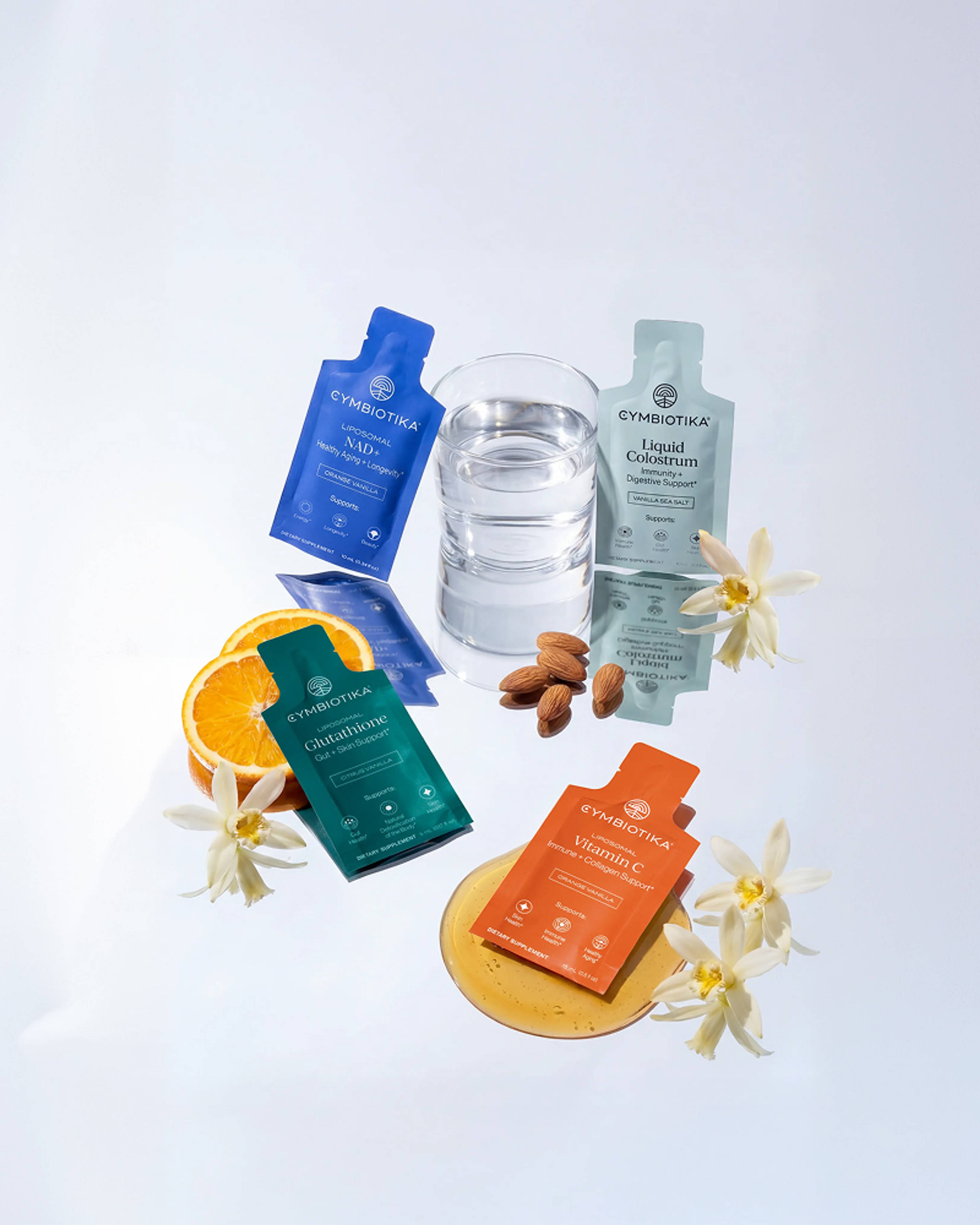
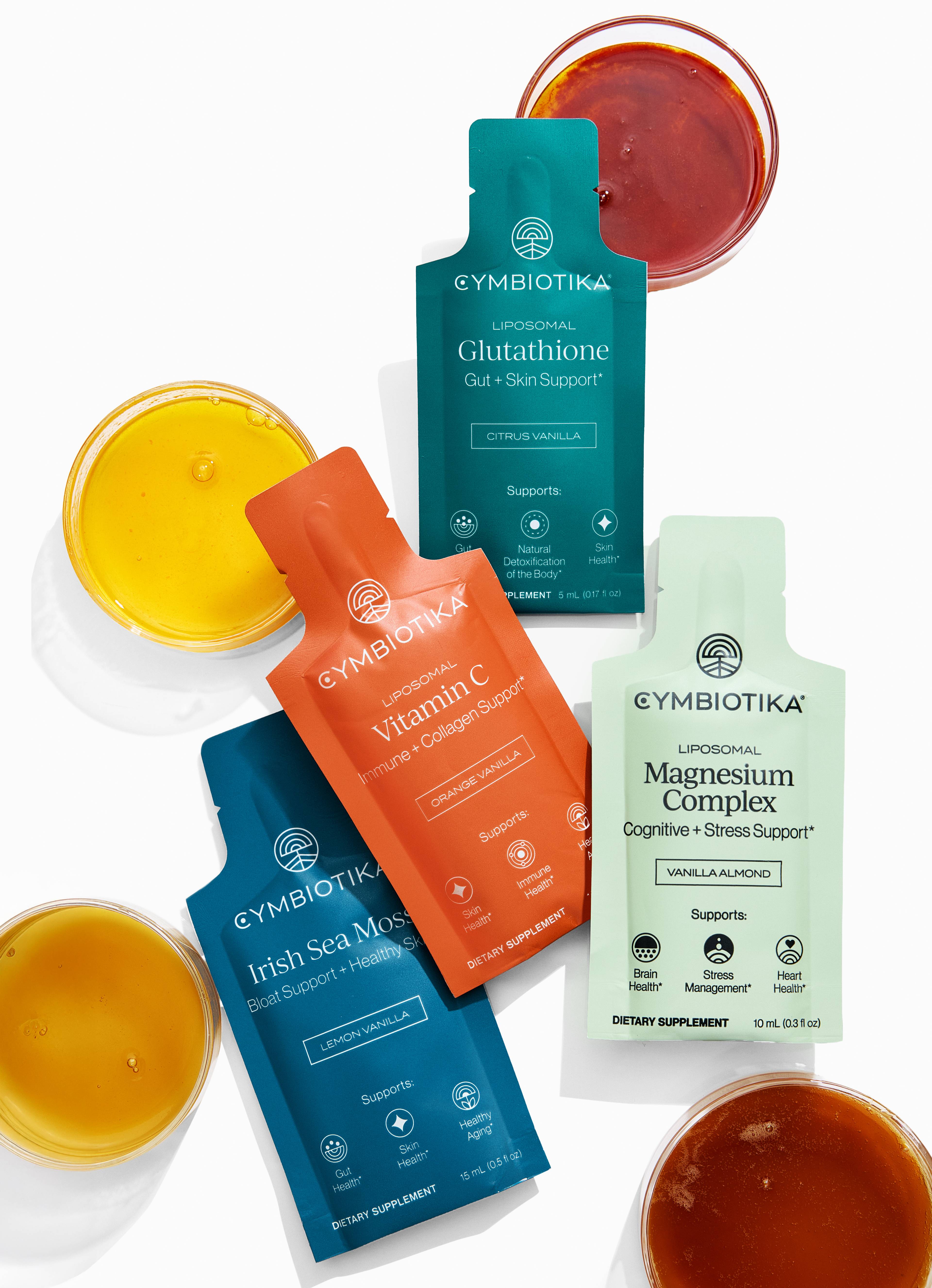
Liposomal delivery is designed to mirror the way the body absorbs nutrients naturally. A liposome is a tiny bubble made of phospholipids—the same material that makes up your cell membranes. By wrapping nutrients like Vitamin C or Glutathione in these lipids, we protect them as they travel through the digestive system. This allows them to be delivered directly to your cells, maximizing their impact on your skin and overall wellness.
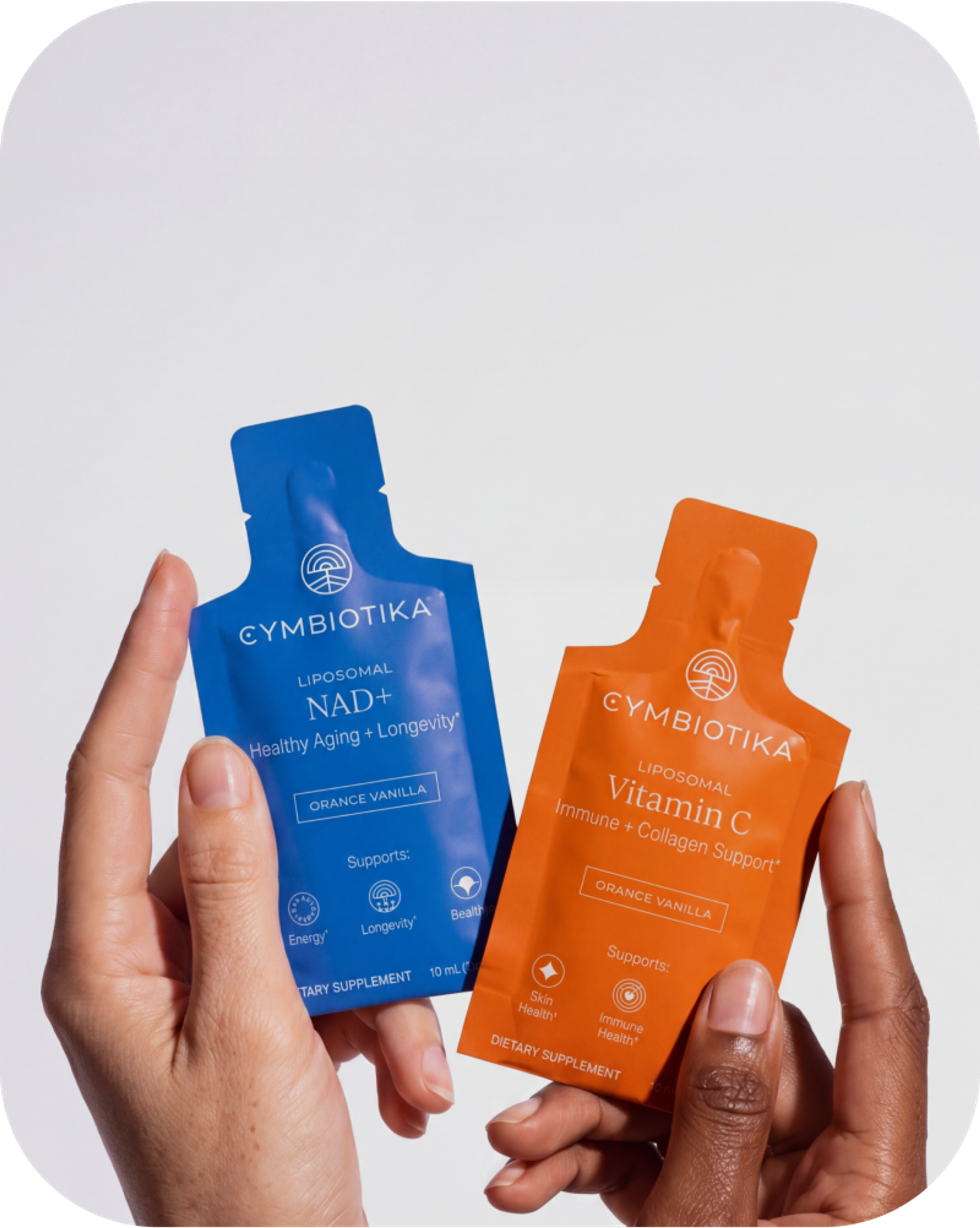
Our Liposomal Vitamin C is a prime example of this technology. While you can get Vitamin C from certain dried fruits, a highly bioavailable supplement can provide the concentrated levels needed for collagen synthesis and antioxidant protection. By combining a nutrient-rich diet of dry fruits with high-absorption supplements, you create a robust internal environment for skin health.
Beyond Dry Fruits: A Holistic Routine
While dry fruits are a powerful tool, they are part of a larger wellness puzzle. For your skin to glow, it needs a consistent routine that addresses hydration, sleep, and stress management. High-quality fats from nuts are excellent, but they work best when the rest of your lifestyle supports cellular health.
Consider the gut-skin axis. There is a strong connection between the health of your microbiome and the clarity of your skin. If your digestion is sluggish or your gut flora is out of balance, it can show up on your face. Explore the Gut Health collection for formulas connected to digestive wellness and internal balance.
We often recommend a high-quality Probiotic or Activated Charcoal to support a clean and balanced internal environment, which naturally reflects on the outside. For more guidance on building a digestive routine, read what to avoid taking with probiotics.
Myth: Eating oily nuts will cause oily skin and breakouts. Fact: The healthy fats found in walnuts and almonds actually help regulate the skin's natural oil production and strengthen the moisture barrier. Breakouts are more often linked to high-sugar diets and inflammation rather than the natural oils in dry fruits.
How to Incorporate Dry Fruits into Your Routine
To see real changes in your skin, consistency is more important than intensity. You do not need to eat a bag of almonds in one sitting; instead, focus on a small, varied amount every day.
- Step 1: Create a daily "Skin Mix." Combine two walnuts, five almonds, and two dried apricots. This provides a balance of omega-3s, Vitamin E, and Vitamin A.
- Step 2: Practice portion control. Dry fruits are calorie-dense. A single handful (about 1 to 1.5 ounces) is usually enough to reap the benefits without overconsuming calories.
- Step 3: Choose raw and unsalted. To keep the nutrients intact and avoid unnecessary sodium (which can cause puffiness), opt for raw or dry-roasted varieties rather than those fried in vegetable oils.
- Step 4: Use a "booster" for absorption. Pair your dry fruit snack with a glass of water and your daily supplements. For example, taking our Healthy Glow™ alongside your morning nuts can provide a concentrated dose of collagen-supporting nutrients that work in tandem with the fats in the nuts.
The Role of Collagen and Hydration
Dry fruits provide the nutrients to build and protect skin, but collagen is the framework. As we age, our natural collagen production begins to slow down. While the copper in cashews and Vitamin C in dried berries help the body produce collagen, many people find that a direct source of collagen or its precursors is necessary to maintain skin elasticity.
Healthy Glow™ is designed to support this specific need. It combines targeted nutrients that support the skin’s structure, helping to maintain that firm, youthful appearance. When paired with the moisture-locking fats from walnuts and the antioxidant protection of almonds, you are covering all the bases for long-term skin health. For another perspective on skin radiance and healthy ageing, explore the Healthy Aging collection.
Bottom line: A diet rich in almonds and walnuts provides the essential antioxidants and fatty acids needed for a radiant complexion, but supplementing with bioavailable formulas ensures your skin has the specific building blocks it needs to thrive.
Summary of Best Dry Fruits for Glowing Skin
| Dry Fruit | Key Nutrient | Primary Skin Benefit |
|---|---|---|
| Almonds | Vitamin E | Protects against oxidative stress and UV damage |
| Walnuts | Omega-3 (ALA) | Strengthens the moisture barrier and reduces dryness |
| Pistachios | Lutein & Zeaxanthin | Provides antioxidant defense against environmental factors |
| Cashews | Zinc & Copper | Supports collagen synthesis and skin repair |
| Dried Apricots | Vitamin A (Beta-carotene) | Promotes cell turnover for a brighter complexion |
| Dried Figs | Iron | Supports healthy circulation and natural skin color |
Building a Routine You Can Trust
True wellness is about more than just a single "superfood." It is about building a daily rhythm that supports your body’s natural functions. Whether you are choosing the best dry fruits for your snack or selecting a supplement for your morning routine, the quality of the source and the effectiveness of the delivery are what matter most.
At Cymbiotika, we are dedicated to providing the education and the tools you need to take control of your health. We prioritize transparency, science-forward formulations, and ingredients that your body can actually use. By focusing on bioavailability, we ensure that our products work in harmony with the nutrient-dense foods you eat.
If you are ready to move beyond the surface and start supporting your skin from the inside out, we invite you to take our Health Quiz. It is designed to help you identify the specific gaps in your routine and provide personalized recommendations based on your unique goals.
FAQ
How many dry fruits should I eat daily for glowing skin?
A small handful, roughly 1 to 1.5 ounces, is generally considered the ideal daily serving. This amount provides a concentrated dose of vitamins and healthy fats without contributing excessive calories to your diet. Consistency is key, so try to make this a daily habit rather than a sporadic one.
Is it better to eat soaked almonds or raw almonds?
Soaking almonds overnight is often preferred because it helps break down phytic acid, which can interfere with the absorption of nutrients like magnesium and zinc. Removing the skin after soaking may also make them easier to digest for some people. However, raw almonds still provide significant nutritional value if you prefer the crunch.
Can dry fruits replace my skincare products?
While dry fruits provide the internal building blocks for healthy skin, they work best alongside a proper external skincare routine and a healthy lifestyle. Think of dry fruits as the "fuel" for your skin cells and topical products as the "protection" for the outer surface. Both are necessary for achieving and maintaining a radiant glow.
How long does it take to see skin results from eating dry fruits?
Skin cell turnover typically takes about 28 to 40 days, so you should expect to wait at least a month to see visible changes in your complexion. Because dietary changes work from the inside out, the results are often more gradual but also more sustainable than those from topical treatments alone. Consistent intake over several months will yield the best results.
*These statements have not been evaluated by the Food and Drug Administration. This product is not intended to diagnose, treat, cure, or prevent any disease.