Table of Contents
- Introduction
- Understanding the "Mental Fog" Experience
- Green Tea: The Gold Standard for Clarity
- Matcha: A Concentrated Choice
- Peppermint Tea for Immediate Alertness
- Ginkgo Biloba: Supporting Brain Circulation
- Rosemary Tea: The Herb of Remembrance
- Gotu Kola and Adaptogenic Support
- The Importance of Bioavailability in Brain Support
- Building a Routine to Clear the Fog
- How Your Gut Affects Your Brain
- Common Myths About Tea and Focus
- Creating the Perfect Environment for Clarity
- A Note on Quality and Sourcing
- When to Seek More Than Tea
- Conclusion
- FAQ
Introduction
That mid-afternoon haze where words feel out of reach and focus seems impossible is something many of us face. Whether it is a result of a late night, a demanding schedule, or simply the natural ebb and flow of daily energy, mental clarity is a priority for staying productive and present. Finding a gentle, effective way to clear the cobwebs is often as simple as looking in your pantry.
At Cymbiotika, we believe that everyday rituals should serve your long-term wellness goals. This post explores which teas may help lift that mental cloud and how specific botanical compounds support your cognitive function. We will also discuss why the delivery of these nutrients matters just as much as the ingredients themselves, and how our Energy & Focus collection can complement a daily clarity routine.
Certain teas contain unique antioxidants and amino acids that help clear mental clutter and support sustained attention throughout your day.
Understanding the "Mental Fog" Experience
Before looking at solutions, it helps to understand what is happening when your mind feels slow. This sensation is not a medical condition itself but rather a sign that your brain and body are looking for better support. It often presents as a lack of mental clarity, poor concentration, and a feeling of being "spaced out."
If you want a deeper look at the broader science behind this experience, our guide on Understanding Brain Fog explores common causes and practical ways to think about it.
Several factors contribute to this feeling. It could be a dip in blood sugar, a lack of quality sleep, or oxidative stress—a process where unstable molecules called free radicals can impact cellular health. When your brain is under-supported, its ability to process information and maintain focus can diminish.
Choosing the right beverage can do more than just hydrate you. Specific teas offer bioactive compounds that can cross the blood-brain barrier—the protective shield that filters what enters your central nervous system—to provide direct support to your neurons.
Green Tea: The Gold Standard for Clarity
When people ask what tea is good for brain fog, green tea is almost always at the top of the list. Its reputation is well-earned because it contains a specific combination of two powerful ingredients: caffeine and L-theanine.
The Synergy of Caffeine and L-Theanine
Caffeine is a well-known stimulant that works by blocking adenosine receptors in the brain. Adenosine is a chemical that builds up throughout the day and makes you feel tired. By blocking it, caffeine helps you feel more alert. However, caffeine on its own can sometimes lead to "jitters" or a later energy crash.
This is where L-theanine comes in. L-theanine is an amino acid (a building block of protein) found almost exclusively in tea leaves. It is known to promote a state of "calm alertness." It helps increase alpha brain waves, which are associated with a state of relaxed focus. When you consume caffeine and L-theanine together, the theanine helps "smooth out" the caffeine's effects, providing steady energy without the sharp spike and fall.
Catechins and Cognitive Health
Green tea is also rich in EGCG (epigallocatechin gallate), a type of polyphenol. Polyphenols are plant-based compounds that act as antioxidants. EGCG may help protect the brain from oxidative stress and support the health of your blood vessels, ensuring that your brain receives the oxygen and nutrients it needs to stay sharp.
Key Takeaway: The combination of caffeine and L-theanine in green tea provides a balanced energy boost that supports focus while minimizing the restlessness often associated with coffee.
Matcha: A Concentrated Choice
Matcha is a powdered form of green tea where the entire leaf is consumed. Because you are ingesting the whole leaf rather than just the water it was steeped in, the concentration of beneficial compounds is significantly higher.
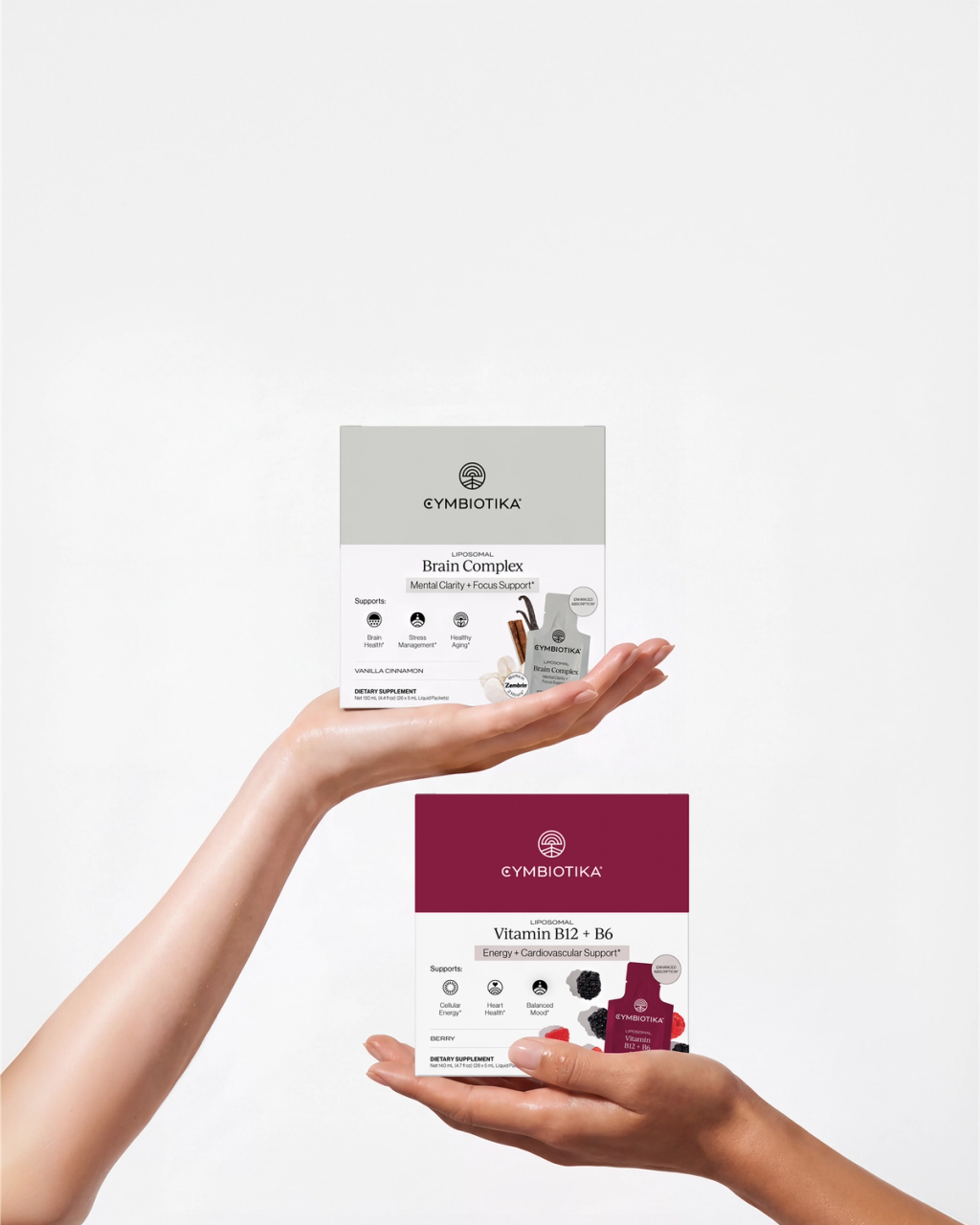
Matcha generally contains more L-theanine and antioxidants than standard steeped green tea. Many people find that a morning cup of matcha provides a longer-lasting sense of clarity. For those looking for an even more robust cognitive boost, our Liposomal Brain Complex incorporates specialized ingredients designed to support neuroprotection and mental agility alongside your daily tea ritual.
Peppermint Tea for Immediate Alertness
If you prefer to avoid caffeine, peppermint tea is an excellent herbal alternative. While it does not contain stimulants, the aroma and chemical makeup of peppermint can have an invigorating effect on the senses.
The primary active component in peppermint is menthol. Research suggests that the scent of peppermint alone may help improve memory and increase alertness. It is an ideal choice for a late-afternoon refresh when you want to avoid caffeine but still need to sharpen your focus for a final task.
Quick Answer: Green tea and matcha are the most effective caffeinated options for clearing brain fog due to the synergy of L-theanine and caffeine. For a caffeine-free alternative, peppermint tea can help invigorate the senses and support alertness through its aromatic properties.
Ginkgo Biloba: Supporting Brain Circulation
Ginkgo biloba is one of the oldest living tree species, and its leaves have been used for centuries to support mental function. As a tea, Ginkgo is often used to support circulation throughout the body, including the brain.
Improved blood flow means more efficient delivery of oxygen and glucose to your brain cells. Many people find that Ginkgo helps with "mental fatigue," making it easier to stay focused on complex tasks for longer periods. It is often blended with other herbs like gotu kola to enhance its effects.
Rosemary Tea: The Herb of Remembrance
Rosemary is more than just a kitchen staple; it has a long history as a botanical used for memory support. Like peppermint, rosemary is rich in volatile oils that can stimulate the mind.
Rosemary tea contains rosmarinic acid and other antioxidant compounds that may help protect the brain's signaling molecules. Drinking rosemary tea or even simply smelling the fresh herb while it steeps can provide a noticeable "pick-me-up" for your cognitive performance.
Gotu Kola and Adaptogenic Support
Gotu kola is often referred to as the "herb of longevity." It is frequently used in traditional wellness practices to support mental clarity and decrease feelings of mental exhaustion.
It is considered an adaptogen—a natural substance that helps the body adapt to stress and exerts a normalizing effect upon bodily processes. By helping the body manage the physical toll of stress, gotu kola may indirectly clear the fog that results from a frantic or overwhelming day.
The Importance of Bioavailability in Brain Support
While drinking tea is a wonderful habit, it is important to consider how well your body actually absorbs the nutrients you consume. This concept is called bioavailability. It refers to the proportion of a nutrient that enters the circulation when introduced into the body and is so able to have an active effect.
For a more detailed look at the delivery side of wellness, our page on All About Liposomes explains how nutrient transport can change the way a formula performs.
Why Standard Supplements Often Fall Short
Many standard vitamins and herbal extracts have low bioavailability. This is because the digestive system is a harsh environment. Stomach acid and enzymes can break down sensitive compounds before they ever reach the small intestine for absorption. Furthermore, some nutrients are fat-soluble, meaning they need healthy fats to be absorbed, while others are water-soluble.
The Liposomal Difference
To address the challenge of absorption, we utilize liposomal delivery in many of our formulations. A liposome is a tiny, spherical vesicle made of phospholipids—the same material that makes up your own cell membranes.
Imagine a "phospholipid bilayer" (a double layer of fatty molecules) acting as a protective envelope around a nutrient. This shell protects the nutrient through the digestive tract and allows it to merge more easily with your cells. When you use a high-bioavailability supplement like our Liposomal Vitamin B12 + B6, your body can actually use the energy-supporting nutrients to clear the fog more effectively than standard tablets.
Building a Routine to Clear the Fog
To get the most out of your tea and wellness routine, consistency and timing are key. One cup of tea may help in the moment, but a daily strategy will yield better long-term results.
Step 1: Start Your Morning with Intention
Begin your day with a glass of water to hydrate after sleep, then move to a cup of matcha or green tea. This provides the L-theanine and caffeine needed to wake up your brain gently.
Step 2: Use Strategic Breaks
When you feel the fog creeping in around 2:00 PM, reach for peppermint or rosemary tea instead of a second or third cup of coffee. This prevents the "over-caffeinated" feeling that can actually make it harder to concentrate.
Step 3: Support Your Foundation
Tea works best when your body has the fundamental nutrients it needs. Ensure you are getting enough Vitamin D, B vitamins, and healthy fats. If you are not sure where to begin, the Cymbiotika Expert can help you identify which specific supplements and habits fit your lifestyle and goals.
Step 4: Watch Your Sugar Intake
While many people add sugar or honey to their tea, be aware that a "sugar crash" is a leading cause of brain fog. Try enjoying your tea plain or with a small amount of a natural, low-glycemic sweetener to keep your blood sugar levels stable.
How Your Gut Affects Your Brain
You may have heard the gut referred to as the "second brain." The connection between the two is known as the gut-brain axis. This is a two-way communication system linked by the vagus nerve and various chemical messengers.
If your gut health is compromised, it can lead to systemic issues that manifest as mental fog. For example, if you are not properly absorbing nutrients from your food or tea due to an imbalanced microbiome (the community of bacteria in your gut), your brain won't have the fuel it needs. Supporting your digestive system with a high-quality supplement can help maintain the integrity of this connection, and our Gut Health Supplements are a natural place to start exploring that support.
Key Takeaway: Mental clarity is not just about what you put in your brain; it is about how well your gut processes and delivers those nutrients to the rest of your body.
Common Myths About Tea and Focus
There are many misconceptions about how tea impacts the mind. Understanding the reality can help you make better choices for your routine.
Myth: The more caffeine you drink, the more focused you will be. Fact: Caffeine follows a "U-shaped" curve. A small to moderate amount improves focus, but too much can lead to "brain scatter," restlessness, and decreased productivity.
Myth: All herbal teas are the same for focus. Fact: Different herbs have very different chemical profiles. While chamomile is great for relaxation before bed, it may actually increase brain fog if you drink it when you are trying to be productive.
Myth: Steep time doesn't matter. Fact: Steeping green tea for too long can make it bitter and release more tannins, which might upset an empty stomach. Steeping too briefly may not release enough of the beneficial L-theanine. Aim for 2–3 minutes for green tea and 5–7 minutes for herbal blends.
Creating the Perfect Environment for Clarity
While tea is a powerful tool, it works best as part of a holistic approach. If you are drinking green tea but sitting in a dark room with poor posture and twenty open browser tabs, the tea has a lot of work to do.
Optimize your physical space. Ensure you have adequate natural light, which helps regulate your circadian rhythm (your body's internal clock). This helps you feel more awake during the day and sleep better at night.
Practice single-tasking. Brain fog is often exacerbated by multitasking. When you sit down with your cup of tea, try to focus on one single task for 25 minutes, then take a short break. This is often called the Pomodoro Technique.
Hydrate beyond tea. Tea is a diuretic, meaning it can increase water loss. For every cup of tea you drink, try to drink an equal amount of plain, filtered water. Dehydration is a common, often overlooked cause of mental fatigue.
A Note on Quality and Sourcing
Not all tea is created equal. Many mass-produced tea bags contain "dust and fannings"—the broken remnants of tea leaves that have lost much of their essential oil and antioxidant content. Furthermore, conventional tea can sometimes be treated with pesticides.
Whenever possible, choose organic, loose-leaf teas. These typically contain larger leaf pieces that retain their bioactive compounds more effectively. This commitment to quality mirrors our approach at Cymbiotika. We prioritize sourcing the purest ingredients because we know that the quality of what you put into your body determines the quality of the results you see.
When to Seek More Than Tea
For most people, brain fog is a temporary inconvenience. However, if you find that you are consistently struggling to remember things or cannot clear the haze no matter what you eat or drink, it is always a good idea to consult a healthcare provider. Results vary for everyone, and sometimes mental fog can be a sign of underlying issues like a vitamin deficiency or a hormonal imbalance that requires professional guidance.
Bottom line: Tea is an excellent, low-intervention way to support your daily mental performance, but it is one piece of a larger wellness puzzle.
Conclusion
Choosing the right tea is a practical and enjoyable way to combat brain fog and support your cognitive health. Whether you choose the balanced energy of green tea, the invigorating scent of peppermint, or the circulatory support of Ginkgo biloba, you are providing your brain with the botanical tools it needs to function at its best.
At Cymbiotika, we are dedicated to helping you bridge the gap between where you are and where you want to be. By combining ancient botanical wisdom with modern, high-bioavailability delivery systems, we ensure that your wellness routine actually works for you.
- Green tea and matcha provide the best balance of focus and calm.
- Peppermint and Rosemary offer caffeine-free sensory stimulation.
- Bioavailability is the key to ensuring your body actually absorbs the nutrients you consume.
- Consistency in your routine is more important than any single "quick fix."
If you are ready to take the next step in personalizing your mental clarity routine, we invite you to take our Health Quiz. It is designed to help you discover the specific supplements and habits that align with your unique biology and lifestyle goals.
FAQ
What is the best time of day to drink tea for brain fog?
For most people, mid-morning or early afternoon is the ideal time. This provides a boost when natural energy levels typically dip, but it is early enough that any caffeine content won't interfere with your ability to fall asleep at night. If you are still deciding how to tailor that timing to your routine, the Cymbiotika Expert can be a helpful next step.
Can I drink green tea on an empty stomach?
Some people find that the tannins in green tea can cause mild stomach discomfort if consumed on a completely empty stomach. If you are sensitive, try having your tea alongside a light snack or after a meal to ensure the best experience. For more on why absorption and format matter, revisit All About Liposomes.
Does adding milk to tea reduce its benefits?
Some studies suggest that the proteins in dairy milk may bind to the antioxidants (catechins) in tea, potentially making them harder for the body to absorb. If you prefer a creamy tea, consider using a splash of plant-based milk or enjoying it plain to maximize antioxidant intake.
How long does it take for tea to help with focus?
Caffeine usually begins to take effect within 15 to 45 minutes, while the calming effects of L-theanine can be felt within the same timeframe. Herbal teas like peppermint may provide an almost immediate sensory "lift" due to the power of their aromatic oils. If you want a broader overview of the topic, Understanding Brain Fog is a useful companion read.
*These statements have not been evaluated by the Food and Drug Administration. This product is not intended to diagnose, treat, cure, or prevent any disease.