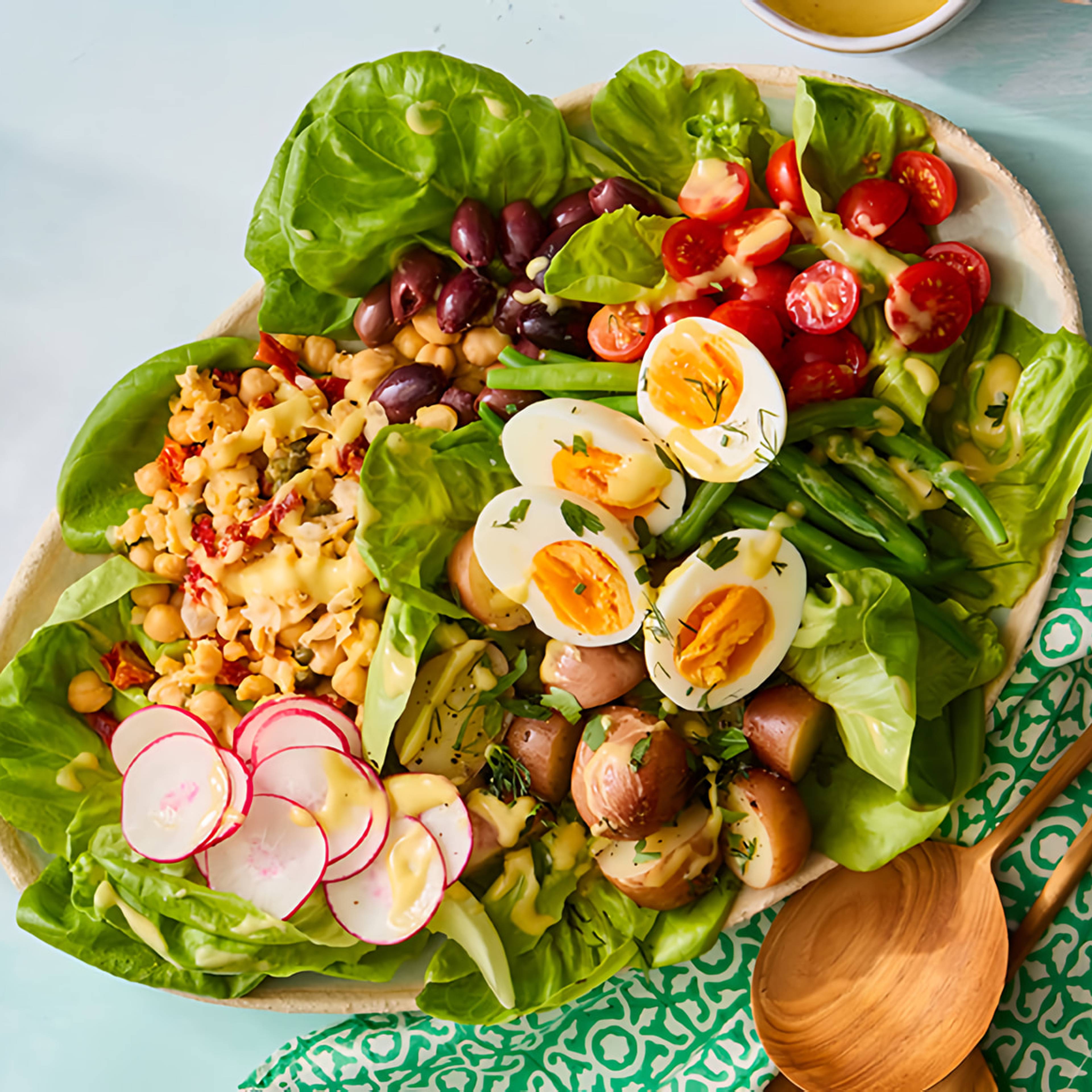
Jun 26, 2026

The Most Effective Uses of Safflower Oil in Your Daily Routine

Table of Contents

  1. Introduction
  2. What Is Safflower Oil?
  3. Culinary Uses of Safflower Oil
  4. Safflower Oil for Skincare
  5. Internal Health and Nutrient Absorption
  6. Why Delivery Systems Matter
  7. Choosing the Best Safflower Oil
  8. How to Build a Routine with Safflower Oil
  9. Safflower Oil and Inflammation
  10. Practical Comparisons: Safflower Oil vs. Other Oils
  11. Summary of Key Benefits
  12. Conclusion
  13. FAQ

Introduction

You may have seen safflower oil in the grocery aisle or listed as an ingredient in your favorite moisturizer. This versatile oil, extracted from the seeds of the Carthamus tinctorius plant, has been used for centuries across various cultures. Today, it remains a staple for people looking to support their health through both nutrition and topical care.

At Cymbiotika, we believe that understanding the ingredients in your routine is the first step toward better wellness. Whether you are using it to sear a steak or hydrate your skin, safflower oil offers a unique profile of fatty acids that may support your body in different ways. This article covers the primary uses of safflower oil, its nutritional benefits, and why the quality of the fats you consume matters for overall absorption. For a deeper look at that concept, our page on Liposomal Delivery explains how delivery systems can affect uptake.

By the end of this guide, you will understand how to choose the right variety of safflower oil for your specific needs. We will explore its role in the kitchen, its benefits for skin health, and how it fits into a science-forward wellness routine.

What Is Safflower Oil?

Safflower oil comes from one of humanity's oldest crops. The safflower plant is a thistle-like herb with bright yellow or orange flowers. Historically, these flowers were used to make dyes for clothing, but the real value for modern wellness lies in the seeds. These seeds are pressed to produce an oil that is high in unsaturated fats and low in saturated fats.

Not all safflower oil is created equal. There are two main types available on the market, categorized by their primary fatty acid content. The first is high-linoleic safflower oil, which is rich in polyunsaturated fats. The second is high-oleic safflower oil, which is high in monounsaturated fats.

The distinction between these two is important because they behave differently when heated and provide different benefits to the body. High-oleic oil is often preferred for cooking because it is more stable under high heat. High-linoleic oil is frequently used in skincare or cold food applications due to its specific nutrient profile.

Culinary Uses of Safflower Oil

One of the most common uses of safflower oil is in the kitchen. It is prized by chefs and home cooks alike for its neutral flavor and high smoke point. The smoke point is the temperature at which an oil begins to break down and produce smoke, which can affect the taste and nutritional quality of your food.

High-Heat Cooking

High-oleic safflower oil has a smoke point of approximately 450°F to 500°F. This makes it one of the most stable oils for high-heat techniques. If you are stir-frying, searing meat, or even deep-frying, this oil remains stable where others might oxidize. Oxidation is a chemical reaction that can produce harmful compounds, so using a heat-stable oil is a practical way to support your long-term health.

Neutral Flavor Profile

Unlike olive oil or coconut oil, which carry distinct tastes, safflower oil is almost flavorless. This makes it an excellent choice for baking or for making homemade mayonnaise and salad dressings. It allows the flavors of your herbs, spices, and other ingredients to stand out without being masked by the oil itself.

Texture and Consistency

In cold applications, safflower oil remains liquid even when refrigerated. This is a significant advantage for salad dressings. While olive oil may solidify in a cold fridge, a safflower-based vinaigrette will stay pourable and ready to use immediately.

Key Takeaway: Use high-oleic safflower oil for high-heat cooking like searing and frying, and high-linoleic versions for cold dressings where you want a neutral taste and consistent liquid texture.

Safflower Oil for Skincare

Beyond the kitchen, safflower oil is a powerhouse ingredient in the world of topical wellness. Many people find that it helps maintain a healthy skin barrier without the heavy or greasy feeling associated with thicker oils. If you want to go deeper on this topic, take a look at How to Repair Skin Barrier: Essential Steps for Healthy Skin.

Supporting the Skin Barrier

High-linoleic safflower oil is particularly beneficial for the skin. Linoleic acid is an essential fatty acid that the body cannot produce on its own. It is a critical component of the skin’s natural lipid barrier. When this barrier is healthy, it locks in moisture and protects the skin from environmental stressors.

Many people with oily or blemish-prone skin find that safflower oil is a helpful addition to their routine. It is considered non-comedogenic, meaning it is unlikely to clog pores. Because people with certain skin concerns often have lower levels of linoleic acid in their skin's natural oils, applying safflower oil may help balance the skin's surface.

Hydration and Soothing

Safflower oil is also a rich source of Vitamin E. This vitamin acts as an antioxidant that can help protect the skin from damage caused by free radicals. These are unstable molecules produced by things like sun exposure and pollution. Regularly applying an oil rich in Vitamin E may support a smoother, more hydrated complexion. For more context on this ingredient, see Is Vitamin E Oil Good for Skin?.

How to Apply Safflower Oil Topically

If you want to try safflower oil for your skin, it is best to apply it after a shower while your skin is still slightly damp. This helps trap water in the skin, enhancing the oil’s hydrating effects. You can use it as a standalone facial oil, a body moisturizer, or even as a carrier oil for essential oils.

Internal Health and Nutrient Absorption

The uses of safflower oil extend deep into the body’s internal systems. While it is a source of calories, it is the type of calories that matters most. The unsaturated fats found in safflower oil are considered "healthy fats" that may support various physiological functions.

Metabolic Support

Research suggests that replacing saturated fats with unsaturated fats, like those found in safflower oil, may support metabolic health. Some studies have indicated that safflower oil may help support healthy blood sugar levels already within a normal range. It is thought that the fatty acids in the oil may influence how the body processes insulin, though results vary from person to person.

Heart Health

Because it is low in saturated fat and high in monounsaturated or polyunsaturated fats, safflower oil is often recommended as part of a heart-healthy diet. Replacing butter or lard with high-oleic safflower oil can help manage cholesterol levels that are already in the healthy range.

The Bioavailability Connection

At the heart of our philosophy is the concept of bioavailability. This refers to how well your body can actually absorb and use the nutrients you consume. Many essential vitamins, such as Vitamins A, D, E, and K, are fat-soluble. This means your body cannot absorb them effectively unless they are consumed alongside a source of fat.

Safflower oil acts as a delivery vehicle for these nutrients. When you eat a salad with a safflower oil dressing, the oil helps your body pull the vitamins out of the vegetables and into your bloodstream. Without a high-quality fat source, much of the nutritional value of your meal could simply pass through your system unused. If you are interested in how Cymbiotika approaches this idea, our All About Liposomes page breaks it down in more detail.

Myth: All fats are "bad" and should be avoided for weight management or heart health.
Fact: Healthy unsaturated fats, like those in safflower oil, are essential for hormone production, brain health, and the absorption of critical fat-soluble vitamins.

Why Delivery Systems Matter

When we talk about the uses of safflower oil, we must also discuss how fats are used in advanced supplement technology. In the supplement industry, not all delivery methods are the same. A standard powder or tablet must survive the harsh environment of the stomach, where much of the active ingredient can be destroyed before it ever reaches the small intestine for absorption.

This is why we prioritize liposomal delivery in many of our formulations. A liposome is a tiny bubble made of phospholipids—the same fats that make up your cell membranes. This "phospholipid bilayer" acts as a protective shield for nutrients. Because these liposomes are made of fats, they are easily recognized and absorbed by your body.

While safflower oil itself is a healthy fat, its components, like linoleic acid, are often part of the broader conversation about lipid-based delivery. Using high-quality fats ensures that the body has the tools it needs to transport nutrients directly to the cells that need them most.

Choosing the Best Safflower Oil

If you are ready to add safflower oil to your routine, you need to know what to look for on the label. The processing of the oil significantly impacts its quality and the benefits you will receive.

Cold-Pressed vs. Refined

  • Cold-Pressed: This method involves mechanically pressing the seeds at low temperatures. It preserves the most nutrients, including Vitamin E and the natural antioxidants. Cold-pressed safflower oil often has a slightly more golden color and a very mild nutty scent. It is the best choice for skincare and raw culinary uses.
  • Refined: Most safflower oil found in clear plastic bottles at the supermarket is refined. This process involves heat and sometimes chemicals to strip the oil of its color and scent. This results in a much higher smoke point, making it better for deep-frying, but it loses some of its delicate nutritional properties.

Organic and Non-GMO

Choosing organic safflower oil ensures that the seeds were grown without synthetic pesticides or herbicides. Since oils are concentrated extracts of the seed, choosing organic helps you avoid consuming concentrated residues of these chemicals. Additionally, looking for non-GMO labels ensures the plant has not been genetically altered.

Storage and Shelf Life

Because safflower oil is high in unsaturated fats, it can be prone to rancidity if exposed to heat, light, or air for too long. To keep your oil fresh:

  1. Store it in a cool, dark place, such as a pantry cabinet away from the stove.
  2. Choose oils sold in dark glass bottles, which help block out light.
  3. Tighten the cap immediately after use to minimize oxygen exposure.
  4. If the oil develops a sharp, bitter, or "off" smell, it has oxidized and should be discarded.

How to Build a Routine with Safflower Oil

Integrating the uses of safflower oil into your life doesn't have to be complicated. Consistency is more important than intensity. Here is a simple way to start:

Step 1: Audit your kitchen.
Replace one of your highly processed vegetable oils or solid fats with a high-oleic safflower oil. Use it for your daily sautéing or roasting.

Step 2: Enhance your nutrition.
Use cold-pressed safflower oil as a base for a daily salad dressing. Combine it with lemon juice, apple cider vinegar, and a pinch of sea salt. This supports the absorption of the fat-soluble vitamins in your greens.

Step 3: Support your skin.
After your evening shower, apply a few drops of high-linoleic safflower oil to your face or any dry patches on your body. Observe how your skin feels over the next two weeks.

Step 4: Focus on internal quality.
Look at your current supplement stack. Are you taking fat-soluble vitamins on an empty stomach? If so, try taking them with a meal that contains healthy fats like safflower oil to improve their bioavailability. If you want help building that kind of routine, you can also browse our Products page.

Safflower Oil and Inflammation

There is often a debate regarding Omega-6 fatty acids and their role in the body. Safflower oil, particularly the high-linoleic variety, is a source of Omega-6. Some claim that Omega-6 fats are "pro-inflammatory," but the reality is more nuanced.

The human body needs a balance of Omega-3 and Omega-6 fatty acids. Both are essential, meaning we must get them from our diet. The problem in the modern diet is often an extreme imbalance—too much refined Omega-6 and not enough Omega-3. When consumed as part of a whole-food, balanced diet, the linoleic acid in safflower oil may actually support a healthy inflammatory response rather than hinder it.

Linoleic acid is converted in the body into other compounds that are vital for cell signaling and maintaining the integrity of cell membranes. Rather than avoiding these fats, the goal should be to source them from high-quality, unrefined oils and balance them with Omega-3 sources like algae oil or fatty fish. For readers looking to explore more nutrition support, the Healthy Aging Supplements collection is a helpful place to start.

Practical Comparisons: Safflower Oil vs. Other Oils

To help you decide when to use safflower oil, it helps to see how it stacks up against other common options.

Oil Type Smoke Point Primary Fat Type Best Use Case
Safflower (High-Oleic) ~450-500°F Monounsaturated High-heat frying, searing
Safflower (High-Linoleic) ~320°F Polyunsaturated Skincare, dressings
Extra Virgin Olive Oil ~375°F Monounsaturated Drizzling, low-heat cooking
Coconut Oil ~350°F Saturated Baking, medium-heat cooking
Flaxseed Oil ~225°F Polyunsaturated (Omega-3) Raw use only, never heat

As you can see, the uses of safflower oil are distinct because of its incredible temperature range (for the high-oleic version) and its specific fatty acid profile. It fills a gap that many other "healthy" oils cannot, especially when it comes to high-temperature cooking.

Summary of Key Benefits

Safflower oil is more than just a cooking ingredient. It is a multi-purpose tool that can simplify your wellness routine.

  • Heart and Metabolic Health: May support healthy cholesterol and blood sugar levels when used to replace saturated fats.
  • Bioavailability: Enhances the absorption of fat-soluble vitamins from your food.
  • Skin Integrity: Provides essential linoleic acid to support a strong, hydrated skin barrier.
  • Kitchen Versatility: Offers a high smoke point and neutral flavor for almost any recipe.

Bottom line: Safflower oil is an accessible, science-backed way to improve the quality of the fats in your diet and the health of your skin.

Conclusion

The many uses of safflower oil make it a valuable addition to any health-conscious household. From protecting your skin barrier to ensuring you actually absorb the nutrients in your meals, this oil serves as a foundational element of a smart wellness routine. While no single ingredient is a "fix" for health challenges, making better choices about the fats you use daily can have a profound cumulative effect.

At Cymbiotika, our mission is to empower you with the knowledge and the tools to take control of your health. We focus on transparency and quality because we know that what you put into your body matters. Whether it's through the high-quality ingredients we source or the advanced delivery systems we design, our goal is to help you build a routine you can trust.

If you are looking to further personalize your wellness journey, we encourage you to take our Health Quiz. It is designed to help you identify the specific nutrients your body may need based on your lifestyle and goals.

  • Choose high-oleic for cooking and high-linoleic for skin.
  • Always opt for cold-pressed and organic where possible.
  • Remember that healthy fats are the key to unlocking the vitamins in your diet.

FAQ

Is safflower oil better for you than olive oil?

Neither is strictly "better," as they serve different purposes. Olive oil is excellent for its polyphenol content and low-heat uses, while high-oleic safflower oil is superior for high-heat cooking due to its higher smoke point and neutral flavor. For skincare, safflower oil is often preferred for acne-prone skin because of its higher linoleic acid content.

Can I use cooking-grade safflower oil on my face?

While you can, it is much better to use organic, cold-pressed safflower oil for skincare. Cooking oils found in large plastic bottles are often refined using high heat and chemicals, which removes the Vitamin E and antioxidants that benefit the skin. Look for "unrefined" or "cold-pressed" on the label for topical use.

Does safflower oil cause inflammation?

Safflower oil contains Omega-6 fatty acids, which are essential for health. While an extreme imbalance of Omega-6 to Omega-3 in the diet can be problematic, safflower oil itself is not inherently "inflammatory." When consumed as part of a balanced diet that includes Omega-3s, it supports vital functions like cell membrane health and hormone production.

How should I store safflower oil to keep it from going bad?

To prevent oxidation, store your safflower oil in a cool, dark place away from direct sunlight and heat sources like your oven. Keep the lid tightly sealed when not in use. If you don't use it frequently, you can store cold-pressed safflower oil in the refrigerator to extend its shelf life, though it may become slightly cloudy.

*These statements have not been evaluated by the Food and Drug Administration. This product is not intended to diagnose, treat, cure, or prevent any disease.

Subscribers get it all

Subscribe today and unlock access to Arise, the ultimate wellness experience.

SAVE BIG

Get over 40% off + FREE shipping on all recurring orders.

FUN FREEBIES

Get free gifts, swag, perks, and more

SAVE BIG

Feel energized & strong with a routine that works!

by / Jun 26, 2026

Back to cart

CONGRATS

Choose Your Free Gift

As a thank-you for subscribing, choose one complimentary product below.

Are you sure?
We'll remind you before your next
Golden Mind order processes.
We'll remind you before your next
Topical Magnesium order processes.
Are you sure?
Removing will also remove the exclusive discounted item added to your cart.

You're away from a FREE gift!

Add any of the products below to unlock your free gift.

    You've unlocked a FREE gift!

    Thanks for spending $110. Choose one of the three starter kits below.

    Subscribe & Save

    Trusted by 60k+ subscribers

    FOR YOU
    One FREE Month of Golden Mind!
    You've unlocked one FREE month of Golden Mind! Your subscription will renew automatically every 30 days, and we'll remind you before your order processes.
    Cancel anytime in your portal.
    FOR YOU
    One FREE Month of Topical Magnesium Oil!
    You've unlocked one FREE month of Topical Magnesium Oil! Your subscription will renew automatically every 30 days, and we'll remind you before your order processes.
    Cancel anytime in your portal.
    Your Cart ( items)
    Free shipping sitewide.

    More subscriptions, more savings

    1

    30% off

    2

    34% off

    3

    38% off

    4

    40% off

    5

    40% off

    Want to save? Add a subscription to get 30% off on it!

    Your cart is currently empty.
    You may also like. . .
    You're Saving:
    Subtotal:
    60-Day money back guarantee*