Table of Contents
- Introduction
- Understanding Ingrown Hairs through Ayurveda
- The Role of the Three Doshas in Skin Health
- Topical Ayurvedic Remedies for Smooth Skin
- Internal Wellness: The Gut-Skin Connection
- Why Bioavailability Matters for Skin Health
- Supporting Your Skin with Our Formulations
- Practical Lifestyle Adjustments for Clear Skin
- Managing the Inflammatory Response
- Summary of Ayurvedic Ingredients for Ingrown Hairs
- Building a Consistent Ayurvedic Skincare Routine
- Conclusion
- FAQ
Introduction
Dealing with red bumps and skin irritation after shaving or waxing is a common frustration. These small, often painful spots occur when hair curls back or grows sideways into the skin. While many people reach for harsh chemical exfoliants to clear their skin, there is a gentler way to approach this.
At Cymbiotika, we believe that true wellness is a reflection of internal balance and thoughtful external care. Understanding how to manage your skin requires looking at the body as a whole system. This post covers how Ayurvedic principles can help you manage ingrown hairs through topical remedies, lifestyle changes, and internal support.
Ayurvedic traditions offer a time-tested perspective on skin health that prioritizes the balance of your natural constitution. By addressing the root causes of skin irritation, you can support a smoother, clearer complexion.
Understanding Ingrown Hairs through Ayurveda
In the world of Ayurveda, the skin is considered a mirror of your internal health. When we see irritation on the surface, it usually points to an imbalance in the body’s three primary energies, known as doshas. These doshas—Vata, Pitta, and Kapha—govern every physiological process.
Ingrown hairs are often viewed as a combination of two factors: a buildup of dead skin cells that block the hair follicle and a localized inflammatory response. When the follicle is obstructed, the hair cannot emerge correctly. This leads to the characteristic "razor bumps" that many of us try to avoid.
Ayurveda suggests that by identifying which dosha is out of balance, we can choose the right botanical ingredients to calm the skin. This holistic view ensures that we are not just treating a symptom but helping the body maintain its natural state of harmony.
Key Takeaway: Ayurveda views ingrown hairs as a sign of dosha imbalance, requiring both internal and external adjustments to restore skin clarity.
The Role of the Three Doshas in Skin Health
Each person has a unique constitution, but certain dosha imbalances are more likely to contribute to ingrown hairs. Understanding these can help you tailor your approach to skincare.
Pitta and Inflammation
Pitta is the energy of fire and metabolism. When Pitta is high, the skin is more prone to redness, heat, and sensitivity. If you experience significant redness or discomfort with your ingrown hairs, it is likely a sign of excess Pitta. Cooling herbs and soothing oils are essential for balancing this energy.
Kapha and Clogged Pores
Kapha is governed by earth and water. It provides structure and moisture but can lead to sluggishness when out of balance. Excess Kapha often manifests as oily skin or a heavy buildup of skin cells. This buildup is a primary cause of blocked follicles. Regular, gentle exfoliation is the best way to keep Kapha in check.
Vata and Dryness
Vata is the energy of air and movement. An imbalance here often results in dry, flaky, or rough skin. When the skin is too dry, it loses its elasticity, making it harder for new hairs to break through the surface. Hydration—both through water intake and topical oils—is the solution for Vata-related skin issues.
Topical Ayurvedic Remedies for Smooth Skin
Ayurvedic treatment for ingrown hairs often involves a process called Udvartana, or dry brushing and herbal scrubbing. This helps clear away the dead skin cells that trap hairs.
Herbal Ubtan Scrubs
An Ubtan is a traditional Ayurvedic paste made from flours, herbs, and oils. You can create a simple version at home using chickpea flour (Besan).
- Chickpea Flour: Acts as a gentle physical exfoliant.
- Turmeric: Known for its ability to support a healthy inflammatory response.
- Sandalwood Powder: Provides a cooling effect for Pitta-heavy skin.
- Milk or Rose Water: Used to bind the ingredients into a paste.
Step 1: Mix your ingredients. Combine two tablespoons of chickpea flour with a pinch of turmeric and enough rose water to make a thick paste.
Step 2: Apply and dry. Apply the paste to the area prone to ingrown hairs and let it sit until it is partially dry.
Step 3: Scrub gently. Using circular motions, rub the paste off. This mechanical action exfoliates the skin and encourages hairs to grow in the right direction.
The Power of Neem and Aloe Vera
Neem is one of the most celebrated plants in Ayurveda for skin health. It is highly cooling and helps maintain a clean environment on the skin's surface. Applying a thin layer of neem oil or an aloe vera gel infused with neem can soothe the area after hair removal. Aloe vera is particularly helpful for its hydrating properties, which keep the skin supple.
Internal Wellness: The Gut-Skin Connection
In Ayurveda, the health of your skin is directly tied to the health of your Agni, or digestive fire. If your digestion is sluggish, it can lead to the accumulation of Ama, which refers to metabolic waste or toxins. When these toxins circulate in the bloodstream, they often manifest as skin issues.
Focusing on blood purification is a central theme in Ayurvedic skin care. Herbs like Manjistha and Neem are often used to support the liver and kidneys in their natural detoxification processes. When the blood is "clean," the skin is less likely to react to minor irritations like shaving.
Our Liposomal Glutathione formulation is designed to support these vital pathways. By helping the body manage oxidative stress, we provide a foundation that can support clear skin from within. Supporting internal balance is a practical way to address the root cause of many skin concerns from the inside out.
Quick Answer: Ayurvedic treatment for ingrown hairs focuses on balancing the doshas through herbal exfoliation (Ubtan), cooling topical applications like Neem and Aloe, and supporting internal detoxification to reduce skin sensitivity.
Why Bioavailability Matters for Skin Health
When we talk about supporting skin through supplementation, the most important question is: does your body actually absorb this? Many standard supplements pass through the digestive system without being fully utilized.
This is how we at Cymbiotika approach every formulation. We focus on bioavailability, which is the degree and rate at which a substance is absorbed into the living system. If a nutrient cannot reach your cells, it cannot support your skin.
We use liposomal delivery to enhance this process. A liposome is a tiny, microscopic bubble made of phospholipids—the same material that makes up your cell membranes. By protecting nutrients inside these bubbles, we help them bypass the harsh environment of the stomach and reach the bloodstream.
Key Takeaway: Effective skin support requires high bioavailability; liposomal delivery ensures that vital nutrients are actually absorbed and utilized by the body.
Supporting Your Skin with Our Formulations
Building a routine that supports your skin requires more than just topical creams. It requires providing your body with the building blocks for repair and protection.
- The Omega: Essential fatty acids are critical for maintaining the skin's moisture barrier. A strong barrier prevents the dryness associated with Vata imbalances, which can trap hairs under the skin.
- Liposomal Vitamin C: Vitamin C is a powerful antioxidant that supports collagen production. This helps keep the skin firm and elastic, allowing hairs to emerge more easily.
- Liposomal Glutathione: Often called the "master antioxidant," glutathione supports the liver and helps the body manage oxidative stress. This internal support can lead to a more resilient and less reactive complexion.
By choosing supplements with high absorption rates, you are ensuring that your wellness routine is actually working for you.
Practical Lifestyle Adjustments for Clear Skin
Ayurveda is not just about what you put on your skin; it is about how you live your life. Small changes in your daily routine can significantly reduce the occurrence of ingrown hairs.
Shaving with Intent
If you must shave, Ayurveda suggests doing so in a way that respects the skin’s integrity. Always shave in the direction of hair growth, never against it. Use a sharp, clean blade and a natural, oil-based shaving cream to reduce friction.
Hydration and Diet
Drinking plenty of warm water throughout the day helps flush out toxins and keeps the skin hydrated from within. From a dietary perspective, try to avoid "damp" or "heavy" foods like excessive dairy or processed sugars, which can increase Kapha and lead to clogged pores. Instead, focus on fresh, seasonal vegetables and healthy fats.
Self-Massage (Abhyanga)
The practice of Abhyanga, or Ayurvedic oil massage, is excellent for skin health. Massaging the skin with warm sesame or coconut oil before bathing helps soften the hair and the skin. This makes it easier for the hair to grow through the follicle without getting stuck.
Managing the Inflammatory Response
When an ingrown hair does occur, the body’s natural response is to create a small amount of swelling and redness around the site. While this is a normal part of the healing process, an overactive response can make the situation worse.
Using cooling ingredients like tea tree oil (diluted) or sandalwood paste can help calm the area. These ingredients work by balancing the heat of Pitta. It is also important to avoid picking or squeezing the area, as this can introduce bacteria and lead to further skin challenges.
Note: If you find that your skin is consistently reactive or that you are experiencing deep discomfort, it is always wise to consult with a healthcare professional or a dermatologist to rule out other concerns.
Summary of Ayurvedic Ingredients for Ingrown Hairs
| Ingredient | Dosha Benefit | Primary Action |
|---|---|---|
| Neem | Pitta & Kapha | Cooling, cleansing, and soothing. |
| Turmeric | All Doshas | Supports a healthy inflammatory response. |
| Chickpea Flour | Kapha | Gentle exfoliation to clear follicles. |
| Aloe Vera | Pitta & Vata | Hydrating and cooling for irritated skin. |
| Coconut Oil | Pitta & Vata | Softens the skin and hair for easier growth. |
Building a Consistent Ayurvedic Skincare Routine
Success with any wellness practice comes down to consistency. You do not need a complicated ten-step process to see results. A simple, mindful routine is often more effective.
Morning Routine
Start your day with a glass of warm lemon water to stoke your digestive fire. If you plan to shave, perform a quick oil massage on the area first. This softens the skin and prepares it for the blade. Use a natural cleanser that does not strip the skin of its essential oils.
Evening Care
In the evening, focus on gentle exfoliation once or twice a week using an Ubtan scrub. This prevents the buildup of dead skin cells overnight. Follow up with a soothing moisturizer or a targeted oil like Neem to keep the skin calm while you sleep.
Supplementation
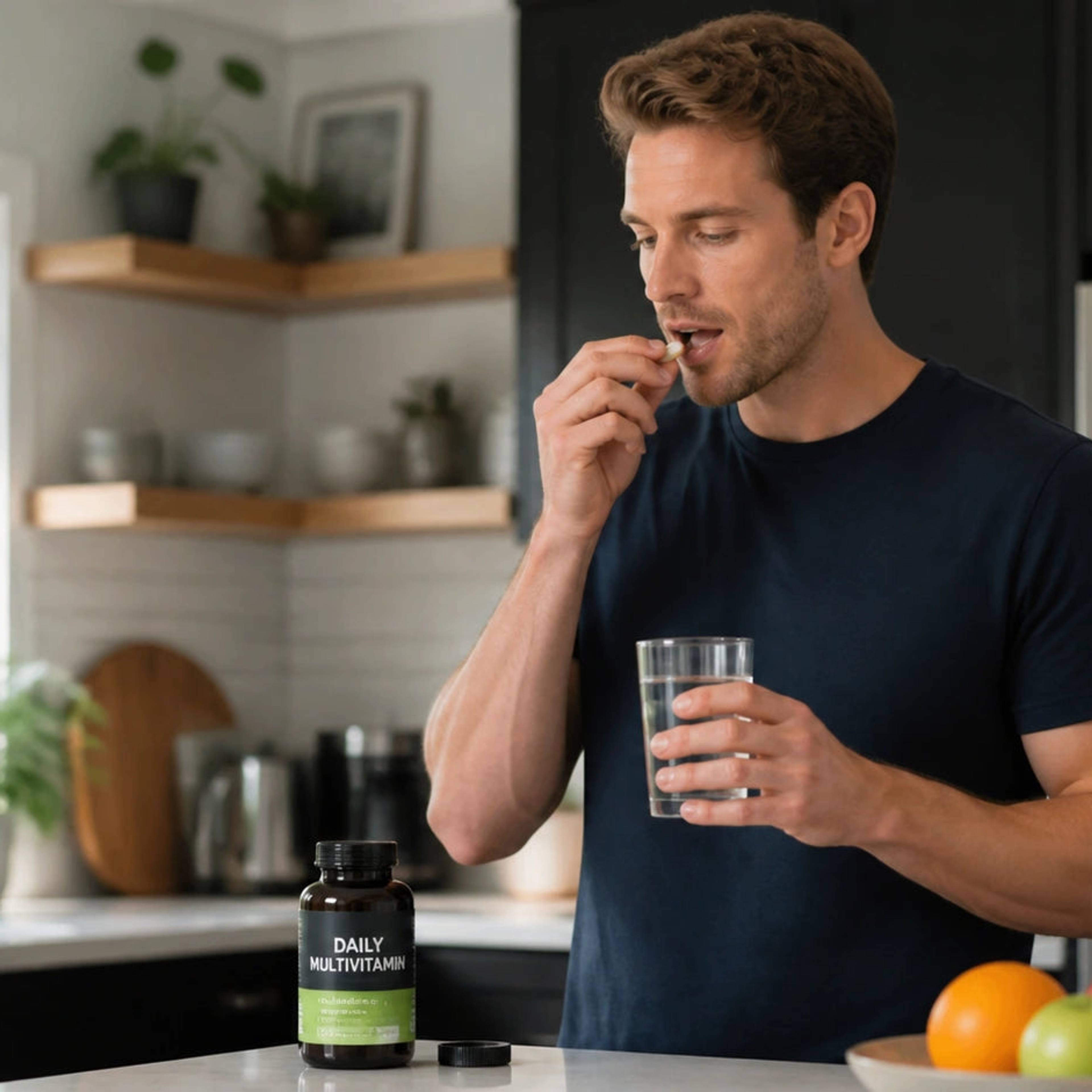
Incorporate your supplements at the same time each day. Whether it is our Liposomal Vitamin C for skin support or The Omega for hydration, taking them consistently allows the levels in your body to remain steady. This internal support provides the "fuel" your skin needs to maintain its barrier and recover from daily stressors.
Conclusion
Ayurvedic treatment for ingrown hairs is about more than just clearing up a few bumps. It is an invitation to understand your body’s unique needs and to treat your skin with the care it deserves. By balancing your doshas, practicing gentle exfoliation, and supporting your health from the inside out, you can achieve lasting results.
Wellness starts with trust—trust in the ingredients you use and the formulations you put into your body. We are dedicated to providing you with the highest quality, most bioavailable supplements to support your journey toward a healthier lifestyle.
Bottom line: Clearer skin is the result of a balanced internal environment and a gentle, consistent external routine.
If you are ready to take the next step in personalizing your wellness routine, we encourage you to take the Health Quiz. It is designed to help you find the specific nutrients your body needs based on your unique goals and lifestyle.
FAQ
How often should I exfoliate to prevent ingrown hairs?
According to Ayurvedic principles, exfoliation should be gentle and tailored to your skin type. For most people, two to three times a week is sufficient to keep the follicles clear without causing irritation. If you have very dry or Vata-dominant skin, you may only need to exfoliate once a week followed by heavy moisturizing.
Can diet really affect how many ingrown hairs I get?
Yes, your diet plays a significant role in skin health. In Ayurveda, foods that increase Kapha (like heavy fats and sugars) can lead to more clogged pores, while foods that increase Pitta (like spicy or fried foods) can make the skin more prone to redness and sensitivity. A balanced diet supports clear skin from the inside out.
Is it better to use oil or lotion for ingrown hairs?
Ayurveda generally prefers high-quality oils, as they penetrate the skin deeply and provide a protective barrier. Oils like coconut, sesame, or almond are excellent for softening the hair and skin. However, if your skin is naturally very oily, you might prefer a light, aloe-based gel to avoid clogging the pores further.
Why does the liver matter for my skin?
The liver is the body's primary filtration system. When the liver is functioning optimally, it efficiently removes metabolic waste from the blood. If the liver is overwhelmed, these toxins can sometimes surface through the skin, leading to increased sensitivity and a higher likelihood of irritation and bumps.
*These statements have not been evaluated by the Food and Drug Administration. This product is not intended to diagnose, treat, cure, or prevent any disease.