Table of Contents
- Introduction
- What is Pranayama?
- The Biological Connection: Breath and Lipids
- How Pranayama May Support Healthy Cholesterol
- Specific Pranayama Techniques to Explore
- The Role of Bioavailability in Heart Health
- Creating a Sustainable Routine
- Myth vs. Fact: Pranayama and Cholesterol
- The Importance of a Holistic Approach
- Beyond the Breath: Supporting Metabolic Function
- Conclusion
- FAQ
Introduction
Many people are looking for natural ways to support their heart health and maintain healthy lipid levels. You might have already adjusted your diet or started a new exercise routine, but you may be wondering if something as simple as your breath can make a difference. Pranayama, the ancient practice of yogic breath control, has gained attention for its potential to influence various markers of wellness, including cholesterol.
At Cymbiotika, we believe that true wellness comes from a combination of ancient wisdom and modern science. Understanding how lifestyle practices like breathwork interact with your internal biology is a key part of taking control of your health. This article explores the relationship between pranayama and cholesterol, the biological mechanisms at play, and how you can integrate these practices into your daily life.
By focusing on the connection between stress, the nervous system, and metabolic function, we can see how intentional breathing may support your long-term wellness goals.
What is Pranayama?
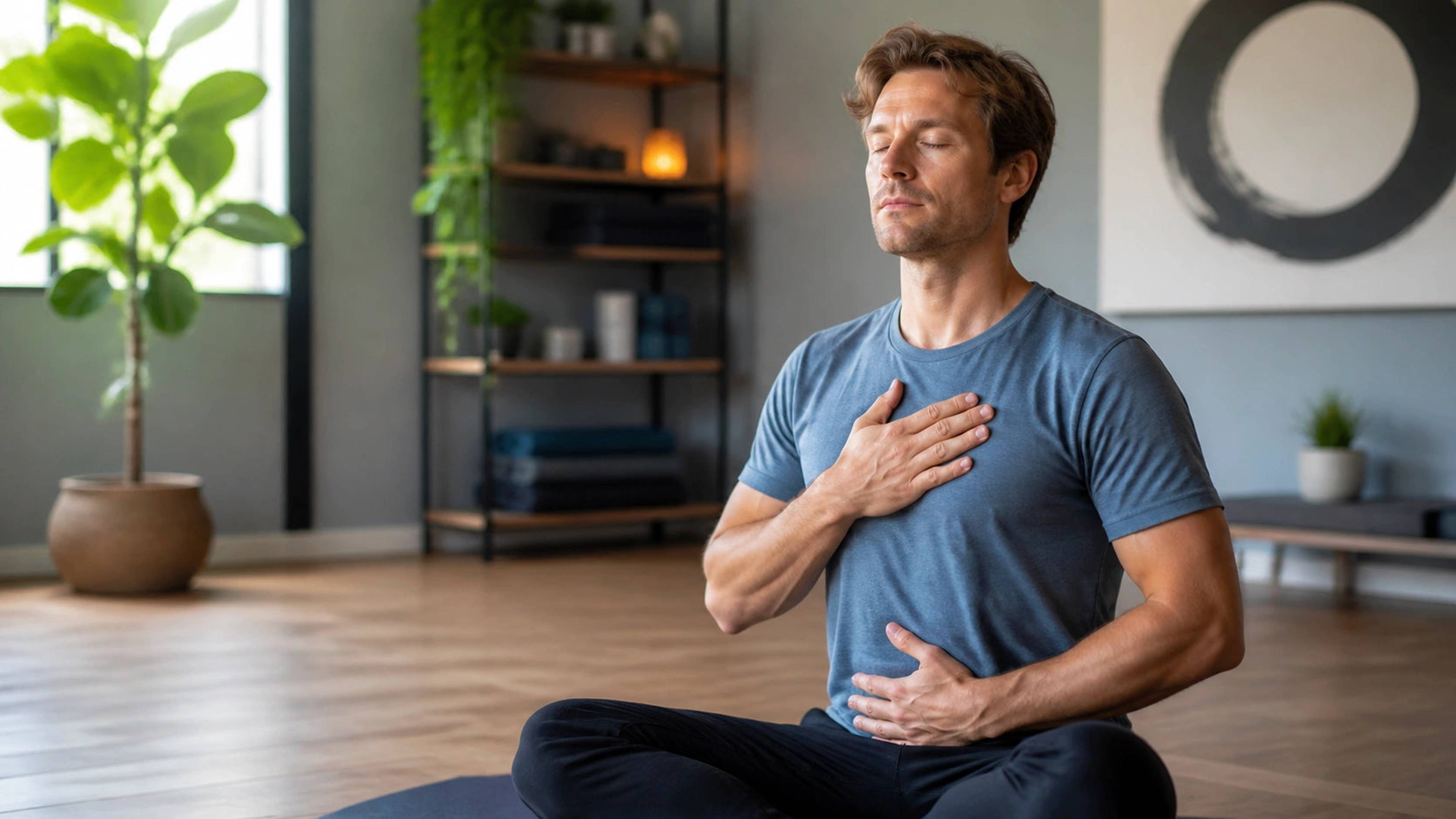
Pranayama is a foundational element of yoga that involves the conscious regulation of breath. The word comes from two Sanskrit terms: "Prana," meaning life force or vital energy, and "Ayama," meaning to extend or draw out. While it is often associated with physical yoga poses, pranayama is a distinct practice focused entirely on the respiratory system and its influence on the mind and body.
In practical terms, pranayama involves specific techniques that alter the speed, depth, and rhythm of your breathing. This can range from slow, cooling breaths to vigorous, heat-building techniques. The goal is to move beyond automatic breathing and use the breath as a tool to influence the autonomic nervous system.
Quick Answer: Pranayama may support healthy cholesterol levels by reducing chronic stress and improving metabolic efficiency. While it is not a replacement for medical care, regular practice can help balance the nervous system, which plays a significant role in how the body processes fats and manages lipid profiles.
The Biological Connection: Breath and Lipids
To understand how breathing might affect cholesterol, we have to look at the relationship between the respiratory system and the endocrine system. Cholesterol is a waxy, fat-like substance that your liver produces. It is essential for making hormones, vitamin D, and substances that help you digest foods. However, maintaining the right balance of different types of cholesterol is vital for cardiovascular health.
When you practice pranayama, you are doing more than just moving air in and out of your lungs. You are signaling to your brain that the body is safe. This signal travels through the vagus nerve, which is the main component of the parasympathetic nervous system. This part of the nervous system is responsible for "rest and digest" functions.
Stress and the Liver
Chronic stress is a known factor that can negatively impact lipid levels. When you are under constant pressure, your body produces higher levels of cortisol, often called the stress hormone. High cortisol levels can trigger the production of triglycerides and "bad" cholesterol while potentially lowering "good" cholesterol.
By using pranayama to shift the body out of a "fight or flight" state, you may help normalize cortisol production. When cortisol levels are balanced, the liver can function more efficiently, potentially leading to better management of cholesterol levels already within a normal range.
How Pranayama May Support Healthy Cholesterol
The potential for pranayama to support healthy cholesterol levels is largely tied to three main areas: stress reduction, oxidative stress management, and metabolic support.
Reducing Cortisol and Adrenaline
As mentioned, the primary pathway is through the reduction of stress hormones. Adrenaline and cortisol signal the body to release stored fats into the bloodstream to provide quick energy for a perceived threat. If that energy isn't used through physical exertion, those fats can contribute to higher lipid markers. Regular breathing exercises help keep these hormones in check.
Improving Oxygen Exchange
Pranayama techniques often involve deep, diaphragmatic breathing. This improves the efficiency of gas exchange in the lungs, ensuring that more oxygen reaches the blood and tissues. Proper oxygenation is necessary for cellular metabolism. When cells have the oxygen they need, they can process nutrients and fats more effectively.
Managing Oxidative Stress
Some studies suggest that consistent breathwork may help reduce oxidative stress in the body. Oxidative stress occurs when there is an imbalance between free radicals and antioxidants. This imbalance can lead to the oxidation of certain cholesterol particles, which is a key factor in cardiovascular health. By supporting the body’s internal antioxidant defenses, pranayama may provide a protective effect.
Key Takeaway: The primary way pranayama influences cholesterol is by balancing the autonomic nervous system. By reducing the "fight or flight" response, the practice helps prevent the stress-induced overproduction of lipids.
Specific Pranayama Techniques to Explore
Not all breathing exercises are the same. Different techniques have different effects on the body. If your goal is to support heart health and healthy cholesterol levels, a combination of calming and metabolic-stimulating breaths may be most effective.
Nadi Shodhana (Alternate Nostril Breathing)
Nadi Shodhana is one of the most popular forms of pranayama for balance. It involves closing one nostril at a time while breathing through the other. This technique is designed to balance the left and right hemispheres of the brain and bring the nervous system into a state of equilibrium.
- How it helps: It is highly effective at reducing immediate stress and lowering the heart rate. Many people find it useful for calming the mind before a meal or sleep.
- Method: Use your thumb to close the right nostril, inhale through the left. Close the left nostril with your ring finger, exhale through the right. Inhale through the right, then exhale through the left. Repeat for several minutes.
Kapalbhati (Skull Shining Breath)
Kapalbhati is a more active and vigorous technique. It involves short, powerful exhalations followed by passive inhalations. This is often considered a "cleansing" breath.
- How it helps: It is thought to stimulate the abdominal organs and support metabolic rate. Some practitioners believe this "internal heat" helps the body process fats more efficiently.
- Method: Sit comfortably with a straight spine. Forcefully exhale through your nose while pulling your navel in toward your spine. Allow the inhale to happen naturally as your belly relaxes.
Bhramari (Bee Breath)
Bhramari involves making a low-pitched humming sound during exhalation. The vibration of the hum has a profound effect on the nervous system.
- How it helps: The humming sound can help stimulate the production of nitric oxide in the nasal passages. Nitric oxide helps dilate blood vessels, which supports healthy blood flow and cardiovascular function.
- Method: Close your ears with your thumbs and place your fingers lightly over your eyes. Take a deep breath in, and as you exhale, make a steady, low-pitched humming sound like a bee.
Note: If you have high blood pressure or are pregnant, consult with a healthcare professional before trying more vigorous techniques like Kapalbhati. Always start slowly and listen to your body’s signals.
The Role of Bioavailability in Heart Health
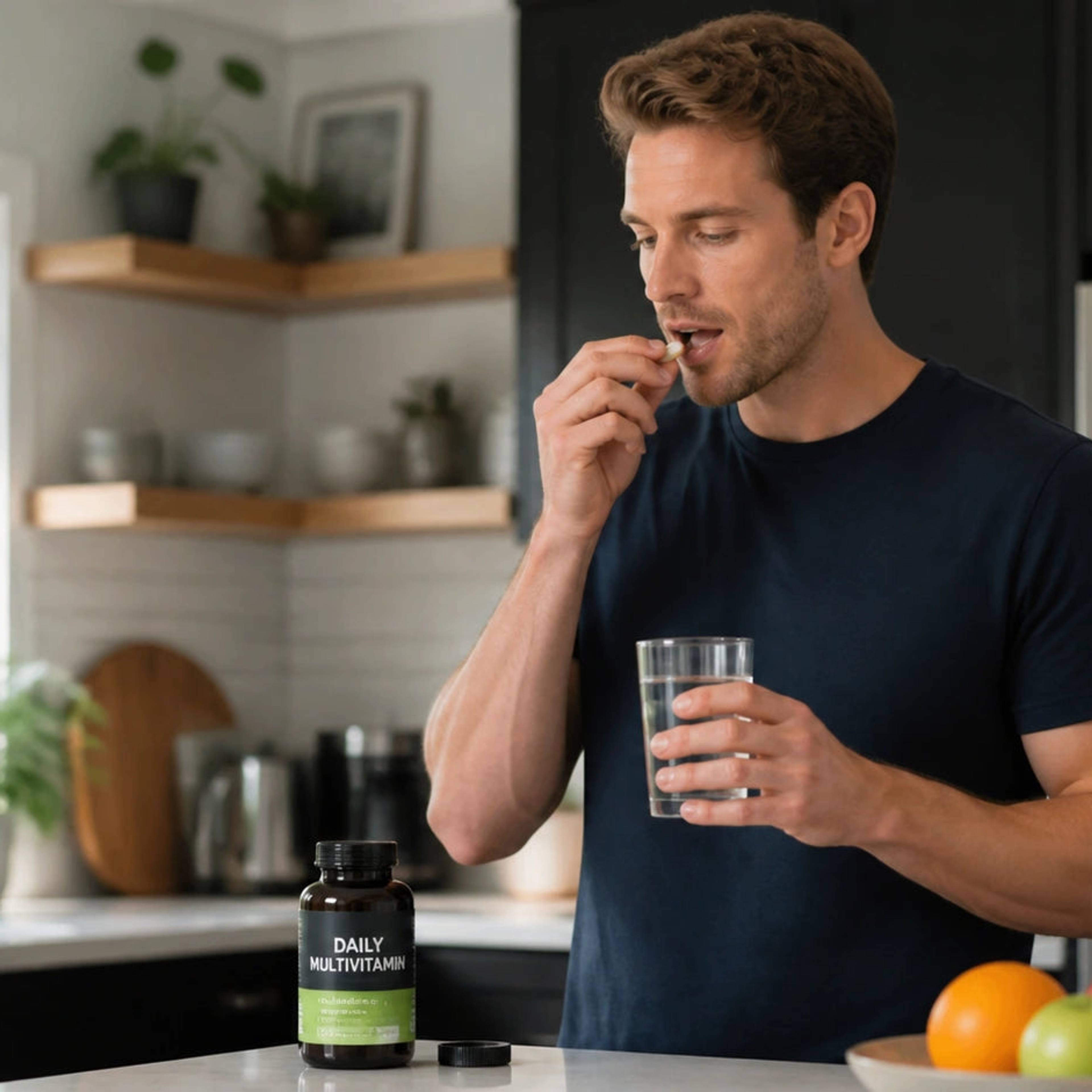
While lifestyle practices like pranayama are foundational, many people look to supplementation to further support their heart health goals. However, not all supplements are created equal. This is where the concept of bioavailability—how well your body can actually absorb and use the nutrients you take—becomes critical.
Many standard vitamins and minerals found in traditional tablets are difficult for the digestive system to break down. This means only a small fraction of the ingredient may actually reach your bloodstream.
Liposomal Delivery and Absorption
We focus on advanced delivery methods to ensure that your body gets the most out of every serving. One of the most effective methods is Liposomal Delivery. A liposome is a tiny, spherical vesicle made of a phospholipid bilayer—the same material that makes up your own cell membranes. By wrapping a nutrient in this protective shell, we can shield it from the harsh environment of the stomach and deliver it directly to the cells where it is needed most.
Supporting Lipids with Purposeful Formulations
If you are using pranayama to support your cholesterol, you might also consider specific nutrients known for their role in cardiovascular wellness. For example, The Omega is designed to provide high-quality essential fatty acids that support healthy heart function. Unlike standard fish oil capsules that can go rancid or absorb poorly, our formula focuses on purity and stability.
Another relevant option is our Metabolic Health formula, which is designed to support the body's natural ability to process fats and sugars. By combining these science-forward supplements with a consistent breathwork practice, you are addressing your wellness from both a physiological and a lifestyle perspective.
Bottom line: Breathwork sets the stage for a calm internal environment, but your body also needs high-quality raw materials. Choosing supplements with high bioavailability ensures those materials are actually absorbed and utilized.
Creating a Sustainable Routine
Consistency is more important than intensity when it comes to pranayama. You do not need to spend an hour a day breathing to see the benefits. In fact, a short, daily practice is often more effective than a long session once a week.
Step 1: Start Small
Dedicate just five minutes every morning or evening to a simple practice like Nadi Shodhana. This helps build the habit without feeling overwhelming.
Step 2: Time it Right
Many people find that practicing pranayama on an empty stomach is most comfortable. Try doing it first thing in the morning or a few hours after dinner.
Step 3: Pair with Movement
If you already have an exercise routine, consider adding five minutes of calming breathwork at the end of your session. This helps transition your body from a state of exertion to a state of recovery.
Step 4: Monitor Your Progress
Notice how you feel throughout the day. Are you reacting more calmly to stress? Is your sleep improving? These are often the first signs that your nervous system is becoming more balanced.
Myth vs. Fact: Pranayama and Cholesterol
There are many claims made about ancient wellness practices, and it is important to distinguish between supported benefits and exaggeration.
Myth: Pranayama can instantly lower high cholesterol.
Fact: Pranayama is a long-term support tool. It works by balancing the systems that manage lipids over time, not by acting as an immediate "cure."
Myth: You need to be a yoga expert to practice these techniques.
Fact: Anyone can benefit from pranayama. The mechanics of breathing are accessible to everyone, regardless of physical flexibility or experience.
Myth: All breathing is the same.
Fact: Different techniques produce different physiological results. Slow, deep breathing calms the system, while fast, rhythmic breathing can energize it.
The Importance of a Holistic Approach
Maintaining healthy cholesterol levels is rarely about doing just one thing. It is the result of a collection of daily choices. Pranayama is a powerful tool, but it works best when integrated into a lifestyle that includes:
- Whole-Food Nutrition: Focus on fiber-rich foods, healthy fats, and lean proteins.
- Consistent Movement: Regular physical activity helps the body utilize fats for energy.
- Quality Sleep: Sleep is when the body performs essential repair and metabolic regulation.
- Smart Supplementation: Using high-bioavailability formulas ensures your body has the nutrients it needs to function at its best.
We are dedicated to providing the tools you need to build this holistic routine. Whether it is through educational content or our transparently sourced products, our goal is to empower you to make informed decisions about your health.
Beyond the Breath: Supporting Metabolic Function
While the focus here is on "does pranayama reduce cholesterol," it is worth noting that your metabolic health is a complex web. Everything from your gut microbiome to your liver function plays a role.
For example, our Liposomal Glutathione formula is designed to support the body’s natural detoxification pathways. Since the liver is the primary site of cholesterol production and regulation, supporting liver health is a logical step for anyone concerned with their lipid profile. By combining liver support with stress-reducing breathwork, you are attacking the challenge from two vital angles: the physical organ and the nervous system that controls it.
Key Takeaway: Think of pranayama as the "software" update for your nervous system, and high-quality supplementation as the "hardware" support for your organs. Together, they create a more resilient body.
Conclusion
Pranayama is a valuable, cost-effective, and accessible tool for anyone looking to support their cardiovascular health. While more large-scale clinical research is needed to definitively state exactly how much it can reduce cholesterol, the connection between stress management and lipid health is well-established. By calming the nervous system and supporting metabolic function, intentional breathing may help you maintain healthy cholesterol levels already within a normal range.
At Cymbiotika, we believe that your wellness journey should be built on a foundation of trust and transparency. We are committed to providing you with the highest quality formulations, designed with bioavailability in mind, so that your efforts in the gym and on the meditation cushion are supported by the best science has to offer.
"Wellness is not a destination, but a series of small, intentional choices made every day. Your breath is the most constant companion in that journey."
To find the best supplements to complement your new breathwork routine, we encourage you to take our Health Quiz. It is designed to provide personalized recommendations based on your unique goals and lifestyle, helping you build a routine that truly works for you.
FAQ
How long does it take for pranayama to show results?
Most people notice a difference in their stress levels and mental clarity within just a few days of consistent practice. For measurable markers like cholesterol, it may take several weeks or months of daily practice, alongside other lifestyle changes, to see a noticeable shift.
Can pranayama replace cholesterol medication?
No, pranayama should not be used as a replacement for any medication prescribed by your healthcare provider. It is intended to be a complementary practice that supports overall wellness. Always consult with your doctor before making changes to your medical treatment plan.
Is it better to practice pranayama in the morning or evening?
Both have benefits. Morning practice can help set a calm tone for the day and jumpstart your metabolism. Evening practice is excellent for releasing the day's stress and preparing the body for restorative sleep. The best time is whichever time allows you to be consistent.
Which pranayama is best for heart health?
Nadi Shodhana (Alternate Nostril Breathing) is often considered the best for heart health because of its direct impact on lowering the heart rate and balancing the autonomic nervous system. Bhramari (Bee Breath) is also highly regarded for its ability to support healthy blood flow through nitric oxide production.
*These statements have not been evaluated by the Food and Drug Administration. This product is not intended to diagnose, treat, cure, or prevent any disease.