Table of Contents
- Introduction
- The Connection Between Stress and Your Eyes
- The Paradox of Dryness and Watery Eyes
- Muscle Tension and Eye Strain
- How the Nervous System Influences Tearing
- Nutritional Support for Eye Health and Stress
- Practical Steps to Manage Watery Eyes
- Why Quality Matters in Supplementation
- Building a Sustainable Wellness Routine
- The Role of Sleep in Eye Moisture
- When to Seek Further Guidance
- How to Choose the Right Support
- Conclusion
- FAQ
Introduction
You are sitting at your desk, finishing a high-pressure project, when you notice your vision getting blurry. You blink, and suddenly your eyes are welling up with tears. You arenât crying, and you donât have allergies, so you wonder why your eyes are suddenly so watery. It turns out that the physical toll of a demanding day can show up in unexpected places, including your tear ducts.
At Cymbiotika, we believe that understanding these subtle body signals is the first step toward better health. Stress is not just a feeling in your head; it is a physiological event that impacts every system in your body. If you are unsure where to start, our Health Quiz can help point you toward a more personalized routine. In this article, we will explore the connection between high-pressure lifestyle factors and eye moisture. We will also discuss how to support your bodyâs natural response to stress through lifestyle changes and high-quality supplementation.
The short answer is that stress can indeed contribute to watery eyes through a variety of biological pathways. Understanding how your nervous system interacts with your eye health can help you build a routine that keeps you feeling clear and focused.
The Connection Between Stress and Your Eyes
When you experience stress, your body enters a state often called the "fight or flight" response. This is managed by the sympathetic nervous system. This system is designed to help you survive a perceived threat by redirecting energy to your muscles and sharpening your senses. However, when this system stays active for too long, it can cause various physical symptoms, including changes in how your eyes produce moisture.
One of the primary ways this happens is through the lacrimal glands. These are the glands responsible for producing the watery part of your tears. Hormones like cortisol and adrenaline, which spike during stressful times, can influence these glands. While some people find their eyes become very dry when they are stressed, others experience the opposite: reflex tearing.
Quick Answer: Yes, stress can cause watery eyes. It often happens because stress dries out the surface of the eye or causes muscle tension, leading the body to overcompensate by producing "reflex tears" to protect the ocular surface.
The Paradox of Dryness and Watery Eyes
It might seem strange that stress can cause both dry eyes and watery eyes. This is actually one of the most common reasons for excess tearing. When you are under a lot of pressure, you might blink less often. This is especially true if your stress is tied to "screen time," such as working on a laptop or scrolling through a phone for hours.
When you don't blink enough, the thin layer of moisture on your eyeâcalled the tear filmâevaporates. This leaves the surface of your eye exposed and irritated. In response, your brain sends an emergency signal to the lacrimal glands to flood the eye with moisture. This results in watery eyes that feel uncomfortable despite the extra fluid.
The Quality of Your Tears
Not all tears are created equal. Your eyes actually produce three different types of tears:
- Basal tears: These stay in your eyes all the time to keep them lubricated and protected.
- Reflex tears: These wash out irritants like smoke, dust, or onion fumes.
- Emotional tears: These are produced in response to strong feelings.
The "stress tears" you experience are often reflex tears. Unlike basal tears, which contain a specific balance of oils, water, and mucus, reflex tears are mostly water. Because they lack the protective oils, they evaporate quickly and don't provide lasting relief. This can create a cycle where your eyes water constantly but never feel truly hydrated.
Muscle Tension and Eye Strain
When we feel stressed, we tend to carry tension in our bodies. You might notice your shoulders rising toward your ears or your jaw clenching. However, you also have tiny muscles around your eyes that react to stress.
Many people squint when they are concentrating or feeling overwhelmed. This chronic tension in the facial muscles can lead to eye strain. When the muscles around the eyes get tired, it can trigger the tear glands. This is your body's way of trying to soothe the fatigue.
Common signs of stress-related eye strain include:
- A heavy feeling in the eyelids
- Frequent blinking or a desire to keep eyes closed
- Occasional twitching of the eyelid (myokymia)
- Watering that occurs mostly in the afternoon or evening
Key Takeaway: Watery eyes during stressful periods are often a sign of "reflex tearing." Your body is trying to compensate for a lack of high-quality, oily tears by flooding the eye with water.
How the Nervous System Influences Tearing
The relationship between your mind and your eyes is managed by the autonomic nervous system. This system has two branches: the sympathetic (active/stressed) and the parasympathetic (rest/digest).
Proper tear production is generally a "rest and digest" function. When you are relaxed, your body can focus on maintaining the health of your mucosal membranes, including those in your eyes. When the sympathetic nervous system takes over, these maintenance tasks are often deprioritized.
This shift can lead to an imbalance in the tear film. If you find your eyes watering during a presentation or a difficult conversation, it may be your nervous system reacting to the sudden shift in your internal environment. Finding ways to move back into a relaxed state can often help regulate this response.
Nutritional Support for Eye Health and Stress
What you put into your body plays a significant role in how it handles stress. If your diet lacks the building blocks for healthy tear production or nervous system support, you may be more prone to physical symptoms like watery eyes.
Omega-3 Fatty Acids
The tear film needs a healthy layer of oil to prevent the water from evaporating. This oil is produced by the meibomian glands in your eyelids. Omega-3 fatty acids are essential for the health of these glands. We offer The Omega, which is designed to support the body's natural inflammatory response and provide the essential fats needed for healthy eyes and brain function.
When choosing a supplement for eye health, the form matters. Most standard fish oil capsules have poor absorption rates. We use a delivery method designed for bioavailabilityâwhich is the measure of how much of a nutrient your body can actually absorb and use. Without high bioavailability, you are often just wasting your money on ingredients that pass right through your system.
Magnesium for Muscle Relaxation
As mentioned earlier, muscle tension is a major contributor to stress-related eye issues. Magnesium is a mineral that helps the muscles and the nervous system relax. If you are low on magnesium, you might experience more twitching or strain in the muscles around your eyes.
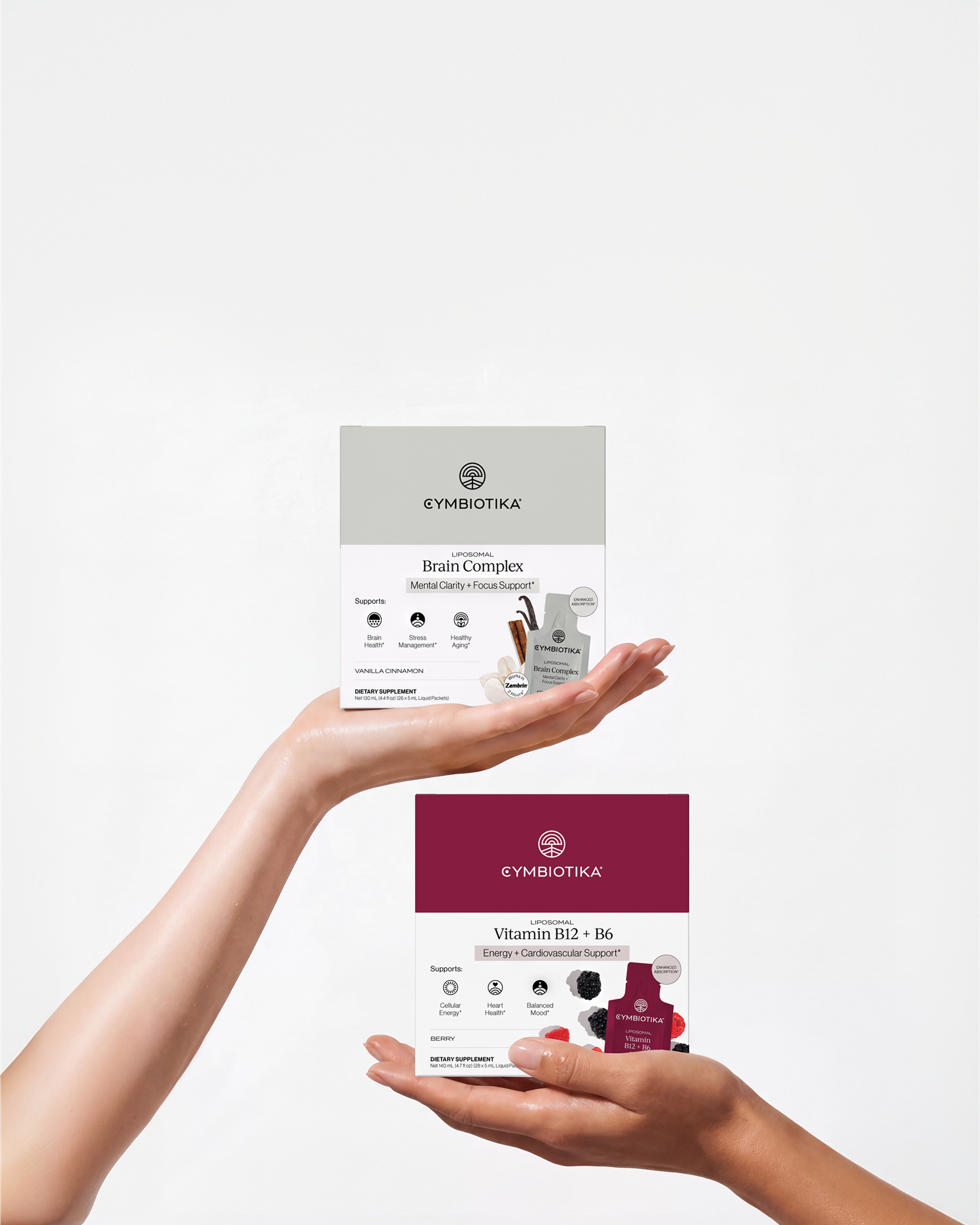
Our Magnesium Complex is formulated to support a calm nervous system and healthy muscle function. By helping your body move out of that "fight or flight" state, you may find that your eyes feel less strained and more comfortable.
The Role of Antioxidants
Stress increases oxidative pressure on the body. This can impact the delicate tissues of the eyes. Vitamin C is a powerful antioxidant that helps protect cells from this pressure.
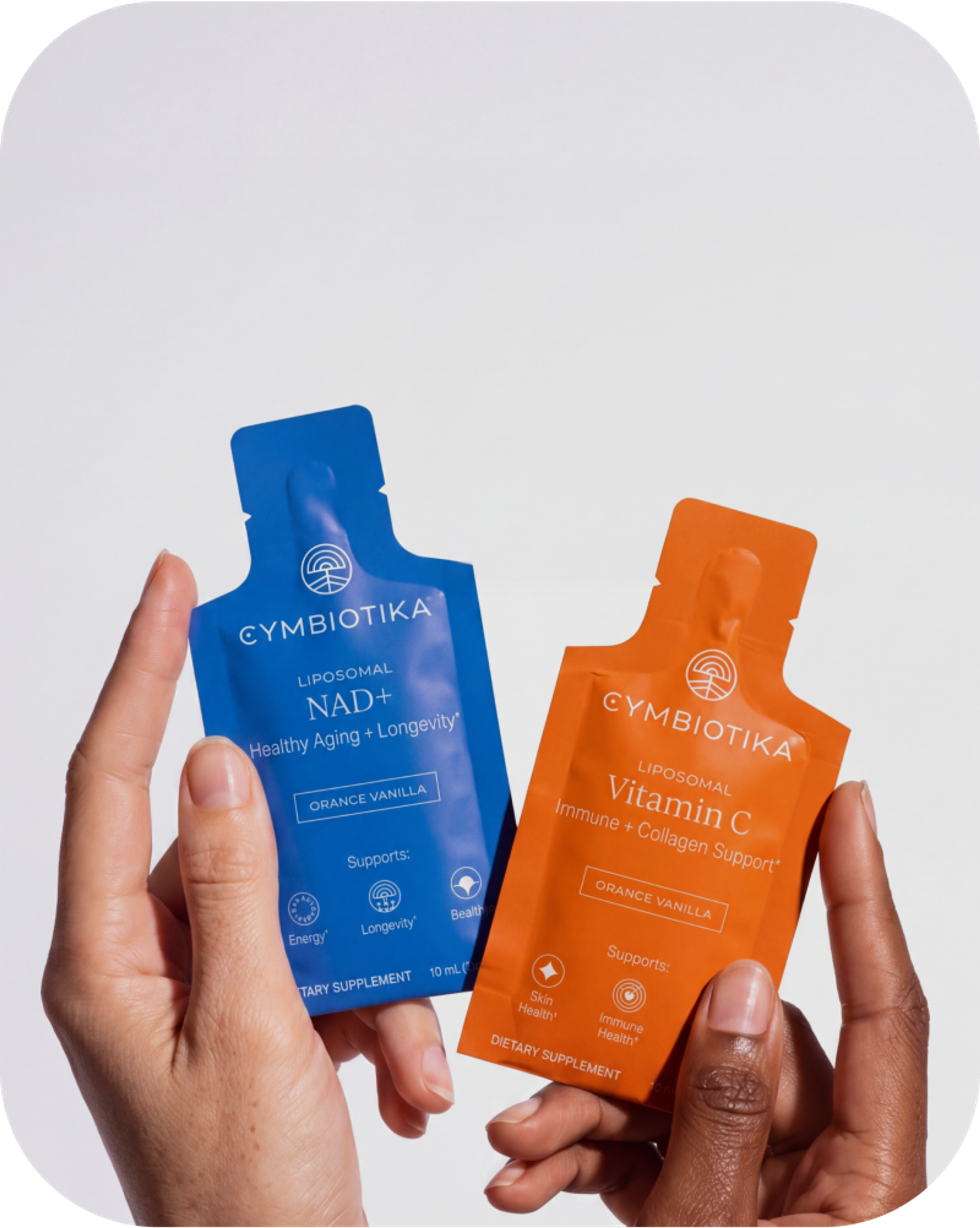
However, standard Liposomal Vitamin C is often poorly absorbed by the gut. Our liposomal formula uses a phospholipid bilayerâa tiny bubble made of the same material as your cell membranes. This bilayer protects the vitamin as it passes through the digestive tract, allowing it to reach the cells where it is needed most. This is a prime example of why we prioritize advanced delivery systems in everything we create.
Practical Steps to Manage Watery Eyes
While supplementation can provide the internal foundation for health, daily habits are equally important. If you are struggling with watery eyes due to stress, consider these practical adjustments:
Step 1: Use the 20-20-20 Rule Every 20 minutes, look at something 20 feet away for at least 20 seconds. This allows the muscles in your eyes to relax and encourages a full blink, which redistributes the tear film.
Step 2: Check Your Hydration Your body cannot produce healthy tears if you are dehydrated. Drinking enough water throughout the day is the simplest way to support eye moisture.
Step 3: Practice Mindful Breathing When you feel the physical symptoms of stress starting to rise, take three deep, slow breaths. This sends a signal to your brain to move from the sympathetic nervous system back to the parasympathetic system. This can help normalize tear production.
Step 4: Audit Your Environment Is there a fan blowing directly on your face? Is the air in your office very dry? Environmental factors can aggravate stress-related eye issues. Using a humidifier or adjusting your desk setup can make a meaningful difference.
Why Quality Matters in Supplementation
When you are looking for ways to support your body, it is easy to get overwhelmed by the options available. Not all supplements are created equal. In fact, many standard vitamins use synthetic fillers and low-quality ingredients that the body struggles to recognize.
We take a different approach. Our focus is on transparency and high-quality sourcing. Every product we design starts with the question: "How can we make sure the body actually absorbs this?" This is why we utilize liposomal delivery for many of our formulas.
A liposomal delivery system acts like a delivery truck for nutrients. It protects the active ingredients from being broken down by stomach acid. This means more of the nutrient reaches your bloodstream and your cells. To learn more, explore All About Liposomes. When you invest in your wellness, you deserve to know that the products you choose are designed to work at a cellular level.
Building a Sustainable Wellness Routine
Managing stress is not a one-time event; it is a daily practice. Watery eyes are just one way your body might be telling you that itâs time to slow down and replenish your resources. By combining better habits with science-backed supplementation, you can build a routine that supports your long-term vitality.
Consistency is key. Your body responds better to small, daily acts of care than to occasional, intense changes. Whether itâs taking your Magnesium Complex every night or committed to a daily walk, these small habits add up over time.
| Supplement Goal | Key Nutrient | Why Bioavailability Matters |
|---|---|---|
| Eye Surface Health | Omega-3s | Essential for the oily layer of tears; needs high-quality sourcing for purity. |
| Muscle Relaxation | Magnesium | Supports the nervous system; liposomal/complex forms prevent digestive upset. |
| Cellular Protection | Vitamin C | Protects eye tissue from oxidative stress; liposomal delivery ensures absorption. |
| Overall Vitality | Shilajit | Provides trace minerals for cellular energy and stress resilience. |
The Role of Sleep in Eye Moisture
Sleep is the ultimate time for your body to repair itself. During deep sleep, your eyes are closed and protected, allowing the tear film to replenish without interruption. Stress often interferes with sleep, creating a cycle that leaves your eyes feeling tired and watery the next day.
If you struggle to get restful sleep, your eyes may not have the chance to recover from the day's strain. Our Sleep Supplements collection is a helpful place to look if your goal is to build a more consistent nighttime routine. Our Liposomal Sleep Complex is designed to support the bodyâs natural sleep cycle without the grogginess associated with standard sleep aids. By supporting better rest, you are giving your eyes the time they need to maintain a healthy moisture balance.
Key Takeaway: A holistic approach to stressâincorporating rest, hydration, and high-bioavailability nutrientsâis the most effective way to address physical symptoms like watery eyes.
When to Seek Further Guidance
While stress is a common cause of watery eyes, it is not the only one. If you experience sudden changes in your vision, pain in the eye, or persistent redness, it is important to consult a healthcare professional. They can help rule out other factors like blockages in the tear ducts or specific sensitivities.
It is also a good idea to talk to your doctor before starting any new supplement routine, especially if you are taking medication. We believe in empowering you with information, but your individual health needs are unique.
How to Choose the Right Support
If you are ready to take control of your wellness but aren't sure where to start, we have tools to help. Understanding which nutrients your body needs most can be a complex process. If you want a more guided starting point, our Immune Defense Supplements collection and other curated options can help you narrow your focus. Our goal is to make that journey simpler and more transparent.
We suggest starting with the basics: hydration, stress management, and a focus on nutrient absorption. From there, you can layer in specific support based on your lifestyle. Whether you are dealing with a demanding job, a busy family life, or physical performance goals, there is a way to support your body through the pressure.
Conclusion
Watery eyes are a common, though often frustrating, physical response to stress. Whether itâs caused by the paradox of dry eyes, muscle tension, or a nervous system in "fight or flight" mode, it is a signal from your body that deserves attention. By addressing the root causesâlike lack of moisture, high oxidative stress, and muscle fatigueâyou can find relief and support your overall well-being.
At Cymbiotika, we are dedicated to helping you navigate these challenges with products that you can trust. We combine the best of nature with advanced science to ensure that your body gets the support it needs in a form it can actually use. Our commitment to transparency means you never have to guess what is in your supplements or how they were made.
- Prioritize absorption: Look for liposomal delivery and high-bioavailability formulas.
- Support your nervous system: Use magnesium and mindful breathing to move out of "fight or flight" mode.
- Protect your eyes: Practice the 20-20-20 rule and stay hydrated.
- Build a routine: Consistency is the foundation of lasting wellness.
"Wellness is not just the absence of symptoms; it is the presence of vitality and the ability of your body to adapt to the world around you."
If you are curious about which products might be best for your specific needs, we invite you to take our Health Quiz. It is designed to provide personalized recommendations based on your goals and lifestyle, helping you build a routine that fits you perfectly.
FAQ
Can anxiety lead to watery eyes?
Yes, feelings of anxiety can trigger the sympathetic nervous system, which may affect tear production. Anxiety often leads to physical symptoms like muscle tension and shallow breathing, both of which can indirectly cause the eyes to strain and water as a reflex response.
Why do my eyes water when I am tired?
When you are tired, the muscles that control your eyes have to work harder to stay focused, leading to strain. Additionally, your tear film may begin to break down after a long day, causing the brain to trigger "reflex tears" to keep the surface of the eye lubricated.
How can I stop my eyes from watering during stress?
The most effective way is to address the underlying stress through deep breathing and short breaks from screens. Using the 20-20-20 rule and ensuring you are getting high-quality nutrients like Omega-3s and Magnesium can also help support the health of your tear film and relax the surrounding muscles.
Does cortisol affect tear production?
Cortisol is a primary stress hormone that can impact many bodily functions, including the health of your mucosal membranes. High levels of cortisol over a long period can lead to imbalances in the body that may manifest as either excessively dry or excessively watery eyes.
*These statements have not been evaluated by the Food and Drug Administration. This product is not intended to diagnose, treat, cure, or prevent any disease.