Table of Contents
- Introduction
- The Impact of Acute Gut Disruption
- Understanding Probiotics and Timing
- Why Bioavailability is the Deciding Factor
- Specific Strains for Post-Viral Recovery
- Beyond Probiotics: A Holistic Recovery Routine
- Choosing the Right Supplement
- Building a Resilient Future
- Conclusion
- FAQ
Introduction
Recovering from a sudden bout of digestive distress often leaves you feeling depleted and out of balance. Once the worst of the symptoms pass, the immediate focus usually shifts to how you can get your system back to normal. Many people reach for fermented foods or supplements, wondering if adding beneficial bacteria back into the mix is the right move. At Cymbiotika, we believe that understanding the "how" and "why" behind your recovery is the first step toward lasting wellness, and our Gut Health collection is a natural place to explore support.
This article explores the role of beneficial microbes in the aftermath of acute gut disruption. We will look at what the science says about timing, the importance of specific strains, and why the delivery method of your supplement matters more than the milligram count on the label. While the body is resilient, supporting the delicate environment of your microbiome after a significant "flush" requires a thoughtful, informed approach.
Quick Answer: While research is mixed on whether probiotics can shorten the duration of active symptoms, they are highly regarded for supporting the restoration of the gut microbiome during the recovery phase. Using high-quality, bioavailable probiotics may help replenish beneficial bacteria and support long-term digestive comfort.
The Impact of Acute Gut Disruption
When your digestive system experiences a sudden "storm," it does more than just lose fluids. The process of rapid elimination is the body's way of clearing out unwanted pathogens. However, this natural defense mechanism does not discriminate between harmful invaders and the beneficial bacteria that call your gut home. This often results in a state of temporary imbalance, where the diversity of your microbiome is significantly reduced.
The gut microbiome is a complex ecosystem of trillions of microbes. These organisms are responsible for much more than just digestion. They play a critical role in immune function, nutrient absorption, and even mood regulation. When this ecosystem is disrupted, you might experience lingering fatigue, occasional bloating, or a general sense that your digestion is not quite right. Supporting the "re-seeding" of this environment is a vital part of the recovery process, and our guide to gut microbiome health offers a helpful overview.
The recovery window is the period immediately following the cessation of symptoms. This is when your gut lining is most sensitive and your microbial diversity is at its lowest. Many people find that their appetite returns before their digestive capacity does. Introducing the right support during this time can help bridge the gap between feeling "better" and actually being restored to full health.
Understanding Probiotics and Timing
A common question is whether you should start taking probiotics while you are still actively ill. Recent clinical studies, including notable research published in the New England Journal of Medicine, suggest that taking probiotics during the peak of a stomach virus may not significantly shorten the duration of vomiting or diarrhea. However, these studies often look at very specific outcomes and may not account for the long-term protection of the gut environment. If you want a practical walkthrough, read How Do You Take Probiotics for Optimal Gut Health?.
There is a distinction between "treating" an active issue and "restoring" the system afterward. While a supplement might not be a "quick fix" for active symptoms, its value lies in what happens next. Think of your gut like a garden that has just weathered a flood. The flood may have washed away the weeds, but it also took the topsoil and the beneficial plants with it. Probiotics act as the new seeds you plant to ensure the garden grows back healthy and balanced.
Consistency over intensity is the key to gut restoration. It is often more effective to introduce a high-quality, bioavailable probiotic once your system has stabilized. This allows the beneficial bacteria to actually take up residence in the gut lining rather than being flushed out by the body’s active defense mechanisms. Results vary, and it is always a good idea to listen to your body's cues as you reintroduce supplements.
The Role of Post-Infectious Support
For some individuals, the disruption of a stomach bug can lead to lingering sensitivity. This is sometimes referred to as post-infectious digestive imbalance. Research suggests that the presence of certain toxins during an infection can alter the way the gut functions long after the virus is gone. By introducing beneficial microbes early in the recovery phase, you may help maintain the integrity of the gut barrier and support a more stable return to normalcy.
Key Takeaway: Probiotics may not stop active stomach flu symptoms immediately, but they are essential for rebuilding microbial diversity and supporting the gut lining during the critical recovery window.
Why Bioavailability is the Deciding Factor
Most standard probiotic capsules never actually reach their destination. The human stomach is an incredibly acidic environment designed to break down food and kill off potential pathogens. Unfortunately, this acid often destroys the very bacteria intended to help you. If the "good" bacteria are dead before they reach the small or large intestine, the supplement cannot provide the support you are looking for.
Bioavailability is the measure of how much of a substance actually enters your circulation and reaches the target site. In the world of gut health, this means the bacteria must survive the journey through the stomach. We focus on advanced delivery systems to ensure that what is on the label actually makes it to your gut, and Liposomal Delivery explains why that matters. Without a protective delivery mechanism, even the most expensive probiotic may offer little more than a placebo effect.
Liposomal delivery and specialized encapsulation are designed to close this gap. Liposomal technology involves wrapping the active ingredients in a layer of phospholipids—the same material that makes up your cell membranes. This allows the supplement to bypass the harsh environment of the stomach and deliver the contents directly to the intestinal tract where they are needed most.
Comparing Probiotic Delivery Methods
| Feature | Standard Capsules | Liposomal/Advanced Delivery |
|---|---|---|
| Survival Rate | Low (often destroyed by stomach acid) | High (protected through the stomach) |
| Targeting | General release | Targeted to the intestinal tract |
| Absorption | Variable and often poor | Designed for cellular-level uptake |
| Purity | Often contains synthetic fillers | Clean, transparent formulations |
Specific Strains for Post-Viral Recovery
Not all probiotics are created equal. Different strains of bacteria serve different functions in the body. When you are recovering from a major gut disruption, you want strains that are known for their resilience and their ability to support the gut barrier. It is not just about the number of "colony forming units" (CFUs); it is about the quality and specific purpose of the strains included.
Saccharomyces boulardii is a unique probiotic yeast. Unlike bacterial probiotics, S. boulardii is naturally resistant to stomach acid and even many antibiotics. Research has shown that it can be particularly helpful in supporting the body during and after episodes of diarrhea. It works by supporting the production of enzymes in the gut and helping to neutralize certain toxins.
Lactobacillus rhamnosus and Bifidobacterium longum are also highly valued. These strains are well-documented for their role in immune support and maintaining the mucosal lining of the gut. A diverse blend of these strains can help cover more ground, ensuring that different parts of your digestive tract receive the support they need to recalibrate.
Bottom line: Focus on the quality of the strains and the delivery technology rather than just the CFU count. Resilient strains like S. boulardii are often more effective for post-illness recovery.
Beyond Probiotics: A Holistic Recovery Routine
While probiotics are a major piece of the puzzle, they work best as part of a broader strategy. Your gut environment needs more than just bacteria; it needs the right nutrients to repair the physical lining and the minerals to restore cellular hydration. A "bottom-up" approach to wellness ensures that you are not just masking symptoms but building a foundation for future health.
Step 1: Prioritize Mineral Replenishment
When you lose fluids, you also lose vital electrolytes and trace minerals. Standard water is often not enough to fully rehydrate the cells. Our Pürblack Pure Mineral Shilajit Live Resin is a powerful tool for this phase. It contains over 84 trace minerals and fulvic acid, which may help support the body’s natural energy levels and mineral balance after a period of depletion.
Step 2: Support the Gut Lining
The physical barrier of your gut can become "leaky" or inflamed during an illness. Supporting the mucosal lining is just as important as re-seeding the bacteria. Liquid Colostrum is an excellent addition to a recovery routine. It is rich in immunoglobulins and growth factors that are designed to help support the integrity of the gut wall, providing a healthy "soil" for your new probiotic "seeds" to grow in.
Step 3: Re-Seed with Intention
Once you have started to replenish minerals and support the gut lining, introduce a high-quality probiotic. Our Probiotic is designed with bioavailability in mind, using a delivery system that ensures the live cultures reach the lower digestive tract. By taking it consistently, you help establish a stable microbiome that can better defend against future challenges.
Step 4: Gentle Nutrition
Give your digestive system a break while it rebuilds. Focus on "warm and wet" foods like bone broths, steamed vegetables, and simple proteins. Avoid heavy fats, processed sugars, and excessive caffeine for the first few days of recovery. This allows your body to divert its energy toward repair rather than difficult digestion.
Choosing the Right Supplement
Transparency and sourcing should be your top priorities when selecting a supplement. Many products on the market contain hidden fillers, synthetic flow agents like magnesium stearate, or GMO ingredients. These unnecessary additions can sometimes further irritate a sensitive gut. You deserve to know exactly what is going into your body, especially when you are in a vulnerable state of recovery.
Look for third-party testing. This ensures that the product contains what it claims to contain and is free from contaminants like heavy metals or mold. At Cymbiotika, we take pride in our rigorous testing standards and our commitment to using only the cleanest, most effective ingredients. We believe that a supplement should empower you, not leave you guessing about its safety or efficacy.
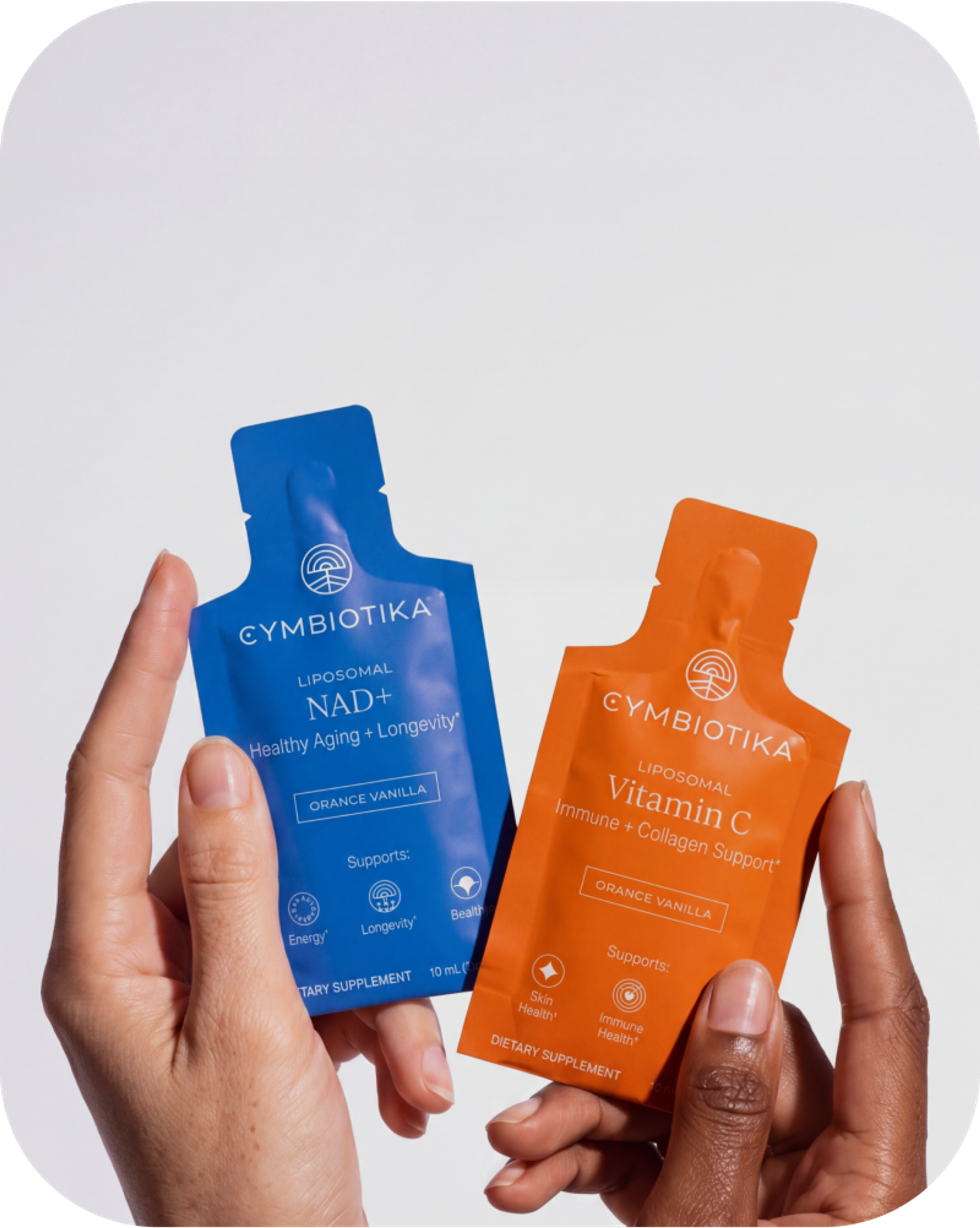
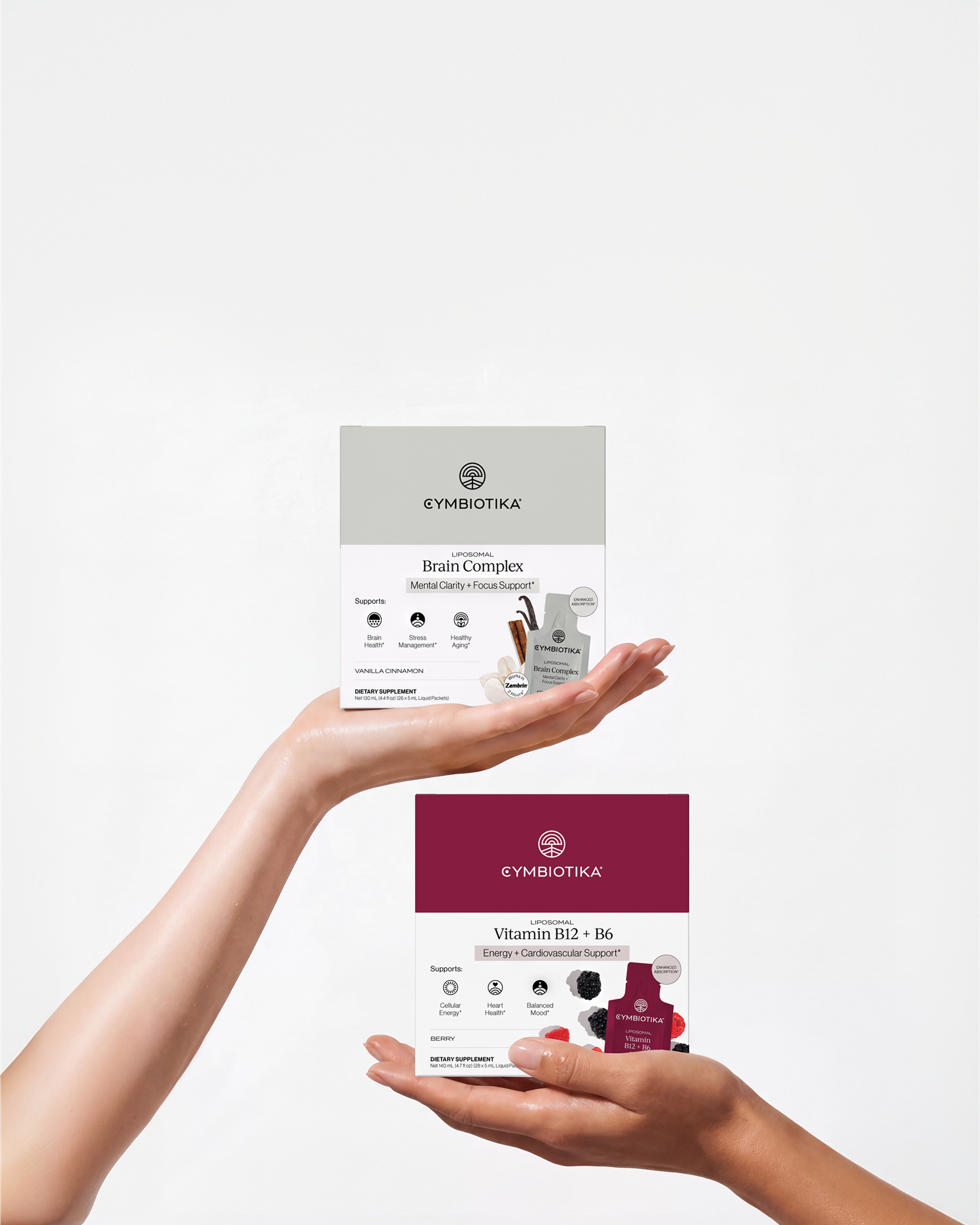
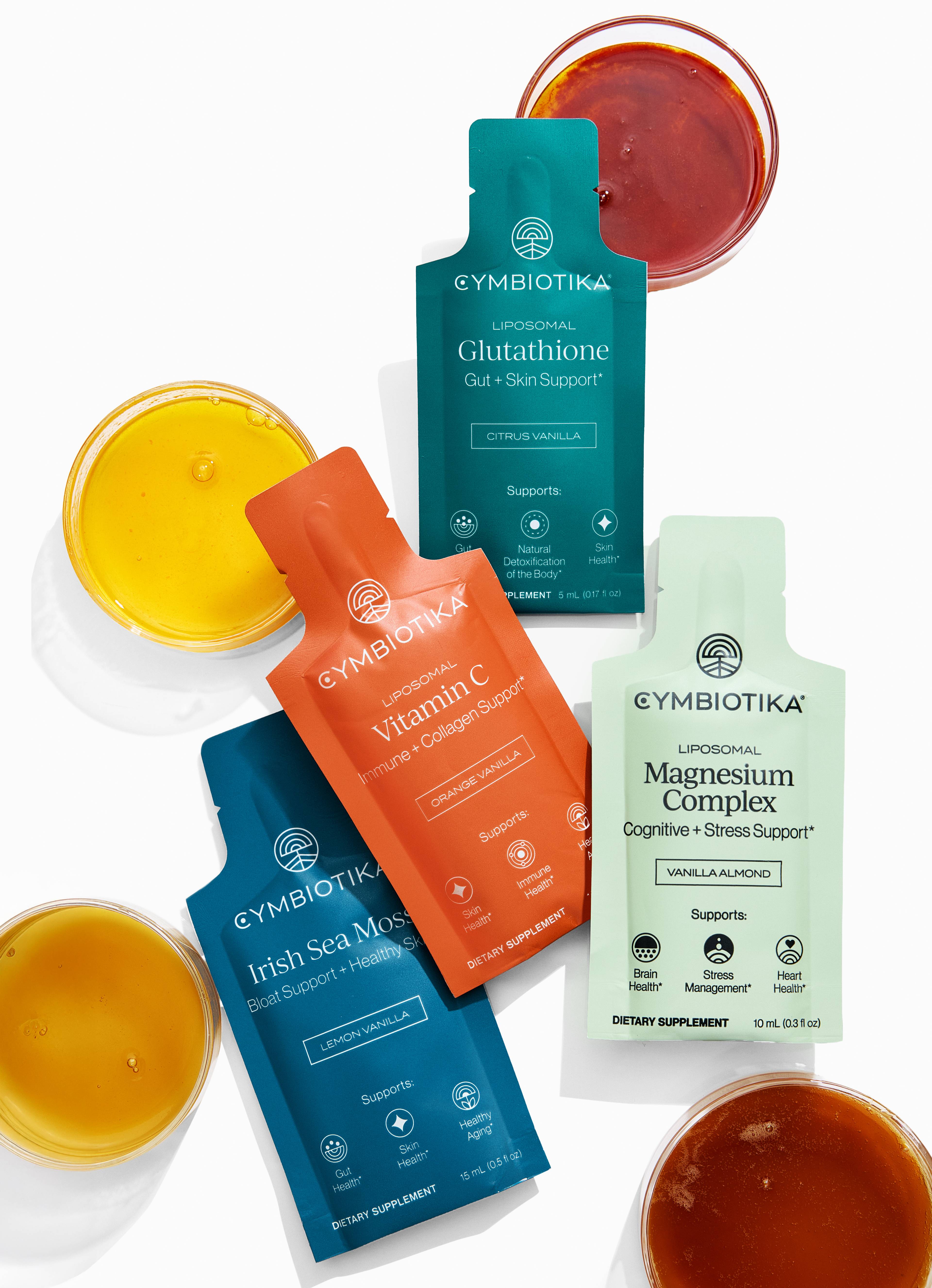
The format of the supplement also matters. Liquids and liposomal pouches often offer a higher degree of absorption and are easier on a sensitive stomach than large, dry tablets. Liposomes 101 is a helpful explainer on the role of delivery.
Myth: All probiotics are the same as long as they have high CFU counts. Fact: Bioavailability and strain specificity matter much more than total numbers. A protected 10 billion CFU dose is more effective than an unprotected 50 billion CFU dose that dies in the stomach.
Building a Resilient Future
Wellness is not a destination; it is a daily practice. While a stomach bug is a temporary setback, it can also serve as a reminder of how important gut health is to our overall well-being. Once you have navigated the recovery phase, the goal should be to maintain a resilient microbiome that can handle whatever life throws your way. This involves a combination of diverse nutrition, stress management, and a consistent supplement routine that prioritizes absorption.
Consistency is the secret to long-term gut health. Many people take probiotics for a week and then stop once they feel better. However, the microbiome is constantly shifting. Regular support helps ensure that the "good guys" remain the dominant force in your gut. This may support more than just digestion; many people find that a healthy gut leads to clearer skin, more stable energy throughout the day, and a stronger immune response during the changing seasons. If you want a deeper dive on that ecosystem, our article on healthy gut microbiome is a useful companion read.
Our mission is to provide you with the tools to take control of your health. By focusing on high-quality sourcing and science-forward delivery systems, we aim to make wellness accessible and effective. You are the architect of your own health journey, and we are here to provide the blueprints and the high-quality materials you need to build something lasting.
Conclusion
Are probiotics good after stomach flu? The short answer is yes, provided you choose the right ones. While they may not be a "cure" for active symptoms, their role in the recovery phase is backed by the logic of microbial balance. By focusing on bioavailable formulas, supporting the gut lining with colostrum, and replenishing minerals with shilajit, you can help your body bounce back with greater ease.
- Prioritize Bioavailability: Ensure your probiotic can survive stomach acid.
- Focus on Recovery: Use the window after symptoms stop to re-seed and repair.
- Mineral Support: Don't forget to replenish the trace minerals lost during illness.
- Listen to Your Body: Reintroduce foods and supplements slowly and mindfully.
"The gut is the foundation of our health. Supporting its recovery after disruption is not just about comfort; it’s about restoring the balance that allows every other system in the body to thrive."
If you are unsure where to start with your recovery routine, we recommend taking our Health Quiz. This tool is designed to provide personalized recommendations based on your unique goals and current wellness needs, helping you build a stack that you can actually trust.
FAQ
Should I take probiotics while I have a stomach virus?
While taking probiotics during an active infection is generally considered safe, some studies suggest they may not significantly shorten the duration of symptoms like vomiting. However, starting them early may help the microbiome begin its recovery process sooner. It is often most effective to continue or start a high-quality probiotic once you can keep fluids down consistently.
Which probiotic strain is best for recovering from diarrhea?
Saccharomyces boulardii is one of the most researched and effective strains for supporting the gut during and after diarrheal episodes. Because it is a yeast, it is naturally more resilient to the harsh environment of an upset digestive tract. Strains from the Lactobacillus and Bifidobacterium families are also beneficial for rebuilding general gut diversity.
How soon after being sick can I start my supplements again?
Most people can resume their routine as soon as they are able to tolerate liquids and simple foods without nausea. It is often helpful to start with minerals and gut-lining support, like shilajit or colostrum, before reintroducing more complex formulas. Always start with a smaller dose to see how your system responds.
Can I get enough probiotics from yogurt after being sick?
While yogurt and fermented foods contain beneficial bacteria, they often do not provide the concentration or the variety of strains needed to fully restore a disrupted microbiome. Additionally, many commercial yogurts are high in sugar, which can irritate a sensitive gut. A high-quality, bioavailable supplement ensures you are getting a therapeutic dose without unnecessary additives.
*These statements have not been evaluated by the Food and Drug Administration. This product is not intended to diagnose, treat, cure, or prevent any disease.