Table of Contents
- Introduction
- What Is Metabolism Really?
- Refined Sugars and High-Fructose Corn Syrup
- Ultra-Processed Grains and Flour
- Industrial Seed Oils and Trans Fats
- Artificial Sweeteners and the Gut Microbiome
- Alcohol and Metabolic Prioritization
- Why Nutrient Bioavailability Matters
- Hidden Metabolism Killers: Chronic Under-Eating
- How to Support a Healthy Metabolic Rate
- Actionable Steps for Metabolic Support
- The Role of Gut Health in Metabolism
- Daily Routine for a Resilient Metabolism
- Conclusion
- FAQ
Introduction
You may have noticed that some days you feel vibrant and energized, while other days feel like an uphill battle against fatigue and sluggishness. Often, the difference lies in how your body processes energy. Metabolism is the complex series of chemical processes that convert what you eat and drink into the energy your body needs to function. While we often think of it as a single "speed," metabolism is actually a dynamic system influenced by many factors, including genetics, age, muscle mass, and most importantly, your daily habits.
At Cymbiotika, we believe that understanding the "why" behind your health is the first step toward lasting wellness. Many people search for the specific foods that act as "metabolism killers," hoping to pinpoint the culprits behind weight shifts or low energy levels. While no single food can permanently "kill" your metabolism, certain dietary choices can certainly slow it down, disrupt your hormonal balance, and make it harder for your body to burn fuel efficiently.
This article will explore the specific types of foods and ingredients that may hinder your metabolic rate. We will look at the science of insulin resistance, the impact of ultra-processed ingredients, and how your gut health plays a starring role in energy production. If you want a broader look at how Cymbiotika approaches energy support, start with our Best Natural Energy Supplements collection. By the end, you will have a clear roadmap for choosing foods that support your metabolic fire rather than putting it out.
What Is Metabolism Really?
Before we identify the "killers," it is helpful to define what metabolism actually is. Most people use the word to describe how fast they burn calories, but it is much broader than that. Metabolism includes two main activities: anabolism (building up tissues and energy stores) and catabolism (breaking down molecules to release energy).
Your total daily energy expenditure (TDEE) is made up of three main parts. First is your Basal Metabolic Rate (BMR), which is the energy your body uses just to keep your heart beating and your lungs breathing while at rest. Second is the Thermic Effect of Food (TEF), which is the energy required to digest, absorb, and process the nutrients you eat. Third is your physical activity, which includes both intentional exercise and "NEAT" (Non-Exercise Activity Thermogenesis), like walking to your car or fidgeting.
When we talk about foods that "kill" metabolism, we are usually talking about foods that lower your TEF, disrupt the hormones that regulate hunger and fat storage, or cause cellular stress that makes energy production less efficient.
Refined Sugars and High-Fructose Corn Syrup
Refined sugar is perhaps the most well-known metabolic disruptor. When you consume large amounts of added sugar, especially in liquid form like sodas or sweetened coffees, your blood glucose levels spike rapidly. In response, your pancreas pumps out a large amount of insulin to move that sugar into your cells.
Over time, if these spikes happen too often, your cells can become less responsive to insulin. This is known as insulin resistance. When your body is resistant to insulin, it struggles to use glucose for energy, and instead, it tends to store that energy as fat. This creates a cycle where you feel tired because your cells aren't getting fuel, leading you to crave more sugar for a quick "pick-me-up."
The Fructose Factor
High-fructose corn syrup (HFCS) is particularly troublesome for the metabolism. Unlike glucose, which can be used by almost every cell in your body, fructose is primarily processed in the liver. When the liver is overwhelmed by too much fructose, it converts the excess into fat. This can lead to a sluggish liver, which is a major metabolic organ responsible for filtering toxins and managing nutrient distribution.
Key Takeaway: High sugar intake leads to frequent insulin spikes, which can eventually signal the body to store energy rather than burn it, effectively slowing down your metabolic efficiency.
Ultra-Processed Grains and Flour
Refined grains, such as white bread, white pasta, and sugary cereals, have been stripped of their fiber and germ. Fiber is a critical component of metabolic health because it slows down the absorption of sugar into the bloodstream and increases the Thermic Effect of Food. It takes more work for your body to break down whole, fiber-rich grains than it does to process refined flour.
When you eat "white" carbohydrates, your body processes them almost as quickly as pure sugar. This results in the same insulin spikes mentioned earlier. Furthermore, because these foods lack nutrients, they often leave you feeling hungry shortly after eating. This leads to overconsumption, which further taxes your metabolic pathways.
The Problem with Low TEF
The Thermic Effect of Food (TEF) accounts for about 10% of your daily calorie burn. Whole foods—like lean proteins, vegetables, and whole grains—have a high TEF because the body has to work hard to break them down. Ultra-processed foods are "pre-digested" by machines during manufacturing. When you eat them, your body uses very little energy to process them, meaning your net energy expenditure for that meal is lower.
Industrial Seed Oils and Trans Fats
The types of fats you eat play a major role in cellular health. Industrial seed oils, such as soybean, corn, cottonseed, and canola oil, are high in omega-6 fatty acids. While we need some omega-6s, the modern diet is often overloaded with them, creating an imbalance with omega-3 fatty acids.
This imbalance can lead to systemic oxidative stress—a state where there are too many unstable molecules (free radicals) in the body and not enough antioxidants to neutralize them. Oxidative stress can damage the mitochondria, which are the "powerhouses" of your cells where energy is actually produced. If your mitochondria are not functioning well, your metabolism cannot perform at its peak.
Trans Fats and Metabolic Pausing
Artificial trans fats, often found in fried foods and shelf-stable baked goods, are even more damaging. These fats are structurally different from the fats found in nature. The body struggles to process them, and they have been shown to contribute to inflammation and insulin resistance. Even small amounts can interfere with how your cells communicate, making it harder for metabolic hormones to do their jobs.
Artificial Sweeteners and the Gut Microbiome
Many people switch to "diet" or "sugar-free" versions of foods to save calories, thinking this will help their metabolism. However, research suggests that artificial sweeteners—like aspartame, saccharin, and sucralose—may have an unintended negative effect on metabolic health.
The primary concern is the gut microbiome. These sweeteners may alter the balance of bacteria in your digestive tract. Your gut bacteria play a massive role in how you harvest energy from food and how your body regulates blood sugar. When the microbiome is out of balance, it can lead to metabolic dysfunction and even increased glucose intolerance. For a deeper look at how digestion and energy are connected, explore our article on Understanding Metabolism.
Myth: Zero-calorie sweeteners are a "free" way to satisfy a sweet tooth without affecting your metabolism. Fact: These substances can disrupt gut bacteria and may actually lead to increased cravings and metabolic confusion.
Alcohol and Metabolic Prioritization
Alcohol is often called "empty calories," but its effect on metabolism goes beyond just the calorie count. The body views alcohol as a toxin, and because it cannot be stored, the liver prioritizes breaking it down over everything else.
When you drink alcohol, your body pauses other metabolic processes, including fat oxidation (burning fat for fuel). While your liver is busy processing the ethanol, the calories from the food you ate alongside the drink are much more likely to be stored as fat. Additionally, alcohol can disrupt sleep quality and lower growth hormone levels, both of which are essential for a healthy metabolic rate the following day.
Why Nutrient Bioavailability Matters
When discussing metabolism, we must discuss how well your body absorbs the nutrients it needs to run those chemical reactions. Most standard supplements and even some "fortified" foods use low-quality forms of vitamins that pass through your system without being absorbed. Bioavailability refers to the proportion of a nutrient that enters the circulation when introduced into the body and is so able to have an active effect. If you want a closer look at how Cymbiotika thinks about this topic, our All About Liposomes page is a helpful place to start.
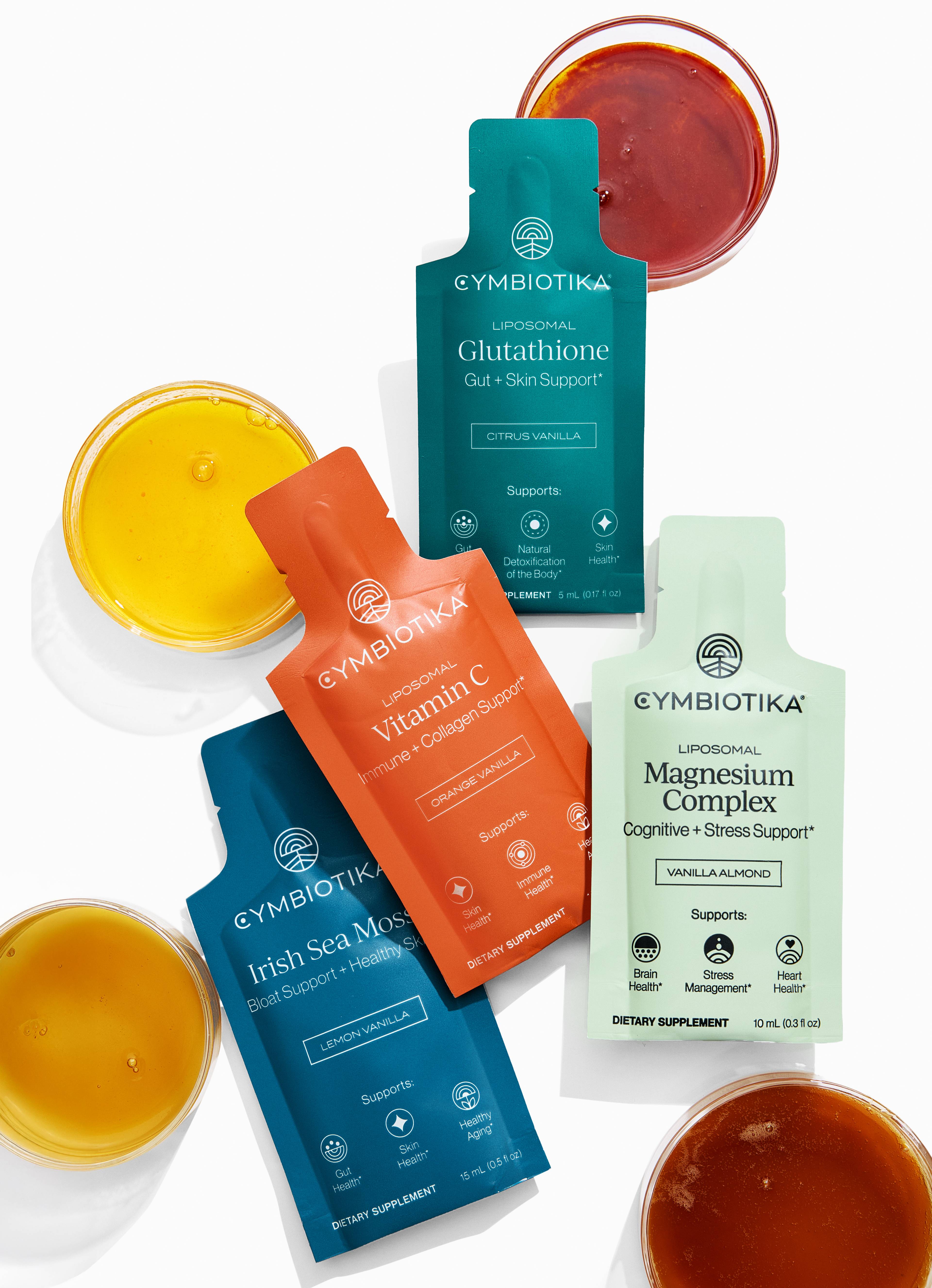
If your body is missing key cofactors—like B vitamins, magnesium, or antioxidants—your metabolic machinery can't run efficiently. This is why we focus so heavily on delivery systems. Our Liposomal Vitamin B12 + B6, for example, uses a phospholipid bilayer (a protective bubble made of healthy fats) to help the vitamins survive the harsh environment of the digestive tract. This ensures the nutrients actually reach your cells to support energy metabolism.
Bottom line: A "fast" metabolism requires a steady supply of bioavailable nutrients; without them, your cellular energy production can grind to a halt.
Hidden Metabolism Killers: Chronic Under-Eating
It may sound counterintuitive, but one of the biggest "killers" of metabolism is not eating enough. When you consistently consume significantly fewer calories than your body needs, your brain perceives a state of scarcity. In response, it triggers a process called "metabolic adaptation" or "thermogenesis-related slowing."
Your body becomes more efficient at holding onto energy, lowering your BMR to protect your vital organs. This is why extreme "crash diets" often fail in the long run. Once you return to normal eating, your metabolism is still stuck in "slow mode," leading to rapid weight regain. To keep your metabolism healthy, it is better to focus on high-quality, nutrient-dense foods that nourish your cells rather than restriction.
How to Support a Healthy Metabolic Rate
Now that we have identified what slows us down, let's look at how to build a routine that supports metabolic vitality. It is about consistency and choosing ingredients that provide the right signals to your body. If you prefer a more personalized starting point, our Health Quiz can help guide your next steps.
Prioritize Protein
Protein has the highest Thermic Effect of Food of any macronutrient. Your body uses about 20–30% of the calories in protein just to digest and process it. Additionally, protein is essential for maintaining muscle mass. Because muscle is metabolically "expensive" tissue, having more of it naturally raises your BMR.
Hydration and Micronutrients
Even mild dehydration can slow down metabolic processes. Water is required for every chemical reaction in the body, including the breakdown of fat. Furthermore, certain minerals like magnesium and chromium are essential for insulin sensitivity. Our Liposomal Magnesium Complex is designed to provide multiple forms of bioavailable magnesium, which may support the nervous system and metabolic pathways.
Support Mitochondrial Health
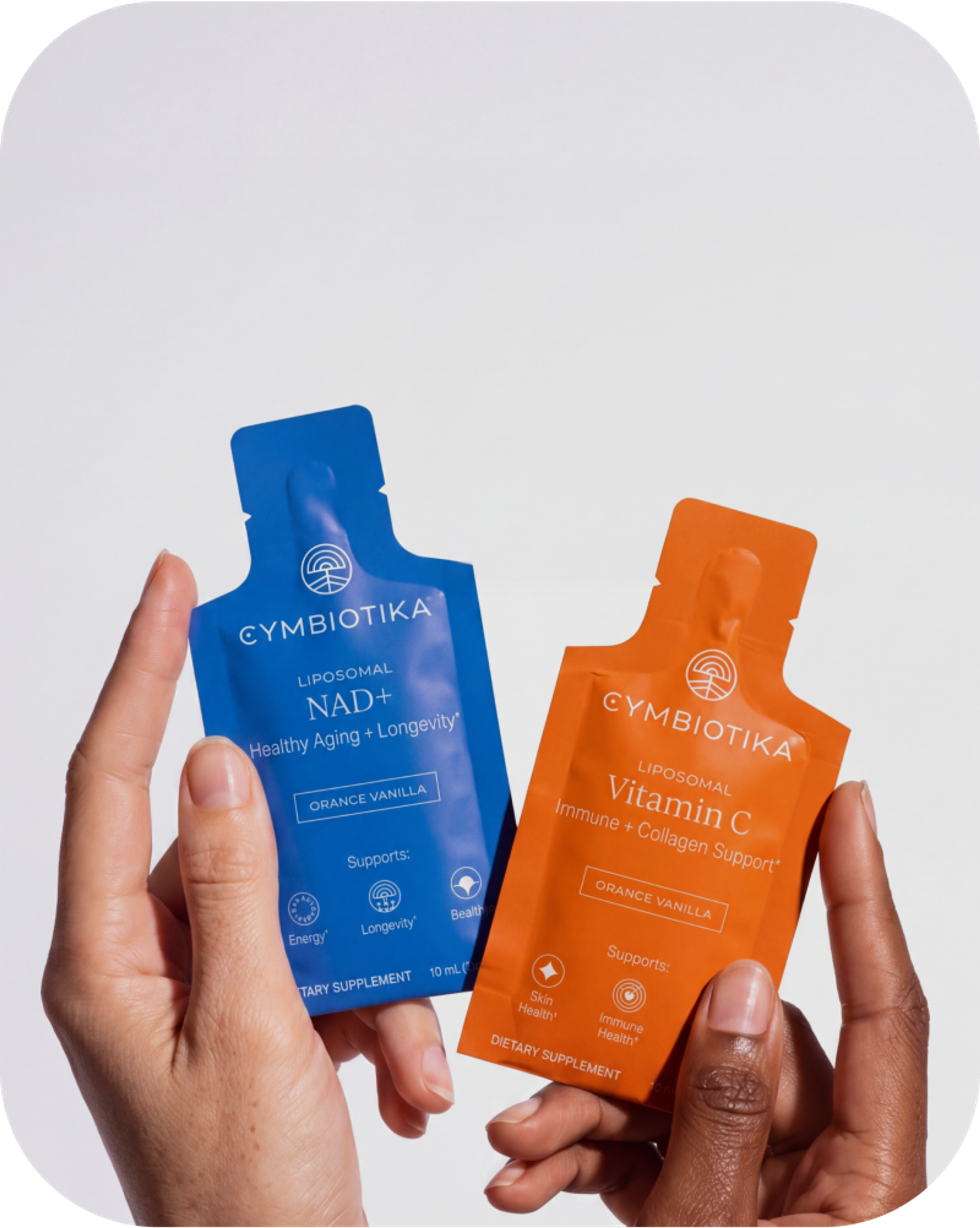
Your mitochondria are where the magic happens. To support them, look for nutrients that play a role in the NAD+ pathway. NAD+ is a coenzyme found in all living cells and is crucial for energy metabolism and DNA repair. As we age, our NAD+ levels naturally decline, which can lead to a slower metabolism.
We formulated our NMN + Trans-Resveratrol to help support these cellular energy pathways. NMN is a direct precursor to NAD+, and when combined with trans-resveratrol, it may help support healthy ageing and metabolic function at the cellular level.
Actionable Steps for Metabolic Support
If you feel like your metabolism needs a "reset," don't try to change everything at once. Start with these simple, manageable steps:
Step 1: Replace liquid sugars. / Switch from sodas or sweetened juices to water, herbal tea, or sparkling water with a squeeze of citrus. Step 2: Increase whole-food fiber. / Aim for a serving of vegetables or legumes at every meal to increase the "work" your digestive system has to do. Step 3: Audit your fats. / Check your pantry for oils like soybean or "vegetable oil" blends and replace them with stable fats like extra virgin olive oil, avocado oil, or coconut oil. Step 4: Support your foundations. / Ensure you are getting the micronutrients necessary for energy production. Our Metabolic Health formula is specifically designed to help support blood sugar levels already within a normal range and promote healthy insulin sensitivity.
The Role of Gut Health in Metabolism
Your gut is often referred to as your "second brain," but it could also be called your "metabolic thermostat." The balance of bacteria in your microbiome influences how much energy you extract from food and how your body responds to hormones like ghrelin (the hunger hormone) and leptin (the fullness hormone).
Foods high in artificial additives, emulsifiers, and preservatives can "kill" the diversity of your gut flora. This lack of diversity is often linked to metabolic challenges. Supporting your gut with high-quality probiotics or liquid colostrum can help strengthen the gut lining and support a healthy inflammatory response. Our Liquid Colostrum is a rich source of bioactive compounds that may support gut integrity and recovery, which are foundational for a healthy metabolism.
Daily Routine for a Resilient Metabolism
A metabolism-friendly day isn't about perfection; it's about giving your body the right tools at the right time.
- Morning: Start with a high-protein breakfast and plenty of water. This sets the tone for stable blood sugar throughout the day.
- Mid-Day: Take your Metabolic Health or Liposomal B12 + B6 to support energy levels through the afternoon slump.
- Evening: Limit alcohol and avoid heavy, sugar-rich desserts that can disrupt sleep and metabolic recovery.
- Night: Focus on magnesium and quality rest. Sleep is when your body repairs mitochondria and balances the hormones that control your appetite the next day.
Key Takeaway: Metabolic health is the result of many small choices. By focusing on bioavailability and whole foods, you empower your body to process energy efficiently.
Conclusion
While "metabolism killers" like refined sugar, industrial seed oils, and ultra-processed foods are common in the modern diet, they don't have to define your health. Your metabolism is resilient and responds quickly to the signals you give it. By prioritizing whole foods, supporting your gut health, and choosing supplements with high bioavailability, you can help your body regain its natural metabolic rhythm.
At Cymbiotika, our mission is to empower you with the knowledge and the clean, transparent tools you need to build a routine you can trust. We focus on science-forward formulations because we know that what matters most is what your body actually absorbs. If you want to keep learning how we approach absorption, our Ask Dr. Shilpa: Liposomes 101 article is a great next read.
- Focus on whole, single-ingredient foods to maximize the thermic effect of eating.
- Protect your mitochondria with targeted nutrients like NMN and B vitamins.
- Support your gut microbiome to maintain healthy hormonal balance.
If you are unsure where to start on your metabolic journey, we invite you to take our Health Quiz. It is designed to help you identify your unique needs and provide personalized recommendations to support your energy, longevity, and overall wellness.
FAQ
Can certain foods really "kill" my metabolism?
While no food permanently stops your metabolism, certain items like refined sugars and trans fats can cause temporary metabolic "clogging" by increasing insulin resistance and oxidative stress. Over time, a diet high in these foods can lead to a consistently slower metabolic rate and less efficient energy production.
How does sugar affect my metabolic speed?
Sugar, especially fructose, causes rapid spikes in insulin, which signals the body to store energy as fat rather than burning it for fuel. Frequent sugar consumption can lead to insulin resistance, making it harder for your cells to access the energy they need, often resulting in feelings of fatigue and a slower perceived metabolism.
Are artificial sweeteners better for my metabolism than sugar?
Not necessarily. While they contain no calories, artificial sweeteners can disrupt the delicate balance of your gut microbiome, which plays a crucial role in blood sugar regulation and energy harvest. Some studies suggest that these sweeteners can lead to metabolic confusion and increased cravings for sweet foods.
What is the best way to "boost" a slow metabolism?
The most effective way to support a sluggish metabolism is to focus on nutrient-dense whole foods, increase your protein intake to boost the thermic effect of food, and stay hydrated. Additionally, focusing on cellular health through bioavailable supplements like NMN or B vitamins can help support the chemical reactions that produce energy in your mitochondria.
*These statements have not been evaluated by the Food and Drug Administration. This product is not intended to diagnose, treat, cure, or prevent any disease.