Table of Contents
- Introduction
- Understanding the Bodyâs Natural Elimination Process
- The Liver: Your Primary Filtration Plant
- The Importance of Bioavailability in Recovery
- Targeted Support with Liposomal Glutathione
- Gut Health and Final Elimination
- Hydration: The Kidney Connection
- Supporting the Liver with Targeted Nutrition
- The Science of Sweating
- Mineral Support with Shilajit
- Sleep and the Glymphatic System
- Building Your Post-Medication Routine
- When to Talk to a Professional
- The Cymbiotika Mission
- FAQ
Introduction
Finishing a prescribed course of medication often brings a sense of relief, but it can also leave you feeling slightly out of balance. Whether it was a short-term prescription or a longer regimen, many people find themselves looking for ways to reset their systems and return to their baseline of vitality. You might feel a lingering sluggishness, digestive shifts, or simply a desire to ensure your body has cleared out any remaining metabolic byproducts.
Supporting your bodyâs natural elimination pathways is a common goal for those prioritizing long-term wellness. At Cymbiotika, we believe that the body is an incredible self-cleaning machine, provided it has the right tools and nutrients to function optimally. This post explores how to support your liver, kidneys, and gut as they work to process and remove foreign substances.
We will cover the science of metabolic clearance, the importance of bioavailability in restorative supplements, and practical lifestyle habits to help you feel like yourself again. By focusing on high-quality nutrition and cellular support, you can empower your body to maintain its internal harmony after a period of medication use.
Understanding the Bodyâs Natural Elimination Process
Before looking at how to assist the body, it is helpful to understand how it handles foreign compounds. The term "detox" is often used loosely, but in biological terms, it refers to the physiological process of biotransformation. This is where the body chemically alters substances so they can be easily excreted.
Your liver is the primary organ responsible for this heavy lifting. It works in two distinct phases to break down medications and other compounds. In Phase I, enzymes begin to break down the substances. In Phase II, the liver attaches a molecule to these broken-down products to make them water-soluble. Once they are water-soluble, they can be safely sent to the kidneys or the gallbladder for final removal.
If these pathways are sluggish or lack the necessary nutrient cofactors, the process may feel less efficient. This is why many people experience a "hangover" effect after a medication cycle. Supporting these specific biological phases is the most effective way to help your body return to its natural state.
The Liver: Your Primary Filtration Plant
The liver is a tireless filter, processing every drop of blood that leaves the digestive tract. When you take medication, the liver must decide how to handle the chemical compounds. Helping your liver involves providing the specific nutrients it needs to complete its two-phase process.
Phase I: The Breakdown
During this initial stage, your liver uses a group of enzymes called the Cytochrome P450 family. These enzymes "unlock" the compounds in the medication. This process often creates reactive intermediate molecules. If these intermediates stay in the body too long without moving to the next phase, they can cause oxidative stress. This is why antioxidants are so critical during a recovery period.
Phase II: The Neutralization
In the second phase, the liver adds a protective "tag" to the substances. This makes them neutral and ready for exit. This phase requires specific amino acids and minerals to function. If you are nutrient-deficient, this phase can slow down, leading to a backlog of metabolic waste. High-quality minerals and protein are essential supports for this stage of the journey.
Key Takeaway: Detoxification is not a one-step event but a two-phase chemical process that requires specific nutrients, enzymes, and antioxidants to safely neutralize and remove foreign compounds.
The Importance of Bioavailability in Recovery
When you are trying to support your body's recovery, the quality of the supplements you choose matters. Many standard vitamins and minerals found in local drugstores have low bioavailability. Bioavailability refers to the amount of a nutrient that actually reaches your bloodstream and is used by your cells.
If a supplement is poorly absorbed, it may simply add more work for your digestive system and liver. We focus on advanced delivery methods, such as liposomal technology. A liposomal delivery system uses a phospholipid bilayerâthe same material your cell membranes are made ofâto wrap the nutrient. This helps the nutrient bypass the harsh environment of the stomach and absorb directly into the bloodstream.
When supporting the liver or gut after medication, choosing a delivery method that ensures cellular-level absorption is vital. This ensures your body is actually getting the help it needs without wasting energy on poorly formulated products.
Targeted Support with Liposomal Glutathione
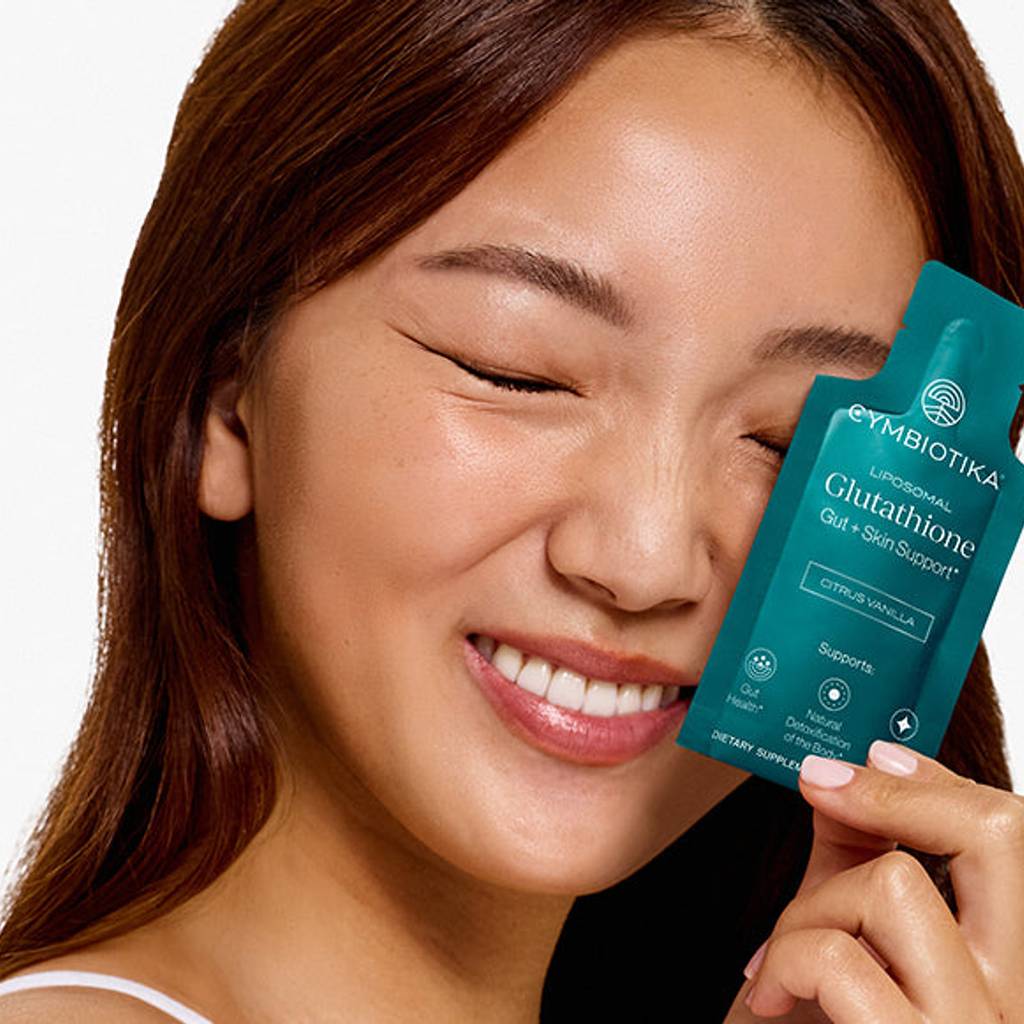
Glutathione is often called the "master antioxidant" because it is found in high concentrations in the liver and is a critical player in Phase II of the detoxification process. It helps neutralize free radicals and assists in the elimination of heavy metals and medication metabolites.
After a medication cycle, your body's natural stores of glutathione may be depleted. Supplementing with standard glutathione is often ineffective because it is easily broken down in the gut. Our Liposomal Glutathione is designed to overcome this hurdle. By protecting the glutathione in a liposomal shell, we support its delivery to the liver and cells where it can do the most good.
Many people find that restoring glutathione levels helps lift that post-medication "cloud" and supports overall energy production. Because it works at the cellular level, it may help protect your tissues from the oxidative stress that can occur during the metabolic breakdown of pharmaceuticals.
Gut Health and Final Elimination
The final step of clearing any substance from the body happens in the gut. Once the liver has neutralized a compound, it is often sent into the bile and eventually into the intestines. If your digestive system is slow, these neutralized toxins can sit in the colon too long. In some cases, they can even be reabsorbed into the bloodstream, a process known as enterohepatic circulation.
Supporting regular bowel movements is essential when you are trying to "flush" your system. This involves a combination of hydration, fiber, and beneficial bacteria. Explore the Gut Health collection for formulas designed around digestive wellness.
The Role of Fiber and Binders
Fiber acts like a broom for your digestive tract. It binds to the bile containing the neutralized medication and carries it out of the body. Soluble fiber, in particular, is excellent for this.
In some cases, using a binder like Activated Charcoal can be helpful. Activated Charcoal has a massive surface area that "traps" toxins and gases, preventing them from being reabsorbed by the body. Our Activated Charcoal is designed to support the gastrointestinal tract during times of digestive distress or after exposure to substances that might disrupt the gut microbiome.
Note: If you are still taking any prescribed medications, consult your healthcare provider before using Activated Charcoal, as it is a powerful binder that can interfere with the absorption of active prescriptions.
Restoring the Microbiome
Many medications, especially antibiotics, can significantly alter the balance of bacteria in your gut. A healthy microbiome is necessary for proper digestion and immune function. Incorporating a high-quality probiotic can help repopulate the gut with beneficial strains, supporting the barrier function of the intestinal lining and ensuring that the final stage of elimination runs smoothly.
Hydration: The Kidney Connection
While the liver handles the chemical transformation, the kidneys handle the liquid filtration. Your kidneys filter about 120 to 150 quarts of blood daily to produce about 1 to 2 quarts of urine. This fluid is the primary vehicle for removing water-soluble medication metabolites.
Hydration is the single most important lifestyle factor for kidney health. However, drinking plain tap water may not be enough. Your body needs electrolytesâlike magnesium, potassium, and sodiumâto pull water into the cells and ensure the kidneys can filter waste effectively.
To support your kidneys after medication:
- Increase your water intake by 20â30% for a week or two.
- Add a pinch of high-quality sea salt or a trace mineral complex to your water.
- Avoid sugary drinks that can put extra stress on the kidneys.
- Consider using Molecular Hydrogen to support antioxidant activity within the renal system.
Supporting the Liver with Targeted Nutrition
What you eat provides the building blocks for the enzymes the liver uses. If you are looking to support your body's natural cleansing process, certain foods are particularly beneficial.
- Cruciferous Vegetables: Broccoli, kale, and Brussels sprouts contain sulforaphane, which supports Phase II liver enzymes.
- Allium Vegetables: Garlic and onions are rich in sulfur, which the body uses to produce its own glutathione.
- Beets: These contain betalains, which help support bile flow and liver protection.
- Bitter Greens: Dandelion greens and arugula can stimulate the gallbladder to release bile, helping with the removal of fat-soluble metabolites.
Our Liver Health+ formula is designed with these pathways in mind. It contains ingredients like Milk Thistle (silymarin) and Alpha-Lipoic Acid, which are well-studied for their ability to support liver cell regeneration and antioxidant status. Using a supplement that combines these ingredients into a bioavailable format can be a convenient way to ensure your liver has constant support during a "reset" period.
The Science of Sweating
The skin is the body's largest organ, and it provides an additional pathway for elimination. While the kidneys and liver do most of the work, some metabolic byproducts can be excreted through sweat.
Engaging in light to moderate exercise can help move your lymphatic fluid. Unlike the circulatory system, which has the heart to pump blood, the lymphatic system relies on muscle movement to flow. The lymph system carries cellular waste away from tissues and toward the lymph nodes, where it can be filtered.
If you have the access, an infrared sauna can be an excellent tool. The deep heat of an infrared sauna may help mobilize certain compounds stored in fat tissues. Always remember to hydrate aggressively before and after sweating to ensure you are replacing lost fluids and electrolytes.
Mineral Support with Shilajit
After a period of illness or medication use, the body's mineral stores are often depleted. Minerals are the electrical "spark plugs" of the body, powering everything from muscle contraction to the enzymatic reactions in the liver.
PĂźrblack Pure Mineral Shilajit Live Resin is a potent adaptogen that contains over 84 trace minerals and fulvic acid. Fulvic acid is a natural "transporter" that helps nutrients move across cell membranes and helps carry cellular waste out. By replenishing these essential minerals, you provide your cells with the energy they need to repair and maintain healthy function.
Myth: "Detox" requires a restrictive juice fast or liquid diet.
Fact: True metabolic detoxification is an energy-intensive process. Your liver and kidneys actually need protein, healthy fats, and complex carbohydrates to produce the energy and enzymes required to process medication.
Sleep and the Glymphatic System
Recovery isn't just about what you take or what you eat; it's also about how you rest. The brain has its own unique waste-clearance system called the glymphatic system. This system becomes most active while you sleep, literally "washing" the brain of metabolic debris.
If you are feeling "brain fog" after medication, prioritizing high-quality sleep is non-negotiable. This is when the body focuses its energy on repair rather than digestion or physical movement. If you find it difficult to settle into a deep sleep, our Magnesium Complex or Liposomal Sleep can help support the nervous system, making it easier to drift into the restorative phases of rest.
Building Your Post-Medication Routine
When you're ready to start your recovery, don't try to do everything at once. Consistency is more important than intensity. Start by focusing on the basics of hydration and gut health, then move toward targeted liver support.
Step 1: Focus on Hydration and Gut Flow.
Start each morning with a glass of mineralized water. Increase your fiber intake and consider using Activated Charcoal for 3â5 days to help bind any remaining digestive waste, ensuring you take it away from food or other supplements.
Step 2: Support the Liver.
Introduce bioavailable antioxidants like Liposomal Glutathione or a comprehensive formula like Liver Health+. These provide the enzymes and protective molecules your liver needs to finish the biotransformation process.
Step 3: Replenish and Repair.
Use a mineral complex like Shilajit to restore cellular energy. Focus on whole, nutrient-dense foods and ensure you are getting at least 7â9 hours of sleep each night.
Step 4: Move and Perspire.
Once you feel your energy returning, incorporate light movement. Walking, yoga, or a short sauna session can help move the lymph and finish the "flush" through the skin.
When to Talk to a Professional
It is always important to remember that everyoneâs body reacts differently to medications. If you are experiencing persistent symptoms like extreme fatigue, skin rashes, or significant digestive issues after finishing a prescription, it is essential to consult with your healthcare provider. They can perform blood tests to check your liver and kidney markers and ensure that your body is recovering as expected.
Furthermore, if you are currently on long-term maintenance medication, never attempt a "detox" protocol without medical supervision. Some supplements, particularly those that support liver enzymes, can change how quickly your body processes your necessary medications, potentially making them less effective or more potent.
The Cymbiotika Mission
At Cymbiotika, we believe that true wellness is built on a foundation of trust and transparency. Our mission is to provide you with the cleanest, most effective tools to take ownership of your health. We don't believe in "quick fixes" or miracle "detoxes." Instead, we focus on advanced bioavailability and science-backed formulations that respect the body's natural intelligence.
By choosing supplements that are third-party tested and designed for cellular absorption, you are investing in a routine that actually works. Whether you are looking to reset after a cycle of medication or simply want to maintain your daily vitality, our goal is to empower you with the knowledge and products you need to feel your best.
Bottom line: Supporting your body after medication is about providing the liver, kidneys, and gut with the specific nutrient cofactors and hydration they need to complete their natural filtration processes.
If you are unsure where to start your journey, we recommend taking our Health Quiz. It is designed to help you identify which areas of your wellness routine might need the most support, providing you with a personalized stack tailored to your unique goals.
FAQ
How long does it take for the body to clear medication?
The time it takes for a medication to leave your system depends on the drug's half-life and your individual metabolic rate. Most short-acting medications are largely cleared within a few days, but the metabolic byproducts and effects on the gut microbiome can linger for weeks. Supporting your liver and gut can help move this process along more efficiently.
Can I use activated charcoal to detox while still taking meds?
You should be very cautious with this. Activated charcoal is a non-discriminatory binder, meaning it can bind to beneficial medications just as easily as it binds to toxins. If you are on a daily prescription, always consult your doctor before using charcoal, as it can significantly reduce the effectiveness of your treatment.
Is a juice cleanse a good way to detox from medication?
Generally, no. A juice cleanse lacks the protein and specific amino acids (like glycine and taurine) that the liver requires for Phase II detoxification. A better approach is to eat a balanced diet rich in fiber and cruciferous vegetables while using bioavailable supplements like Liposomal Glutathione to support the liver's chemical pathways.
Why do I feel more tired when I start a detox routine?
Sometimes, as the body begins to mobilize and process stored metabolites, you may experience a temporary dip in energy, often called a "healing crisis." This is usually a sign that you need to increase your hydration and rest. If you feel significantly ill, it is a sign to slow down your protocol and consult a healthcare professional.
*These statements have not been evaluated by the Food and Drug Administration. This product is not intended to diagnose, treat, cure, or prevent any disease.