Table of Contents
- Introduction
- Understanding Magnesium and Its Importance
- Potential Side Effects of Magnesium Supplements
- Exploring the Connection: Can Magnesium Supplements Cause Mouth Sores?
- Managing Mouth Sores and Supporting Oral Health
- Conclusion
- Frequently Asked Questions (FAQ)
Are you among the many individuals who rely on magnesium supplements for their numerous health benefits but are puzzled by the occurrence of mouth sores? You're not alone! Mouth ulcers, also known as canker sores, can appear for various reasons, and there has been growing curiosity about whether magnesium supplements might play a role in this uncomfortable condition.
In this blog post, we aim to explore the intricate relationship between magnesium supplementation and the potential for mouth sores, helping you understand the nuances involved. We will delve into magnesium's essential functions in the body, the types of magnesium supplements available, common side effects associated with their use, and ultimately address whether they can lead to mouth sores.
By the end of this article, we hope to empower you with a deeper understanding of magnesium and enhance your decision-making regarding supplementation. Let’s embark on this informative journey together!
Introduction
Many of us are aware that magnesium plays a crucial role in various bodily functions, from nerve transmission to muscle contraction. In fact, studies suggest that almost half of the population might not be getting the recommended daily allowance of magnesium due to dietary restrictions or lifestyle choices. As a result, the usage of magnesium supplements has surged. Yet, some individuals report unusual side effects, including mouth sores, upon taking these supplements.
But what exactly are mouth sores, and why do they occur? They are small, painful lesions that can appear on the mucous membrane inside the mouth. Although typically harmless, they can cause significant discomfort. The causes of mouth sores range from nutritional deficiencies to stress, and in some cases, they may even indicate underlying health issues. With magnesium deficiency being linked to mouth sores due to its influence on immune function and cell regeneration, it raises an important question: could magnesium supplements directly contribute to the development of these sores?
In this blog post, we will explore the following key areas:
- What magnesium is and its health benefits
- Types of magnesium supplements and their effects
- Common side effects of magnesium supplements
- An examination of the connection between magnesium and mouth ulcers
- Tips for managing mouth sores and maintaining oral health
- Conclusion and additional resources for informed decisions
Understanding Magnesium and Its Importance
What is Magnesium?
Magnesium is a mineral that plays a vital role in over 300 biochemical reactions within the body. It's essential for several physiological functions, including:
- Supporting muscle and nerve function
- Regulating blood pressure
- Maintaining bone health
- Aiding in DNA and protein synthesis
Despite its importance, many individuals don’t consume adequate magnesium in their diets. Foods rich in magnesium include leafy green vegetables, nuts, seeds, whole grains, and dairy products. Due to various life factors and dietary habits, some might turn to magnesium supplements to meet their needs.
Health Benefits of Magnesium
Research supports the notion that magnesium can contribute to a wide range of health benefits:
- Heart Health: Magnesium is instrumental in maintaining a healthy heart rhythm and preventing sudden cardiac events.
- Bone Health: This mineral helps with bone structure and aids calcium absorption, making it vital for maintaining healthy bones.
- Mood Regulation: Adequate magnesium levels have been linked with favorable mood regulation, potentially alleviating symptoms of anxiety or depression.
- Blood Sugar Control: Magnesium plays an essential role in managing insulin sensitivity and regulating blood sugar levels, which is particularly beneficial for individuals with or at risk for diabetes.
Types of Magnesium Supplements
Magnesium comes in various forms, each with its own absorption rates and potential side effects. Common types include:
- Magnesium Citrate: Known for its high bioavailability, it’s often used to relieve constipation but can cause diarrhea in some individuals.
- Magnesium Oxide: Less expensive, this form contains a higher percentage of elemental magnesium but may not be absorbed as effectively.
- Magnesium Glycinate: A chelated form that is gentle on the stomach, it is less likely to cause digestive side effects compared to other forms.
- Magnesium Chloride: Often used for its therapeutic effects in health and wellness, it's also highly absorbable.
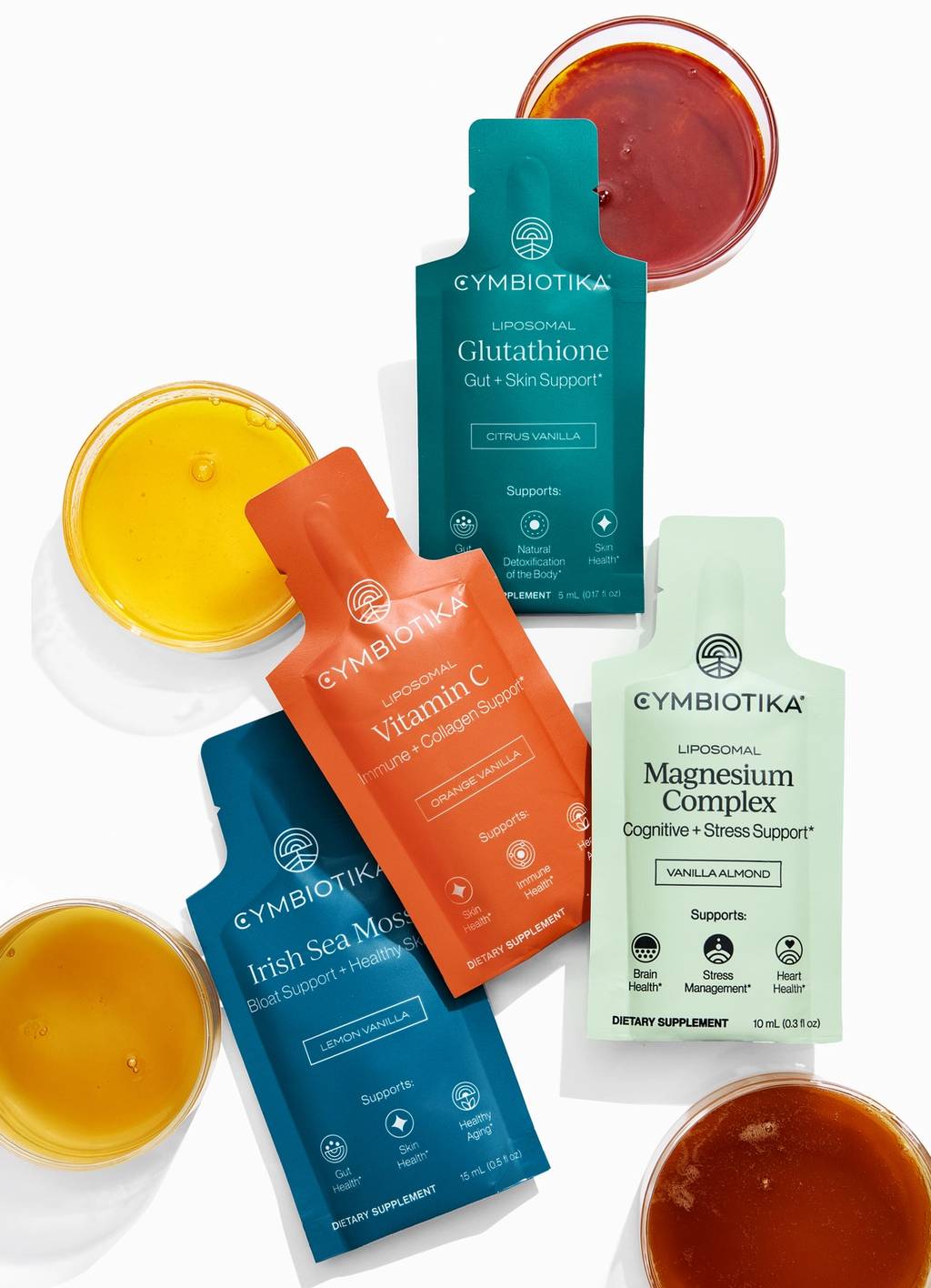
At Cymbiotika, we prioritize the use of high-quality, bioavailable magnesium formulations to support overall wellness. With our commitment to transparency and superior ingredients, we ensure that our community can trust our products to enhance their health journeys.
Potential Side Effects of Magnesium Supplements
While magnesium supplements may offer numerous benefits, they can also bring about some unwanted side effects. Commonly reported side effects include:
- Nausea and Vomiting: The gastrointestinal system can react negatively, particularly if large doses are consumed.
- Diarrhea: A well-known consequence of magnesium supplementation, especially with magnesium citrate and other poorly absorbed forms.
- Stomach Cramps: Digestive discomfort can occur as the body adjusts to increased magnesium intake.
- Fatigue or Drowsiness: In some cases, high magnesium levels may cause relaxation beyond intended, leading to tiredness.
It’s essential to consider how individual health factors might influence the experience of these side effects, particularly for those already vulnerable to oral and gastrointestinal issues.
Exploring the Connection: Can Magnesium Supplements Cause Mouth Sores?
Understanding Mouth Sores
Mouth sores, including canker sores, can occur for several reasons. Possible causes include:
- Nutritional Deficiencies: Deficiencies in vitamins such as B12, folic acid, and iron can contribute to the formation of mouth sores.
- Stress and Hormonal Changes: Emotional stress or hormonal fluctuations may trigger these painful lesions.
- Injury or Irritation: Damage to the inner lining of the mouth from brushing, dental work, or eating certain foods can also provoke sores.
- Underlying Health Conditions: Conditions like fibromyalgia or autoimmune diseases could lead to frequent mouth ulcers.
The Role of Magnesium Deficiency
While it's essential to remember that magnesium is crucial for regeneration and immune function, deficiencies in this mineral can lead to various physiological issues, including the development of mouth sores. For some individuals, especially those with low dietary intake, the supplementation is necessary to restore balance, potentially impacting oral health positively.
Conversely, if an individual has an allergic reaction or intolerance to magnesium supplements—due to fillers or additives—they may experience localized reactions that could mimic mouth sores. This is less a direct cause and more a symptom of the body reacting poorly to the supplement formulation itself.
Common Myths Around Magnesium Supplements and Mouth Sores
-
Myth: All magnesium supplements cause mouth sores. Reality: Mouth sores may arise from various factors, and while certain forms of magnesium can lead to digestive upset, there is no definitive correlation that all magnesium supplements will cause mouth sores.
-
Myth: Magnesium deficiency doesn’t affect oral health. Reality: A lack of magnesium can compromise immune function and hinder the body's healing processes, which may lead to mouth sores in certain individuals.
-
Myth: You should avoid all magnesium supplements if you have mouth sores. Reality: If you are experiencing mouth sores, it is essential to investigate the underlying cause rather than avoiding beneficial supplements. Consulting with a healthcare professional can offer the best course of action based on individual needs.
Managing Mouth Sores and Supporting Oral Health
If you’re experiencing mouth sores, managing the discomfort and understanding their origins is crucial. Here are some tips to help support oral health:
Dietary Considerations
-
Increase Nutrient Intake: Ensure a balanced intake of vitamins and minerals, particularly B vitamins, vitamin C, and zinc, to support mucosal healing and prevent deficiencies.
-
Stay Hydrated: Drinking ample water can help maintain a healthy mucous membrane, preventing dryness and irritation.
-
Avoid Trigger Foods: Steer clear of spicy, acidic, or abrasive foods that may exacerbate pain or irritation in the presence of mouth sores.
-
Opt for a Balanced Diet: Incorporating magnesium-rich foods, such as leafy greens, nuts, seeds, and whole grains, can ensure proper intake while also benefiting overall health.
Topical Treatments
To alleviate discomfort from mouth sores, consider the following home remedies:
- Saltwater Rinses: Rinse your mouth with a saltwater solution to reduce inflammation and promote healing.
- Over-the-Counter Gels: Apply topical treatments specifically designed for mouth sores, which may contain soothing ingredients.
- Avoiding Irritants: Refrain from using certain oral hygiene products with strong flavors or alcohol, which may aggravate sores further.
Consulting Healthcare Professionals
If mouth sores persist or occur frequently, it’s advisable to consult with a healthcare provider or a dentist. They can evaluate for potential underlying conditions and help formulate a tailored treatment plan.
Take the Next Step in Your Wellness Journey
At Cymbiotika, we believe wellness must be rooted in trust. To better understand how we can support your health with tailored magnesium supplementation, consider taking our AI quiz. This quiz can help identify the best supplement options based on your individual health needs.
Conclusion
In summary, while mouth sores can be an uncomfortable reality for many, understanding the potential factors involved in their development—such as magnesium supplementation—can lead to more informed health choices. Magnesium plays a powerful role in maintaining overall health and wellness, but reactions can vary among individuals.
If you suspect that you might be experiencing mouth sores due to magnesium supplements or are facing ongoing issues, we encourage you to engage with a healthcare professional for personalized advice and recommendations.
By prioritizing a balanced diet and educating yourself about the health benefits of supplementation, you can actively take charge of your wellness journey.
Frequently Asked Questions (FAQ)
What is the most common side effect of magnesium supplementation?
The most common side effect of magnesium, especially in excess, is diarrhea due to its laxative effects. Other side effects may include nausea, abdominal cramping, and, rarely, irregular heartbeat.
What are the symptoms of excessive magnesium intake?
Excessive magnesium intake can lead to diarrhea, nausea, abdominal cramping, low blood pressure, and, in severe cases, irregular heart rhythms.
Can I be allergic to magnesium supplements?
While uncommon, some individuals may experience allergic reactions to magnesium or specific ingredients in magnesium supplements, such as fillers or binders. Symptoms may include rashes, itching, or gastrointestinal distress.
Why don't more doctors recommend magnesium?
Magnesium is a critical mineral; however, recommendations depend on individual health needs. If someone has adequate dietary intake, supplements may not be necessary, but for those deficient, medical professionals may suggest them.
What should I do if I keep getting mouth sores?
If you frequently experience mouth sores, consider monitoring your diet for deficiencies. Consulting with a healthcare professional is advisable to rule out underlying health concerns and discuss appropriate treatment options.
By taking a proactive approach to your magnesium intake and considering your overall dietary habits, you can better support your oral health and general well-being. Remember, we're in this wellness journey together!
*These statements have not been evaluated by the Food and Drug Administration. This product is not intended to diagnose, treat, cure, or prevent any disease.