







Table of Contents
- Introduction
- Understanding Vitamin C: The Basics
- Investigating 1000mg of Vitamin C Daily
- The Benefits of 1000mg Vitamin C Supplementation
- Understanding Potential Side Effects
- Individual Considerations for Vitamin C Supplementation
- Integrating Vitamin C into Your Wellness Routine
- Conclusion
- FAQ
Imagine waking up each morning with a little extra spring in your step, a sense of vitality coursing through your body. Many of us strive for that feeling, and so it’s no wonder that we often turn to supplements to help us on our wellness journeys. One such supplement that frequently tops the list is vitamin C. With its long-established reputation as a powerhouse for health, many of us may wonder: What happens if I take 1000mg of vitamin C daily?
Vitamin C, also known as ascorbic acid, is an essential nutrient that supports our body in various ways. While it’s widely recognized for its role in immune system function, its contributions extend far beyond just that. As we navigate through this comprehensive blog post, we will explore the implications of high-dose vitamin C supplementation, the benefits it may offer, potential side effects, and what factors to consider for optimal dosing. Together, we'll take an informed look at how this beloved vitamin plays a role in our daily lives.
Introduction
For centuries, vitamin C has been celebrated for its vital role in health, with many of us turning to it during cold and flu season. However, curiosity around higher doses—specifically, the impact of consuming 1000mg daily—has become increasingly common. This inquiry leads us to consider various aspects surrounding vitamin C, including its physiological functions, the safety of supplementation, and the effects witnessed from taking megadoses.
While the human body requires vitamin C daily, it does not synthesize or store it. Therefore, maintaining adequate levels is crucial. According to the Food and Nutrition Board, the Recommended Dietary Allowance (RDA) for adults is approximately 90mg for men and 75mg for women, but this naturally leads us to question whether taking higher doses, like 1000mg, could be advantageous—or potentially harmful.
Throughout this article, we’ll dive deep into several aspects regarding vitamin C:
- Understanding the role of vitamin C in bodily functions.
- Investigating the implications of taking 1000mg daily.
- Exploring the possible side effects of high-dose vitamin C.
- Discussing individual needs and lifestyle considerations.
- Sharing keys to safely incorporating vitamin C supplementation into our wellness routine.
This post aims to empower you to make informed choices about your health and wellness regimen, strengthening our community in the pursuit of optimal well-being.
Understanding Vitamin C: The Basics
Vitamin C is a water-soluble vitamin that acts as a potent antioxidant, countering oxidative stress caused by free radicals in the body. It plays a critical role in several physiological functions:
- Collagen Production: Vitamin C is essential for the synthesis of collagen, a key structural component of skin, tendons, ligaments, and blood vessels.
- Immune Support: It contributes to various immune functions, enhancing the activity of immune cells and acting as a barrier against pathogens.
- Iron Absorption: This vitamin improves the absorption of non-heme iron, which is the type predominantly found in plant foods, helping to prevent iron-deficiency anemia.
Some of the best dietary sources of vitamin C include citrus fruits, strawberries, bell peppers, and dark leafy greens. It's also important to note that our bodies can effectively manage daily vitamin C levels through a balanced diet. As we explore higher doses, we need to consider both the lines of safety and the benefits associated with supplementation.
Investigating 1000mg of Vitamin C Daily
Why Consider Higher Doses?
The interest in higher doses of vitamin C supplementation often stems from anecdotal evidence asserting various health benefits. People take 1000mg or more of vitamin C for reasons that may include:
- Preventing Illness: A common belief is that high doses of vitamin C may bolster the immune system, leading many to take supplements during colder months.
- Increased Antioxidant Protection: Due to its antioxidant properties, some believe that higher doses can combat oxidative stress more effectively.
- Support During Physical Activity: Athletes and individuals undergoing rigorous training may turn to vitamin C to aid in physical recovery.
The Research Landscape
Research surrounding high doses of vitamin C often yields mixed results. Some studies suggest potential benefits, while others caution against excessive intake. For example, vitamin C's antioxidant properties could theoretically assist in reducing oxidative stress and inflammation, particularly post-exercise.
A study examining older women who supplemented with 1000mg of vitamin C per day for six weeks noted beneficial trends in certain immune response markers, yet no significant health changes were observed. This underscores the complexity of the interactions between vitamin C doses and body responses.
What Happens at 1000mg?
Taking 1000mg of vitamin C daily is generally considered safe for most individuals, especially when compared to the established Upper Intake Level (UL) of 2000mg per day. However, exceeding the UL may lead to side effects, many of which are gastrointestinal in nature:
- Digestive Distress: The most common issues include diarrhea, cramping, and nausea. This is because the body can only absorb a certain amount of vitamin C at a time, with excess being excreted.
- Kidney Stones: Some evidence suggests that high doses of vitamin C could increase the risk of kidney stone formation in susceptible individuals due to the way excess vitamin C is metabolized into oxalate.
While these effects are generally mild, it's crucial to inform yourself before making a significant change to your vitamin C routine.
The Benefits of 1000mg Vitamin C Supplementation
High doses of vitamin C may elicit various benefits for some individuals, albeit with a need for further research to validate these outcomes:
1. Enhanced Immune Function
Many believe that vitamin C supplementation can enhance immune responses. A study suggested that for people undergoing intense physical activity, regular high-dose vitamin C may reduce the duration of respiratory infections.
2. Antioxidative Support
Vitamin C produces antioxidants that protect against cellular damage. For those exposed to increased oxidative stress—due to age, environmental conditions, or strenuous exercise—higher doses could be beneficial.
3. Possible Mood Enhancement
Emerging research suggests that vitamin C may play a role in mood regulation and could help mitigate symptoms of anxiety and depression, though more study is necessary. As a community committed to wellness, we might explore how the psychological benefits of vitamin C can play a role in our overall health.
4. Iron Absorption Boost
As mentioned earlier, vitamin C assists in the absorption of non-heme iron, which is especially helpful for individuals following plant-based diets or those with risk factors for iron deficiency.
5. Support during Specific Conditions
Some individuals take vitamin C to mitigate chronic health conditions or stressors. For example, people undergoing high-stress scenarios (like surgery) may benefit from higher vitamin C intake.
Understanding Potential Side Effects
As we dive into the potential side effects of taking 1000mg of vitamin C daily, it is essential to approach this topic with a focus on the individual’s health profile:
Gastrointestinal Symptoms
The most widely reported side effects stem from digestive issues, which can manifest in symptoms such as:
- Diarrhea: Excessive vitamin C can draw water into the intestines, leading to loose stools.
- Nausea and Vomiting: Overwhelming doses may irritate the stomach lining.
- Abdominal Cramps: Some individuals may find their stomach becomes uncomfortable with higher doses.
Kidney Health
For individuals susceptible to renal concerns, high doses of vitamin C can lead to increased oxalate levels in urine, thereby raising the risk of kidney stones. If you have a history of kidney-related issues, moderation should be key.
Potential Interactions
Vitamin C may interact with certain medications, so it's advisable to consult healthcare professionals, particularly if you take blood thinners or other prescriptions.
Individual Considerations for Vitamin C Supplementation
Dietary Sources Versus Supplementation
Aiming for a balanced diet rich in fruits and vegetables often suffices for meeting daily vitamin C needs. As a community focused on wellness, we emphasize that supplementing with vitamin C should occur alongside a healthy diet, not as a primary source of nutrition.
Personal Goals and Activities
Consider your lifestyle and personal health goals as you contemplate vitamin C intake. For instance, those engaged in extensive physical activity may benefit from the antioxidant properties of supplemental vitamin C, while individuals with less rigorous routines might find adequate nourishment through diet alone.
Timing and Dosage
If you decide to supplement, consider dividing the dosage throughout the day for better absorption and minimal side effects. Remember that your body may handle vitamin C differently depending on your individual needs and health status.
Integrating Vitamin C into Your Wellness Routine
As we revolve our focus on health and wellness, it's important to nurture our approach thoughtfully.
Personalized Supplements
At Cymbiotika, we believe wellness starts with trust and transparency. We are committed to helping our community take control of their health. To identify the best supplementation based on your unique needs, consider exploring our AI quiz. Here, we can guide you in selecting the right vitamins and minerals to support your health journey.
Quality Products Matter
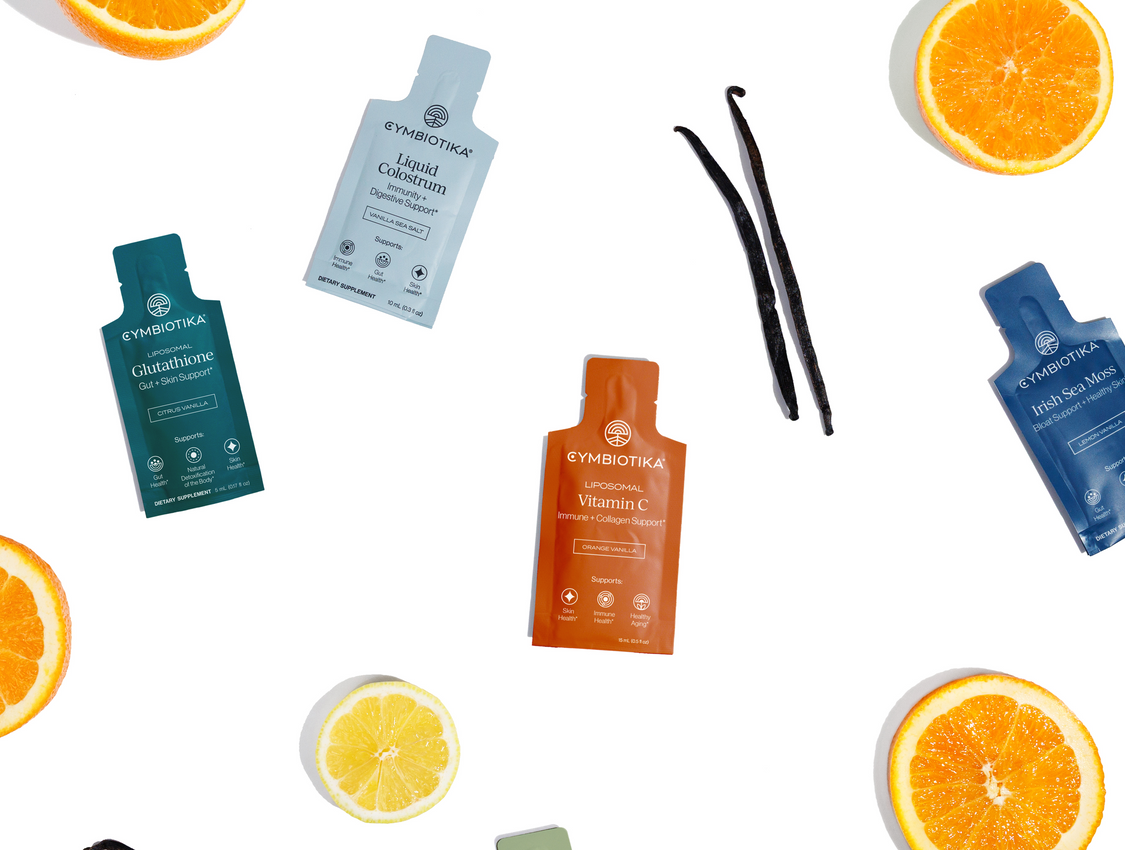
Alongside personalization, quality in supplements is paramount. Cymbiotika focuses on using science-backed ingredients and advanced liposomal delivery for optimal bioavailability. When choosing vitamin C supplementation, ensure you pick a trusted brand that aligns with your health philosophy.
Consider Varied Sources
Strive to include an array of vitamin C-rich foods in your diet, such as bell peppers, oranges, and broccoli. This not only nourishes the body with essential vitamins but can also be more beneficial than isolated high doses of a single nutrient.
Community Support
Empower yourself and others on this journey. Engage with your wellness community or consider exploring collections like our performance-focused supplements, designed to complement your active lifestyle.
Conclusion
In answering the question, what happens if I take 1000mg of vitamin C daily?, we find ourselves at the intersection of curiosity, wellness, and responsible health practices. While taking vitamin C at this level is generally deemed safe, particularly given its established tolerable upper limit, potential gastrointestinal side effects and the risk of kidney stone formation warrant a reset of dosage consideration based on individual health needs and dietary consumption.
As we venture further into our health journeys, we must prioritize not just what we take in terms of supplementation, but how we approach our overall wellness. By incorporating the right tools, engaging with our community, and emphasizing a balanced diet, we can ensure our paths toward health are enriching and supportive.
FAQ
Is 1000mg of vitamin C too much for healthy adults?
Generally, 1000mg is below the established tolerable upper limit of 2000mg, making it safe for healthy adults unless contraindicated by specific health conditions.
Can high doses of vitamin C prevent the common cold?
While high doses of vitamin C might shorten the duration of a cold, evidence suggests it does not prevent it outright.
How quickly does vitamin C work in the body?
Vitamin C absorbs quickly, with peaks generally occurring within two to four hours after consumption.
Should I take vitamin C with food?
Taking vitamin C with food can enhance absorption and mitigate potential stomach discomfort.
Are there any medications that interact with vitamin C?
Yes, vitamin C may interact with certain blood thinners and medications. Always consult your healthcare professional regarding potential interactions with prescribed drugs.
In moving forward, we encourage you to maintain focus on holistic wellness and consider how vitamin C fits into that journey. Together, we can nurture a community that empowers health with informed choices and genuine transparency.
*These statements have not been evaluated by the Food and Drug Administration. This product is not intended to diagnose, treat, cure, or prevent any disease.




