







Table of Contents
- Introduction
- Recommended Vitamin C Intakes for Teenagers
- Natural Sources of Vitamin C
- Potential Deficiency Risks
- Consequences of Excess Vitamin C
- Interactions with Other Nutrients and Medications
- Promoting Healthy Habits
- Conclusion
When it comes to nutrition, few vitamins are as well-known and discussed as vitamin C. We often hear about its benefits, from boosting immunity to aiding in wound healing, yet many of us remain uncertain about exactly how much of this essential nutrient we should be consuming, especially during the teenage years. With a growing body and rapidly changing needs, teenagers require specific attention to their dietary choices, including vitamin consumption.
Research indicates that adequate vitamin C intake is crucial during adolescence—a time of significant physical and emotional development. But how much vitamin C can a teenager take, and what are the best sources to ensure they meet their daily requirements? In this blog, we will explore the recommended amounts of vitamin C for teenagers, the sources that provide it, the implications of deficiency and excess, and how we at Cymbiotika can help support this vital aspect of health with our commitment to transparency and quality.
Introduction
Let’s start with a surprising fact: the human body cannot produce vitamin C. This water-soluble vitamin must be obtained through our diet, making it essential for everyone, particularly teenagers who are undergoing numerous physiological changes. The journey of teenage years is not just about physical growth; it's also characterized by emotional and mental transformations. As we support our teens to navigate this remarkable period, ensuring they receive proper nutrition, including vitamin C, plays a pivotal role.
In this blog post, we will delve into various aspects surrounding vitamin C intake for teenagers. Specifically, we will cover:
- Recommended Vitamin C Intakes for Teenagers
- Natural Sources of Vitamin C
- Potential Deficiency Risks
- Consequences of Excess Vitamin C
- Interactions with Other Nutrients and Medications
- Promoting Healthy Habits
By the end of this article, our aim is to empower you with essential knowledge, helping you make informed decisions about your (or your teenager's) nutritional intake. Together, we will explore the significance of vitamin C in relation to wellbeing, emphasizing the importance of high-quality, science-backed supplements that align with our mission at Cymbiotika.
Recommended Vitamin C Intakes for Teenagers
Understanding how much vitamin C a teenager can take starts with established dietary guidelines. According to the Food and Nutrition Board of the National Academies of Sciences, Engineering, and Medicine, the recommended dietary allowances (RDAs) for vitamin C differ based on age and sex:
- Boys aged 14-18 years: 75 mg per day
- Girls aged 14-18 years: 65 mg per day
- Pregnant teens aged 14-18 years: 80 mg per day
- Breastfeeding teens aged 14-18 years: 115 mg per day
Keeping these numbers in mind is important, but remember, teenagers who smoke are advised to increase their intake by an additional 35 mg daily to combat the oxidative stress and increased vitamin C utilization caused by smoking.
Why is This Important?
The teenage years are not just about physical growth but also about ensuring that emotional and mental health is nurtured. Meeting the recommended dietary allowances for vitamins, including vitamin C, supports cognitive function, mood stabilization, and immune health. This ensures that young individuals can perform at their best, whether in school, sports, or social environments.
Natural Sources of Vitamin C
Eating a balanced and varied diet rich in fruits and vegetables is the best way to meet daily vitamin C requirements. Here’s a list of some excellent natural sources of vitamin C that can easily be included in a teenager's diet:
- Citrus Fruits: Oranges, grapefruits, lemons, and limes are well-known for their high vitamin C content.
- Berries: Strawberries, raspberries, and blueberries provide not just vitamin C but also other antioxidants.
- Kiwifruit: A single kiwifruit can provide nearly as much vitamin C as an orange.
- Vegetables: Bell peppers (especially red ones), broccoli, Brussels sprouts, and kale are excellent sources.
- Tomatoes: Both fresh tomatoes and tomato juice are good options.
- Potatoes: Surprisingly, potatoes also contain vitamin C and can be a staple in many diets.
Incorporating a variety of these foods into meals not only ensures sufficient vitamin C intake but also helps promote overall dietary balance. We at Cymbiotika advocate for obtaining nutrients through food whenever possible, complemented by our high-quality supplements whenever necessary.
Potential Deficiency Risks
While vitamin C deficiency might seem rare in developed countries, it remains a possibility, particularly among those with limited access to fresh produce or individuals leading unhealthy lifestyles. A significant deficiency can lead to health problems including:
- Fatigue: A common symptom often attributed to low energy.
- Skin Issues: Vitamin C plays a role in collagen synthesis; therefore, deficiency can hinder skin healing.
- Gum Disease: Swollen and bleeding gums can be a sign of insufficient vitamin C.
- Anemia: Vitamin C enhances iron absorption; a lack of it can result in lower iron levels.
One of the more severe forms of vitamin C deficiency is scurvy, characterized by fatigue, muscle weakness, joint swelling, and bleeding gums. Fortunately, health professionals can easily address this with dietary adjustments and supplementation if required.
Consequences of Excess Vitamin C
While it’s essential to meet vitamin C requirements, it’s equally important to avoid excessive intake, particularly through supplements. The tolerable upper intake level of vitamin C for teenagers aged 14-18 is 1,800 mg per day. Consuming more than this can lead to adverse effects, including:
- Gastrointestinal Distress: Symptoms like diarrhea, nausea, and abdominal cramps are common with high doses.
- Kidney Stones: Higher doses may lead to an increased risk of kidney stone formation due to elevated levels of oxalate.
- Nutrient Imbalance: Excessive vitamin C can hinder the absorption of other essential nutrients, such as vitamin B12 and copper.
It's crucial to keep in mind that while vitamin C is vital, moderation is key. Encouraging balanced nutrition from natural sources can help maintain safety in dietary practices.
Interactions with Other Nutrients and Medications
We often overlook that vitamins don’t exist in isolation. Vitamin C can interact with other nutrients and medications, which is something to consider, especially for teenagers who may be involved in sports or taking medications for various reasons. Here are some crucial interactions:
- Iron Absorption: Vitamin C enhances non-heme iron absorption, which is particularly beneficial for vegetarians and adolescents who need higher iron levels.
- Vitamin B12: Some studies suggest that high levels of vitamin C may interfere with vitamin B12 levels.
- Certain Medications: Individuals taking anticoagulants or medications that affect the metabolism of cholesterol should talk with a healthcare provider regarding their vitamin C intake.
Teenagers should always consult with a healthcare provider before starting any supplement plans, ensuring that their unique needs and circumstances are addressed.
Promoting Healthy Habits
So, what steps can we take to encourage good habits around vitamin C intake in teenagers? Here are some actionable tips:
-
Encourage a Colorful Plate: Involve teens in meal planning to make eating colorful fruits and vegetables more appealing. The more variety on the plate, the higher the chances of meeting their nutrient needs!
-
Lead by Example: Be a role model for healthy eating habits; when teens see adults making healthy choices, they are likely to follow suit.
-
Educate: Share the benefits of vitamin C in an engaging way. Why not host a cooking night together that focuses on vitamin C-rich recipes?
-
Make it Convenient: Keep fruits and vegetables accessible. Stock your pantry with things like dried fruit and your fridge with fresh options for easy snacking.
-
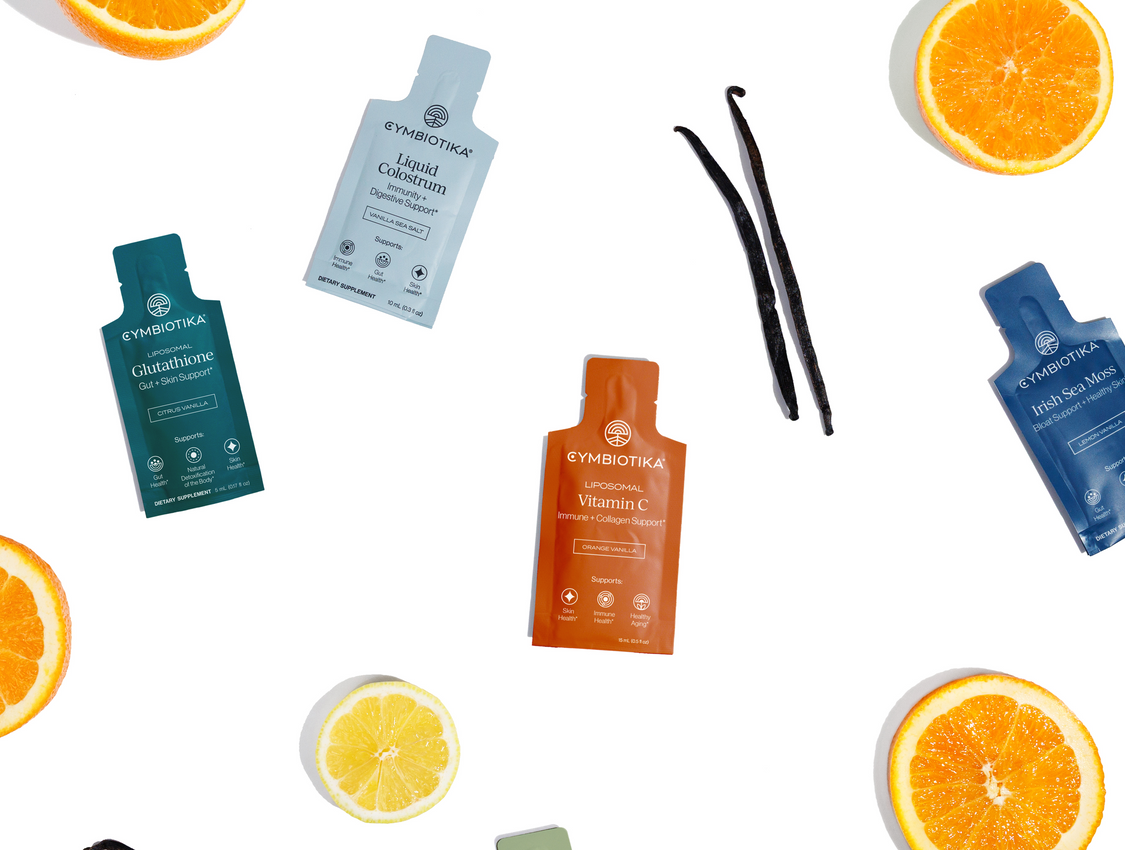
Use Quality Supplements: In addition to a balanced diet, if there are gaps experienced by your teen, quality supplements can help fill them. At Cymbiotika, our commitment to transparency and quality ensures that you know exactly what you’re getting. Consider exploring our collection of supplements to support your health journey.
Conclusion
Vitamin C plays an essential role in the lives of teenagers, both in terms of physical growth and overall health. By understanding the recommended amounts, sourcing it from natural foods, and being aware of potential risks associated with both deficiency and excess, we can make informed choices to ensure optimal intake.
At Cymbiotika, we believe that everyone deserves access to quality, science-backed nutrition tailored to their lives. We’re committed to empowering our community with the knowledge and products they need to take control of their health. If you're interested in learning more about what you or your teen might need, we encourage you to take our personalized AI quiz designed to guide you toward the best supplements for your unique needs.
Frequently Asked Questions (FAQ)
1. Can teenagers take vitamin C supplements? Yes, teenagers can take vitamin C supplements, but they should only do so if dietary sources are inadequate or recommended by a healthcare provider.
2. What are signs of vitamin C deficiency in teenagers? Symptoms can include fatigue, skin issues, swelling of the gums, and in severe cases, bleeding or weakened connective tissue.
3. How can teenagers increase their vitamin C intake naturally? Eating a variety of fruits and vegetables, particularly citrus fruits and peppers, can easily increase vitamin C intake. Smoothies and juices can also be a delicious way to pack in those nutrients.
4. Is it safe for teenagers to consume more than the recommended dose of vitamin C? Exceeding the upper intake level of 1,800 mg for teenagers can lead to adverse effects. Moderate consumption through diet and supplements is key.
5. How can I find the right supplements for my teen? We recommend taking our AI quiz to help determine which Cymbiotika products may be best suited for your teen's needs and dietary goals.
With a solid understanding of vitamin C's role and requirements in health, we can work together to foster mindful dietary habits that will benefit young adults not only in their teenage years but far into their futures.
*These statements have not been evaluated by the Food and Drug Administration. This product is not intended to diagnose, treat, cure, or prevent any disease.




