Jun 15, 2026

How Much Vitamin C Can a Teenager Take?

Table of Contents

  1. Introduction
  2. Understanding Vitamin C for the Teenage Body
  3. How Much Vitamin C Does a Teenager Need?
  4. The Tolerable Upper Intake Level (UL)
  5. The Bioavailability Factor: Why Delivery Matters
  6. Signs of Too Much Vitamin C
  7. Why Do Teens Need Vitamin C Anyway?
  8. Natural Food Sources for Teenagers
  9. Myth vs. Fact: Vitamin C Edition
  10. How to Build a Vitamin C Routine
  11. What to Look for in a Supplement
  12. Summary of Action Steps
  13. The Role of Lifestyle in Nutrient Needs
  14. Conclusion
  15. FAQ

Introduction

The teenage years are a period of rapid change, marked by significant growth spurts, academic pressure, and high-energy extracurricular schedules. During this phase, the body’s demand for foundational nutrients increases to support everything from skin health to immune function. Vitamin C, a powerhouse antioxidant, is often at the top of the list for parents and teenagers looking to support their daily wellness.

At Cymbiotika, we believe that understanding the "how" and "why" behind supplementation is just as important as the nutrients themselves. While vitamin C is widely available in many foods, knowing the specific limits and the most effective ways to consume it can make a meaningful difference in a teenager's routine. This article will explore the recommended daily amounts, the safety of higher doses, and why the delivery method of your supplements matters more than you might think.

By the end of this guide, you will have a clear understanding of how to balance vitamin C intake through diet and supplementation to help a teenager feel their best.

Understanding Vitamin C for the Teenage Body

Vitamin C, also known as ascorbic acid, is an essential water-soluble nutrient. This means the body does not store it in large quantities like it does with fat-soluble vitamins. Instead, any excess that the body cannot use or absorb is typically flushed out through the urine. Because humans cannot produce their own vitamin C, it must be consumed daily through food or supplements.

For a teenager, vitamin C serves several critical roles. It is a primary antioxidant, which means it helps protect cells from oxidative stress caused by free radicals—unstable molecules produced by normal metabolism and environmental factors like pollution or UV light. Beyond protection, it is a vital building block for collagen. Collagen is the most abundant protein in the body and is necessary for healthy skin, joints, bones, and the healing of minor scrapes and bruises.

Furthermore, vitamin C is a key player in the immune system. It supports the production and function of white blood cells, which are the body’s primary defense against external stressors. For active teenagers, it also aids in the absorption of non-heme iron, the type of iron found in plant-based foods like spinach and beans, which is essential for maintaining energy levels. If a teen is looking to build out an energy-supportive routine, the All Natural Energy Supplements collection is a useful place to start.

How Much Vitamin C Does a Teenager Need?

The amount of vitamin C a teenager needs depends largely on their age and sex. The Food and Nutrition Board at the National Academies of Sciences, Engineering, and Medicine has established Recommended Dietary Allowances (RDAs) to ensure that nearly all healthy individuals in this age group meet their nutritional requirements.

The current RDAs for teenagers are as follows:

  • Ages 9 to 13: 45 mg per day for both boys and girls.
  • Ages 14 to 18 (Boys): 75 mg per day.
  • Ages 14 to 18 (Girls): 65 mg per day.

It is worth noting that certain lifestyle factors can increase these requirements. For instance, if a teenager is regularly exposed to secondhand smoke, their body may require an additional 35 mg per day to help combat the oxidative stress caused by smoke exposure.

Key Takeaway: Most teenagers only need between 45 mg and 75 mg of vitamin C daily to maintain basic health, though individual needs can vary based on lifestyle and environmental factors.

The Tolerable Upper Intake Level (UL)

While the RDA tells us the minimum amount needed for health, the Tolerable Upper Intake Level (UL) tells us the maximum amount that is unlikely to cause any negative health effects. When people ask "how much vitamin C can a teenager take," they are usually looking for this upper limit.

For teenagers, the UL is categorized by age:

  • Ages 9 to 13: 1,200 mg per day.
  • Ages 14 to 18: 1,800 mg per day.

These limits include vitamin C from all sources: food, beverages, and supplements. While taking more than the RDA is generally considered safe, consistently exceeding the UL can lead to digestive discomfort. The body is very efficient at regulating vitamin C; as the dose increases, the percentage of absorption actually decreases.

The Bioavailability Factor: Why Delivery Matters

A common misconception in the supplement world is that more milligrams always equals better results. However, the body’s ability to use a nutrient is dictated by its bioavailability—the proportion of the substance that enters the circulation when introduced into the body and is so able to have an active effect. If you want a deeper look at how formulation affects absorption, the article on Which Form of Vitamin C Is Best to Take? is a helpful companion read.

Standard vitamin C supplements, usually in the form of plain ascorbic acid, often have limited absorption. When a teenager takes a high dose of a standard tablet (for example, 1,000 mg), the body may only absorb a fraction of it. The rest stays in the digestive tract, where it can cause irritation, or it is quickly filtered out by the kidneys.

We take a different approach by focusing on liposomal delivery. A liposome is a tiny, microscopic bubble made of phospholipids—the same material that makes up our cell membranes. By wrapping vitamin C in this lipid (fat) shell, the nutrient is protected as it passes through the harsh environment of the stomach. This design is intended to support absorption at the cellular level, allowing the body to use the vitamin more effectively without requiring massive, potentially irritating doses. For a broader explanation of the science, see All About Liposomes.

Key Takeaway: High doses of standard supplements often lead to "expensive urine" and digestive upset. Liposomal formats are designed to close the absorption gap by mimicking the body's own cell structures.

Signs of Too Much Vitamin C

If a teenager consumes more vitamin C than their body can process—typically by exceeding the 1,800 mg upper limit through supplements—the most common side effects are gastrointestinal. Because the unabsorbed vitamin C remains in the intestines, it can draw in water and irritate the lining of the gut.

Common signs of excessive intake include:

  • Loose stools or diarrhea
  • Nausea
  • Abdominal cramping
  • Bloating or general stomach discomfort

In most cases, these symptoms are mild and disappear once the supplement intake is reduced. However, for individuals with a history of certain kidney issues, high doses of vitamin C might increase the risk of forming kidney stones over time due to the way the body breaks down the vitamin into oxalate. If a teenager has specific health concerns, it is always best to consult with a healthcare professional before starting a high-dose regimen.

Why Do Teens Need Vitamin C Anyway?

It is easy to focus on the numbers, but understanding the practical benefits helps in building a consistent routine. For a teenager, vitamin C is more than just an "immune vitamin."

Skin Health and Recovery

Teenagers often deal with skin changes and minor injuries from sports or active lifestyles. Since vitamin C is essential for collagen synthesis, it supports the skin’s natural barrier and the body’s ability to repair tissues. This makes it a foundational nutrient for both outward appearance and internal recovery. If you want to explore more support in this broader area, the Liposomal Collection brings together several related formulas.

Energy and Iron Absorption

Many teenagers, particularly those who follow plant-based diets or are involved in high-intensity sports, struggle with maintaining consistent energy. Vitamin C significantly increases the absorption of iron from plant sources. Pairing a vitamin C-rich food or supplement with a meal containing beans, lentils, or fortified cereals can help ensure they get the iron they need to avoid fatigue.

Cognitive and Emotional Support

While research is ongoing, vitamin C is found in high concentrations in the brain. As an antioxidant, it may help protect neurological pathways from oxidative stress during a time when the brain is undergoing significant developmental changes. Supporting the body's internal environment can help a teenager navigate their busy daily life with more resilience.

Natural Food Sources for Teenagers

The best way to reach the RDA for vitamin C is through a varied diet. Fortunately, many foods that teenagers already enjoy are packed with this nutrient.

Consider the following sources:

  • Red Bell Peppers: Half a cup of raw red pepper contains about 95 mg, which is more than the RDA for any teenager.
  • Oranges: One medium orange provides about 70 mg.
  • Kiwifruit: One medium kiwi offers approximately 64 mg.
  • Strawberries: Half a cup of sliced strawberries provides about 49 mg.
  • Broccoli: Half a cup of cooked broccoli provides roughly 51 mg.

If a teenager eats a serving of fruit and a serving of vegetables daily, they are likely meeting their basic requirements. However, many teenagers have inconsistent eating habits, or they may have higher needs due to intense athletic training or high stress levels. In these cases, a high-quality supplement can act as a reliable "insurance policy" to fill the gaps.

Myth vs. Fact: Vitamin C Edition

Myth: Taking 5,000 mg of vitamin C will stop a cold in its tracks. Fact: Research suggests that while regular vitamin C intake may slightly shorten the duration of a cold, taking massive doses after symptoms start is generally not effective. Consistency is more important than "mega-dosing."

Myth: All vitamin C supplements are the same. Fact: Formulation quality changes everything. Standard ascorbic acid can be hard on the stomach, while liposomal delivery is designed for better tolerance and higher cellular absorption.

Myth: You can't get too much vitamin C because it's water-soluble. Fact: While it is safer than fat-soluble vitamins, exceeding the upper limit (1,800 mg for older teens) can still cause digestive distress and other issues.

How to Build a Vitamin C Routine

Building a wellness routine for a teenager should be about simplicity and consistency. You don't need a dozen different bottles; you need a few high-quality tools that actually work.

Step 1: Assess the Diet

Look at what they eat in a typical week. If they avoid fruits and vegetables, a daily supplement is likely beneficial. If they eat plenty of citrus and peppers, they may only need a supplement during times of higher stress or seasonal changes.

Step 2: Choose the Right Format

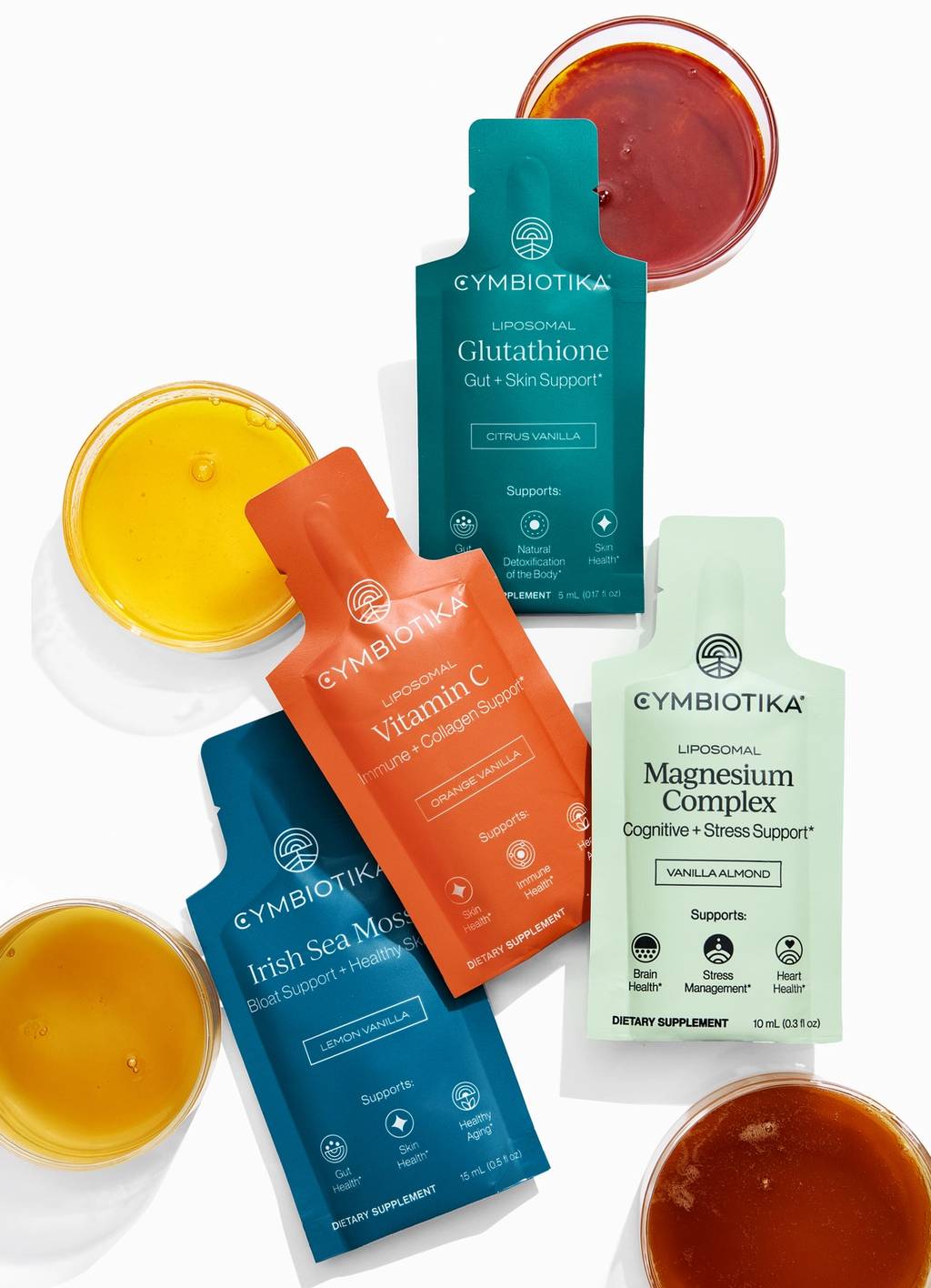
Many teenagers dislike swallowing large pills. Liquid supplements or "pouches" can be much easier to incorporate into a morning routine. Our Liposomal Vitamin C is designed to be taken directly or mixed into a morning smoothie, making it a convenient choice for busy school mornings.

Step 3: Prioritize Bioavailability

Don't just look at the milligrams on the label. Ask if the body can actually use what is inside. Choosing a liposomal format ensures that the teenager is getting the most out of every dose without unnecessary fillers or synthetic binders.

Step 4: Time it Right

Vitamin C can be taken at any time of day, but many find it helpful to take it with breakfast. This can help with iron absorption from their morning meal and ensures they don't forget it as the day gets busier.

What to Look for in a Supplement

When selecting a supplement for your family, transparency is paramount. You should know exactly where the ingredients come from and how they are processed.

  • Purity: Ensure the supplement is free from GMOs, synthetic fillers, and artificial colors.
  • Testing: Look for brands that use third-party testing to verify the potency and purity of their products.
  • Sourcing: High-quality sourcing matters. Whether it's wild-crafted or organic, the origin of the ingredients impacts the final quality.
  • Delivery System: As we’ve discussed, liposomal technology is the gold standard for those who want to ensure the nutrients actually reach their cells.

Our commitment to these standards is why many families trust us for their daily nutrition. We focus on clean, transparent formulations that prioritize the body’s ability to absorb and utilize every ingredient.

Summary of Action Steps

If you are helping a teenager manage their vitamin C intake, here is a quick checklist:

  • Aim for the RDA (65–75 mg) as a daily baseline.
  • Do not exceed the UL (1,800 mg) unless directed by a healthcare provider.
  • Focus on whole foods like bell peppers, citrus, and kiwis first.
  • Use a liposomal supplement to support higher absorption and gut comfort.
  • Encourage consistency rather than occasional high doses.

Key Takeaway: Wellness is not about a single "hero" ingredient or a massive dose; it is about building a sustainable, high-quality routine that supports the body's natural processes.

The Role of Lifestyle in Nutrient Needs

It is important to remember that supplements work best when they are part of a holistic approach to health. For a teenager, this means prioritizing sleep, hydration, and movement alongside their nutritional intake.

Stress, for example, can deplete the body's antioxidant reserves more quickly. If a teenager is going through a period of heavy exams or intense athletic competition, their need for vitamin C and other supportive nutrients like B vitamins and magnesium might increase. Our Liposomal Vitamin B12 + B6 can be a great companion to vitamin C for supporting energy metabolism during these demanding times.

By teaching teenagers to listen to their bodies and provide high-quality "fuel," you are helping them build a foundation for lifelong wellness. If they are unsure where to begin, the Health Quiz can help point them toward a more personalized routine.

Conclusion

Determining how much vitamin C a teenager can take is about finding the balance between meeting their daily needs and respecting the body’s natural limits. While the recommended amount for most teens is under 100 mg, they can safely take up to 1,800 mg per day. However, the quality of that vitamin C and how it is delivered to the cells is what truly determines its value.

We believe that wellness starts with trust—trust in the ingredients, the science, and the routine you build. By choosing bioavailable, clean, and transparent supplements, you are giving the teenager in your life the tools they need to thrive.

  • Stick to the recommended limits for their age group.
  • Prioritize liposomal delivery for better absorption.
  • Combine supplements with a diet rich in fruits and vegetables.

If you’re unsure which supplements are right for your family’s specific needs, we invite you to take the Health Quiz on our website. It is designed to provide personalised recommendations based on your unique goals and lifestyle, helping you build a routine you can actually trust.

FAQ

Is 1000mg of vitamin C too much for a 15 year old?

No, 1000mg is below the Tolerable Upper Intake Level (UL) of 1,800mg for 15-year-olds, so it is generally considered safe for short-term or daily use. However, most of that dose may not be absorbed if it is in a standard tablet form. Many people find that a lower dose in a liposomal format is more effective and gentler on the stomach.

What happens if a teenager takes 2000mg of vitamin C?

Taking 2000mg exceeds the recommended upper limit of 1,800mg for teenagers and may cause digestive issues like diarrhea, nausea, or stomach cramps. While not typically dangerous in the short term, it is best to stay within the recommended limits to avoid discomfort. If symptoms persist, it is important to reduce the dose and consult a healthcare provider.

Can a 14 year old take vitamin C supplements every day?

Yes, a 14-year-old can take vitamin C supplements daily, especially if their diet is low in fruits and vegetables. Consistency is key for water-soluble vitamins like vitamin C since the body doesn't store them. Choosing a high-quality, clean supplement without synthetic fillers ensures they are supporting their health without unnecessary additives.

Does vitamin C help with teenage skin health?

Vitamin C is essential for the production of collagen, which is a primary protein responsible for skin structure and repair. While it won't "cure" specific skin conditions, it may support the skin's natural healing process and provide antioxidant protection against environmental damage. This makes it a helpful part of a general wellness and skincare routine for teenagers.

*These statements have not been evaluated by the Food and Drug Administration. This product is not intended to diagnose, treat, cure, or prevent any disease.

Subscribers get it all

Subscribe today and unlock access to Arise, the ultimate wellness experience.

SAVE BIG

Get over 40% off + FREE shipping on all recurring orders.

FUN FREEBIES

Get free gifts, swag, perks, and more

SAVE BIG

Feel energized & strong with a routine that works!

by / Jun 15, 2026

Back to cart

CONGRATS

Choose Your Free Gift

Thanks for spending $110. Choose one of the three starter kits below.

Are you sure?
We'll remind you before your next
Golden Mind order processes.
We'll remind you before your next
Topical Magnesium order processes.
Are you sure?
Removing will also remove the exclusive discounted item added to your cart.

You're away from a FREE gift!

Add any of the products below to unlock your free gift.

    You've unlocked a FREE gift!

    Thanks for spending $110. Choose one of the three starter kits below.

    Subscribe & Save

    Trusted by 60k+ subscribers

    FOR YOU
    One FREE Month of Golden Mind!
    You've unlocked one FREE month of Golden Mind! Your subscription will renew automatically every 30 days, and we'll remind you before your order processes.
    Cancel anytime in your portal.
    FOR YOU
    One FREE Month of Topical Magnesium Oil!
    You've unlocked one FREE month of Topical Magnesium Oil! Your subscription will renew automatically every 30 days, and we'll remind you before your order processes.
    Cancel anytime in your portal.
    Your Cart ( items)
    Free shipping sitewide.

    For A Healthy, Happy Dad

    Spend $110 and get a free gift

    More subscriptions, more savings

    1

    30% off

    2

    34% off

    3

    38% off

    4

    40% off

    5

    40% off

    Want to save? Add a subscription to get 30% off on it!

    Your cart is currently empty.
    You may also like. . .
    You're Saving:
    Subtotal:
    60-Day money back guarantee*