







Table of Contents
- Introduction
- The Role of Nutrition in Menstrual Health
- Vitamin C and Its Benefits
- Foods Rich in Vitamin C
- Other Essential Nutrients for Menstrual Health
- Integrating Vitamin C into Your Daily Routine
- Conclusion
- FAQ
Introduction
Many women dread the arrival of their monthly cycle, often grappling with various symptoms—painful cramps, fatigue, mood swings, and digestion issues can all come into play. Yet, few consider the role that nutrition can play in mitigating these discomforts. One question that frequently comes up is, "Is it good to take vitamin C during menstruation?" Despite its well-known status as a fortifying nutrient for the immune system, emerging research suggests that vitamin C may also have beneficial implications for menstrual health and wellbeing.
Understanding this relationship not only helps us take proactive steps in managing our symptoms but also empowers us as we navigate the complexities of our menstrual cycles. At Cymbiotika, we believe that wellness starts with trust and transparency. We're dedicated to delivering science-backed supplements and lifestyle tips to keep you feeling your best, especially during challenging times like menstruation. In this blog post, we'll delve into the significance of vitamin C, explore its potential benefits during menstruation, and discuss how to seamlessly incorporate it into our diets.
By the end of this article, you’ll not only understand how vitamin C can impact your menstrual experience, but also gain insights into other essential nutrients that may support overall wellness during this time. Together, let’s explore this vital aspect of our health!
The Role of Nutrition in Menstrual Health
Nutritional deficiencies can significantly affect our experience during menstruation. Common symptoms such as cramps, bloating, and emotional fluctuations can often be exacerbated by a lack of essential vitamins and minerals. When we pay attention to our nutrient intake, we can potentially improve our comfort and reduce the severity of these symptoms.
During menstruation, our bodies experience hormonal shifts, specifically fluctuations in estrogen and progesterone. These hormonal changes influence not only our physical well-being but also our emotional states. Proper nutrition serves as a foundation to help navigate these fluctuations, allowing us to reclaim control over our cycles.
At Cymbiotika, we emphasize the importance of high-quality, science-backed ingredients in our supplements, and our mission is to empower individuals to take charge of their health. By understanding the connection between nutrition and menstrual health, we pave the way for better self-care strategies.
Vitamin C and Its Benefits
Vitamin C, or ascorbic acid, is a water-soluble vitamin that plays numerous roles in the body. It's widely known for its role in collagen synthesis, immune function, and antioxidant protection. However, its influence extends to menstrual health as well. Here's how vitamin C may be beneficial during menstruation:
1. Enhancing Iron Absorption
Vitamin C significantly boosts iron absorption. During menstruation, especially for women who experience heavy bleeding, iron levels can dip. A deficiency in iron can lead to fatigue, weakness, and anemia. Consuming vitamin C-rich foods alongside iron sources can facilitate optimal iron absorption. Here are some examples of iron-rich foods to incorporate:
- Red Meat: Excellent source of heme iron, which is easily absorbed.
- Leafy Greens: Spinach, kale, and other dark greens provide non-heme iron.
- Legumes: Beans, lentils, and chickpeas are great plant-based options.
Pair these foods with vitamin C-rich options, such as citrus fruits, strawberries, or bell peppers, to maximize your dietary benefits.
2. Reducing Inflammation
Period symptoms often involve physical discomfort, primarily due to inflammation. Vitamin C exhibits anti-inflammatory properties, which may help reduce menstrual cramps and associated pain. Regularly including vitamin C in our diets might quell the inflammatory response tied to menstrual discomfort.
3. Supporting Emotional Well-being
Low levels of serotonin are often linked to mood swings and anxiety during our periods. Vitamin C assists in the synthesis of neurotransmitters, including serotonin, and can potentially ease emotional disturbances associated with PMS. By incorporating vitamin C into our diet, we may find improved mood regulation during these challenging times.
4. Balancing Hormones
Vitamin C may play a role in hormone production as well, particularly concerning estrogen and progesterone levels. By maintaining balanced hormones, we can influence menstrual regularity and reduce the severity of symptoms.
Foods Rich in Vitamin C
To harness the benefits of vitamin C during your menstrual cycle, it's essential to incorporate vitamin C-rich foods into your meals. Here are some excellent sources to consider:
- Citrus Fruits: Oranges, lemons, and grapefruits.
- Berries: Strawberries, blueberries, and raspberries pack a nutritional punch.
- Cruciferous Vegetables: Broccoli, Brussels sprouts, and kale.
- Bell Peppers: Not only colorful but also rich in vital nutrients.
Incorporating these foods can transform your meals into a nutrient-dense experience, empowering you during your cycle.
Other Essential Nutrients for Menstrual Health
While vitamin C provides remarkable benefits, we should also pay attention to other essential nutrients that can support menstrual health. At Cymbiotika, we offer a range of supplements that can help address specific needs while keeping our commitment to transparency and quality.
Magnesium
Magnesium is a crucial mineral that may help relax muscles, ultimately easing cramps associated with menstruation. Foods high in magnesium include dark chocolate, avocados, nuts, and leafy greens. Our Magnesium supplement can serve as an excellent addition to your routine during your period.
B Vitamins
B vitamins, particularly B6, have been shown to support mood stability, making them a wise choice during PMS. Foods enriched with B vitamins include poultry, nuts, and dark greens. We encourage exploring our B-vitamin formulations for targeted support.
Zinc
Zinc plays a vital role in hormonal balance and can help alleviate PMS symptoms like bloating and mood swings. Food sources rich in zinc include pumpkin seeds, legumes, and lean meats. Our Zinc supplement can maintain optimal levels, enhancing your menstrual health.
Integrating Vitamin C into Your Daily Routine
Incorporating vitamin C into your daily routine can be seamless and delicious. Here are a few tips to help integrate this essential nutrient:
- Smoothies: Blend citrus fruits or berries into your morning smoothie for a burst of flavor and nutrients.
- Salads: Toss bell peppers and broccoli into your salads for a satisfying crunch.
- Snacks: Keep vitamin C-rich snacks on hand, such as oranges or berries, to munch on throughout the day.
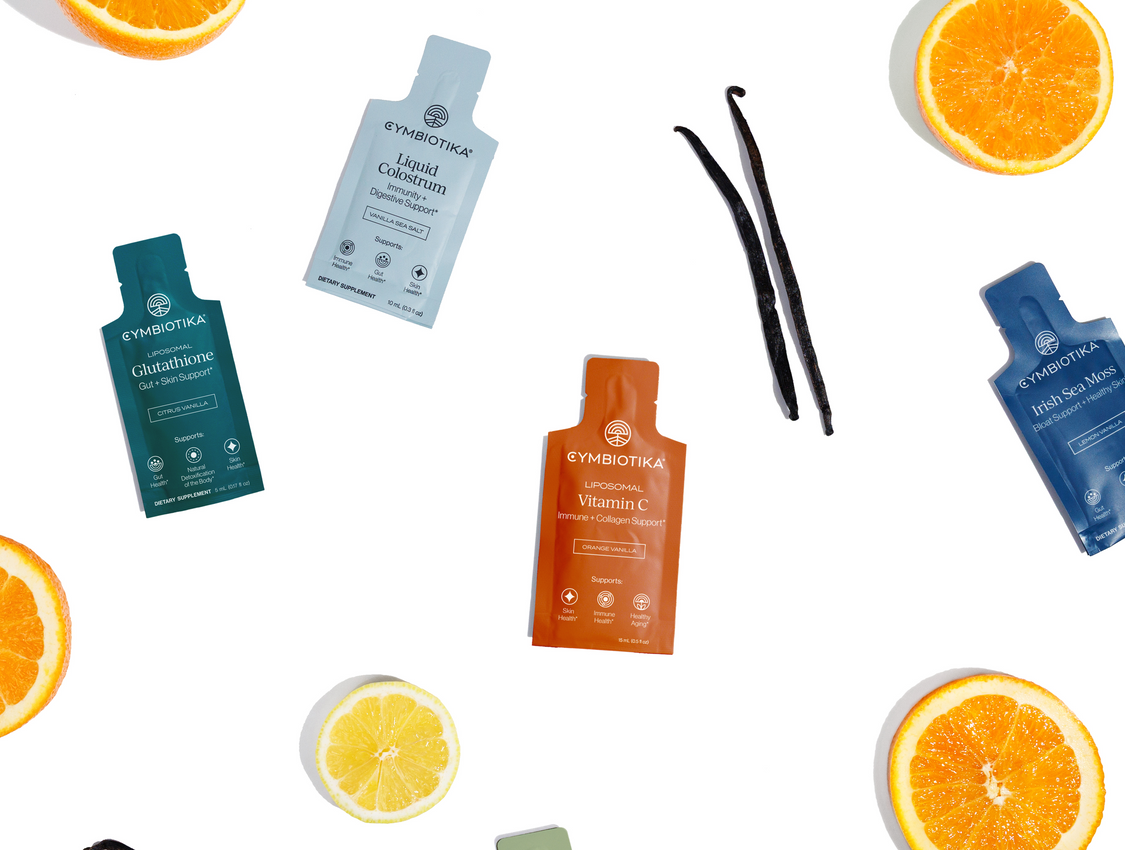
- Supplements: If dietary sources fall short, consider our Vitamin C supplement, featuring bioavailable forms to promote optimal absorption.
Explore Our Collection for Menstrual Wellness
At Cymbiotika, we’re committed to empowering each individual with science-backed supplements. Discover our complete Collection to find products that enhance menstrual health and overall wellness.
Conclusion
Vitamin C stands out as a valuable ally during menstruation, offering benefits that range from improving iron absorption to reducing inflammation and supporting emotional health. Understanding how vitamin C interacts with our cycles empowers us to make informed choices about our nutrition and supplement intake during these pivotal moments in our lives.
Embracing a holistic approach to menstrual health encourages us to take charge of our wellbeing—together, as we prioritize nutrition, we can redefine our monthly experiences. By focusing on quality ingredients and transparency, we at Cymbiotika are dedicated to fostering a community committed to wellness.
FAQ
-
Can vitamin C make my periods heavier? It's generally considered safe; vitamin C is often thought to help reduce heavy bleeding by balancing hormones. However, individual responses vary.
-
How much vitamin C is recommended during menstruation? The recommended dietary allowance (RDA) for adult women typically ranges from 75 to 90 mg per day. Consult with a healthcare provider for personalized recommendations.
-
Are there any side effects of taking vitamin C? Vitamin C is generally safe, but large doses may lead to gastrointestinal discomfort or diarrhea. It's best to monitor your body's response.
-
Which other vitamins should I consider during my period? Besides vitamin C, magnesium, zinc, and B vitamins hold significant benefits in alleviating symptoms. A balanced diet rich in these nutrients can further support your health.
-
Should I consult a doctor before taking vitamin C supplements? Yes, particularly if you have health conditions or are taking medication. A healthcare provider can help ensure safe and effective use.
Embarking on your menstrual journey armed with the right nutritional knowledge enables you to face your cycle confidently. Embrace the power of vitamin C, and let’s thrive together!
*These statements have not been evaluated by the Food and Drug Administration. This product is not intended to diagnose, treat, cure, or prevent any disease.




