







Table of Contents
- The Historical Context of Vitamin C and Health
- The Science Behind Vitamin C
- How Much Vitamin C Should You Take When Sick?
- Safe Ways to Boost Your Vitamin C Intake
- The Role of Lifestyle in Immunity
- Vitamin C Storage and Shelf Life
- Frequently Asked Questions
- Conclusion: Empowering Your Health Choices
As the chill of winter starts to bite and the sneezes and coughs of cold season echo around us, many of us are reaching for that trusty bottle of vitamin C. But have you ever paused to wonder why? With a myriad of advice circulating about vitamin C's role during sickness, it’s essential to ask: how much vitamin C should I take when I'm sick?
This blog aims to unravel the complexities surrounding vitamin C intake during illness. We will delve into its history, the science behind its effectiveness, the recommended dosages, the safety of supplementation, and how our personal health circumstances can influence our needs. Together, we will explore several facets of vitamin C, aiming to empower our community with accurate, science-backed information while steering clear of sensationalist claims.
The Historical Context of Vitamin C and Health
Vitamin C, or ascorbic acid, has been touted as a miracle remedy since the early 20th century. Initially recognized for its role in preventing scurvy—a disease caused by severe vitamin C deficiency—it didn’t take long before people began to associate this vitamin with colds and other health benefits. The claims gained significant traction thanks to the work of notable scientists like Linus Pauling, who in the 1970s encouraged high-dose vitamin C for preventing and treating colds.
However, as time progressed and research expanded, a more nuanced picture emerged. Studies have both supported and challenged these early conclusions, leading to a mix of beliefs about the vitamin's efficacy. At Cymbiotika, we believe that understanding the science behind vitamin C is crucial for making informed choices regarding our health.
The Science Behind Vitamin C
So, why do we turn to vitamin C when we feel a cold coming on? Vitamin C is essential for the proper functioning of the immune system. It helps in the formation of collagen, aids in the absorption of iron, and plays a key role in wound healing. However, the question remains: Does taking vitamin C actually shorten the duration or intensity of a cold?
Research Findings on Vitamin C and Colds
Research has shown mixed findings regarding vitamin C's effectiveness for colds. One review of studies published in the Cochrane Database indicated that while daily vitamin C supplementation does not prevent colds in the general population, it might reduce the duration and severity of symptoms in some groups, especially those undergoing extreme physical stress, such as marathon runners.
On average, daily supplementation at doses of 200mg or higher may cut cold duration by about 8% in adults and 14% in children. This finding suggests that while we may not completely dodge the cold, we can potentially reduce its toll on our bodies. However, it’s vital to remember that these results can vary widely among individuals.
How Much Vitamin C Should You Take When Sick?
The actual amount of vitamin C one should take when they start experiencing cold symptoms isn’t universally agreed upon. While the Recommended Dietary Allowance (RDA) for vitamin C is 90mg for men and 75mg for women, those who are sick often find themselves wondering if they should increase this dose.
General Recommendations
-
Standard Dosage During Sickness: Many health professionals suggest that a daily intake of 1,000 to 3,000 mg of vitamin C can be safely tried by most individuals to see if it lessens the duration of symptoms. However, it’s useful to spread this intake throughout the day rather than taking it all at once.
-
Watch for Side Effects: Intakes above 2,000mg per day may lead to gastrointestinal disturbances, including diarrhea and nausea. It's also important to note that individuals with conditions such as kidney disease should avoid high doses and consult with their healthcare provider.
-
Personalize Your Dosage: Each person's body responds differently. Our community can benefit from assessing their unique health circumstances, lifestyle habits, and existing medical conditions. To find a tailored approach, consider taking our AI quiz.
Safe Ways to Boost Your Vitamin C Intake
There are several ways to enhance your vitamin C intake when you're feeling under the weather. It's always best to strive for a balanced approach, focusing on food sources rich in this essential nutrient.
Food Sources of Vitamin C
While supplements are an easy way to increase vitamin C intake, whole foods provide a wealth of other essential nutrients, too. Here are rich sources of vitamin C to include in your diet:
- Citrus Fruits: Oranges, grapefruits, lemons, and limes are well known for their vitamin C content.
- Berries: Strawberries, raspberries, and blueberries also pack a flavorful punch of vitamin C.
- Vegetables: Bell peppers, broccoli, Brussels sprouts, and spinach are not only nutritious but also rich in vitamin C.
- Other Fruits: Kiwi, pineapple, and cantaloupe are delicious sources packed with vital nutrients.
Supplementation Considerations
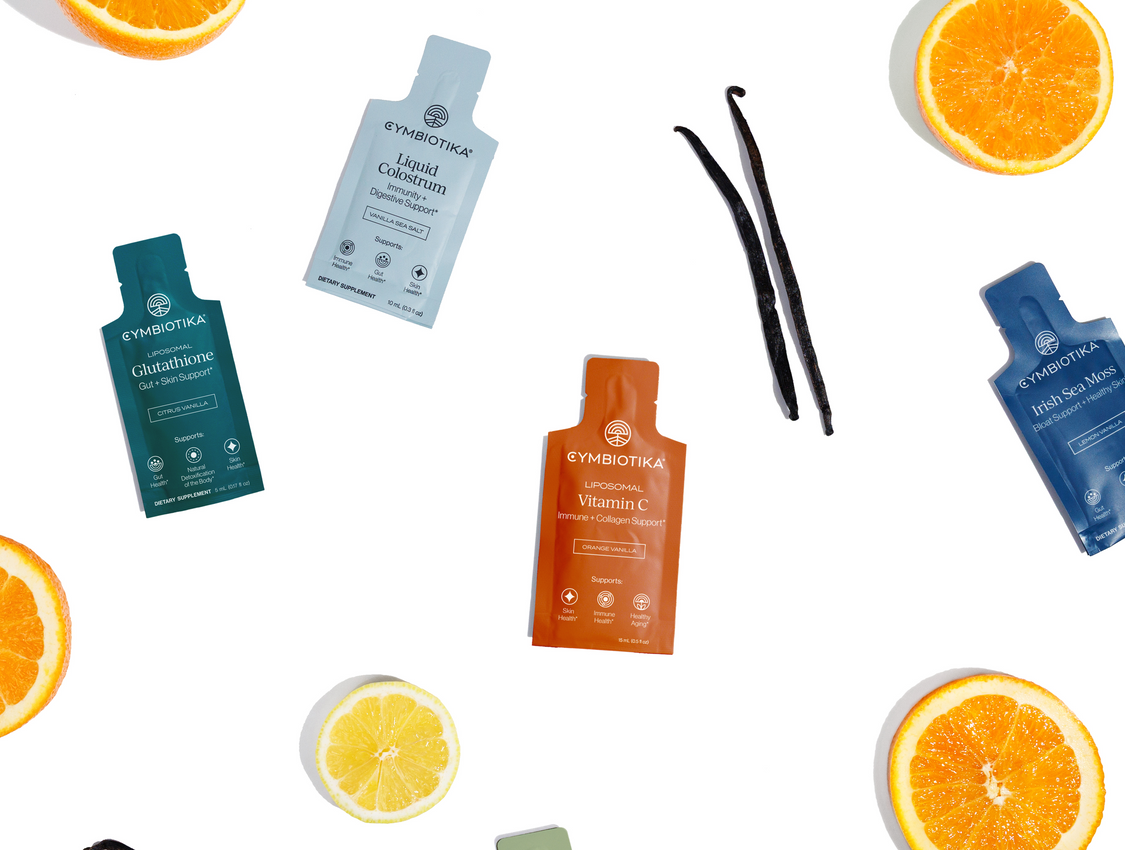
If you find it difficult to consume vitamin C through food alone, a high-quality, science-backed supplement can help. At Cymbiotika, we emphasize the importance of choosing supplements with transparent labels and no hidden ingredients. Our advanced formulations utilize liposomal delivery for optimal bioavailability, which means your body can absorb and utilize the vitamin more effectively.
The Role of Lifestyle in Immunity
While vitamin C plays a supportive role in immune health, it’s crucial to remember that wellness encompasses more than just one vitamin or nutrient. A holistic approach to health is vital for maximizing our immune function, especially during cold season. Here are some lifestyle factors to consider:
-
Nutrition: A balanced diet rich in various vitamins and minerals is essential for maintaining a strong immune system. Include a rainbow of fruits and vegetables in your meals to ensure a range of nutrients.
-
Sleep: Never underestimate the importance of good quality sleep. Sleep deprivation can relax our immune defenses, making us more susceptible to illness.
-
Hydration: Staying well-hydrated aids in overall health and helps our bodies function optimally, especially when fighting off colds.
-
Stress Management: Chronic stress can affect our immune system adversely. Engage in mindfulness practices, adequate rest, physical activity, or hobbies that bring you joy to manage stress effectively.
-
Regular Exercise: Moderate exercise can enhance immunity. Engaging in physical activity regularly helps boost circulation, allowing immune cells to move freely through the body.
Vitamin C Storage and Shelf Life
If you're opting for vitamin C supplements, understanding how to store them can impact their efficacy. Vitamin C is sensitive to air, heat, and light, which can degrade the vitamin over time. To maintain its potency:
- Store supplements in a cool, dark place.
- Keep them in airtight containers.
- Check the expiration date and discard outdated products.
Frequently Asked Questions
Can I get enough vitamin C from my diet alone?
Absolutely! Many people can meet their vitamin C needs through a balanced diet rich in fruits and vegetables. Foods like oranges, strawberries, bell peppers, and broccoli are excellent sources.
What are the signs of vitamin C deficiency?
Symptoms can include fatigue, weakness, swollen gums, and joint pain. If you suspect a deficiency, it's prudent to consult with a healthcare provider.
Is it safe to take high doses of vitamin C?
While high doses (1,000-3,000 mg) are often well tolerated by most people, caution is advised beyond 2,000 mg due to potential gastrointestinal side effects. Always consult a healthcare professional before making significant changes to supplement intake.
Will vitamin C prevent colds?
Current research indicates that while vitamin C may not prevent colds, daily supplementation can potentially reduce the duration and severity of symptoms.
Conclusion: Empowering Your Health Choices
As we navigate the season of colds and sickness, understanding how much vitamin C we should take can empower our health choices. While this essential vitamin is a superb addition to our wellness regimen, it's vital to consider the bigger picture—our overall lifestyle choices, nutritional intake, and the quality of our supplementation.
At Cymbiotika, our mission is to provide transparency, science-backed supplements, and empower our community to take proactive steps towards better health. By exploring the unique needs of our bodies and making informed decisions, together we can cultivate a more resilient and vibrant community. If you’re interested in finding tailored vitamin options, don’t hesitate to take our AI quiz, and discover the best supplement choices for your health needs.
Remember, maintaining good health is not just about a single vitamin; it’s about enduring habits that contribute to our well-being every single day.
*These statements have not been evaluated by the Food and Drug Administration. This product is not intended to diagnose, treat, cure, or prevent any disease.




