







Table of Contents
- The Importance of Vitamin C
- Vitamin C Levels in Breast Milk
- Considerations for Supplementation
- Are There Any Risks?
- Supporting You and Your Baby’s Health
- Conclusion
- FAQ: Vitamin C and Breastfeeding
It’s a beautiful sensation to hold your new baby, feeling their warmth and knowing you are providing them with the essential nourishment they need. But as we embark on this incredible journey called motherhood, questions about dietary choices come to the forefront. One such inquiry that many breastfeeding mothers might have is: Can you take vitamin C while breastfeeding?
This water-soluble vitamin, also known as ascorbic acid, plays an important role in our immune health and overall well-being. However, for new mothers, the focus goes beyond personal health. It’s crucial to ensure that the nutrients required for both themselves and their infant are met.
In this article, we will explore all that you need to know about vitamin C intake during breastfeeding, its significance, how it influences both mother and baby, and guidelines on supplementation. Our aim is to empower you as a mother to make educated decisions regarding your health and wellness. Let’s dive in!
The Importance of Vitamin C
Vitamin C is renowned for its antioxidant properties, contributing to various physiological functions in our bodies. It’s a vital nutrient involved in collagen formation, tissue repair, immune system support, and the absorption of iron from plant-based foods. The body does not store this vitamin, making daily intake essential for maintaining adequate levels.
While most people can obtain sufficient vitamin C through a balanced diet rich in fruits and vegetables, breastfeeding mothers require a higher intake to ensure both they and their nursing infants receive optimal nourishment.
Dietary Recommendations
According to the National Institutes of Health (NIH), the Recommended Dietary Allowance (RDA) for vitamin C during breastfeeding is:
- 120 mg per day for women aged 19 and older
- 115 mg per day for breastfeeding teens aged 14–18
These levels are slightly higher than during pregnancy, reflecting the need for additional nutrients for infants through breast milk.
Food Sources of Vitamin C
Incorporating a variety of vitamin C-rich foods into your daily meals not only supports your nutritional needs but also ensures that your breast milk contains adequate amounts of this vital nutrient for your baby. Some excellent food sources include:
- Citrus fruits (oranges, grapefruits, lemons)
- Bell peppers (especially yellow and red)
- Strawberries
- Kiwi
- Broccoli
- Brussels sprouts
- Tomatoes
- Leafy greens
By incorporating these foods into your diet, you can effortlessly meet your vitamin C needs while enjoying delicious meals.
Signs of Vitamin C Deficiency
Although severe vitamin C deficiency is rare in developed countries, milder deficiencies may occur, especially during the postpartum period. Symptoms of vitamin C deficiency can include:
- Fatigue or feeling unusually tired
- Slow wound healing
- Easy bruising or bleeding gums
- Increased susceptibility to infections
If you experience any of these symptoms, it may be worthwhile to evaluate your diet or consult with a healthcare provider.
Vitamin C Levels in Breast Milk
A well-nourished breastfeeding mother, who consumes adequate amounts of vitamin C, will typically have optimal concentrations of the vitamin in her breast milk. Research has shown that the levels of vitamin C in breast milk are influenced predominantly by the mother’s dietary intake. In fact, studies have shown that within 30 minutes of taking vitamin C, its concentration can increase notably in breast milk.
How Vitamin C in Diet Influences Breast Milk
A study indicated that dietary vitamin C has a more significant influence on breast milk levels than supplementation. Among well-nourished mothers, increasing dietary intake of vitamin C tends to yield moderate increases in milk concentration, while supplemental forms of vitamin C appear to result in only slight variances.
Conversely, for mothers with low vitamin C intake, supplementation through higher doses can lead to significant increases in breast milk vitamin C levels. This emphasizes the importance of a balanced diet for breastfeeding mothers.
Safety of Vitamin C Supplements
For most breastfeeding mothers, obtaining vitamin C through food is adequate. However, certain conditions may warrant supplementation. If you believe your diet may not be providing sufficient vitamin C or if you have specific dietary restrictions, consulting with a healthcare provider about supplementation is advisable.
The NIH recommends a tolerable upper intake level of 2000 mg/day for breastfeeding women, addressing potential concerns about excessive intake. While vitamin C has low toxicity, high doses can lead to gastrointestinal distress, including nausea and diarrhea.
Considerations for Supplementation
When discussing whether you can take vitamin C while breastfeeding, it’s essential to examine a few key considerations.
Individual Nutritional Needs
Every mother’s nutritional requirements may vary based on factors such as dietary restrictions, health status, and lifestyle. For instance:
- Dietary Restrictions: If you follow a vegan or vegetarian diet, it’s crucial to ensure you have sufficient sources of vitamin C and overall nutrients.
- Smoking: Mothers who smoke require higher levels of vitamin C compared to non-smokers, as smoking reduces the body’s vitamin C levels.
- Recovery Period: Post-surgical mothers or those who have experienced significant blood loss may benefit from additional supplementation.
In such instances, discussing your unique needs with a registered dietitian or healthcare provider can help tailor an appropriate dietary plan.
Consultations with a Healthcare Provider
Engaging with your healthcare provider can yield vital knowledge on safe supplementation. While most prenatal vitamins contain vitamin C, if you're considering standalone supplements or higher doses, ensuring that you do this safely while breastfeeding is crucial to avoid potential side effects or complications.
Are There Any Risks?
While vitamin C is generally considered safe, excessive intake can lead to certain risks for both the mother and the infant. High doses of vitamin C may cause specific adverse effects, including:
- Gastrointestinal discomfort
- Potential metabolic effects that could influence the liver metabolism of both the mother and the infant
- In rare cases, excessive vitamin C could lead infants to experience rebound scurvy.
Thus, it is essential to maintain consumption within the recommended limits.
Supporting You and Your Baby’s Health
At Cymbiotika, we believe in the power of nutrition to enhance wellness for both mothers and their babies. Our science-backed supplements prioritize quality and transparency, ensuring you feel confident about nourishing yourself through breastfeeding.
Explore Our Vitamin C Collection
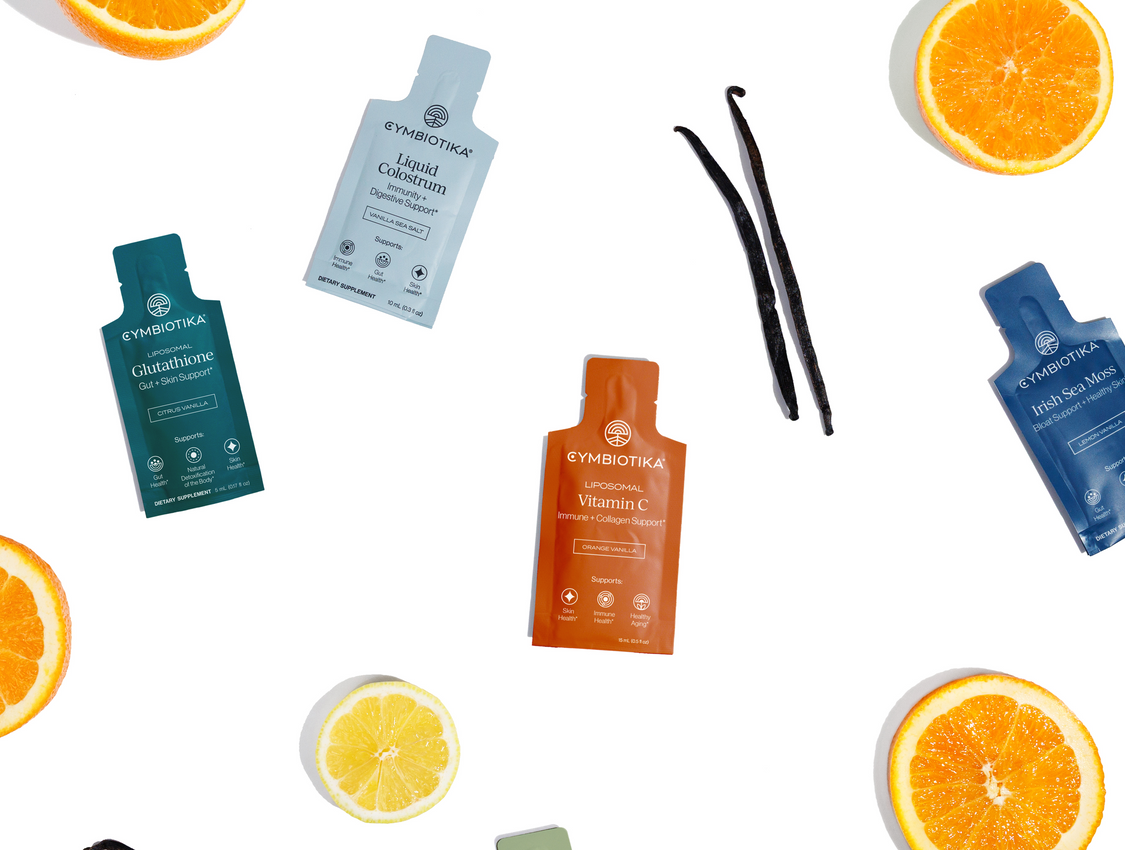
If you feel like supplementing your vitamin C intake, we invite you to explore our tailored Vitamin C collection. Our carefully formulated products work to enhance your health while supporting your breastfeeding journey. You can check out the collection here.
Furthermore, to help guide you through your wellness journey, take our AI quiz for personalized recommendations on the best supplements for your specific needs. Start your health journey with us by taking our AI quiz today!
Conclusion
In summary, vitamin C is a vital nutrient for breastfeeding mothers, contributing to immune health and supporting both maternal and infant well-being. Yes, you can take vitamin C while breastfeeding, so long as you keep your intake within recommended limits. Whole food sources are ideal for meeting your vitamin C needs, but supplementation can be safe and beneficial when evaluated for your unique circumstances.
Navigating nutrition postpartum doesn’t have to be daunting. We’re here to support you every step of the way, empowering you to embrace your health journey with knowledge and confidence.
FAQ: Vitamin C and Breastfeeding
Q: Is it safe to take a vitamin C supplement while breastfeeding?
A: Yes, vitamin C supplements are safe when taken at recommended doses. Most postnatal vitamins contain the required amount.
Q: Can I take too much vitamin C?
A: Yes, excessive vitamin C (over 2000 mg/day) can result in gastrointestinal issues. It’s advisable to stick to the recommended levels unless advised otherwise by a healthcare provider.
Q: Will not getting enough vitamin C affect my baby?
A: Your body prioritizes transferring vitamin C to your baby through breast milk. If your intake is consistently too low, it may negatively affect both your health and your baby’s.
Q: Should I worry about vitamin C if I eat healthy?
A: If your diet includes a variety of fruits and vegetables, you are likely meeting your vitamin C needs. However, checking in with your healthcare provider or a lactation specialist is always a great idea for personalized advice.
Together, let’s nurture both your health and the health of your little one through mindful dietary practices and informed choices. Your wellness journey is important, and at Cymbiotika, we’re dedicated to supporting you every step of the way.
*These statements have not been evaluated by the Food and Drug Administration. This product is not intended to diagnose, treat, cure, or prevent any disease.




