Aug 05, 2026

Can Vitamin D3 Be Taken With Vitamin C?

Table of Contents

  1. Introduction
  2. The Science of Combining Vitamin D3 and Vitamin C
  3. Why Bioavailability Changes Everything
  4. The Role of Vitamin C in Your Routine
  5. Understanding Vitamin D3 and Its Partners
  6. Practical Steps for Taking Vitamin D3 and Vitamin C Together
  7. The Benefits of a Combined Approach
  8. Identifying Quality in a Crowded Market
  9. Potential Side Effects and Considerations
  10. Addressing the Magnesium Connection
  11. How to Build Your Personal Wellness Stack
  12. Conclusion
  13. FAQ

Introduction

Building a daily supplement routine often feels like a complex balancing act. When you are looking to support your immune system or maintain energy levels, you might find yourself staring at several different bottles, wondering if the contents play well together. A common question that arises for many health-conscious individuals is whether they can take Vitamin D3 and Vitamin C at the same time.

The short answer is a definitive yes. These two essential nutrients are not only safe to take together, but they also serve as the foundation for many wellness protocols. At Cymbiotika, we focus on how nutrients interact with your biology to ensure you are getting the most out of every dose. Understanding how these two vitamins function in the body can help you build a routine that actually works.

In this guide, we will explore the relationship between Vitamin D3 and Vitamin C, the importance of delivery methods for absorption, and how to structure your daily intake for the best results. By the end, you will have a clear understanding of why these vitamins are a powerful pairing and how to choose the right forms for your unique needs.

The Science of Combining Vitamin D3 and Vitamin C

While Vitamin D3 and Vitamin C are both vital for your health, they belong to different "families" of nutrients based on how they dissolve. Vitamin C, also known as ascorbic acid, is a water-soluble vitamin. This means your body uses what it needs and typically flushes out the excess through your system. Because the body does not store Vitamin C long-term, consistent daily intake is often necessary to maintain healthy levels.

On the other hand, Vitamin D3 (cholecalciferol) is a fat-soluble vitamin. Unlike its water-soluble counterparts, Vitamin D3 is stored in the body’s fatty tissues and the liver. Because of these distinct absorption pathways, there is no biochemical conflict between the two. In fact, taking them together is common in both multivitamins and personalized supplement stacks.

Key Takeaway: Vitamin D3 and Vitamin C utilize different absorption pathways—one through fat and the other through water—meaning they do not compete for uptake in the body.

The body relies on Vitamin C to support the production of collagen and to act as a primary antioxidant. Meanwhile, Vitamin D3 acts more like a hormone, influencing everything from bone health to how our cells communicate. When taken together, they cover a broad spectrum of cellular needs without interfering with one another’s efficacy.

Why Bioavailability Changes Everything

One of the most overlooked aspects of supplementation is not what you take, but how much of it your body actually absorbs. This is a concept known as bioavailability. Most standard vitamin supplements on the market use traditional compressed tablets or capsules. While these are convenient, they often face a harsh journey through the digestive system.

Standard Vitamin C, for example, can be quite acidic. In high doses, it may lead to digestive discomfort. Furthermore, the body’s ability to absorb large amounts of traditional ascorbic acid is limited; once you hit a certain threshold, the rest is often wasted. Similarly, Vitamin D3 requires a fat source to be absorbed effectively. If you take a standard Vitamin D3 pill on an empty stomach with just a glass of water, you might only be absorbing a fraction of the dose listed on the label.

We believe that a supplement is only as good as its delivery system. This is why we prioritize liposomal technology, as explained in our guide on liposomes 101. A liposome is a tiny, microscopic bubble made of phospholipids—the same material that makes up your own cell membranes. By wrapping Vitamin C or Vitamin D3 in this phospholipid shell, the nutrients are protected from the acidic environment of the stomach and can be delivered more directly to the cells.

Quick Answer: Yes, you can take Vitamin D3 and Vitamin C together. There are no known negative interactions between them, and combining them may provide comprehensive support for immune and cellular health.

The Role of Vitamin C in Your Routine

Vitamin C is perhaps the most well-known nutrient for immune support, but its responsibilities go far beyond that. It is a critical cofactor in the synthesis of collagen, which provides structure to your skin, joints, and connective tissues. It also plays a major role in how the body handles oxidative stress.

Every day, our bodies are exposed to environmental stressors like pollution and UV rays. These can create free radicals—unstable molecules that can damage cells. Vitamin C acts as an antioxidant, donating electrons to neutralize these free radicals. However, the quality of your Vitamin C matters.

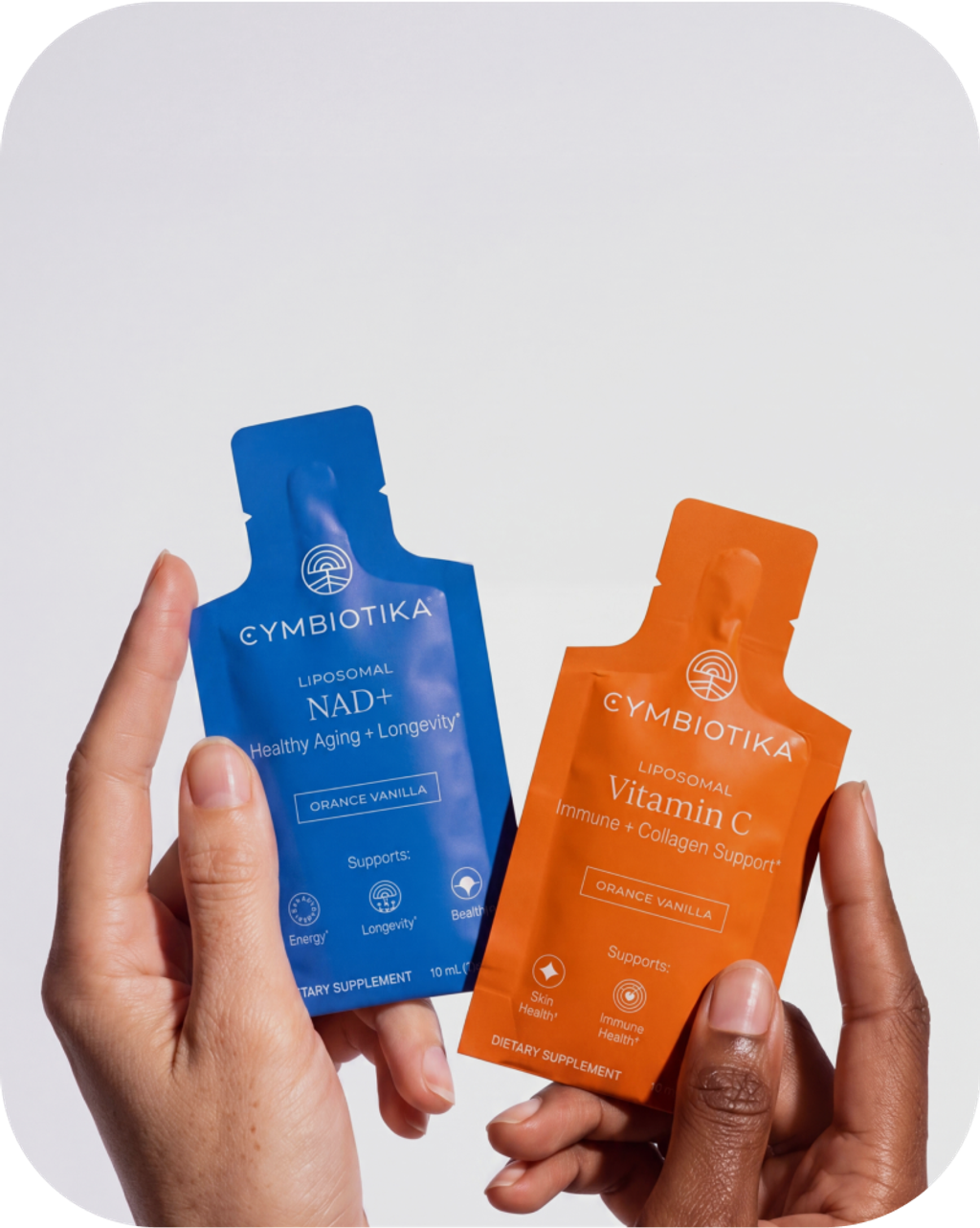
Our Liposomal Vitamin C is designed to solve the two biggest hurdles of Vitamin C supplementation: absorption and gastric upset. By using a liposomal delivery system, the Vitamin C is shielded, allowing for higher bioavailability without the digestive friction often associated with standard powders or pills. This ensures your body can actually use the nutrient to support the immune system and healthy aging.

Understanding Vitamin D3 and Its Partners

Vitamin D3 is often called the "sunshine vitamin" because our skin produces it in response to UV light. However, many factors—including geography, time spent indoors, and sunscreen use—can lead to lower-than-ideal levels. Unlike Vitamin C, which works largely on the front lines as an antioxidant, Vitamin D3 works deeper, modulating the immune system and supporting the absorption of minerals like calcium.

It is important to note that Vitamin D3 rarely works alone. To function optimally, it needs specific partners:

  • Vitamin K2: This vitamin helps direct calcium out of the bloodstream and into the bones where it belongs. Taking high doses of Vitamin D3 without K2 can sometimes lead to calcium ending up in the wrong places.
  • Magnesium: This mineral is required for the enzymes that metabolize Vitamin D. If you are low on magnesium, your body may struggle to convert Vitamin D into its active form.
  • CoQ10: An antioxidant that supports cellular energy (ATP) production, often paired with D3 for cardiovascular and energy support.

Our Liposomal Vitamin D3 + K2 + CoQ10 provides a balanced approach. By including these cofactors in a single, highly bioavailable format, we ensure the body has the tools it needs to process Vitamin D3 safely and effectively.

Practical Steps for Taking Vitamin D3 and Vitamin C Together

If you are looking to integrate these into your morning or afternoon routine, here is a simple strategy to maximize their impact.

Step 1: Check your delivery format. Choose liposomal versions of both vitamins if possible. This bypasses the need for high-dose "megadosing" because the body can actually absorb what is provided. For a deeper look at the category, explore the Liposomal Collection.

Step 2: Time your intake with a meal. While liposomal vitamins are more flexible, Vitamin D3 is naturally fat-soluble. Taking your supplements with a breakfast or lunch that contains healthy fats—like avocado, eggs, or nuts—can further support the absorption of the D3 component.

Step 3: Stay consistent. Vitamins are not "one-and-done" solutions. They work best when they are part of a predictable daily habit. Many people find that taking their "immune stack" (C and D3) first thing in the morning helps them stay consistent.

Step 4: Monitor your levels. While Vitamin C is difficult to overdo because it is water-soluble, Vitamin D3 levels can build up over time. It is always a good idea to have your levels tested by a healthcare professional once or twice a year to adjust your serving size as needed.

Key Takeaway: To optimize your routine, take Vitamin D3 and Vitamin C together with a meal containing healthy fats, and prioritize liposomal formats to ensure the nutrients reach your cells.

The Benefits of a Combined Approach

When you combine Vitamin D3 and Vitamin C, you are essentially supporting your body’s defenses from two different angles. Think of your immune system like a complex security network. Vitamin C acts like the patrolling guards—it is an antioxidant that quickly responds to immediate threats and protects cells from damage. Vitamin D3 acts more like the command center, sending out signals that help the system stay balanced and responsive over the long term.

Beyond immunity, this combination may support:

  • Healthy Skin: Vitamin C supports collagen production, while Vitamin D3 supports skin cell growth and repair.
  • Energy Metabolism: Vitamin C helps with the absorption of iron, and D3 is linked to muscle function and cellular energy.
  • Healthy Aging: Both vitamins play a role in protecting the body against the cellular wear and tear that comes with getting older.

If you want to explore more formulas in this benefit area, take a look at the Immunity Supplements collection and the Healthy Aging Supplements collection.

Identifying Quality in a Crowded Market

The supplement aisle can be overwhelming, with thousands of products making similar claims. When choosing between options, transparency should be your top priority. Many standard supplements contain synthetic fillers, artificial colors, or flow agents like magnesium stearate that serve no purpose for your health.

We believe wellness starts with trust. This means every ingredient should be there for a reason, and every claim should be backed by the science of bioavailability. When looking for Vitamin D3 or Vitamin C, ask these questions:

  1. Is the product third-party tested for purity and potency?
  2. Does it use a delivery system (like liposomes) that ensures I actually absorb the nutrients?
  3. Are there unnecessary fillers or sugars included?
  4. Is the Vitamin D3 sourced responsibly (such as from lichen or high-quality lanolin)?

If you are building a routine from the ground up, the Cymbiotika Expert is a helpful next step for personalized guidance.

Potential Side Effects and Considerations

For most people, taking Vitamin D3 and Vitamin C together is perfectly safe. However, there are a few things to keep in mind to ensure you feel your best.

With traditional Vitamin C tablets, very high doses (usually over 2,000 mg) can lead to loose stools or stomach cramps. Switching to a liposomal format usually eliminates this issue because the nutrient is encapsulated and more "gentle" on the gut.

With Vitamin D3, the primary concern is taking excessively high doses for long periods without monitoring your blood levels. Since it is fat-soluble, it does stay in the system longer. Always look for a balanced formula that includes Vitamin K2 to ensure proper calcium management. If you have specific health concerns or are taking prescription medications, it is always wise to consult with your healthcare provider before starting a new routine.

Myth: You shouldn't take Vitamin C and D3 together because they cancel each other out. Fact: There is no scientific evidence that these vitamins interfere with each other. They use different transport systems and can be taken at the same time without issue.

Addressing the Magnesium Connection

If you are taking Vitamin D3, you should also consider your magnesium levels. Magnesium is a vital mineral that many people are unknowingly low on. It is involved in over 300 biochemical reactions, including the activation of Vitamin D.

If your magnesium levels are low, your body may struggle to use the Vitamin D3 you are taking, which can lead to stagnant levels even with supplementation. Adding a high-quality Liposomal Magnesium Complex to your routine—perhaps taken in the evening to support relaxation—can be the missing piece of the puzzle for Vitamin D3 efficacy.

For a deeper dive into the pairing, read more about which magnesium is best to take with vitamin D3.

How to Build Your Personal Wellness Stack

Everyone’s biological needs are different. A person living in a cloudy climate may need more Vitamin D3 than someone in a sunny region. Similarly, someone with a high-stress lifestyle might utilize Vitamin C more quickly.

A great way to cut through the confusion is to use tools designed to personalize your nutrition. We offer a Supplement Quiz that looks at your specific goals and lifestyle to recommend a routine that fits you. Instead of guessing which vitamins you need, you can build a stack based on data and transparency.

Conclusion

Can Vitamin D3 be taken with Vitamin C? Not only can they be taken together, but doing so is a practical and effective way to support your daily wellness. By understanding that Vitamin C offers immediate antioxidant support while Vitamin D3 provides long-term cellular and immune modulation, you can see why this pair is so popular.

However, the "what" is only half the story. The "how" is where the real results happen. By prioritizing bioavailability through liposomal delivery and ensuring you have the necessary cofactors like Vitamin K2 and Magnesium, you turn a simple habit into a powerful strategy for health.

At Cymbiotika, our mission is to empower you with the tools and education needed to take ownership of your health. We focus on clean, science-backed formulations and total transparency so you can feel confident in what you are putting into your body.

Next Steps for Your Routine:

  • Switch to liposomal formats to maximize your absorption and minimize waste.
  • Pair Vitamin D3 with healthy fats and Vitamin K2 for optimal safety and efficacy.
  • Consider your magnesium intake to ensure your Vitamin D3 can actually go to work.
  • Take our Cymbiotika Expert to receive a personalized recommendation for your unique goals.

"Wellness is not a destination, but a series of small, consistent choices that support your body's natural ability to thrive."

FAQ

What is the best time of day to take Vitamin D3 and Vitamin C?

Many people prefer taking them in the morning to establish a consistent habit. Since Vitamin D3 is fat-soluble, it is most effective when taken with a meal containing healthy fats like eggs, avocado, or yogurt. Vitamin C can be taken at any time, but taking them together with breakfast is a simple way to stay on track.

Can I take Vitamin D3 and Vitamin C on an empty stomach?

Standard Vitamin C can sometimes cause acidity or stomach upset if taken without food. However, liposomal Vitamin C is much gentler and can usually be taken on an empty stomach. For Vitamin D3, while it won't necessarily hurt your stomach, it requires fat for proper absorption, so taking it with food is highly recommended.

Why does Cymbiotika use liposomal delivery for these vitamins?

Liposomal delivery wraps the vitamins in a phospholipid layer, which protects them from being broken down by stomach acid. This allows the nutrients to be absorbed more efficiently into the bloodstream and delivered directly to your cells. It significantly increases bioavailability compared to standard tablets or capsules.

Do I really need Vitamin K2 if I am taking Vitamin D3?

While not strictly "mandatory" for the D3 to work, Vitamin K2 is highly recommended. Vitamin D3 helps your body absorb calcium, but Vitamin K2 ensures that the calcium is deposited into your bones and teeth rather than accumulating in your arteries. Taking them together provides a safer and more balanced approach to bone and cardiovascular health.

*These statements have not been evaluated by the Food and Drug Administration. This product is not intended to diagnose, treat, cure, or prevent any disease.

Subscribers get it all

Subscribe today and unlock access to Arise, the ultimate wellness experience.

SAVE BIG

Get over 40% off + FREE shipping on all recurring orders.

FUN FREEBIES

Get free gifts, swag, perks, and more

SAVE BIG

Feel energized & strong with a routine that works!

by / Aug 05, 2026

Back to cart

CONGRATS

Choose Your Free Gift

As a thank-you for subscribing, choose one complimentary product below.

Are you sure?
We'll remind you before your next
Golden Mind order processes.
We'll remind you before your next
Topical Magnesium order processes.
Are you sure?
Removing will also remove the exclusive discounted item added to your cart.

You're away from a FREE gift!

Add any of the products below to unlock your free gift.

    You've unlocked a FREE gift!

    Thanks for spending $110. Choose one of the three starter kits below.

    Subscribe & Save

    Trusted by 60k+ subscribers

    FOR YOU
    One FREE Month of Golden Mind!
    You've unlocked one FREE month of Golden Mind! Your subscription will renew automatically every 30 days, and we'll remind you before your order processes.
    Cancel anytime in your portal.
    FOR YOU
    One FREE Month of Topical Magnesium Oil!
    You've unlocked one FREE month of Topical Magnesium Oil! Your subscription will renew automatically every 30 days, and we'll remind you before your order processes.
    Cancel anytime in your portal.
    Your Cart ( items)

    in savings and perks unlocked with your order!

    Free shipping sitewide.

    More subscriptions, more savings

    1

    30% off

    2

    34% off

    3

    38% off

    4

    40% off

    5

    40% off

    Want to save? Add a subscription to get 30% off on it!

    Add items to your cart

    Browse our products and add items to start your order.

    You may also like. . .
    You may also like
    60-Day money back guarantee*