







Table of Contents
- Introduction
- The Role of Vitamin C in the Body
- Should Vitamin C Be Taken on an Empty Stomach?
- How Much Vitamin C Do You Need?
- Types of Vitamin C Supplements
- Tips for Maximizing Vitamin C Absorption
- Conclusion
Is your journey to optimal health defined by the small, daily supplements you take? Vitamin C, a staple in many wellness routines, is often at the forefront of this quest. Yet, a common question lingers for many of us: Can I take vitamin C with an empty stomach? This question isn't merely about convenience; it addresses the very effectiveness of how we absorb a crucial nutrient that supports our immune health, skin vitality, and overall wellbeing.
We're diving deep into the world of vitamin C—exploring its essential roles in our bodies, optimal timing for intake, dosage recommendations, and much more. By the end of this post, you'll be empowered to make informed choices about how, when, and why to incorporate vitamin C into your health regime.
Introduction
Consider this: each morning, you wake up excited to start your day with a fresh green smoothie, packed with vitamins and nutrients. But as you throw in that scoop of vitamin C powder, you wonder, Should I take this on an empty stomach? This simple question can set the tone for your day—and your health journey.
Vitamin C, or ascorbic acid, is a water-soluble vitamin that plays numerous vital roles in our health and wellbeing. From supporting our immune system to promoting collagen production for healthy skin, the benefits of vitamin C are well-documented. However, the timing of how we consume this vitamin can significantly affect its absorption and benefits.
In this post, we aim to clarify whether it's best to consume vitamin C on an empty stomach or with food and delve deeper into everything surrounding this discussion. Together, we will explore:
- The essential functions of vitamin C in the body
- Guidelines on the timing and dosage for vitamin C supplementation
- Different types of vitamin C supplements available
- Practical tips for maximizing absorption
- And our mission at Cymbiotika in supporting your wellness journey with high-quality, science-backed products
So, let's get started!
The Role of Vitamin C in the Body
Vitamin C is often lauded as one of the most essential nutrients we can consume, and it's easy to see why. Here are some of the fundamental roles it plays in maintaining our health:
Immune Function
Vitamin C is critical for the immune system, as it supports various cellular functions that enhance our body's ability to ward off infections and diseases. Regular intake can help keep our immune defenses robust, especially during cold and flu seasons.
Antioxidant Properties
As a powerful antioxidant, vitamin C neutralizes free radicals—unstable molecules that can cause cellular damage and contribute to aging and various health conditions. This protective effect is crucial for maintaining overall health.
Collagen Production
Collagen, the most abundant protein in our bodies, is vital for our skin, joints, and connective tissues. Vitamin C acts as a co-factor in collagen synthesis, ensuring that our bodies can produce this necessary structural protein.
Wound Healing
The role of vitamin C in wound healing is significant. By promoting new tissue formation and regeneration, it can help speed up recovery and maintain skin integrity.
Iron Absorption
Vitamin C enhances the absorption of non-heme iron from plant sources, making it particularly important for individuals following vegetarian or vegan diets. By pairing these two nutrients, we can improve our overall iron levels and combat deficiencies.
Considering these vital roles underscores the importance of ensuring adequate vitamin C intake. Given that our bodies cannot produce this vitamin, we must obtain it through our diet or supplementation, relying on clean and transparent products, such as those offered by Cymbiotika.
Summary of Key Points:
- Vitamin C supports immune health, acts as an antioxidant, aids in collagen production, facilitates wound healing, and enhances iron absorption.
- Adequate intake is crucial, as our bodies cannot manufacture it.
Should Vitamin C Be Taken on an Empty Stomach?
Most healthcare practitioners recommend taking vitamin C on an empty stomach for optimal absorption. But what does the science say about this practice?
Absorption Dynamics
Vitamin C is a water-soluble vitamin, which means it does not require fat for absorption, unlike fat-soluble vitamins (A, D, E, K). This unique characteristic allows vitamin C to be absorbed directly into the bloodstream when taken on an empty stomach.
Reduced Competition
When consumed with food, vitamin C competes with other nutrients for absorption. This competition can reduce the amount of vitamin C that our bodies can effectively utilize. By taking it empty, we eliminate this competition, maximizing our intake.
Timing Considerations
Health experts often suggest taking vitamin C first thing in the morning or at least 30 minutes before meals. This modus operandi not only helps to set a positive foundation for our health that day but also helps maintain energy levels.
Potential Side Effects
While many can handle vitamin C without issue in the morning, some individuals may experience gastrointestinal discomfort on an empty stomach. In such cases, it's worthwhile to consider taking it after a light meal or opting for buffered formulations that reduce acidity and enhance tolerance.
Summary of Key Points:
- Taking vitamin C on an empty stomach can enhance absorption and efficacy.
- Some individuals may need to adjust timing based on personal tolerance and comfort preferences.
How Much Vitamin C Do You Need?
Understanding the appropriate dosage of vitamin C is essential to ensure we meet our body’s unique demands. The Recommended Dietary Allowance (RDA) varies based on age, sex, and specific life stages:
- Adult Women: 75 mg/day
- Adult Men: 90 mg/day
- Pregnant Women: 85 mg/day
- Lactating Women: 120 mg/day
Factors Influencing Requirements
For those with elevated needs—such as athletes, individuals under chronic stress, smokers, or anyone recovering from illness—higher doses may be beneficial. Some studies suggest daily supplementation up to 2,000 mg is safe for most people, but this should be approached cautiously and customized based on individual health needs.
Summary of Key Points:
- Recommended intake varies by demographic factors.
- Higher doses may be beneficial for those with specific health conditions or lifestyle factors.
Types of Vitamin C Supplements
There are various forms of vitamin C available on the market. Understanding these can help us choose the right one for our individual needs:
Ascorbic Acid
This is the most common and widely recognized form of vitamin C. It's effective but can cause gastrointestinal distress in some individuals.
Buffered Vitamin C
Ideal for those with sensitive stomachs, buffered vitamin C is mixed with alkaline minerals (like magnesium) that neutralize acidity, making it gentler on the digestive system.
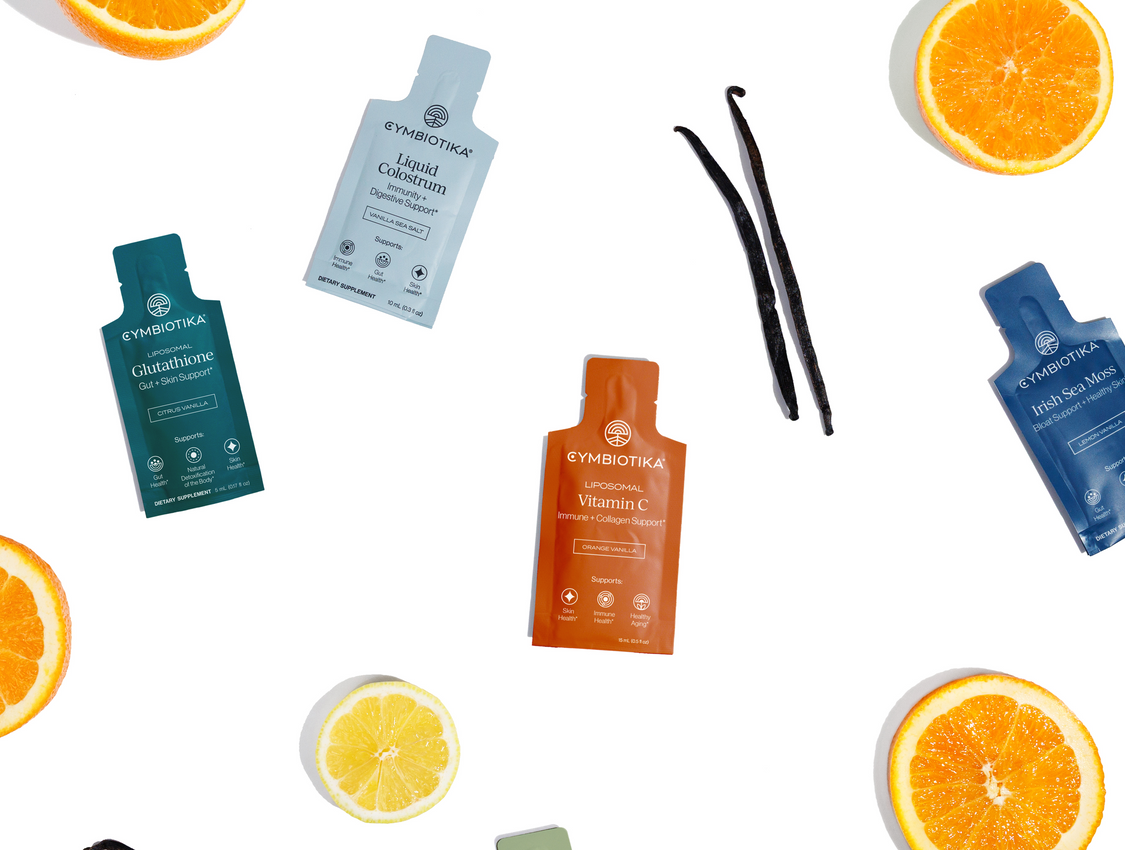
Liposomal Vitamin C
This advanced form encapsulates vitamin C in tiny lipid bubbles (liposomes) to enhance absorption and protect it from degradation. Research shows that liposomal formulations can lead to higher bioavailability.
Whole Food Sources
It’s always ideal to prioritize food sources rich in vitamin C, such as citrus fruits, bell peppers, kiwi, and broccoli, as they provide additional nutrients and fibers that support overall health.
Summary of Key Points:
- Various forms of vitamin C supplements exist, with buffered and liposomal varieties being gentler and more effective for some individuals.
- Whole food sources provide a nourishing method to boost vitamin C intake and should be emphasized alongside supplementation.
Tips for Maximizing Vitamin C Absorption
To truly tap into the benefits of vitamin C and enhance its absorption, consider the following strategies:
Choose the Right Supplement Form
If you're sensitive to ascorbic acid, consider choosing buffered or liposomal vitamin C options to improve comfort and absorption.
Incorporate Whole Foods
Make it a priority to include vitamin C-rich foods in your diet. Doing so not only adds variety but also maximizes nutrient intake.
Timing Matters
As previously discussed, aim to take your vitamin C first thing in the morning or at least 30 minutes before a meal for the best absorption.
Adjust Dosage if Necessary
If experiencing gastrointestinal discomfort, reduce the dose slightly to find a comfortable balance.
Summary of Key Points:
- The right supplement form, inclusive diet, proper timing, and careful dosage adjustments will help maximize vitamin C’s benefits.
Conclusion
In summary, taking vitamin C on an empty stomach is generally regarded as the best practice for optimal absorption due to its water-soluble nature. By understanding its vital roles in our bodies, the recommended dosages, and the various supplement forms available, we can make informed decisions that align with our health goals.
At Cymbiotika, we are committed to ensuring transparency and quality within our products. We believe that together, we can navigate the journey to wellness, using science-backed supplements that empower and support your flourishing health. If you're curious about which vitamin C product might be right for you, we invite you to take our AI quiz at Cymbiotika AI Quiz to find the best supplement tailored just for you.
FAQ
1. Can I take vitamin C with food?
Yes, while vitamin C is best absorbed on an empty stomach, some individuals may prefer to take it with food if they experience gastric discomfort.
2. Is it safe to take high doses of vitamin C?
Vitamin C is generally safe at doses up to 2,000 mg per day. However, always consult a healthcare professional for guidance tailored to your specific health needs.
3. Are there side effects of taking vitamin C?
Some individuals may experience gastrointestinal upset; therefore, it's advisable to monitor your body’s response and adjust your intake accordingly.
4. Can vitamin C prevent colds?
While vitamin C can enhance immune function, it is not guaranteed to prevent illnesses. Regular intake supports overall wellness.
5. Which foods are high in vitamin C?
Foods rich in vitamin C include citrus fruits, strawberries, bell peppers, leafy greens, and various other fruits and vegetables.
Explore our range of clean, high-quality supplements at Cymbiotika, and make informed choices that contribute to your wellness journey!
*These statements have not been evaluated by the Food and Drug Administration. This product is not intended to diagnose, treat, cure, or prevent any disease.




