







Table of Contents
- Introduction
- The Significance of Nutrients During Menstruation
- Nutrients Essential for Menstrual Health: Highlighting Vitamin C
- How Vitamin C May Help During Menstruation
- Integrating Vitamin C into Your Diet
- Additional Products for Enhanced Menstrual Health
- Summary and Final Thoughts
- FAQs
When we experience that monthly cycle, it often comes with its fair share of discomforts—from cramps to mood swings. Now, what if someone told you that a simple vitamin could potentially help ease some of those symptoms? Yes, we’re talking about Vitamin C! This powerhouse nutrient is commonly known for its role in supporting immunity, but its effects may also extend to menstrual health.
In this post, we will explore the relationship between Vitamin C and menstruation, shedding light on how it could influence your experience during this time of the month. We will discuss its benefits, the essential nutrients to combine it with, and how to incorporate it into your diet. By the end, you'll have a better understanding of the role Vitamin C plays in our menstrual wellness.
Introduction
Every month, many of us face the array of symptoms that accompany our menstrual cycles—bloated bellies, cramping pain, emotional fluctuations, and fatigue. These discomforts can sometimes feel overwhelming and often lead us to seek remedies, whether they're over-the-counter medications or natural supplements.
Did you know that nutritional deficiencies during this time can exacerbate these symptoms? When we nourish our bodies with the right vitamins and minerals, like Vitamin C, we can potentially ease some of this discomfort. The beauty of this vitamin is not just its immune-boosting properties; it may play a pivotal role in improving our holistic health as well.
With our commitment to transparency and quality at Cymbiotika, we believe that understanding the nutritional elements that can support our well-being is crucial for empowerment. Together, let’s delve deeper into how Vitamin C can fit into your wellness routine, especially during your period.
The Significance of Nutrients During Menstruation
Why Nutrition Matters
Throughout our menstrual cycle, our bodies undergo hormonal fluctuations that can affect how we feel—physically and emotionally. A well-rounded diet during this time is essential for managing symptoms. Nutritional deficits can lead to increased discomfort and may compound existing issues, making it crucial for those who menstruate to prioritize nutrient intake.
A nutrient-rich diet can help reclaim comfort during our periods, thus making our experience more manageable. Vitamin C is one of these beneficial nutrients that has a lot to offer.
The Role of Vitamin C in Menstrual Health
Vitamin C, also known as ascorbic acid, is a water-soluble vitamin with various roles in our body, including:
- Antioxidant Properties: It protects our cells from oxidative stress.
- Collagen Synthesis: Vitamin C is vital for the synthesis of collagen, helping maintain skin, bone, and tissue integrity.
- Enhanced Iron Absorption: Its interaction with iron-rich foods helps prevent anemia, particularly crucial for those who experience heavy bleeding during their periods.
Research suggests that Vitamin C may influence hormonal balance, which is important for alleviating menstrual discomfort.
Nutrients Essential for Menstrual Health: Highlighting Vitamin C
Vitamin C and Iron Absorption
One of the core connections between Vitamin C and menstruation lies in its ability to promote iron absorption—especially critical for those experiencing heavy menstrual bleeding. When paired with iron-rich foods, Vitamin C enhances the absorption process, essential for maintaining energy levels and overall well-being during your period.
Top Iron-Rich Foods to Combine with Vitamin C:
- Red Meat: Enhances iron levels significantly.
- Leafy Greens: Spinach and kale are excellent sources of non-heme iron.
- Legumes: Lentils and beans are great options for plant-based diets.
By combining these iron-rich foods with Vitamin C-rich options such as citrus fruits (oranges, lemons, grapefruits), strawberries, and bell peppers, you can significantly improve iron absorption.
The Comfort Role of Magnesium
Magnesium is another essential nutrient often overlooked during menstruation. This mineral has muscle-relaxant properties that may help alleviate cramps and discomfort. Foods rich in magnesium include:
- Dark Chocolate
- Leafy Greens: Spinach, kale
- Nuts and Seeds: Almonds and cashews are especially good sources.
Incorporating magnesium-rich foods alongside Vitamin C can create a powerful duo to combat menstrual symptoms.
B Vitamins for Mood Regulation
The B vitamins—particularly B6—play a vital role in regulating mood and energy levels. These nutrients can be beneficial during PMS, helping alleviate mood swings. Some great sources of B vitamins include:
- Poultry
- Nuts
- Whole Grains
Ensuring your diet includes these vitamins can positively support emotional well-being throughout your menstrual cycle.
Zinc for Hormonal Balance
Zinc influences hormone production in the body, which regulates menstrual cycles and PMS symptoms. Foods rich in zinc include:
- Pumpkin Seeds
- Chickpeas
- Lean Meats
Incorporating zinc-rich foods can further optimize your hormonal balance, enhancing your overall menstrual health.
How Vitamin C May Help During Menstruation
Reducing Heavy Bleeding
There’s emerging research suggesting that adequate Vitamin C intake may contribute to reducing heavy menstrual bleeding (menorrhagia). Some studies indicate that Vitamin C can positively affect hormonal balance, crucial to minimizing excessive blood loss during periods.
Alleviating Cramps
Vitamin C's role extends beyond iron absorption; it can also help reduce inflammation in the body. Lower levels of inflammation can lead to a decrease in cramps and discomfort. Many women find that incorporating Vitamin C-rich foods into their diets helps mitigate the discomfort associated with menstrual pain.
Empowering Mood and Energy Levels
Mood swings and fatigue are common during menstruation. Vitamin C plays a vital role in stabilizing mood by being a precursor for neurotransmitter production, including serotonin. This can contribute to a more positive emotional experience during your cycle, allowing you to feel more like yourself.
Integrating Vitamin C into Your Diet
Foods Rich in Vitamin C
To tap into the benefits of Vitamin C during your menstrual cycle, consider the following foods:
- Citrus Fruits: Oranges, lemons, grapefruits
- Berries: Strawberries, blueberries, raspberries
- Cruciferous Vegetables: Broccoli, Brussels sprouts
- Bell Peppers: Great in salads or cooked dishes
Supplements for Added Support
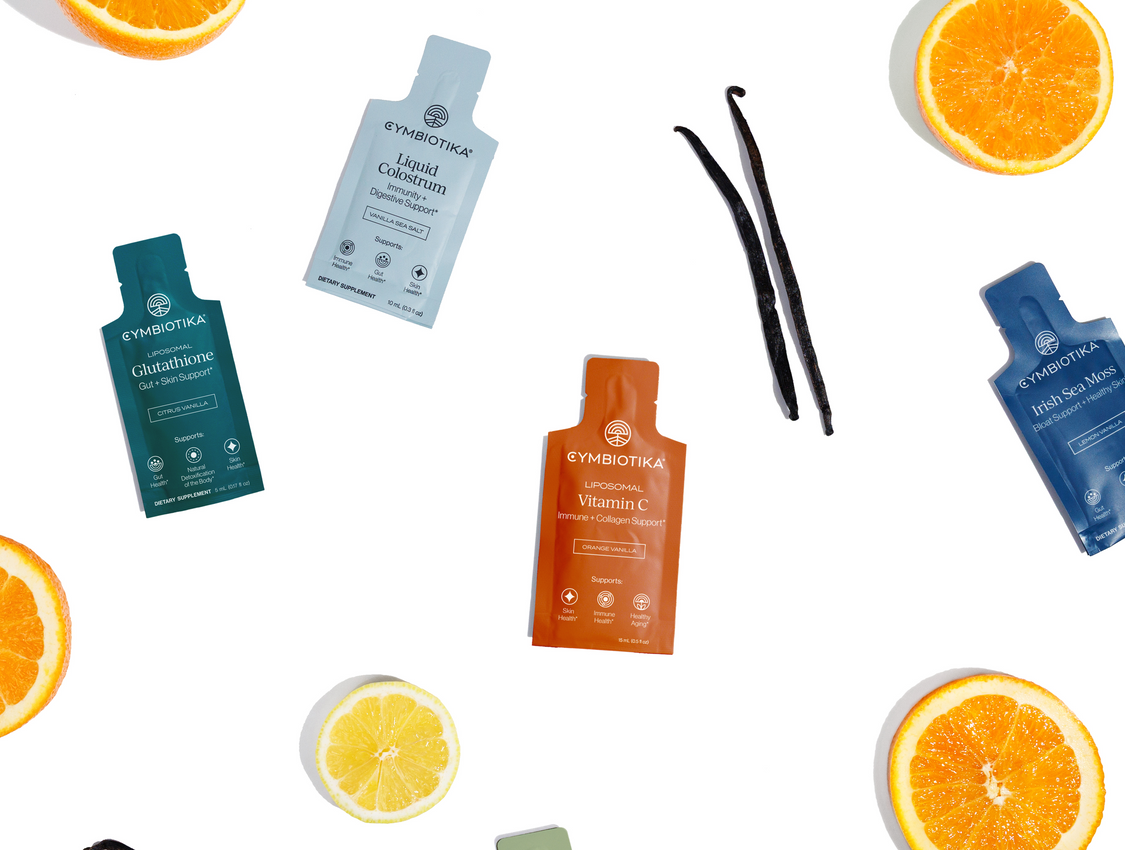
Incorporating a Vitamin C supplement may also be beneficial, especially if you're having trouble meeting your nutritional needs through diet alone. At Cymbiotika, our focus on high-quality, science-backed ingredients means you can trust our Vitamin C supplement to support your immune function and overall wellness.
If you’re considering adding Vitamin C supplements into your routine, it’s always advisable to consult with a healthcare provider to ensure they suit your individual needs.
Additional Products for Enhanced Menstrual Health
While Vitamin C is key, we should also consider other products from Cymbiotika that can complement your nutrient intake during menstruation. Here are a few options:
- Liposomal Iron: Enhances iron levels during your period.
- Magnesium Supplements: Provides muscle relaxation and helps alleviate cramps.
- Hydrate Electrolytes: Maintains hydration, especially during heavy periods.
Explore our full collection at Cymbiotika to discover products that support your wellness during your menstrual cycle. Together, we can empower you on your wellness journey!
Summary and Final Thoughts
In summary, Vitamin C can be a valuable ally during your menstrual cycle. Its role in enhancing iron absorption, reducing inflammation, and stabilizing mood makes it an essential nutrient to include in your diet during this time. At Cymbiotika, we prioritize transparency and quality, ensuring that our supplements support your unique health needs.
As you navigate your menstrual cycle, remember the importance of nutrition—not just for relief but also for empowerment. By making informed dietary choices and incorporating key nutrients like Vitamin C, we can transform our menstrual experience from one of distress to one of wellness.
FAQs
-
Can Vitamin C make my periods heavier?
Vitamin C typically does not affect menstrual flow for most individuals and may even help reduce heavy bleeding by balancing hormones. However, individual responses can vary. -
How much Vitamin C should I take while on my period?
The recommended dietary allowance (RDA) for Vitamin C for adult women generally ranges from 75 to 90 mg per day. For supplementation, it’s best to consult with a healthcare provider. -
Are there any side effects of taking Vitamin C?
Vitamin C is generally well-tolerated, but some individuals may experience digestive discomfort, especially at high doses. It's important to adjust the dosage if necessary. -
Should I consult a doctor before taking Vitamin C supplements?
Yes, if you have any pre-existing conditions, are pregnant, or are currently taking medications, it’s wise to consult with a healthcare provider before starting new supplements. -
What other vitamins are beneficial during my period?
Aside from Vitamin C, magnesium, zinc, and B vitamins are essential for managing menstrual symptoms. A variety of nutrient-dense foods can support your overall well-being during this time.
Your experience with menstruation is unique, and recognizing how nutrition—like Vitamin C—plays a role allows you to take proactive steps toward better health. Together, let's make every cycle a little more manageable!
*These statements have not been evaluated by the Food and Drug Administration. This product is not intended to diagnose, treat, cure, or prevent any disease.




