Table of Contents
- Introduction
- The Connection Between Your Gut and Your Skin
- Hydration: The First Step to Radiance
- Best Foods for an Empty Stomach
- Why Bioavailability Changes Everything
- Strategic Supplementation for Skin Health
- Building Your Morning Skin-Care Routine
- The Role of Healthy Fats and Proteins
- Habits to Avoid on an Empty Stomach
- Long-term Value of a Morning Routine
- Conclusion
- FAQ
Introduction
Many of us wake up and immediately reach for a cup of coffee. While that caffeine boost helps with alertness, it might not be the best first step for your skin. Your body has spent the last several hours in a fasted state, focusing on repair and regeneration. The first thing you consume in the morning sets the tone for your digestion, hydration levels, and ultimately, your complexion.
At Cymbiotika, we believe that true radiance begins from within. Glowing skin is rarely the result of a single cream or serum. Instead, it is a reflection of your internal health, specifically your gut function and nutrient absorption. When you choose the right foods and liquids on an empty stomach, you provide your body with the raw materials it needs to support cellular health.
This guide explores the most effective foods and drinks to consume first thing in the morning to support a vibrant, healthy glow. We will also discuss why bioavailability—the way your body absorbs these nutrients—is the most critical factor in any wellness routine. By the end, you will have a clear plan to start your day with skin-supporting habits.
The Connection Between Your Gut and Your Skin
The state of your skin often mirrors the state of your gut. This relationship is frequently referred to as the gut-skin axis. When your digestive system is functioning optimally, it can efficiently break down nutrients and eliminate waste. If digestion is sluggish, it can lead to internal imbalances that eventually show up on the surface of your skin.
Starting your day with specific foods on an empty stomach helps "wake up" your digestive enzymes. This process ensures that the nutrients you consume later in the day are better utilized. It also supports the liver, which is your primary organ for filtration. A supported liver means fewer impurities circulating in your system, which may support a clearer and more even skin tone.
For a deeper look at this connection, explore this guide to what is good for skin health.
Key Takeaway: Your skin is an eliminatory organ. Supporting your gut and liver first thing in the morning helps your body process nutrients and waste more efficiently, leading to a healthier complexion.
Hydration: The First Step to Radiance
Before you reach for solid food, your body needs hydration. You lose a significant amount of water through respiration and perspiration while you sleep. Dehydrated skin often looks dull, tight, and emphasizes fine lines.
Warm Lemon Water
A classic morning ritual for a reason, warm lemon water can be highly effective. The acidity of the lemon helps stimulate stomach acid production, while the water rehydrates your cells. Lemons also contain Vitamin C, an antioxidant that supports collagen production. Collagen is the protein responsible for keeping your skin firm and bouncy.
For another perspective on morning drinks and skin support, read this guide to the best drinks for skin health.
Molecular Hydrogen
For those looking to take their morning hydration further, molecular hydrogen is an excellent addition. Molecular hydrogen acts as a selective antioxidant. It can help neutralize specific free radicals that contribute to cellular stress. When you drop a tablet into your morning water, you are providing your body with a way to support cellular balance from the very first sip.
Aloe Vera Juice
Pure aloe vera juice is another powerful morning drink. It is rich in vitamins and minerals that may support the skin’s natural healing processes. Many people find that drinking a small amount of aloe vera on an empty stomach helps soothe the digestive lining. A healthy gut lining is essential for preventing unwanted particles from entering the bloodstream and causing skin-related issues.
Best Foods for an Empty Stomach
Once you have hydrated, you can move on to light, nutrient-dense foods. The goal is to provide your skin with vitamins, healthy fats, and enzymes without taxing your digestive system.
Papaya
Papaya is one of the best fruits to eat on an empty stomach. It contains an enzyme called papain, which helps break down proteins and clears the digestive tract. It is also loaded with Vitamin A, Vitamin C, and Vitamin E. These antioxidants help protect the skin from environmental stressors. Because papaya is high in fiber, it supports regular bowel movements, which is a key component of maintaining clear skin.
Soaked Almonds
Eating a handful of soaked almonds provides a concentrated dose of Vitamin E. This vitamin is essential for maintaining skin moisture and protecting the skin against oxidative damage. Soaking the almonds overnight is a crucial step. It neutralizes phytic acid, which can interfere with nutrient absorption. It also makes the almonds easier to digest, ensuring your body can actually use the Vitamin E they contain.
Chia Seeds
When soaked in water or a plant-based milk, chia seeds form a gel-like consistency. They are incredibly rich in Omega-3 fatty acids. These healthy fats are the building blocks of your skin’s lipid barrier. A strong lipid barrier keeps moisture in and irritants out. Consuming chia seeds on an empty stomach provides a slow-release form of energy and keeps your skin hydrated at a cellular level.
Why Bioavailability Changes Everything
You could eat the most perfect diet in the world, but if your body cannot absorb the nutrients, your skin will not see the benefits. This is where many standard supplement routines fall short. Most traditional tablets and capsules are broken down by stomach acid before they ever reach the small intestine where absorption occurs.
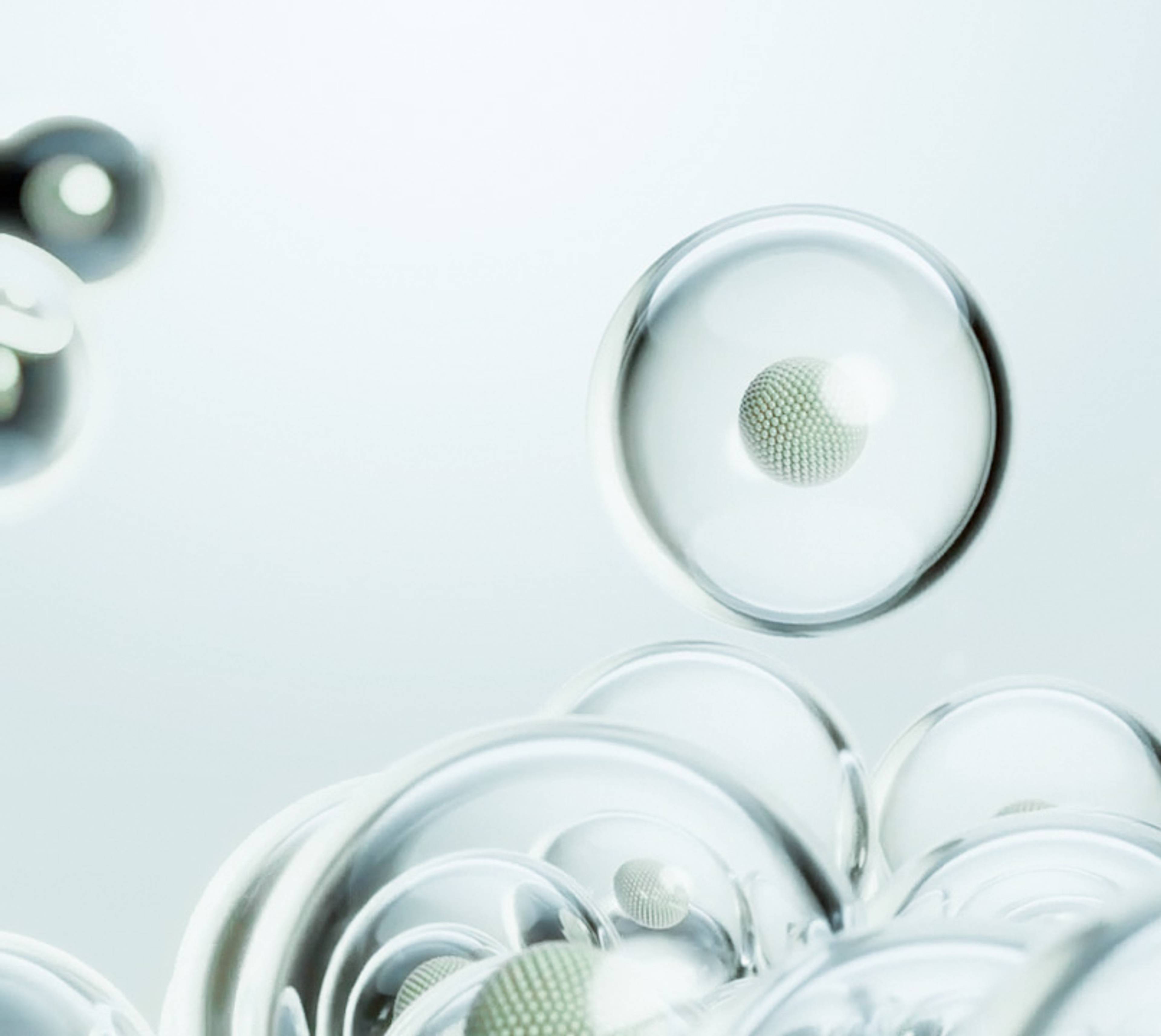
Bioavailability refers to the proportion of a nutrient that enters the circulation when introduced into the body and is so able to have an active effect. This is the lens through which we view every formulation we create. To overcome the challenges of traditional digestion, we utilize liposomal delivery.
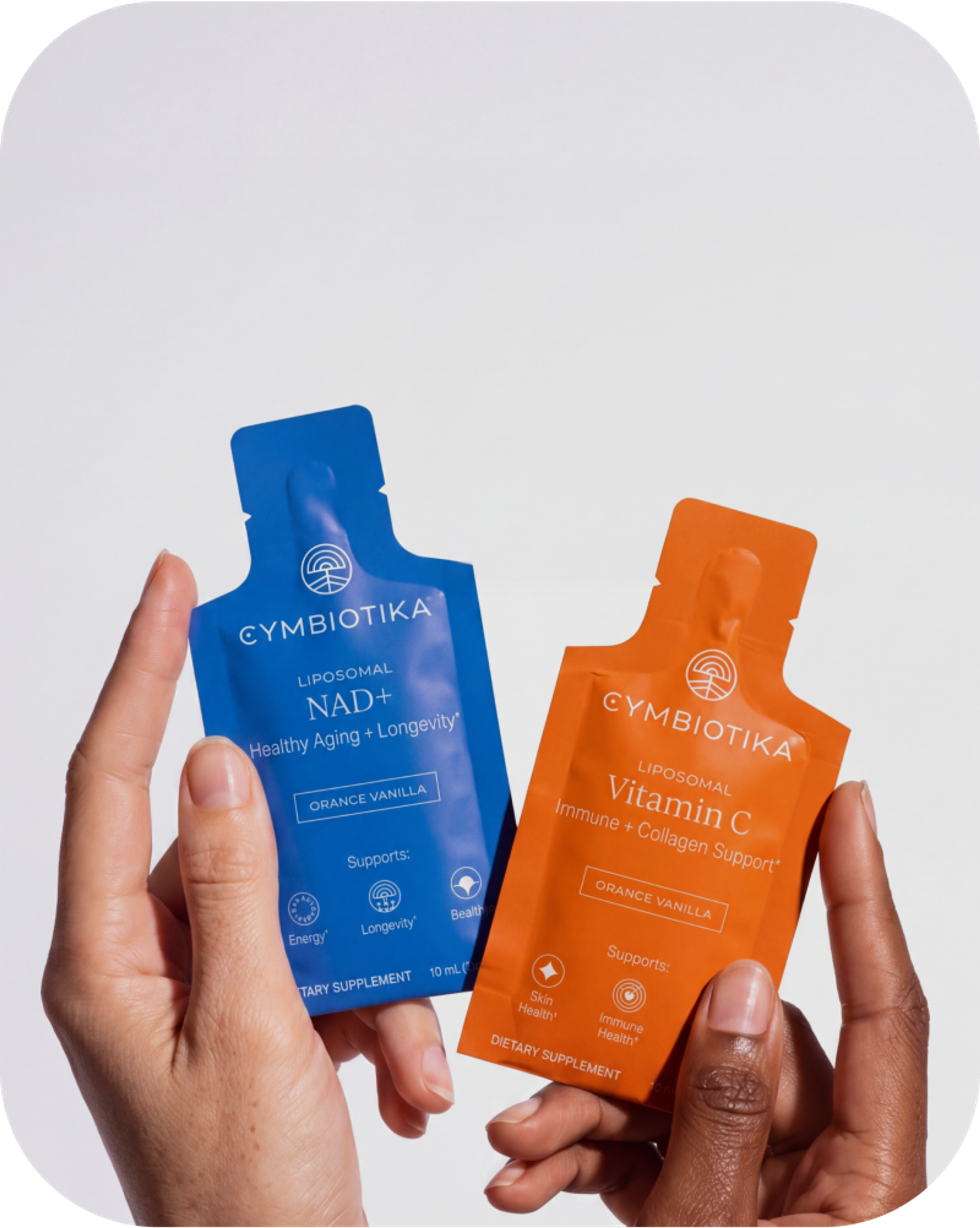
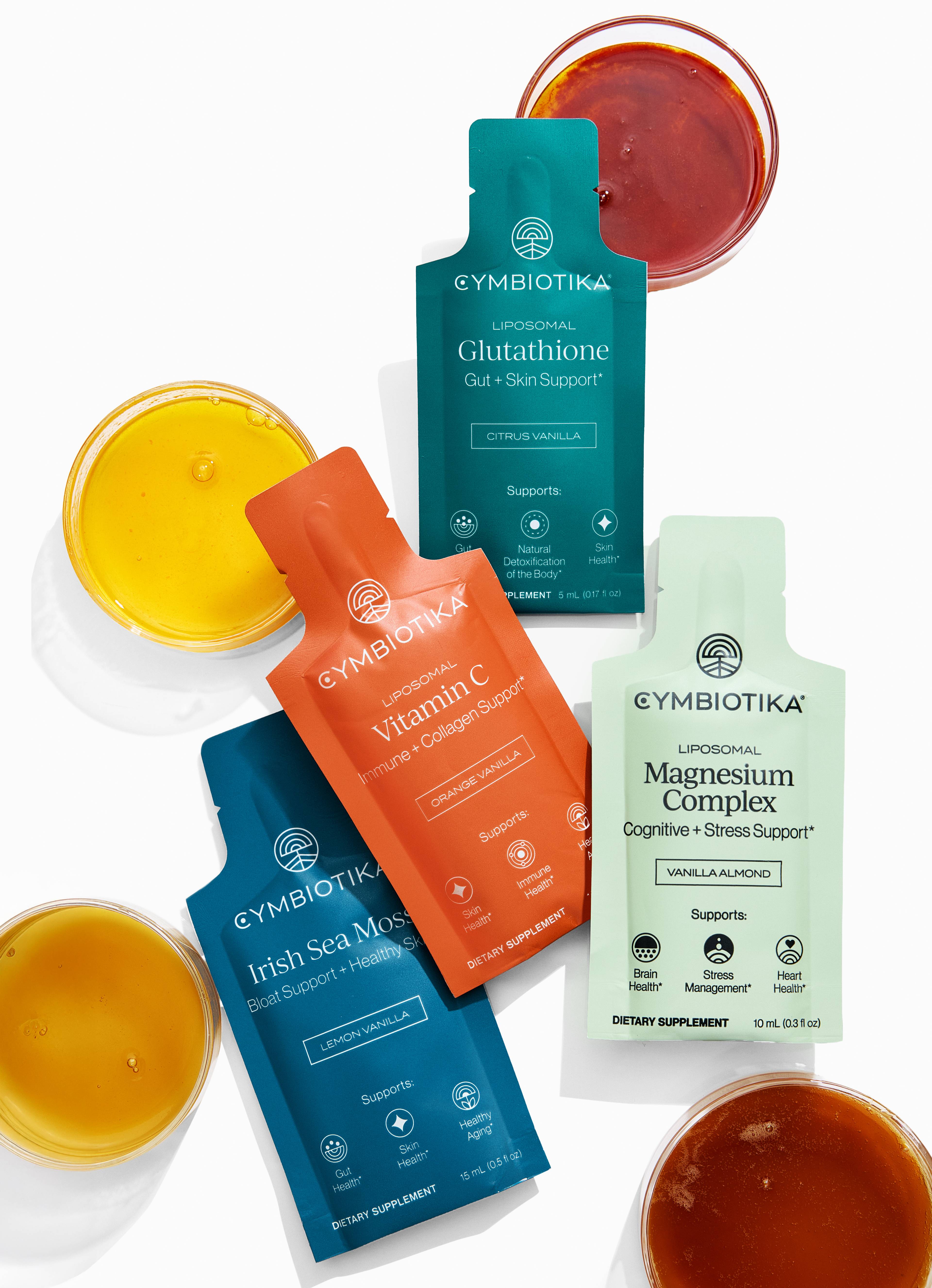
A liposome is a tiny, microscopic bubble made of phospholipids—the same material that makes up your own cell membranes. By wrapping a nutrient in a liposomal shell, we protect it as it passes through the harsh environment of the stomach. This allows the nutrient to be delivered directly to your cells. For example, our Liposomal Vitamin C is designed to be absorbed far more efficiently than standard ascorbic acid powder. If you want glowing skin, you must focus on what your cells actually receive, not just what you swallow.
For more education on how this delivery method works, explore this guide to liposomal delivery and bioavailability.
Key Takeaway: Nutrient density is only half the battle. To see real changes in your skin, you must choose forms of nutrients—like liposomal formulations—that your body can actually absorb and use.
Strategic Supplementation for Skin Health
While whole foods are the foundation, certain nutrients are difficult to get in high enough concentrations through diet alone. Adding specific supplements to your morning routine can provide the extra support your skin needs to thrive.
Liposomal Glutathione
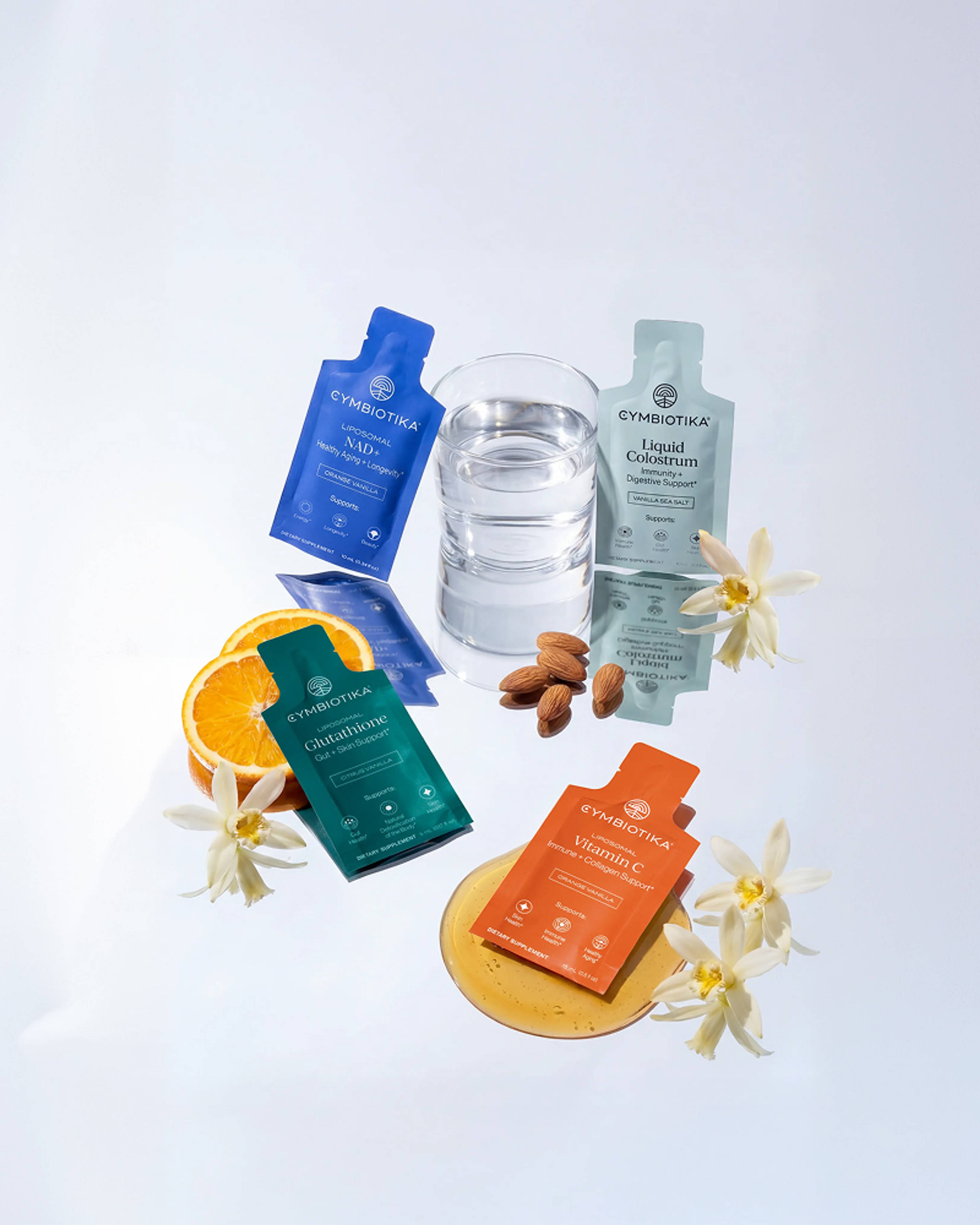
Glutathione is often called the "master antioxidant." It is found in every cell in the human body and plays a critical role in detoxification. By supporting the liver's ability to process toxins, glutathione may help maintain a bright and clear complexion. Because standard glutathione is notoriously difficult to absorb, a liposomal format is essential for effectiveness.
Explore Liposomal Glutathione to learn more about its formulation and intended use.
Vitamin D3 + K2
Many people are surprised to learn that Vitamin D is vital for skin health. It plays a role in skin cell growth and repair. Combining it with Vitamin K2 ensures that calcium is directed to the bones rather than the soft tissues. Taking these early in the day with a small amount of healthy fat—like the fats found in almonds—can support your skin's natural immune response.
Learn more about vitamin D and skin support in this guide to Vitamin D3 and skin health.
Super Greens
If you find it difficult to eat a large variety of vegetables, a high-quality greens powder can fill the gap. Our Super Greens blend includes bioavailable chlorophyll and sea minerals. Chlorophyll is known for its ability to support healthy blood and oxygenation. When your blood is well-oxygenated, your skin often appears more "lit from within." It also helps to balance the body's pH levels, which can reduce the appearance of redness.
For more information about greens and digestive wellness, read Are Super Greens Good for Gut Health?.
Building Your Morning Skin-Care Routine
Consistency is the key to seeing results. You do not need to do everything at once. Instead, pick a few habits that feel sustainable and build from there.
Step 1: Rehydrate immediately.
Drink 12–16 ounces of filtered water as soon as you wake up. Adding a Molecular Hydrogen tablet or a squeeze of fresh lemon can enhance the benefits.
Step 2: Support your cells.
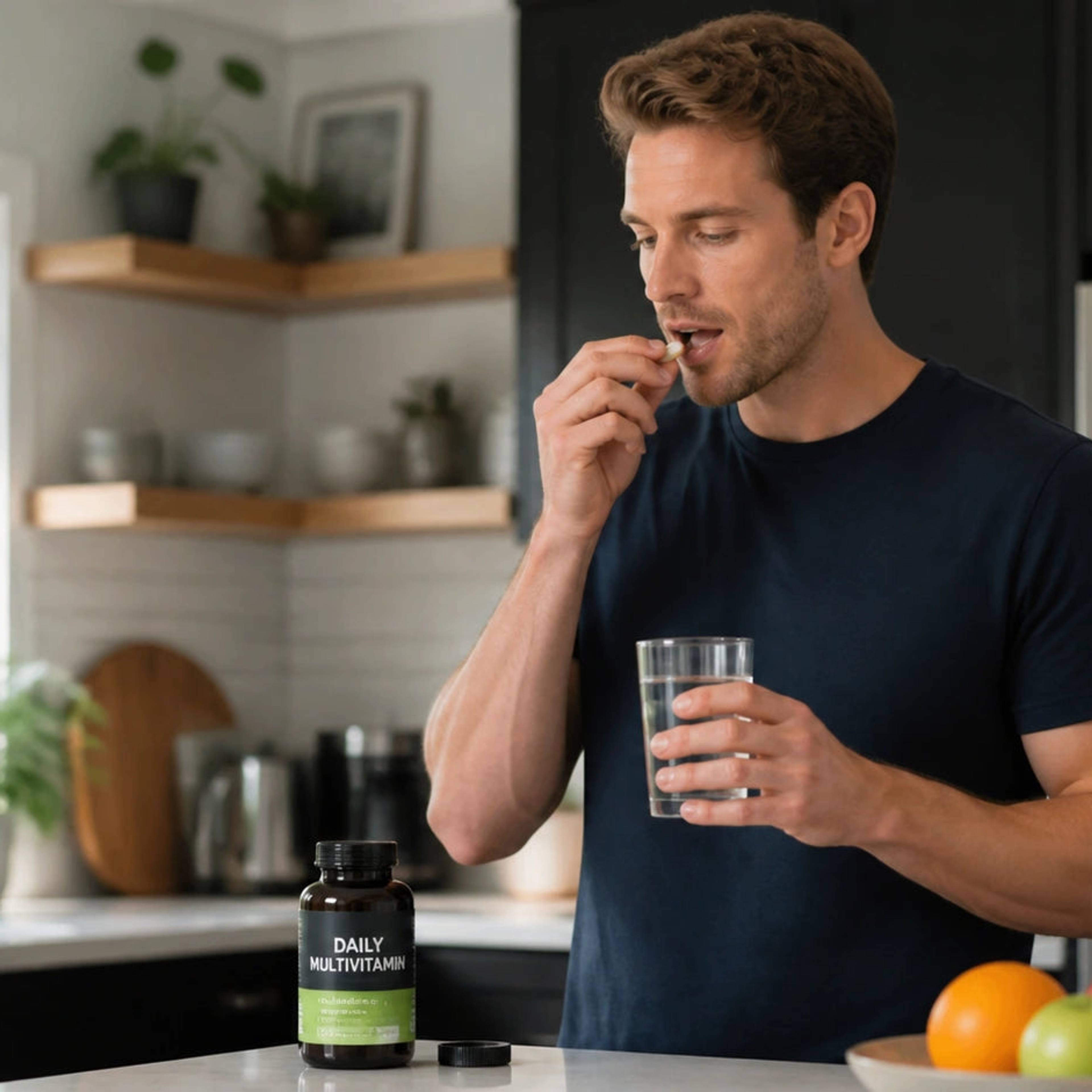
Take your liposomal supplements. This is the ideal time for Liposomal Vitamin C or Glutathione, as your stomach is empty and ready for efficient absorption.
Step 3: Eat light and fresh.
Wait about 20 to 30 minutes after your water and supplements before eating. Choose a serving of papaya, soaked almonds, or a bowl of chia pudding.
Step 4: Observe and adjust.
Pay attention to how your skin and energy levels feel over the course of two to four weeks. Everyone’s biology is unique, and it may take time for your system to find its balance.
The Role of Healthy Fats and Proteins
While we focus on what to eat on an empty stomach, the rest of your breakfast also matters. Once you have primed your system, you want to provide your body with sustained energy.
Avoid high-sugar cereals or pastries first thing in the morning. These can cause a spike in blood sugar, which may lead to inflammation. Inflammation is a primary cause of skin dullness. Instead, look toward healthy proteins and fats.
Our Liquid Colostrum is a unique way to support the gut lining and skin health simultaneously. It contains growth factors and immunoglobulins that may help support a healthy inflammatory response. Adding this to a morning smoothie or taking it on its own provides a complex range of nutrients that support the structural integrity of your skin.
Habits to Avoid on an Empty Stomach
Just as important as what to eat is what to avoid. Some common morning habits can actually hinder your progress toward glowing skin.
- Excessive Caffeine: Coffee is acidic and a diuretic. If you drink it before water, you risk further dehydrating your skin and irritating your stomach lining.
- Refined Sugars: Sugar triggers a process called glycation. This is where sugar molecules attach to proteins like collagen, making them stiff and brittle. This can lead to premature signs of ageing.
- Processed Juices: Many store-bought "healthy" juices are stripped of fiber and loaded with sugar. This causes a massive insulin spike, which can lead to skin issues.
Myth: "Drinking coffee first thing in the morning gives me energy for the day." Fact: Coffee on an empty stomach can increase cortisol levels and lead to dehydration, which may leave your skin looking tired and dull. It is better to hydrate with water first.
Long-term Value of a Morning Routine
Investing in your morning routine is an investment in your long-term health. When you prioritize high-quality ingredients and bioavailable supplements, you are doing more than just chasing a temporary glow. You are supporting your body’s foundational systems.
We focus on transparency and quality because we know that the best results come from clean, potent ingredients. By removing synthetic fillers and focusing on delivery systems that work, we aim to provide you with the tools to take control of your wellness. Whether you are looking for more energy, better sleep, or glowing skin, it all starts with a commitment to quality.
For broader support options, explore the Healthy Aging collection.
Conclusion
What you put into your body on an empty stomach acts as a catalyst for your health. By choosing hydrating liquids, enzyme-rich fruits, and bioavailable supplements, you provide your skin with the internal support it needs to shine. Remember that skin health is a journey, not an overnight fix. Consistency, hydration, and absorption are your most powerful allies.
Our mission is to empower you to live your healthiest life through education and science-backed supplementation. If you are unsure which products are right for your specific goals, we encourage you to take our Health Quiz. It is a simple way to get personalized recommendations based on your unique needs.
- Start your day with hydration and antioxidants.
- Focus on foods that support the gut-skin axis, like papaya and soaked almonds.
- Prioritize bioavailability to ensure your cells actually receive the nutrients you consume.
"True wellness is not about perfection; it is about building a routine that respects your biology and supports your body's natural ability to heal and glow."
FAQ
Does drinking lemon water really help with glowing skin?
Yes, many people find it helpful because it supports hydration and provides a small dose of Vitamin C. It also helps stimulate digestive enzymes, which ensures you absorb the nutrients from your breakfast more effectively.
How long does it take to see skin changes from a morning routine?
While some people notice a difference in hydration and brightness within a week, it typically takes about 28 to 30 days. This is the amount of time it takes for your skin cells to go through a full turnover cycle.
Can I take my supplements with my morning coffee?
It is generally better to take supplements with water on an empty stomach or with a light meal. The tannins and caffeine in coffee can sometimes interfere with the absorption of certain minerals and vitamins.
Why are soaked almonds better for skin than raw ones?
Soaking almonds helps break down the phytic acid in the skin of the nut. This makes the Vitamin E and healthy fats more "available" for your body to absorb, while also making them much easier on your digestive system.
*These statements have not been evaluated by the Food and Drug Administration. This product is not intended to diagnose, treat, cure, or prevent any disease.