Table of Contents
- Introduction
- The Science of Skin Radiance
- What Radiant Skin Actually Looks Like
- Factors That Impact Your Glow
- Why Bioavailability Matters for Skin Health
- The Gut-Skin Axis: The Foundation of Radiance
- Essential Nutrients for a Radiant Complexion
- How to Build a Routine for Lasting Radiance
- The Role of Trace Minerals and Adaptogens
- Practical Habits for Daily Glow
- The Cymbiotika Mission
- Conclusion
- FAQ
Introduction
You catch your reflection in a shop window or a bathroom mirror and notice your skin looks vibrant, rested, and alive. This is often what we describe as a "glow." But beyond the beauty industry buzzwords, what does radiant skin mean from a biological perspective? It is more than just a lack of blemishes; it is a visible sign of how your body is functioning on the inside.
At Cymbiotika, we believe that true radiance is an outward reflection of internal health. It involves complex processes like cellular turnover, hydration levels, and nutrient absorption. If youâre curious about how that absorption works, our All About Liposomes page is a helpful place to start.
Understanding radiance allows you to move away from temporary topical fixes and toward a lifestyle that supports long-term skin vitality.
The Science of Skin Radiance
When we talk about radiance, we are actually talking about optical physics. Radiant skin is skin that effectively reflects light. To understand this, we have to look at the structure of the skin's outermost layer, known as the stratum corneum.
The stratum corneum is made up of skin cells called keratinocytes. In healthy, radiant skin, these cells are organized in a neat, flat pattern. This creates a smooth surface. When light hits a smooth surface, it reflects back evenly, much like light hitting a polished mirror. This even reflection is what the human eye perceives as a "glow" or "radiance."
Conversely, when skin is dehydrated or when the cellular turnover process slows down, these cells can become disorganized and "rough." Instead of a smooth mirror, the skin's surface becomes more like a piece of crumpled paper. Light hits the uneven surface and scatters in different directions. This scattering of light is what makes skin look dull, tired, or flat.
The Role of Hydration and Lipids
For light to reflect beautifully, the skin also needs a high water content. Deeply hydrated skin cells are plump. This plumpness reduces the appearance of fine lines and creates a more uniform surface for light reflection.
Lipids, or natural fats, are also essential. They act as the "mortar" between the "bricks" of your skin cells. These lipids prevent transepidermal water loss, which is the process where moisture evaporates from the skin into the environment. When your lipid barrier is strong, your skin retains the moisture it needs to remain translucent and bright.
Key Takeaway: Radiance is the result of a smooth skin surface and high moisture levels that allow light to reflect evenly rather than scattering.
What Radiant Skin Actually Looks Like
Radiance is often confused with "shimmer" or "oiliness," but they are not the same thing. True radiance comes from within the skin layers, not from a product sitting on top of it. There are three primary markers of a radiant complexion.
Smooth Surface Texture
As mentioned, smoothness is the foundation of light reflection. Radiant skin feels soft to the touch and looks refined. It is characterized by efficient desquamation, which is the body's natural process of shedding dead skin cells. When this process is working well, new, healthy cells move to the surface quickly, preventing the buildup that causes a grey or ashen appearance.
Even Tone and Clarity
Radiance is also defined by a lack of significant discoloration. While everyone has unique skin tones and natural variations, radiant skin typically has a consistent "clarity." This means that blood flow is healthy, bringing oxygen and nutrients to the surface, which provides a natural, healthy flush. It also means the skin's pigment-producing cells are functioning steadily rather than overreacting to environmental stress.
Natural Translucency
Healthy skin has a certain level of translucency. This allows light to penetrate the upper layers and reflect back from the deeper tissues. This "lit from within" quality is usually a sign of high collagen density and excellent hydration. When collagenâthe structural protein that gives skin its bounceâis healthy, the skin remains firm and light-receptive.
Factors That Impact Your Glow
If radiance is the goal, we must identify what gets in the way. Many environmental and lifestyle factors can disrupt the skin's ability to reflect light.
- Environmental Stress: Pollutants and UV rays can create oxidative stress in the skin. This can break down collagen and lead to an uneven surface.
- Dehydration: Without enough water, skin cells shrivel, leading to a "tight" feeling and a dull look.
- Lack of Sleep: During sleep, your body goes into repair mode. This is when the most significant cellular turnover happens. Skipping sleep means skipping your skin's natural renewal window.
- Poor Nutrient Absorption: You can eat a perfect diet, but if your body cannot break down and use those nutrients, your skin will not see the benefits.
Myth: You can achieve radiant skin using only topical creams. Fact: Topicals only reach the surface. True radiance requires internal support for cellular turnover and hydration.
Why Bioavailability Matters for Skin Health
When we look at supporting skin from the inside, we have to talk about bioavailability. Bioavailability is the degree and rate at which a nutrient is absorbed by the bodyâs circulatory system and made available at the cellular level. Many standard supplements use cheap binders and fillers that the body struggles to break down. If a nutrient isn't bioavailable, it simply passes through your system without ever reaching your skin cells.
This is why we focus on advanced delivery methods. One of the most effective is liposomal delivery. A liposome is a tiny bubble made out of the same material as a cell membraneâa phospholipid bilayer. By wrapping nutrients in these phospholipids, we can protect them through the harsh environment of the digestive tract and deliver them directly to the cells.
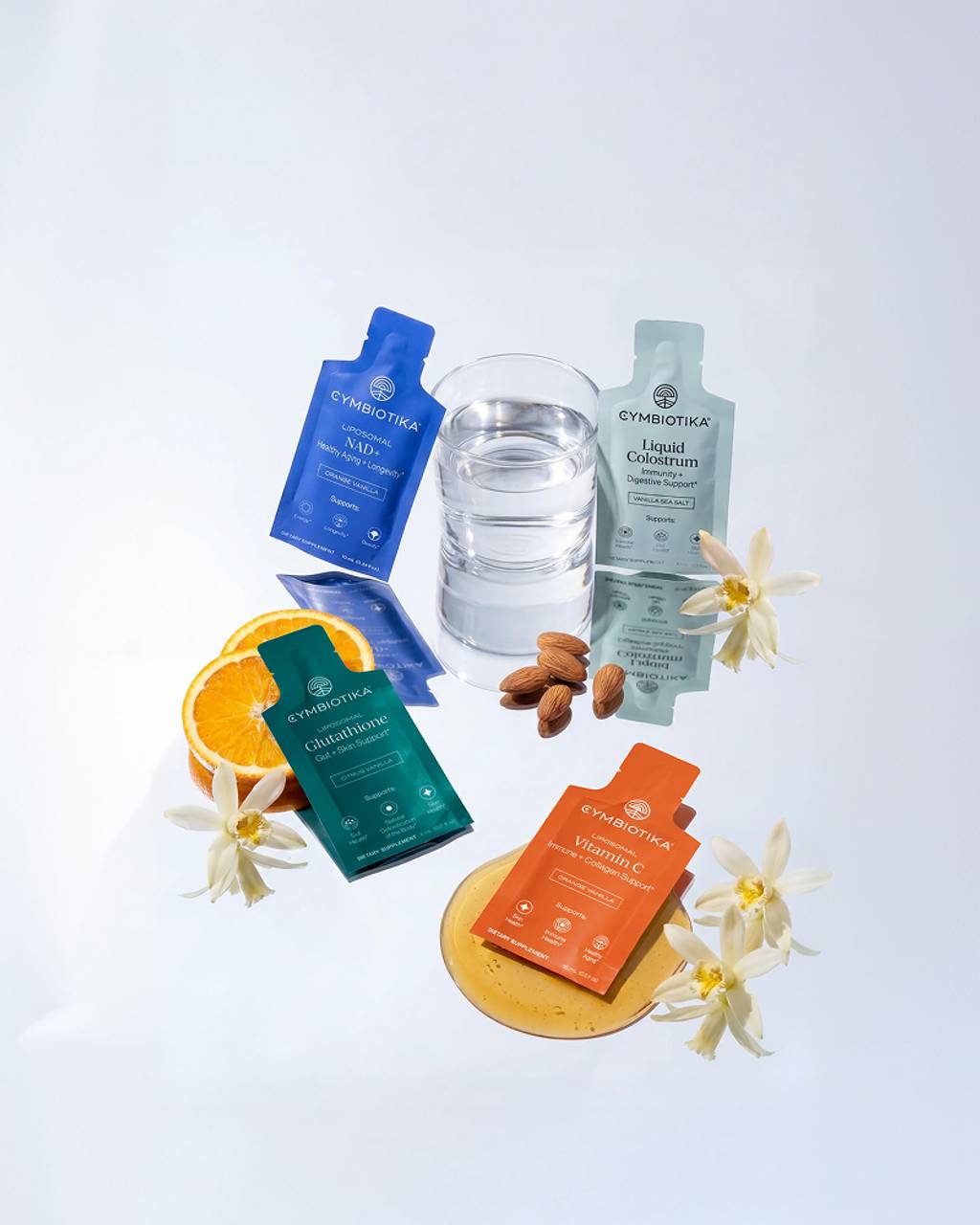
When you take a liposomal supplement, you are ensuring that the building blocks your skin needsâlike Liposomal Vitamin C or Liposomal Glutathioneâactually arrive where they can do the most good. Standard tablets often have very low absorption rates, meaning your "glow routine" might be less effective than you think.
The Gut-Skin Axis: The Foundation of Radiance
The health of your skin is often a direct reflection of the health of your gut. This is known as the gut-skin axis. Your gut is responsible for absorbing the vitamins, minerals, and fatty acids that keep your skin barrier strong.
If your gut microbiomeâthe community of trillions of bacteria living in your digestive tractâis out of balance, it can lead to systemic issues that show up on your face. A healthy gut helps manage the bodyâs natural inflammatory response. When that response is balanced, your skin is more likely to look calm, clear, and radiant.
Our Probiotic is designed to support this delicate balance. By populating the gut with beneficial bacteria, you support the absorption of nutrients that are vital for skin repair. Furthermore, a healthy gut helps the body eliminate waste efficiently. If the digestive system is sluggish, the skin (which is your body's largest organ of elimination) may try to compensate, often resulting in a dull or congested appearance.
Mini Action Plan: Supporting the Gut-Skin Axis
- Include fermented foods like sauerkraut or kefir in your daily diet.
- Prioritize fiber to keep your digestive system moving.
- Consider a high-quality probiotic to support microbiome diversity.
- Drink plenty of filtered water to help the gut process nutrients.
Essential Nutrients for a Radiant Complexion
To support the physical structure of radiant skin, the body requires specific raw materials. Focusing on these bioavailable nutrients can make a noticeable difference in how your skin reflects light.
Vitamin C and Collagen Synthesis
Vitamin C is perhaps the most well-known "glow" nutrient. It is a powerful antioxidant that helps protect the skin from environmental stressors. More importantly, it is a necessary cofactor for collagen synthesis. Without Vitamin C, your body cannot effectively produce the collagen needed to keep skin firm and smooth.
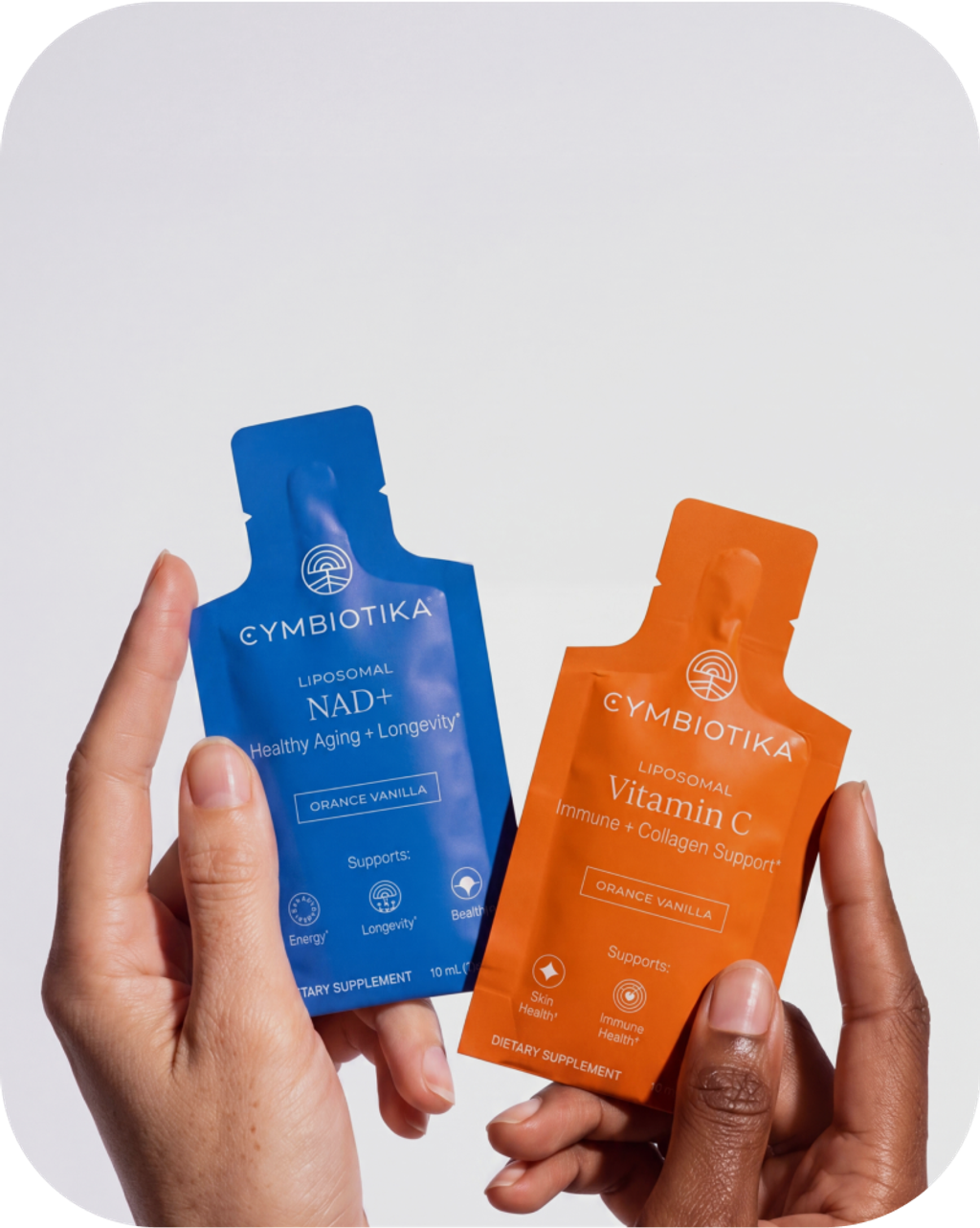
Our Liposomal Vitamin C uses a phospholipid shell to support absorption, ensuring your cells get the high dose they need without the digestive upset often caused by traditional powders. By supporting collagen from the inside, you help maintain the smooth surface necessary for radiance.
Glutathione: The Master Antioxidant
Glutathione is found in every cell of the body and is often called the "master antioxidant." It plays a massive role in skin clarity. Glutathione helps the liver process toxins and supports the bodyâs natural detoxification pathways. When the liver is functioning optimally, the skin often appears brighter and more "clear."
Liposomal Glutathione is particularly effective because standard glutathione is notoriously difficult for the body to absorb through the gut. By using liposomal technology, we make this vital molecule more accessible to your tissues.
Omega Fatty Acids
As discussed earlier, the lipid barrier is what keeps moisture in the skin. Omega fatty acids, particularly EPA and DHA, are the building blocks of these healthy fats. They help maintain the "seal" on your skin cells, preventing dehydration. The Omega from us provides a clean, vegan source of these essential fats, supporting a plump and hydrated complexion.
Colostrum for Skin Barrier Support
Colostrum is a nutrient-dense substance that contains growth factors and immunoglobulins. It is designed by nature to support the gut lining and the immune system. For the skin, this means better barrier function and enhanced repair. Our Liquid Colostrum can help support the integrity of the skin from the inside out, making it more resilient against the factors that cause dullness.
How to Build a Routine for Lasting Radiance
Achieving radiant skin is not about a one-time treatment; it is about consistency. Building a routine that addresses both the internal and external needs of your skin is the most effective path forward.
Step 1: Focus on Bioavailable Nutrition
Start your morning with nutrients that support the skinâs structure. Using liposomal versions of Vitamin C and Glutathione ensures that these ingredients are actually absorbed and utilized by your skin cells.
Step 2: Support Your Gut Daily
Consistency is key when it comes to the microbiome. Taking a daily probiotic and including prebiotic fibers in your meals helps maintain the gut-skin axis, ensuring your skin gets the nutrients it needs to glow.
Step 3: Manage Environmental Impact
While internal health is primary, protecting your skin from the outside is also important. Use a clean sunscreen and wash away daily pollutants every evening to prevent oxidative stress from dulling your surface.
Step 4: Prioritize Rest and Hydration
Aim for 7â9 hours of sleep to allow for cellular repair. Throughout the day, sip on filtered water. If you find plain water difficult to drink, adding a pinch of high-quality sea salt or trace minerals can help with cellular hydration.
Bottom line: A routine built on high-bioavailability supplements, gut health, and consistent lifestyle habits is more effective than any "miracle" cream for long-term radiance.
The Role of Trace Minerals and Adaptogens
In addition to the major vitamins, the skin requires a wide array of trace minerals to function. Minerals like zinc, copper, and sulfur are involved in everything from cell division to the cross-linking of collagen fibers.
Many people are deficient in these minerals because of modern soil depletion. Using something like Shilajit Liquid Complex can provide your body with fulvic minerals and trace compounds that fit into a broader wellness routine. This supports the theme of bioavailability.
Adaptogens also play a role. When the body is under stress, it produces cortisol. High levels of cortisol can lead to the breakdown of collagen and a compromised skin barrier. Adaptogens help the body "adapt" to stress, keeping your system in a state of balance. This internal calm often shows up on the face as a more relaxed and radiant appearance.
Practical Habits for Daily Glow
Beyond what you ingest, how you live your daily life dictates your skin's luminosity. Small, intentional choices add up over time.
Movement and Circulation
Exercise isn't just for your muscles; it's for your skin. When you move your body, your heart pumps more blood to your extremities, including your skin. This increased circulation brings fresh oxygen and carries away cellular waste. This is why you often have a "post-workout glow." Even a brisk 20-minute walk can help stimulate the blood flow necessary for a vibrant complexion.
Temperature Control
Very hot water can strip the natural lipids from your skin, leading to dryness and a dull surface. When washing your face or showering, try to use lukewarm water. This helps preserve your skin's natural moisture barrier, keeping that essential "mirror" surface intact for light reflection.
Mindful Supplementation
Taking too many supplements at once can sometimes overwhelm the digestive system. We recommend starting with a few core productsâlike a probiotic and Vitamin Câand seeing how your body responds. If you want a more tailored starting point, the Cymbiotika Expert quiz can help you find a personalized recommendation based on your goals and lifestyle.
The Cymbiotika Mission
We believe that you deserve to know exactly what is going into your body. Wellness starts with trust, which is why we are committed to transparency and high-quality sourcing. We don't use synthetic fillers or unnecessary additives. Instead, we focus on science-forward formulations that prioritize bioavailability.
Our goal is to empower you to take control of your health. Whether you are looking to support your skin's radiance, your energy levels, or your immune system, we provide the tools you need to build a routine that actually works. Radiant skin is a beautiful byproduct of a body that is well-nourished, well-rested, and well-cared for. If you want to explore more options, you can also shop all products.
Key Takeaway: Real radiance is achieved through a combination of cellular-level absorption, gut health, and consistent lifestyle habits that protect the skin's natural ability to reflect light.
Conclusion
Radiant skin is more than a surface-level aesthetic; it is a signal of healthy biological function. It means your skin is smooth enough to reflect light, hydrated enough to remain plump, and nourished enough to maintain a strong barrier. By focusing on bioavailability and supporting the gut-skin axis, you can achieve a level of luminosity that topical products simply cannot match.
- Focus on absorption: Choose liposomal formats for key nutrients like Vitamin C and Glutathione.
- Protect the barrier: Use Omega fatty acids and hydration to keep the skin's "mirror" surface smooth.
- Support the gut: A healthy microbiome is the foundation of clear, bright skin.
- Be consistent: Long-term results come from daily habits, not quick fixes.
If you are ready to build a routine tailored to your unique needs, we invite you to take the Health Quiz on our website for personalized guidance. You can also explore the Healthy-Aging collection for related support.
FAQ
Does radiant skin mean my skin has to be perfect?
No, radiant skin is not about the absence of pores, freckles, or natural textures. It refers to the "glow" created by healthy light reflection and good circulation, which can be present even if you have minor blemishes or signs of aging.
How long does it take to see results from skin-supporting supplements?
Skin cells typically take about 28 to 40 days to turn over. Because internal supplements work by supporting the new cells being formed deep in the dermis, it usually takes at least 4 to 6 weeks of consistent use to notice a visible change in radiance.
Can diet alone give me radiant skin?
While a healthy diet is the foundation, modern challenges like soil depletion and digestive issues can make it hard to get everything you need. High-bioavailability supplements are designed to fill those nutritional gaps and ensure your skin cells receive optimal levels of key nutrients.
Why does my skin look dull even though I use expensive creams?
Dullness often happens because of internal factors like dehydration, slow cellular turnover, or oxidative stress. If your "inner environment" isn't supported, topical creams can only do so much to mask the underlying lack of light reflection.
*These statements have not been evaluated by the Food and Drug Administration. This product is not intended to diagnose, treat, cure, or prevent any disease.