Table of Contents
- Introduction
- Understanding Baking Soda and Your Skin
- How to Prepare Your Skin for Baking Soda
- Top Methods for Glowing Skin
- Comparing Baking Soda Applications
- The Science of the "Inside-Out" Glow
- Addressing Common Myths
- Building a Sustainable Routine
- Safety and Precautions
- Maximizing Your Results
- The Connection Between Gut Health and Skin
- Conclusion
- FAQ
Introduction
Many of us look no further than our kitchen pantry when searching for the next addition to our beauty routine. Baking soda, or sodium bicarbonate, has long been a staple for those seeking a bright, clear complexion without a long list of synthetic ingredients. At Cymbiotika, we believe that wellness should be transparent and grounded in high-quality rituals that respect the body's natural balance. Using simple ingredients can be effective, provided you understand the science behind how they interact with your skin.
This guide explores the practical ways to incorporate baking soda into your skincare routine while prioritizing the health of your skin barrier. We will cover specific recipes, safety precautions, and the importance of maintaining a balanced pH. Understanding the "why" behind your skincare choices helps you build a routine that truly lasts. If you want help choosing products that fit your broader routine, our Health Quiz is a natural place to start.
Quick Answer: Baking soda can be used as a gentle exfoliant or a brightening mask by mixing it with water or honey to form a paste. Because of its high alkalinity, it should only be used once or twice a week to avoid disrupting the skin's natural acidic barrier.
Understanding Baking Soda and Your Skin
Baking soda is a salt composed of sodium ions and bicarbonate ions. It is naturally alkaline, typically sitting at a pH of about 9. This is a significant contrast to human skin, which is naturally slightly acidic, usually hovering between a pH of 4.5 and 5.5. This acidic environment is often called the acid mantle.
The acid mantle serves as a protective layer. It helps keep moisture in and protects the skin from environmental stressors. When you use a substance with a high pH like baking soda, you are temporarily altering that environment. This shift is what allows baking soda to act as an exfoliant, breaking down dead skin cells and clearing away excess oils that can make the skin look dull.
Why pH balance matters for a glow. When your skin is too alkaline, it can become dry, flaky, or sensitive. When it is too acidic, it may appear oily or prone to redness. Finding the "sweet spot" is the secret to that coveted glowing look. Baking soda is powerful because it is a physical exfoliant with very fine particles, making it less abrasive than some sugar or salt scrubs, but its chemical nature requires a respectful approach. For a deeper look at how the skin barrier works, How to Repair Skin Barrier: Essential Steps for Healthy Skin is a helpful companion read.
How to Prepare Your Skin for Baking Soda
Before applying any new ingredient to your face, it is essential to prepare the surface. You want to remove any surface-level dirt, makeup, or pollutants. This ensures that the baking soda can work directly on the dead skin cells rather than getting trapped in daily grime.
Start with a mild, pH-balanced cleanser. Avoid using any chemical exfoliants like alpha-hydroxy acids (AHAs) or beta-hydroxy acids (BHAs) on the same day you plan to use baking soda. Combining different types of exfoliation can lead to over-sensitization. If you are building a skin-first wellness routine, the Healthy Aging Supplements collection is a good place to explore supportive formulas.
The Importance of Patch Testing
You should never skip a patch test when trying a DIY skincare remedy. Even natural ingredients can cause reactions if they do not align with your specific skin chemistry.
Step 1: Mix a small amount of baking soda with water to create a paste.
Step 2: Apply a dime-sized amount to the inside of your forearm or the side of your neck.
Step 3: Wait 24 hours to see if any redness, itching, or irritation occurs.
If your skin remains calm, you can proceed with a full application. If you notice any discomfort, it is a sign that your skin barrier may be too delicate for this specific treatment.
Top Methods for Glowing Skin
There are several ways to use baking soda depending on your skin's needs. Most people find success by mixing it with other natural ingredients that provide a buffering effect.
The Basic Exfoliating Paste
This is the simplest method for refreshing the skin. It focuses on physical exfoliation to buff away the top layer of dead cells.
- Mix two teaspoons of baking soda with one teaspoon of filtered water.
- Stir until it forms a smooth, spreadable paste.
- Apply the paste to your face using gentle, circular motions. Avoid the delicate skin around the eyes.
- Massage for about 30 to 60 seconds.
- Rinse thoroughly with lukewarm water and pat dry.
The Soothing Honey Mask
Honey is a natural humectant, meaning it helps the skin retain moisture. Mixing it with baking soda provides a balance between exfoliation and hydration.
- Combine one tablespoon of raw honey with one teaspoon of baking soda.
- Apply the mixture to clean, damp skin.
- Let it sit for 10 to 15 minutes. The honey helps soothe the skin while the baking soda works on brightening.
- Rinse with cool water.
The Brightening Lemon Mix
Lemon juice contains citric acid, which can assist in brightening the skin. However, this combination is very potent and should be used with extreme caution, especially if you have sensitive skin.
- Mix one teaspoon of baking soda with a few drops of fresh lemon juice and a teaspoon of water.
- Apply only to areas that need brightening, such as the chin or forehead.
- Do not leave this on for more than 2 or 3 minutes.
- Rinse immediately if you feel any tingling or burning.
Key Takeaway: Baking soda works best when paired with a hydrating or buffering agent like honey or water. This limits the potential for dryness while still allowing the alkaline properties to clear away dullness.
Comparing Baking Soda Applications
| Method | Best For | Frequency | Benefit |
|---|---|---|---|
| Water Paste | Oily skin / Heavy exfoliation | Once a week | Deep pore cleansing |
| Honey Mask | Dry or sensitive skin | Twice a week | Hydration + Brightening |
| Lemon Mix | Targeted brightening | Once every two weeks | Evening out skin tone |
| Added to Cleanser | Daily maintenance (diluted) | 2-3 times a week | Gentle texture refinement |
The Science of the "Inside-Out" Glow
While topical treatments like baking soda can refine the surface of your skin, a true glow starts at the cellular level. This is where the concept of bioavailability becomes critical. Bioavailability refers to how well your body can actually absorb and utilize the nutrients you ingest. If you take a standard vitamin tablet, much of it may pass through your system without being used. The All About Liposomes page is a useful guide if you want to understand this delivery approach better.
At Cymbiotika, we focus on advanced delivery methods like liposomal technology. A liposome is a tiny phospholipid bilayer—essentially a "bubble" made of the same material as your cell membranes. This bubble protects nutrients as they pass through the harsh environment of the digestive tract, allowing them to be absorbed more efficiently into the bloodstream.
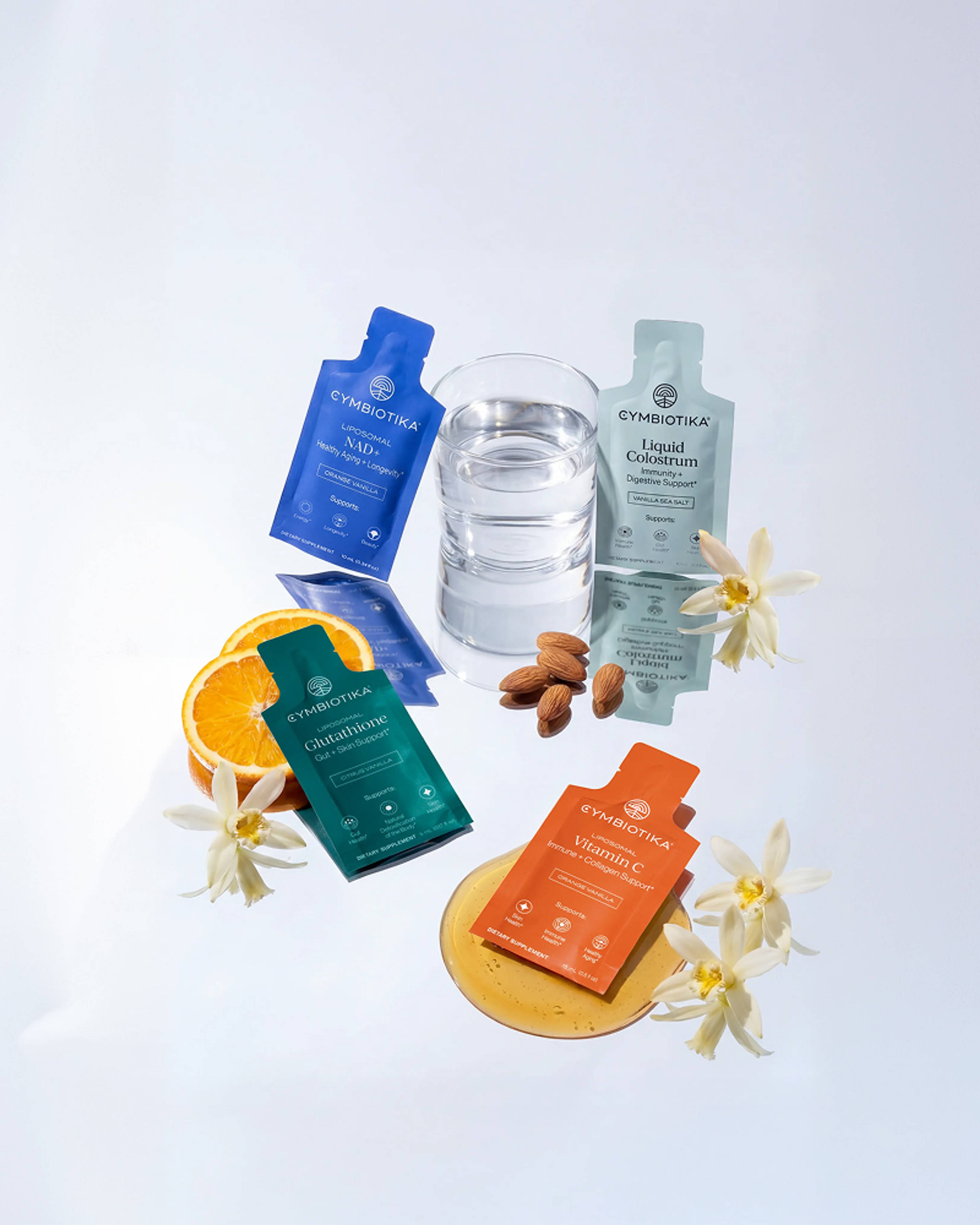
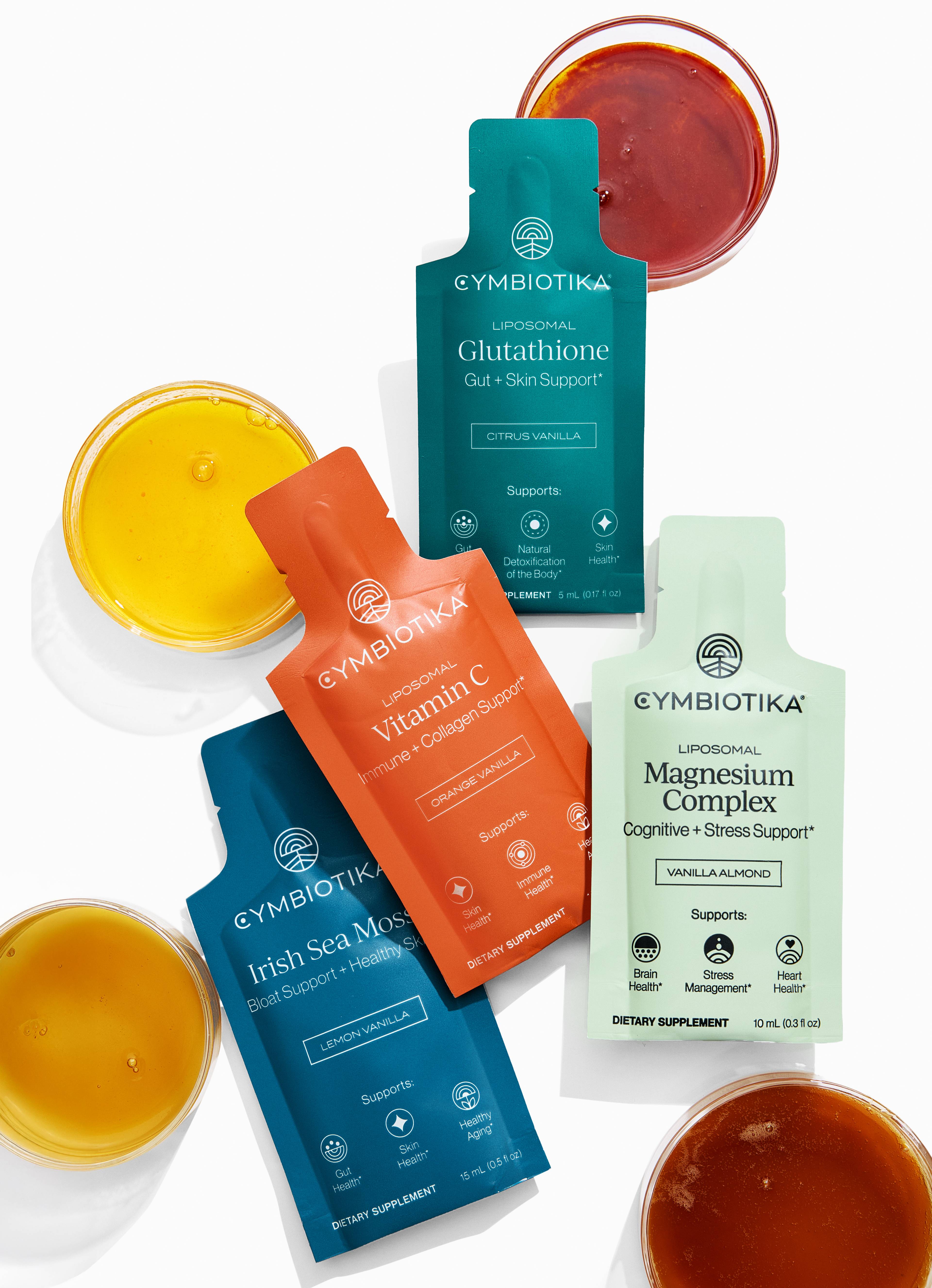
For skin health, nutrients like Vitamin C and Glutathione are vital. Liposomal Vitamin C may support collagen production and provide antioxidant protection against the environmental factors that cause skin to look dull. Similarly, Liposomal Glutathione Supplement is often called the master antioxidant. It can help the body manage oxidative stress, which is a major contributor to the signs of ageing and a lack of skin radiance.
If your internal systems are supported, your external skin treatments will yield much better results. A healthy gut and a well-supported liver are the foundations of clear, vibrant skin. Our Liver Health+ formula is designed to support the body’s natural detoxification pathways, which often reflects directly on the clarity of your complexion.
Addressing Common Myths
Myth: Baking soda can replace your daily face wash.
Fact: Baking soda is too alkaline for daily use. Using it every day can strip the skin of its natural oils and disrupt the acid mantle, leading to long-term dryness or sensitivity.
Myth: The more it tingles, the better it is working.
Fact: In the world of skincare, a strong tingle or burn is often a sign of irritation, not efficacy. If a baking soda mask feels uncomfortable, rinse it off immediately to avoid a chemical burn.
Myth: All baking soda is the same.
Fact: For skincare, ensure you are using pure sodium bicarbonate without any added fragrances or anti-caking agents often found in specialized cleaning versions of the product.
Building a Sustainable Routine
Consistency matters more than intensity. You do not need to use harsh treatments every day to see a change. Instead, aim for a balanced weekly routine that includes both topical care and internal support.
- Monday: Gentle cleansing and hydration.
- Wednesday: Baking soda and honey mask for mid-week exfoliation.
- Friday: Focus on hydration and recovery.
- Daily: Support your skin from within with bioavailable nutrients.
Our Liquid Colostrum is another excellent addition to a skin-focused routine. It contains growth factors and immune-supporting compounds that may help support the skin's natural repair processes. When you combine the physical exfoliation of a baking soda treatment with the internal support of high-quality supplements, you are addressing skin health from every angle. If you want to explore a broader wellness assortment, the Gut Health Supplements collection is a practical starting point.
Safety and Precautions
While many people find baking soda helpful, it is not for everyone. Individuals with very dry, thin, or highly sensitive skin should exercise extreme caution. If you are currently using prescription-strength retinoids or other medical skin treatments, consult your dermatologist before adding baking soda to your routine.
Avoid over-exfoliation. Signs of over-exfoliation include a "tight" feeling, unusual shininess (not a healthy glow), and increased redness. If you notice these signs, stop all exfoliation for at least two weeks to allow your skin barrier to repair itself.
Sun sensitivity. Exfoliating removes the top layer of dead skin cells, which can make the underlying skin more sensitive to UV rays. Always apply a broad-spectrum sunscreen during the day, especially after using a baking soda treatment.
Maximizing Your Results
To get the most out of your baking soda treatments, timing and follow-up are key.
- Steam first: Using a warm towel or taking a shower before your treatment can help soften the skin and open the pores.
- Neutralize: After rinsing off a baking soda mask, some people find it helpful to use a very diluted apple cider vinegar toner (one part vinegar to four parts water) to help quickly restore the skin's acidic pH.
- Moisturize immediately: Apply a high-quality serum or moisturizer while the skin is still slightly damp to lock in hydration.
Bottom line: Baking soda is an affordable and effective tool for occasional exfoliation and brightening, but its high pH means it must be used with care and followed by proper hydration.
The Connection Between Gut Health and Skin
There is a well-documented link between the health of your gut and the appearance of your skin. This is often referred to as the gut-skin axis. If your digestive system is struggling to absorb nutrients or is dealing with an imbalance of bacteria, it often shows up on your face.
This is why we emphasize the importance of a comprehensive wellness routine. Using our Probiotic can help balance your internal microbiome, which may lead to calmer, clearer skin. For more context on this connection, Does Gut Health Affect Skin? Exploring the Gut-Skin Connection is a strong next read. When your gut is healthy, your body is better at absorbing the minerals and vitamins necessary for skin repair and radiance.
We believe that true wellness starts with trust—trust in the ingredients you use and the science behind how they are delivered. Whether you are using a simple kitchen staple like baking soda or a sophisticated liposomal supplement, the goal is the same: to empower your body to function at its best.
Conclusion
Glowing skin is often the result of a lifestyle that balances external care with internal nourishment. Using baking soda for glowing skin is a practical, time-tested method for refining texture and clearing away dullness. However, the most vibrant results come when you treat your skin as part of a whole-body system. By understanding the role of pH balance, respecting your skin barrier, and prioritizing bioavailable nutrition, you can build a routine that supports long-term health.
Our mission at Cymbiotika is to provide the education and the tools necessary for you to take ownership of your wellness journey. From our transparent sourcing to our advanced delivery systems, every product we create is designed to fit into a routine you can actually stick to. If you are ready to see which formulas best suit your unique needs, we encourage you to take our Health Quiz.
- Start with a patch test to ensure skin compatibility.
- Limit baking soda treatments to once or twice a week.
- Follow up with a pH-balanced moisturizer.
- Support your skin's foundation with bioavailable internal nutrients.
Key Takeaway: External exfoliation with baking soda works best when paired with internal support for the liver, gut, and cellular health, ensuring a glow that is more than just surface-level.
FAQ
Can I use baking soda on my face every day?
No, it is not recommended to use baking soda every day because its high pH (alkalinity) can disrupt your skin's natural acidic barrier. Using it too frequently can lead to dryness, irritation, and a compromised skin mantle. Most people find that once or twice a week is sufficient for seeing results without causing damage. If you want to build a gentler routine alongside this treatment, the Skin Health guide on repairing your barrier is worth reading.
Does baking soda help with dark spots?
Baking soda can help fade the appearance of dark spots over time by exfoliating the surface layer of skin and promoting cellular turnover. When the dull, pigmented dead cells are removed, the fresher skin underneath is revealed. For enhanced brightening, some people mix it with honey or a few drops of lemon juice, though caution is required with acidic additives.
Is baking soda safe for sensitive skin?
Baking soda can be quite strong for those with sensitive skin due to its coarse texture and alkaline nature. If you have sensitive skin, always perform a patch test first and consider mixing the baking soda with a soothing agent like raw honey or yogurt to buffer the effects. If any redness or burning occurs, it is best to choose a more gentle form of exfoliation.
How long should I leave a baking soda mask on?
For a simple exfoliating paste, you should massage it into the skin for about 30 to 60 seconds and then rinse it off immediately. If you are using a buffered mask with honey or oil, you can leave it on for 5 to 10 minutes. Never leave a baking soda mixture on your skin for an extended period, as this increases the risk of disrupting your skin's pH balance.
*These statements have not been evaluated by the Food and Drug Administration. This product is not intended to diagnose, treat, cure, or prevent any disease.