Table of Contents
- Introduction
- The Science of the "Glow"
- Vitamin C: The Star Ingredient
- The Bioavailability Barrier
- The Sugar and Glycation Conflict
- The Role of Fiber and Whole Fruit
- Can You Apply Orange Juice Topically?
- Better Alternatives for a Radiant Glow
- Practical Steps for Your Routine
- The Importance of Quality Sourcing
- Understanding the "Skin-Gut Axis"
- Environmental Defense from the Inside Out
- Realistic Expectations
- Conclusion
- FAQ
Introduction
Many of us grew up with the classic image of a tall glass of orange juice sitting next to a bowl of cereal. It has long been marketed as the ultimate "wellness" drink, packed with the promise of bright energy and immune support. For those seeking a radiant complexion, the question often arises: can drinking this citrus staple actually give you that elusive, lit-from-within glow?
At Cymbiotika, we believe that true wellness is built on transparency and the understanding that what you put into your body matters only as much as what your body can actually use. While orange juice contains specific nutrients that are vital for skin health, the reality is more nuanced than a simple "yes" or "no." Factors like sugar content, acidity, and how your body absorbs these nutrients all play a role in the final result.
This article explores the relationship between orange juice and skin health, the science of the "glow," and why the delivery method of your nutrients is often more important than the nutrients themselves. We want to help you move beyond the marketing and understand how to truly nourish your skin from the inside out.
The Science of the "Glow"
To understand if orange juice helps your skin, we first need to define what a "glow" actually is. In the world of dermatology and wellness, a glowing complexion is usually the result of three things: high hydration levels, smooth skin texture, and even skin tone. When your skin cells are well-hydrated and your skin barrier is healthy, light reflects more evenly off the surface, creating a radiant appearance.
Nutrition plays a fundamental role in this process. Your skin is your body's largest organ, and it is the last to receive nutrients after they have been distributed to your vital internal organs. This means that if your diet is lacking, your skin is often the first place to show signs of depletion. If you want more guidance on building a routine that supports radiance, our How to Glow Your Skin at Home guide is a helpful next step.
Vitamin C: The Star Ingredient
The primary reason people associate orange juice with skin health is its high concentration of Vitamin C. Also known as ascorbic acid, Vitamin C is a potent antioxidant that is essential for several physiological processes that directly impact the skin.
Collagen Synthesis
Vitamin C is a critical cofactor for the enzymes responsible for stabilizing and cross-linking collagen molecules. Collagen is the structural protein that gives your skin its firmness and elasticity. Without adequate Vitamin C, your body may struggle to produce the collagen necessary to keep skin looking plump and youthful. If you want to see how Cymbiotika approaches this ingredient, explore Liposomal Vitamin C.
Antioxidant Protection
Every day, your skin is under attack from environmental stressors like UV radiation and pollution. These stressors create free radicalsâunstable molecules that damage skin cells and accelerate the signs of aging. Vitamin C acts as a shield, neutralizing these free radicals before they can cause significant harm. For a deeper dive into how this nutrient supports skin, read Is Vitamin C Good for Your Skin?.
Brightening and Tone
Vitamin C may help support an even skin tone by inhibiting the overproduction of pigment. While drinking orange juice is not a "fix" for dark spots, maintaining high levels of Vitamin C in the body can help support the skinâs natural ability to maintain a balanced complexion.
Key Takeaway: Vitamin C is an essential building block for skin structure and defense, but its effectiveness depends entirely on whether it reaches the skin cells after digestion.
The Bioavailability Barrier
This brings us to a concept we prioritize above all else: bioavailability. Bioavailability refers to the proportion of a nutrient that enters the circulation when introduced into the body and is so able to have an active effect. Just because a food or supplement contains a high milligram count of a vitamin does not mean your body is absorbing all of it.
When you drink orange juice, the Vitamin C must pass through the harsh environment of the digestive tract. Much of it can be broken down or excreted before it ever reaches your bloodstream, let alone your skin. Standard Vitamin C supplements often face the same hurdle. This is why we focus on advanced delivery methods. Our All About Liposomes page explains how this approach is designed to support absorption.
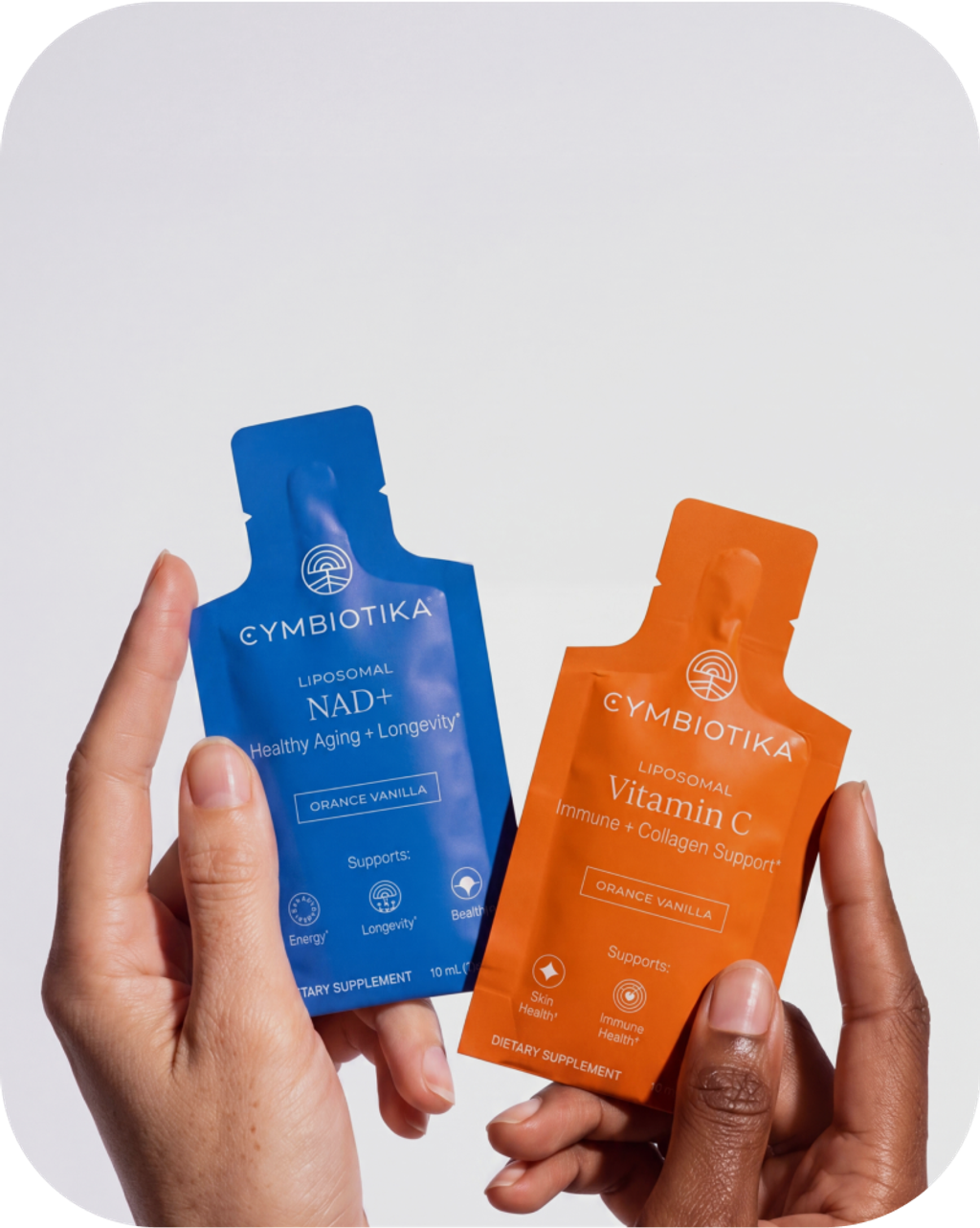
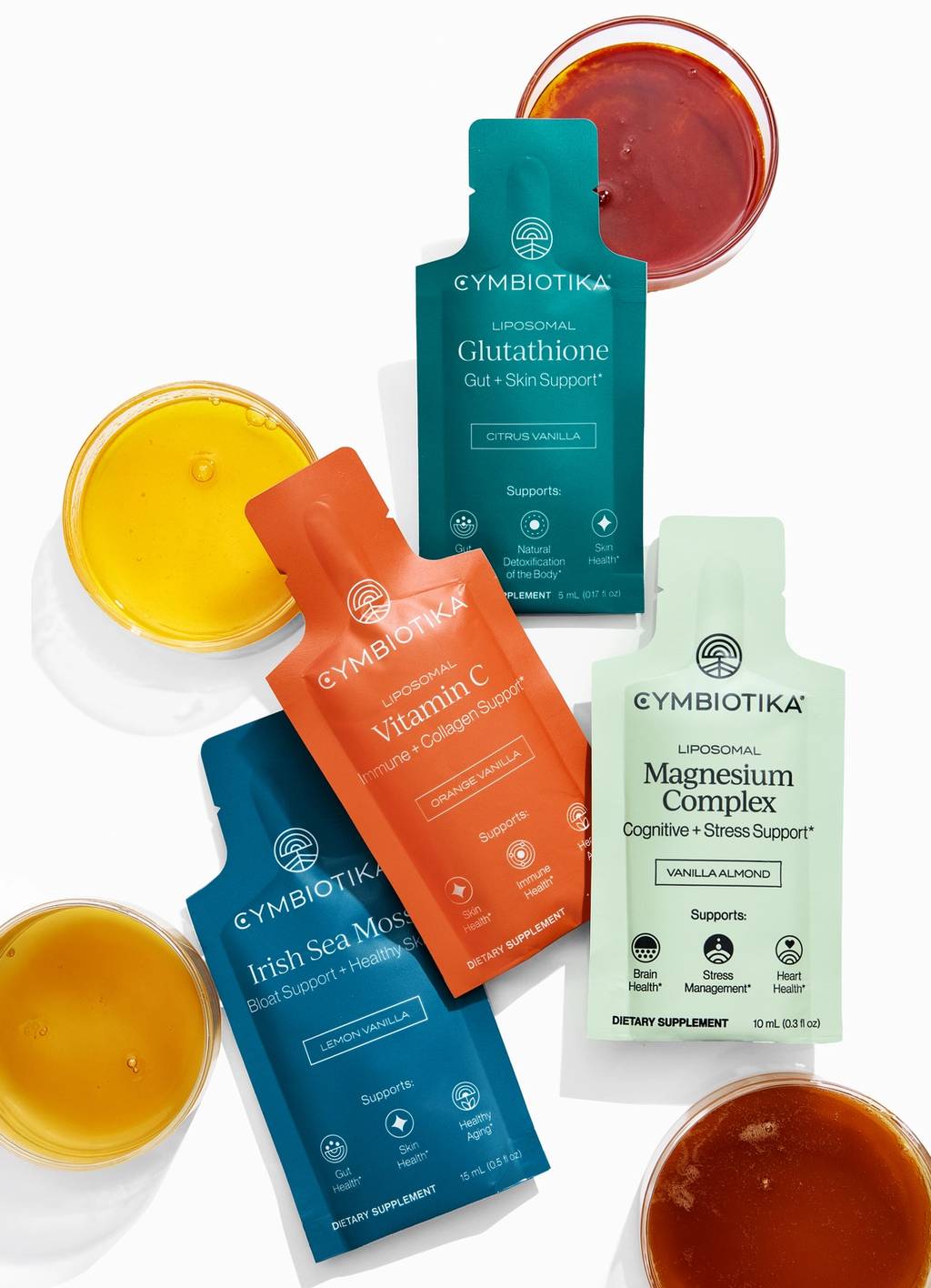
For example, our Liposomal Vitamin C is designed to solve this absorption problem. By wrapping the Vitamin C in a phospholipid bilayerâa tiny bubble of fat that mimics your own cell membranesâthe nutrient is protected as it travels through your system. This allows for much higher absorption at the cellular level compared to traditional liquids or powders.
The Sugar and Glycation Conflict
While the Vitamin C in orange juice is beneficial, the juice itself comes with a significant downside: sugar. Most store-bought orange juices, even those labeled "not from concentrate," are high in fructose.
When you consume high amounts of sugar, a process called glycation occurs in the body. Glycation happens when sugar molecules attach themselves to proteins like collagen and elastin. This creates harmful molecules called Advanced Glycation End products (AGEs). These molecules make your collagen fibers brittle and stiff, which can lead to a loss of elasticity and a duller complexion over time.
Furthermore, the spike in blood sugar caused by fruit juice can trigger a rise in insulin. For many people, elevated insulin levels can lead to increased oil production and internal markers of redness. If you are drinking large amounts of juice in search of a glow, you might unintentionally be working against your skin goals.
The Role of Fiber and Whole Fruit
There is a major difference between drinking the juice and eating the whole fruit. When you eat a whole orange, you are consuming the fiber along with the juice. Fiber slows down the absorption of sugar into your bloodstream, preventing the sharp insulin spikes that contribute to glycation.
Fiber also supports gut health. We now know there is a strong "gut-skin axis," meaning a healthy microbiome is often reflected in clear, radiant skin. If you want to go deeper on this connection, our article Is Gut Health Related to Skin Health? is a useful resource. If you want the benefits of citrus for your skin, reaching for the whole fruit is almost always a better choice than reaching for the carton.
Quick Answer: While orange juice contains Vitamin C, which is vital for collagen and antioxidant protection, its high sugar content and low bioavailability mean it is rarely the most effective way to achieve glowing skin.
Can You Apply Orange Juice Topically?
You may have seen "DIY" skincare tips suggesting that you can apply orange juice directly to your face as a toner or mask. We strongly advise against this.
The pH of orange juice is very low, making it highly acidic. While the skin does have a naturally acidic "acid mantle" to protect itself, the acidity of undiluted citrus juice can be too harsh. It can strip the skin of its natural oils, lead to irritation, and cause photosensitivity. Photosensitivity means your skin becomes much more reactive to the sun, increasing the risk of burns and long-term damage.
Professional Vitamin C serums are formulated with stabilized versions of the vitamin at a controlled pH. Putting kitchen ingredients on your face lacks the stability and safety required for effective skincare.
Better Alternatives for a Radiant Glow
If your goal is to support your skin from the inside out, there are more effective strategies than relying on orange juice. A good place to start is our Healthy Aging Supplements collection.
1. Focus on High-Absorption Supplements
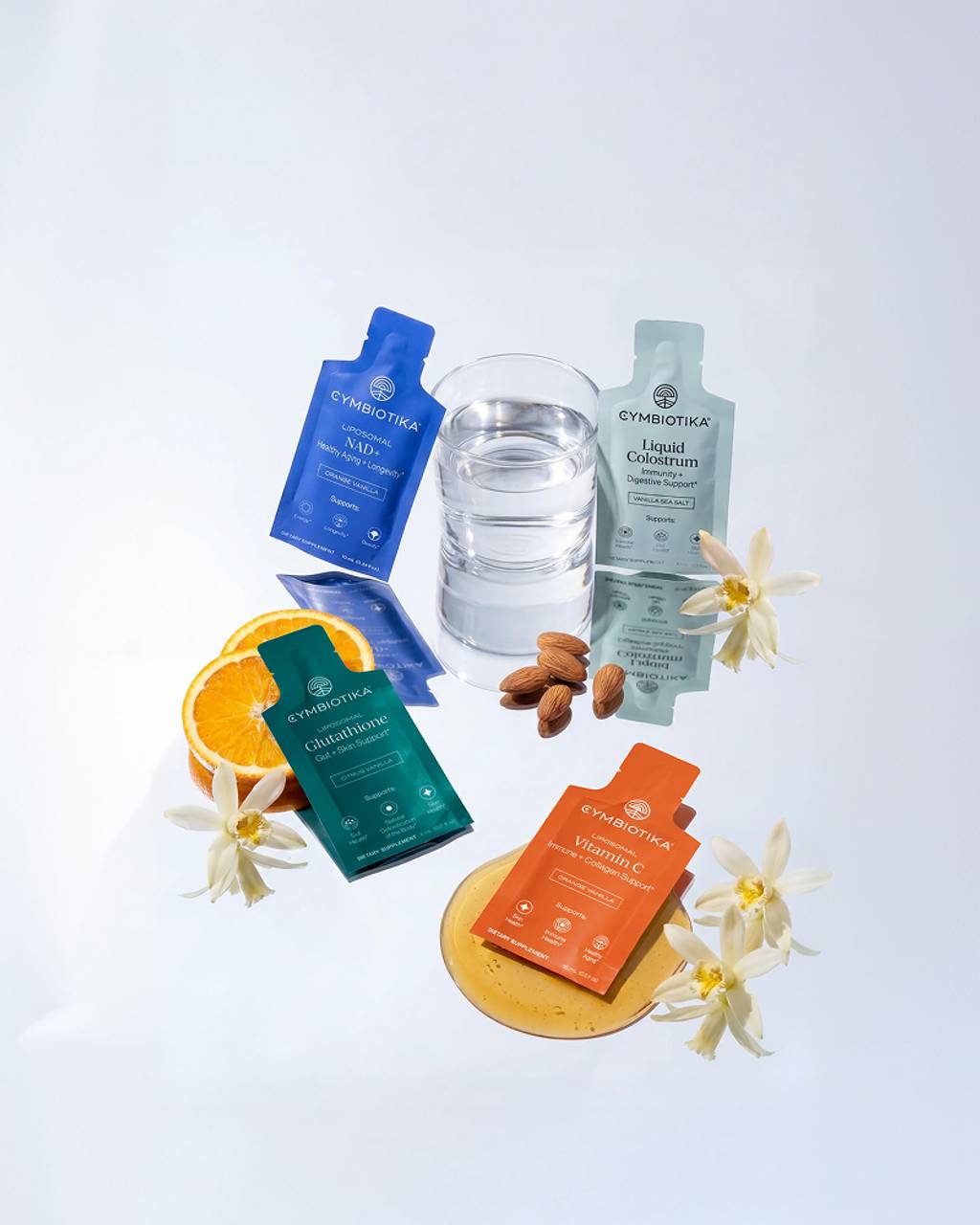
Since the skin is the last to receive nutrients, using a highly bioavailable supplement ensures that there is enough "supply" to go around. Liposomal delivery systems, like those we use in our formulations, ensure that the Vitamin C, Vitamin D3, and Glutathione your skin needs are actually making it into your cells.
2. Hydration with Trace Minerals
True glow comes from cellular hydration. Drinking plain water is a great start, but your cells need electrolytes and trace minerals to actually pull that water in. Our PĂźrblack Pure Mineral Shilajit Live Resin provides a complex of organic minerals that can help support the body's natural hydration and energy pathways.
3. Support the Liver
The liver is the bodyâs primary filtration system. When the liver is functioning optimally, your body is better at processing and removing the metabolic byproducts that can make skin look sallow or tired. Our Liver Health+ formula is designed to support these vital pathways.
4. Optimize the Gut
A healthy gut lining and a balanced microbiome are essential for nutrient absorption. If your gut is not healthy, even the best diet won't result in glowing skin because you won't be absorbing the vitamins you eat. Our Liquid Colostrum and Gut Health Supplements collection can help support the integrity of the gut barrier.
Practical Steps for Your Routine
Building a routine that supports your skin doesn't have to be complicated. Instead of focusing on one "superfood" like orange juice, look at your daily habits as a whole.
Step 1: Swap the juice for whole fruit. Eat an orange, a handful of berries, or a kiwi. You will get the Vitamin C plus the fiber that protects your skin from glycation.
Step 2: Prioritize bioavailability. If you are taking supplements for skin health, make sure they are designed for absorption. Look for liposomal formats that can bypass the limitations of the digestive system.
Step 3: Manage your "internal rust." Think of antioxidants as the "anti-rust" for your cells. In addition to Vitamin C, consider master antioxidants like Glutathione. Our Liposomal Glutathione supports the body's natural defense against oxidative stress, which is key for maintaining a bright complexion.
Step 4: Stay consistent. Skin cells take about 28 to 40 days to turn over. You won't see a "glow" overnight. Consistency with your nutrition and hydration is more important than any one-off health habit.
The Importance of Quality Sourcing
When you choose to supplement your diet, the source of those ingredients is just as important as the delivery method. Many mass-market supplements use synthetic fillers, artificial colors, and low-quality forms of vitamins that the body struggles to recognize.
We take a different approach. We focus on wild-crafted and organic sourcing whenever possible. Our goal is to provide formulations that are clean, transparent, and grounded in science. When you take our products, you know exactly what is going into your bodyâand more importantly, you can trust that it was designed to actually work.
Understanding the "Skin-Gut Axis"
The connection between your digestive system and your skin is one of the most exciting areas of wellness research. Many people who struggle with skin clarity or dullness find that the root cause is actually in their gut.
When the gut is inflamed, it can trigger a systemic response that shows up on the face. This is why a "skin glow" diet should focus on anti-inflammatory foods. Instead of sugary juices, focus on leafy greens, healthy fats like those found in The Omega, and fermented foods.
Our Super Greens powder is a great way to get a wide variety of whole-food nutrition without the sugar spikes of fruit juice. It supports the body's natural alkalinity and provides the phytonutrients that help skin stay resilient.
Environmental Defense from the Inside Out
We often think of sun protection as something we apply to our skin. While topical SPF is non-negotiable, you can also support your skin's internal defense mechanisms.
Antioxidants like Trans-Resveratrol and NMN support cellular repair and longevity. By supporting the health of your cells at the DNA level, you are giving your skin the tools it needs to recover from daily environmental exposure. Our NMN + Trans-Resveratrol formula is designed to support these cellular pathways, which may help maintain skin vitality over time.
Realistic Expectations
It is important to remember that everyoneâs skin is different. Your genetics, your environment, and your overall health all influence how your skin looks. While orange juice can be part of a healthy diet, it is not a "magic bullet" for perfect skin.
Most people find that a multi-faceted approach works best. This includes:
- Protecting your skin from the sun.
- Getting adequate sleep to allow for cellular repair.
- Managing stress levels.
- Focusing on nutrient-dense foods and high-bioavailability supplements.
If youâre not sure where to begin, our Cymbiotika Expert Quiz can help you narrow down a routine that matches your goals.
Bottom line: Orange juice provides helpful Vitamin C, but the sugar content and absorption hurdles make it an inefficient way to achieve a skin glow compared to whole fruits and liposomal supplementation.
Conclusion
Does orange juice make your skin glow? It may provide some of the raw materials your skin needs, but it is rarely enough on its own. The high sugar content can actually lead to collagen breakdown, and the low bioavailability of standard juice means very little of that Vitamin C may actually reach your skin cells.
At Cymbiotika, our mission is to empower you with the tools and knowledge to take control of your health. We focus on high-quality sourcing and advanced liposomal technology to ensure your body actually gets what it needs. A true glow is a reflection of internal balance, cellular hydration, and optimal nutrient absorption.
To find the right routine for your specific needs, we recommend taking our Cymbiotika Expert Quiz. Itâs a simple way to get personalized recommendations based on your unique goals and lifestyle. By focusing on consistency and quality, you can build a wellness routine that helps you look and feel your best.
- Prioritize whole fruits over juices to avoid glycation.
- Use liposomal delivery for maximum nutrient absorption.
- Support your "gut-skin axis" with probiotics and minerals.
- Focus on long-term consistency rather than quick fixes.
"Wellness is not a destination; it is a daily practice of choosing quality and transparency for your body."
FAQ
Is drinking orange juice every day good for your skin?
Drinking orange juice daily provides Vitamin C, which is essential for collagen production, but the high sugar content may cause issues for some people. The sugar can lead to glycation, which potentially damages collagen and elastin over time. It is generally better to eat whole oranges to get the benefit of the fiber, which helps regulate blood sugar levels. For a broader routine that supports skin goals, you can also explore the Healthy Aging Supplements collection.
Can I put orange juice on my face for a glow?
Applying orange juice directly to your face is generally not recommended because it is highly acidic and can cause irritation. The low pH can disrupt your skin's natural barrier and make your skin more sensitive to sun damage. For topical Vitamin C benefits, it is much safer and more effective to use a stabilized serum specifically formulated for the skin.
How long does it take for Vitamin C to make your skin glow?
Skin cells typically take about a month to regenerate, so any changes in your diet or supplement routine may take 4 to 6 weeks to become visible. Consistency is key when supporting skin health from the inside out. Using highly bioavailable liposomal Vitamin C may help ensure your cells receive the nutrients they need more efficiently.
What is the best drink for glowing skin?
Water remains the best drink for skin health because it maintains cellular hydration and helps the body flush out waste. Other excellent options include green tea for its polyphenols and water infused with trace minerals. If you want a nutrient-dense option, a greens powder or a liposomal supplement mixed in water provides vitamins without the high sugar content found in fruit juices.
*These statements have not been evaluated by the Food and Drug Administration. This product is not intended to diagnose, treat, cure, or prevent any disease.