Table of Contents
- Introduction
- The Science of Solubility and Absorption
- Top Liquids for Mixing Your Creatine
- Performance Stacking and Bioavailability
- What to Avoid Mixing with Creatine
- Managing the Gritty Texture
- Building Your Daily Wellness Routine
- Conclusion
- FAQ
Introduction
You have likely reached for a scoop of creatine to support your fitness goals, only to find a gritty residue at the bottom of your glass. This experience is common for anyone using creatine monohydrate, which is often praised for its effectiveness but criticized for its texture. Choosing the right liquid to mix with your supplement can change your entire experience, turning a sandy chore into a seamless part of your morning or post-workout ritual.
At Cymbiotika, we believe that every element of your routine should be intentional. It is not just about what you take, but how your body handles those nutrients once they enter your system. If you want to see how we approach creatine itself, take a look at Liposomal Advanced Creatine. This article covers the best liquids for mixing creatine, why certain choices may improve absorption, and which drinks you should avoid to keep your progress on track.
By the end of this guide, you will understand how to optimize your creatine intake for both comfort and efficiency. We will explore the science of solubility and bioavailability to ensure you get the most out of every scoop. Finding the right balance between taste and performance is the key to a sustainable wellness routine.
The Science of Solubility and Absorption
Creatine monohydrate is a stable molecule, but it does not always dissolve easily in cold liquids. You may notice that when you stir a scoop into ice-cold water, the powder settles quickly at the bottom. This happens because the solubility of creatine is temperature-dependent. While drinking the sediment still provides the nutrient, it can lead to minor digestive discomfort or a "heavy" feeling in the stomach for some people.
Bioavailability refers to how much of a substance actually reaches your systemic circulation to be used by the body. For creatine, the goal is to get the powder out of the glass and into your muscle cells. If the powder is not well-dissolved, your digestive system has to work harder to break it down. If you want a deeper look at that concept, All About Liposomes breaks down why delivery matters so much. This is why many people prefer micronized creatine, which has smaller particles designed to stay suspended in liquid longer.
The question of delivery is central to how we design every formulation. Standard supplements often overlook the physics of how a nutrient interacts with water or stomach acid. Whether you are using a liposomal delivery system—which uses a phospholipid bilayer (a fat-based shell) to protect nutrients—or a high-quality powder, the delivery method determines the results. For creatine monohydrate, the "delivery vehicle" is the liquid you choose to drink.
Key Takeaway: Proper solubility is the first step toward better absorption. If your creatine does not dissolve, it may sit in your gut longer, potentially causing bloating or reduced efficiency.
Top Liquids for Mixing Your Creatine
Filtered Water: The Reliable Standard
Water is the most common choice for creatine because it is simple, calorie-free, and accessible. It does not interfere with the chemical structure of the creatine, making it a "clean" delivery method. To improve the experience, use room temperature or slightly warm water rather than ice-cold water. The warmth helps the bonds of the powder break down more quickly, resulting in a smoother drink.
Fruit Juice and the Insulin Response
Mixing creatine with a carbohydrate-rich fruit juice is a strategy used by many athletes to support faster uptake. When you consume simple sugars, your body releases insulin. Insulin acts as a key that opens up your cells, allowing nutrients like glucose and creatine to enter more efficiently. Grape juice is a popular choice because it is relatively low in acid but high in the simple sugars needed for this insulin response.
- Grape Juice: High sugar content provides a significant insulin spike.
- Apple Juice: A milder option that still offers the necessary carbohydrates.
- Orange Juice: Effective, though the acidity may be bothersome for some if taken on an empty stomach.
Protein Shakes for Recovery
A post-workout protein shake is often the best time to include your creatine dose. After exercise, your muscles are primed to absorb nutrients to begin the repair process. Adding creatine to a shake containing both protein and carbohydrates creates a comprehensive recovery environment. The thick texture of a protein shake, especially those with plant-based proteins or whey, helps mask any remaining grittiness from the powder.
Smoothies and Whole Food Blends
Smoothies offer a way to hide the texture of creatine entirely while adding extra nutrition. By blending your powder with a banana, frozen berries, and a handful of spinach, you create a nutrient-dense meal that supports overall wellness. The fiber in the fruit can also help steady the absorption of sugars, providing a more sustained energy release. If you find the taste of plain creatine unappealing, a smoothie is your best defense.
Coffee and Warm Tea
One of the most common myths is that heat destroys creatine, but the molecule is actually very heat-stable. In fact, many of the original studies on creatine involved dissolving it in warm tea. Adding your daily scoop to your morning coffee is an excellent way to "habit stack," ensuring you never forget a dose. If you are curious about how that kind of formulation thinking shows up in product development, read Why We Made It: Liposomal Advanced Creatine. The warm liquid dissolves the powder almost instantly, making it much more pleasant to drink.
Electrolyte Drinks and Coconut Water
Creatine is osmotic, meaning it draws water into your muscle cells. This is why hydration is the most critical factor when starting a creatine routine. Mixing your powder with coconut water or an electrolyte blend provides the potassium and sodium your body needs to maintain fluid balance. This can help prevent the "creatine cramps" that some people experience when they fail to increase their water intake.
Performance Stacking and Bioavailability
Combining your creatine with other supportive nutrients can create a more effective daily stack. At Cymbiotika, we focus on how different compounds work together to support cellular health. For example, staying hydrated at the cellular level is essential when your muscles are storing more water. You can also explore H2 Molecular Hydrogen Water Tablets as another performance-minded addition to your routine.
Bioavailability is not just a buzzword; it is the lens through which every supplement decision should be made. If you take a high dose of any nutrient but your body cannot process it, you are wasting your time and resources. This is why we prioritize clean, transparent formulations. When you mix creatine with the right liquids, you are essentially improving its "formulation" in real-time. For broader energy support, you can also browse the All Natural Energy Supplements collection.
Myth: You must "load" creatine by taking 20 grams a day for a week.
Fact: While loading saturates your muscles faster, taking a consistent 3–5 grams daily will reach the same saturation level within three to four weeks without the risk of stomach upset.
Step 1: Choose your base. Pick a liquid that fits your current goals (e.g., water for cutting, juice for performance).
Step 2: Check the temperature. Aim for room temperature or warmer to ensure the powder dissolves fully.
Step 3: Stir or shake vigorously. Use a shaker bottle if you are on the go to keep the powder from settling.
Step 4: Drink immediately. Do not let creatine sit in liquid for hours, as it can eventually break down into creatinine, a waste product.
What to Avoid Mixing with Creatine
While creatine plays well with most things, there are a few drinks that can hinder your results. The primary goal of a creatine routine is to support energy and hydration. Anything that works against those two goals should be avoided during your supplementation window.
- Alcohol: Alcohol is a known diuretic that dehydrates the body. Since creatine requires extra water to work effectively, alcohol can cause significant strain and negate the benefits of the supplement.
- Excessive Caffeine (Without Water): While a morning coffee is fine, consuming massive amounts of caffeine can lead to dehydration. If you use a high-stimulant pre-workout with your creatine, you must double your water intake.
- Highly Acidic Liquids (Left to Sit): While drinking creatine with orange juice is fine if consumed immediately, letting the powder sit in a highly acidic environment for a long time can cause it to degrade.
- Sugary Sodas: While the sugar might help with an insulin spike, the artificial colors, phosphoric acid, and high-fructose corn syrup in sodas are not supportive of a clean wellness routine.
Bottom line: Focus on liquids that support hydration and provide a clean carbohydrate source, and avoid anything that pulls water away from your cells.
Managing the Gritty Texture
If you cannot stand the feeling of "sand" in your throat, there are practical ways to fix it. The texture is usually a result of poor solubility or choosing a low-quality powder. First, ensure you are using a micronized version of the supplement. Micronization reduces the particle size significantly, which allows the powder to stay suspended in the liquid rather than sinking.
Another trick is to mix your creatine into "wet" foods rather than liquids. Stirring your daily dose into Greek yogurt, oatmeal, or even applesauce can make the texture virtually unnoticeable. The consistency of the food holds the powder in place, and the natural moisture helps it blend in. This is a great alternative for those who find drinking a gritty glass of water to be the hardest part of their morning.
Consistency over intensity is the foundation of any successful wellness plan. It is better to take a small, well-dissolved dose every single day than to take a large, poorly absorbed dose sporadically. Whether you choose water, juice, or a smoothie, the "best" thing to drink your creatine with is the one you will actually stick to every day.
Building Your Daily Wellness Routine
A supplement routine should feel like a natural extension of your lifestyle. Integrating creatine into your day is simple once you find the right vehicle. Many of our users find that pairing their physical performance supplements with cognitive support provides a more balanced approach to their day. For example, taking your creatine in the morning and using our Liposomal Magnesium Complex in the evening can support both physical output and nervous system recovery.
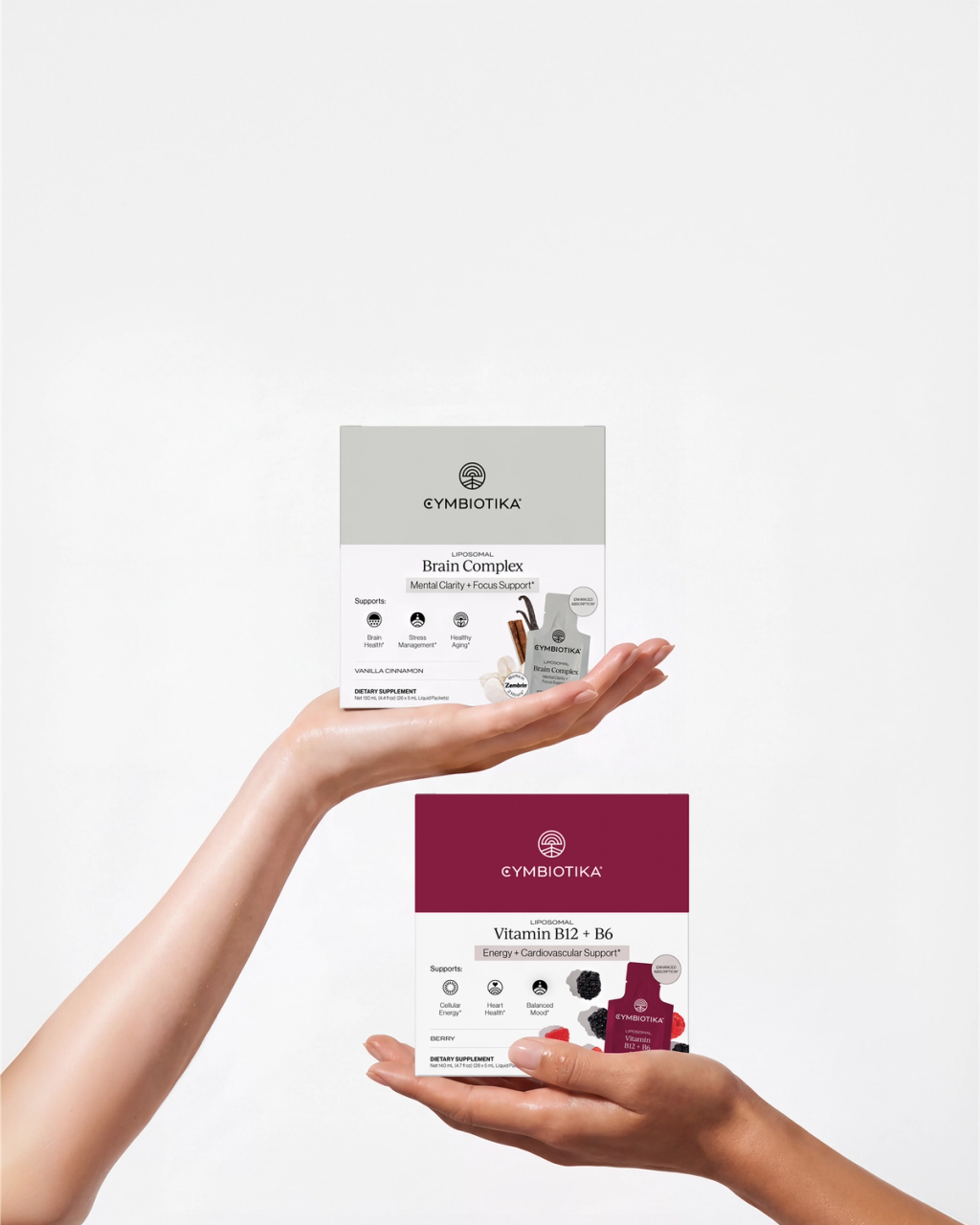
We are committed to helping you build a routine you can trust. This means providing information that is grounded in science and focuses on the long-term health of your body. Our formulations, such as the Liposomal Vitamin B12 + B6, are designed with the same focus on absorption that you should apply to your creatine intake. If you are still unsure where to begin, our Cymbiotika Expert quiz can help you find a personalized starting point. Every choice you make, from the water you drink to the supplements you stack, contributes to your overall vitality.
Key Takeaway: Success with creatine comes down to two factors: consistent daily intake and maintaining high levels of hydration.
Conclusion
Finding what to drink creatine monohydrate with does not have to be complicated. Whether you prefer the simplicity of filtered water, the absorption boost of fruit juice, or the convenience of a post-workout protein shake, the most important factor is consistency. By focusing on solubility and bioavailability, you ensure that your body can actually use the fuel you are providing.
- Choose warm or room-temperature liquids to help the powder dissolve.
- Use a carbohydrate source like grape juice if you want to support faster muscle uptake.
- Prioritize hydration by drinking more water throughout the day to support the osmotic effects of creatine.
- Avoid alcohol and excessive stimulants that can lead to dehydration.
Wellness is a journey of small, informed choices. At Cymbiotika, our mission is to empower you with the tools and transparency needed to take control of your health. If you want to keep building a routine around performance and recovery, the Recovery table of contents is a helpful next step. If you are looking for more ways to personalize your supplement stack, we encourage you to take our Health Quiz. It is designed to help you identify the specific nutrients your body needs to perform at its best, ensuring your routine is as unique as you are.
FAQ
Can I mix creatine with my pre-workout?
Yes, you can mix creatine with your pre-workout drink for convenience. While creatine does not provide an immediate energy spike like caffeine, taking it with your pre-workout ensures you maintain consistent daily levels. Just be sure to drink plenty of extra water, as both caffeine and creatine affect your body's hydration needs.
Is it okay to take creatine on an empty stomach?
Many people take creatine on an empty stomach without any issues. However, if you experience minor stomach discomfort, try taking it with a small meal or mixing it into a smoothie or protein shake. Taking it with a carbohydrate source may also help with absorption while being gentler on the digestive system.
Does the temperature of the liquid matter?
The temperature does not change the effectiveness of the creatine, but it does change the solubility. Warm or room-temperature liquids help the powder dissolve much more effectively than ice-cold water. Since well-dissolved powder is easier for your body to process, warmer liquids are often the better choice for comfort. For more on how delivery systems work, Liposomes 101 is a useful read.
How much water should I drink while taking creatine?
Because creatine draws water into your muscle cells, your overall demand for hydration increases. A good rule of thumb is to add an extra 8 to 16 ounces of water to your daily intake for every 5 grams of creatine you take. Monitoring the color of your urine is a simple way to ensure you are staying adequately hydrated throughout the day.
*These statements have not been evaluated by the Food and Drug Administration. This product is not intended to diagnose, treat, cure, or prevent any disease.