







Table of Contents
- Introduction
- Understanding Creatine: The Body's Powerhouse Fuel
- The Manufacturing Process of Creatine Monohydrate
- Distinguishing Vegan vs. Non-Vegan Creatine
- The Benefits of Creatine Supplementation, Especially for Vegans
- Integrating Creatine into a Vegan Wellness Routine
- The Cymbiotika Difference: Trust and Bioavailability
- Conclusion
- FAQ
Introduction
In a world increasingly focused on conscious consumption and tailored wellness, understanding the origins of our supplements has never been more important. For those embracing a plant-based lifestyle, the question often arises: "Is all creatine monohydrate vegan?" This isn't just a matter of dietary preference; it's about aligning personal values with health goals, ensuring every choice supports a holistic vision of well-being. This blog post will delve into the science behind creatine, explore how it’s manufactured, and clarify which forms are truly vegan-friendly, helping you make informed decisions for your fitness journey. We'll also highlight the importance of high-quality, transparent sourcing in supplements, a core tenet of our mission at Cymbiotika, where we believe wellness starts with trust.
Understanding Creatine: The Body's Powerhouse Fuel
Creatine is a naturally occurring compound that plays a critical role in cellular energy production, particularly in muscle cells. Synthesized in the body from three amino acids—arginine, glycine, and methionine—it’s primarily stored in skeletal muscles as phosphocreatine. This stored energy is crucial for high-intensity, short-duration activities like weightlifting, sprinting, and other forms of anaerobic exercise. Essentially, creatine helps rapidly regenerate adenosine triphosphate (ATP), your body’s primary energy currency, allowing your muscles to perform more work and recover more quickly.
While the body naturally produces about 1 gram of creatine per day, an additional gram typically comes from dietary sources. For omnivores, this often includes red meat, poultry, fish, and seafood. However, those following vegetarian or vegan diets generally have lower creatine stores due to the absence of these animal-based food sources. This difference can make creatine supplementation particularly appealing for individuals on plant-based diets who are looking to maximize their athletic performance, support muscle growth, and aid in recovery.
The Manufacturing Process of Creatine Monohydrate
The most widely researched and consumed form of creatine is creatine monohydrate. Its popularity stems from its proven efficacy and safety profile. But how is it made, and more importantly, is its production process compatible with a vegan lifestyle?
The manufacturing of creatine monohydrate typically involves a chemical synthesis process, not direct extraction from animal products. It begins with two primary raw materials: sodium sarcosinate and cyanamide.
Sodium Sarcosinate
Sodium sarcosinate is a derivative of sarcosine, which itself is a metabolite of the amino acid glycine. Glycine can be produced synthetically or derived from various sources, none of which are inherently animal-based in the context of creatine manufacturing.
Cyanamide
Cyanamide is an organic compound known for its role in agriculture and various chemical syntheses. It is a white solid, produced through industrial processes that do not involve animal components.
These two compounds are combined under controlled conditions, often involving heat in a reactor. After the reaction, the resulting crude creatine is then subjected to a rigorous purification process, often involving centrifugation, to remove impurities. The purified product is then dried and milled into the fine powder we commonly recognize as creatine monohydrate.
This synthetic pathway is key to understanding why most commercially available creatine monohydrate supplements are indeed vegan-friendly. The raw materials and the chemical processes involved do not rely on animal-derived ingredients.
Distinguishing Vegan vs. Non-Vegan Creatine
While the core compound of creatine monohydrate is typically vegan, it's crucial to be a discerning consumer. Not all creatine products are automatically suitable for a vegan diet. The devil, as they say, is in the details, particularly when it comes to supplement formulations and delivery methods.
Vegan-Friendly Creatine Forms
Creatine Monohydrate Powder: The vast majority of pure creatine monohydrate powders are vegan. Since the active ingredient is synthetically produced, it doesn't contain animal products. This makes it a popular choice for those seeking to boost their Energy & Focus in alignment with plant-based principles. Look for products that specifically state "100% pure creatine monohydrate" with no other added ingredients, or those bearing a certified vegan logo.
Other Manufactured Creatine Forms: Beyond monohydrate, other forms like creatine HCl or creatine ethyl ester are also typically synthesized in a laboratory setting, making them inherently vegan. The production methods for these variants also avoid animal-derived components.
Non-Vegan Creatine Considerations
Capsule Formulations: This is where many creatine products can become non-vegan. A significant number of encapsulated supplements use gelatin capsules, which are made from animal collagen (often bovine or porcine sources). If you prefer capsules, always check the label for "vegetable cellulose," "hypromellose," or other plant-based capsule materials.
Blended Supplements: Creatine is a common ingredient in pre-workout mixes, protein powders, and other multi-ingredient supplements. While the creatine itself might be vegan, other components in the blend might not be. For example, some protein powders include whey protein (dairy-derived), or flavorings and sweeteners might contain non-vegan additives. Always scrutinize the full ingredient list of any blended product.
Cross-Contamination: Although less common, there's a slight possibility of cross-contamination in manufacturing facilities that process both vegan and non-vegan products. For strict vegans, looking for certifications like a "Certified Vegan" logo provides an extra layer of assurance, as these certifications often imply adherence to strict production protocols to prevent cross-contamination and ensure no animal testing.
At Cymbiotika, we understand the importance of this discernment. Our commitment to transparency means you can trust that our formulations are free from unnecessary synthetic fillers and are non-GMO, with organic or wild-crafted sourcing whenever possible. We adhere to GMP-aligned manufacturing standards and perform third-party testing to ensure purity and potency, providing our community with the highest quality, science-forward supplements.
The Benefits of Creatine Supplementation, Especially for Vegans
Creatine supplementation is one of the most thoroughly researched and effective ergogenic aids available. While beneficial for many, it holds particular relevance for individuals following a vegan diet due to their naturally lower creatine stores.
Enhanced Exercise Performance
The primary benefit of creatine is its ability to increase the availability of ATP during high-intensity, short-burst activities. This means:
- Increased Strength and Power: You may be able to lift heavier weights or perform more explosive movements.
- Improved Endurance for High-Intensity Exercise: It can help delay fatigue during repeated sprints or sets, allowing for more effective training sessions.
- Faster Recovery Between Sets: By replenishing phosphocreatine stores more quickly, creatine can reduce recovery time during workouts.
This makes it an excellent choice for those focused on building muscle and enhancing athletic performance. For those on a vegan diet, who might naturally have lower creatine levels, these benefits can be even more pronounced, helping to close any potential performance gap compared to omnivorous athletes.
Muscle Growth and Body Composition
Creatine supplementation, especially when combined with resistance training, can significantly support muscle mass development. It may:
- Increase Lean Body Mass: Creatine pulls water into muscle cells, leading to an increase in cell volume, which can signal muscle growth.
- Stimulate Protein Synthesis: Some research suggests creatine can influence pathways that promote muscle protein synthesis, the process by which muscles repair and grow.
- Improve Training Adaptations: By allowing you to train harder and longer, creatine indirectly contributes to greater training adaptations and subsequent muscle gains.
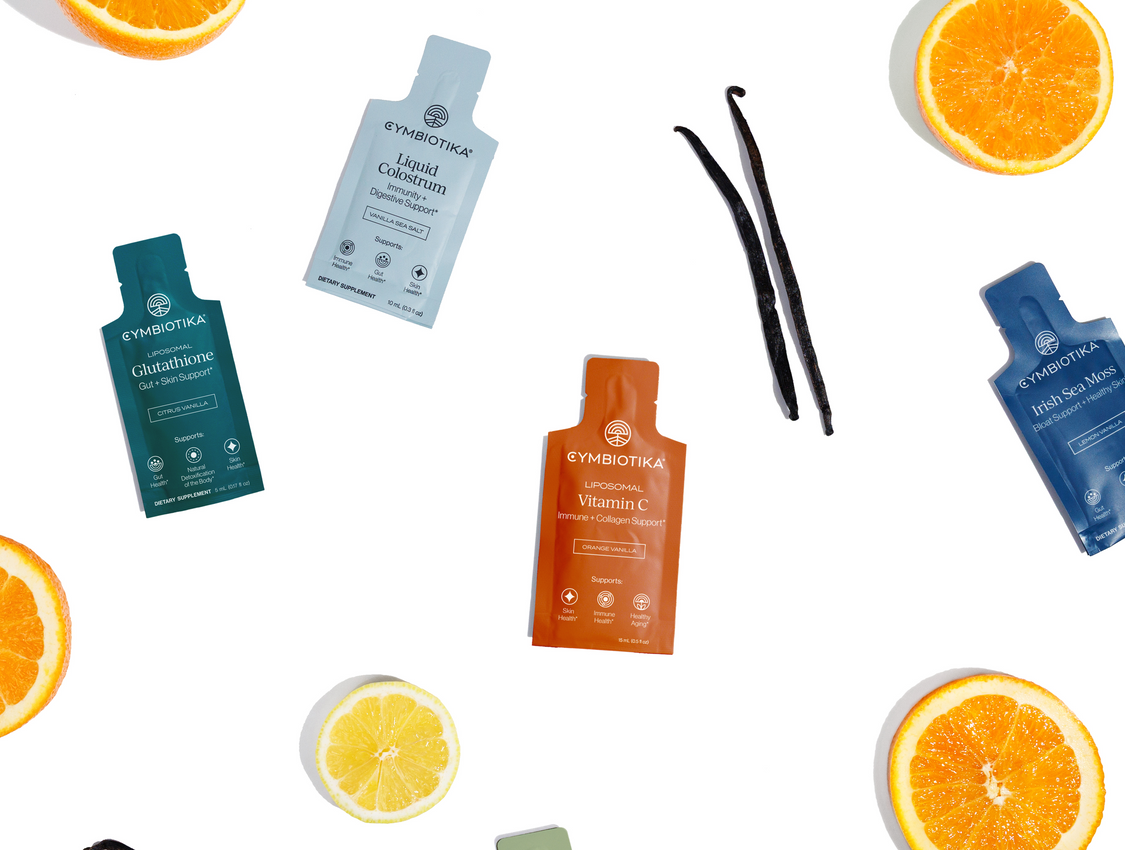
For a comprehensive approach to Healthy Aging & Recovery, considering supplements like Liquid Colostrum or Liposomal Glutathione can also play a role in supporting cellular health and recovery from physical stress.
Beyond the Muscles: Cognitive and Bone Health
Emerging research suggests creatine's benefits extend beyond physical performance:
- Cognitive Support: Creatine is also found in the brain, where it plays a role in energy metabolism. Supplementation may support cognitive function, particularly in tasks requiring short-term memory and reasoning, and potentially benefit older adults or those with lower baseline creatine levels (like vegetarians).
- Bone Health: Some studies indicate that creatine, especially when combined with resistance training, might help counteract age-related declines in skeletal muscle and bone mineral density, supporting overall bone health.
- Neurological Support: While human trials are still limited, preliminary research explores creatine's potential role in supporting brain health and reducing the risk of certain neurological conditions.
For overall wellness, including cognitive support, products like Golden Mind can also provide comprehensive benefits.
Integrating Creatine into a Vegan Wellness Routine
If you're vegan and considering creatine, here's how to approach it mindfully and effectively:
Choosing the Right Product
- Look for "Creatine Monohydrate": This is the gold standard, widely available, and typically vegan.
- Check for Vegan Certification: Products with a "Certified Vegan" logo offer the highest assurance.
- Read the Ingredient List Carefully: Avoid gelatin capsules and scrutinize blended products for non-vegan additives.
- Prioritize Transparency and Quality: Opt for brands that clearly list all ingredients, disclose their sourcing, and conduct third-party testing. This aligns with our values at Cymbiotika, where we prioritize empowering our community to make informed choices with high-quality ingredients and rigorous standards.
Dosage and Timing
The average recommended dose for maintenance is 3-5 grams per day. Some individuals opt for a "loading phase" to rapidly increase muscle creatine stores, typically involving 20-25 grams per day (split into 4-5 doses) for 5-7 days, followed by the maintenance dose.
- Consistency is Key: Whether you load or not, consistent daily intake is more important than timing for long-term benefits.
- Mix with Liquid: Creatine powder dissolves well in water, juice, or smoothies. For someone who travels often and struggles to stay consistent, single-serve pouches or easy-to-mix powders can make it easier to keep a routine without overthinking it.
Always start low and go slow, and follow the label instructions. If you are pregnant or breastfeeding, taking medication, or under medical supervision, consult a healthcare professional before adding any new supplement to your routine.
Holistic Approach to Vegan Wellness
Remember that supplements are meant to complement a healthy lifestyle, not replace it. For vegans, a well-planned diet rich in whole foods, adequate protein intake (from sources like legumes, tofu, tempeh, nuts, and seeds), and consistent exercise are foundational.
Consider how creatine fits into your broader wellness strategy, which may include other supportive supplements for areas like Immunity with Liposomal Vitamin C, or Gut Health with a Probiotic to support overall daily resilience. Our advanced liposomal delivery approach is designed with absorption in mind, ensuring that your body can actually use what you take, maximizing the value of your wellness investment.
The Cymbiotika Difference: Trust and Bioavailability
At Cymbiotika, we believe that true wellness starts with trust. This means unwavering transparency in everything we do, from sourcing our ingredients to formulating our products. We understand that in the vast world of supplements, reducing guesswork is paramount. Our commitment to high-quality ingredients, rigorous quality standards, and empowering our community to make informed choices is at the heart of our mission.
One of our core differentiators is our focus on bioavailability—how well your body can actually absorb and utilize the nutrients you consume. We understand that simply taking a supplement isn't enough; it's about what your body can truly integrate. That's why we meticulously design our formulations, often utilizing advanced liposomal delivery approaches. This innovative method encases nutrients in protective liposomes, allowing them to bypass digestive breakdown and reach your cells more effectively. Many people find this makes a significant difference in their experience.
When you choose Cymbiotika, you're choosing:
- Transparency: No hidden ingredients, no fillers, no unnecessary additives. Just pure, potent ingredients.
- Rigorous Testing: Every product undergoes third-party testing for purity and potency, ensuring what's on the label is what's in the product.
- Conscious Sourcing: We prioritize non-GMO standards and organic/wild-crafted sourcing where possible, reflecting our dedication to both your health and the planet.
- GMP-Aligned Manufacturing: Our manufacturing processes adhere to the highest Good Manufacturing Practices, guaranteeing consistent quality and safety.
We focus on building consistent habits and supporting everyday balance—whether it's for Energy & Focus with Liposomal Vitamin B12 + B6, better Sleep & Stress with Magnesium Complex, or overall resilience. We set realistic expectations, emphasizing that results vary and consistency is key. We are here to support your journey with science-forward supplements designed to truly make a difference in your wellness routine.
Conclusion
The answer to "Is all creatine monohydrate vegan?" is a reassuring "yes" for most pure forms, thanks to its synthetic production process. However, the importance of diligent label reading and choosing transparent, high-quality brands cannot be overstated. For vegans, creatine offers a well-researched, effective way to support athletic performance, muscle growth, and even cognitive function, potentially helping to optimize stores that might naturally be lower in a plant-based diet.
At Cymbiotika, we stand by our commitment to transparency, quality, and bioavailability, empowering you to make informed decisions for your health. We believe in providing solutions that genuinely support your body’s needs. Ready to discover which high-quality, bioavailable supplements are right for your unique wellness goals? Take The Health Quiz today to personalize your routine and unlock your full potential.
FAQ
Q1: What is the main difference between creatine from food and creatine supplements?
A1: Creatine is naturally found in animal products like red meat and fish, providing a dietary source for omnivores. Creatine supplements, particularly creatine monohydrate, are synthetically manufactured from non-animal sources. This means that while the chemical compound is the same, the origin and concentration differ significantly, making supplements a practical and often necessary choice for vegans and vegetarians to achieve optimal creatine levels.
Q2: Can creatine supplements cause side effects?
A2: Creatine is generally considered safe for most healthy adults when taken at recommended doses. The most commonly reported side effect is weight gain, which is typically due to increased water retention within muscle cells, contributing to lean body mass. It’s always important to follow label directions, start with a low dose, and consult a healthcare professional if you have any pre-existing health conditions, especially kidney or liver concerns, or if you are pregnant or breastfeeding.
Q3: How long does it take to see benefits from creatine supplementation?
A3: The timeline for experiencing benefits can vary based on individual factors, dosage, and whether a loading phase is used. If you perform a loading phase (taking higher doses for 5-7 days), you may notice effects on strength and performance within a week as muscle creatine stores are rapidly maximized. Without a loading phase, it might take 3-4 weeks of consistent daily supplementation (3-5 grams) for your muscle creatine levels to become saturated and for you to experience noticeable benefits. Consistency is key, and results may vary.
Q4: Are there specific Cymbiotika products that can support overall energy and muscle function alongside creatine?
A4: Yes, while we don't offer a creatine product, we have many supplements designed to support overall energy, recovery, and cellular function, which can complement a fitness routine. For example, our Organic Longevity Mushrooms can support energy and cognitive clarity. For muscle recovery and antioxidant support, consider Liposomal Glutathione. To support mitochondrial function, which is critical for energy, NMN + Trans-Resveratrol is an excellent choice. These products, combined with a healthy diet and lifestyle, may help support your wellness journey comprehensively.
*These statements have not been evaluated by the Food and Drug Administration. This product is not intended to diagnose, treat, cure, or prevent any disease.




