







Table of Contents
- Introduction
- Understanding Creatine: More Than Just a Muscle Builder
- The Science of Skin Aging and Cellular Energy
- Creatine's Role in Skin Health: Beyond the Gym
- Integrating Creatine into Your Wellness and Skincare Routine
- Setting Realistic Expectations
- The Synergy of Science and Nature
- Conclusion
- Frequently Asked Questions
Introduction
Imagine a single compound that's not only celebrated in the gym for boosting strength but is also gaining serious attention in skincare circles for its potential to help with the visible signs of aging. It sounds almost too good to be true, doesn't it? For years, creatine has been a cornerstone for athletes aiming to enhance performance and build muscle. However, a growing body of research suggests that this powerful amino acid derivative may offer remarkable benefits for skin health, including its potential role in addressing wrinkles.
This post will delve into the science behind creatine, exploring how it functions within the body and, more specifically, within our skin cells. We’ll uncover the mechanisms through which creatine may support skin vitality, from enhancing cellular energy to promoting collagen synthesis and protecting against environmental stressors. By the end, you’ll have a comprehensive understanding of whether creatine truly lives up to the hype in the realm of anti-aging skincare and how it might fit into a holistic wellness routine focused on cellular health.
Understanding Creatine: More Than Just a Muscle Builder
Creatine is a natural compound synthesized in the body from three amino acids: arginine, glycine, and methionine. While the liver, pancreas, and kidneys produce about 1 gram per day, we also obtain creatine from our diet, primarily through red meat and seafood. Once absorbed, creatine is stored predominantly in muscles as phosphocreatine, where it plays a critical role in rapid energy production for high-intensity activities.
For decades, this energy-boosting function has made creatine a popular supplement among athletes and bodybuilders, lauded for its ability to improve strength, increase muscle mass, and enhance exercise performance. However, creatine’s influence extends far beyond skeletal muscles. It’s also present in other vital organs, including the brain and—you guessed it—the skin.
Our understanding of creatine is evolving, moving beyond its well-known athletic applications to explore its broader systemic benefits. For instance, research suggests creatine can support cognitive function, bone health, and even counteract age-related declines in muscle mass (sarcopenia). This holistic impact hints at a compound with multifaceted roles in maintaining overall vitality, including the health and appearance of our skin.
The Science of Skin Aging and Cellular Energy
To understand how creatine might help with wrinkles, it's essential to first grasp the fundamental processes of skin aging. Our skin, the body's largest organ, is constantly exposed to internal and external stressors. Over time, these factors lead to visible changes such as fine lines, wrinkles, loss of firmness, and reduced elasticity.
At a cellular level, skin aging is characterized by several key processes:
- Decreased Cellular Energy: Skin cells, like all cells, require energy in the form of adenosine triphosphate (ATP) to perform their vital functions. These include repair, regeneration, and the production of structural proteins like collagen and elastin. As we age, cellular metabolism slows down, leading to a decline in ATP production. This energy deficit impairs the skin's ability to maintain its youthful structure and function.
- Collagen and Elastin Degradation: Collagen provides firmness and structure to the skin, while elastin gives it flexibility and the ability to bounce back. With age, the production of new collagen and elastin decreases, and existing fibers become fragmented and disorganized. This leads to reduced skin elasticity, sagging, and the formation of wrinkles.
- Oxidative Stress and DNA Damage: Exposure to ultraviolet (UV) radiation from the sun, pollution, and other environmental factors generates free radicals, which cause oxidative stress. This stress damages skin cells, their DNA, and structural proteins, accelerating the aging process and contributing to wrinkle formation.
- Reduced Skin Cell Turnover: Young skin has a robust cell turnover rate, meaning old cells are regularly replaced by new, healthy ones. As we age, this process slows down, leading to a buildup of dead skin cells on the surface, which can make the skin appear dull and contribute to a rougher texture.
- Dehydration: The skin’s ability to retain moisture diminishes with age, leading to a loss of intracellular water. This dehydration can make fine lines and wrinkles more prominent, as plump, hydrated cells contribute to a smoother, more supple appearance.
These interconnected processes paint a clear picture: maintaining youthful skin requires robust cellular function, adequate energy supply, and effective protective mechanisms. This is precisely where creatine, with its role as a cellular energizer, enters the conversation.
Creatine's Role in Skin Health: Beyond the Gym
While creatine is celebrated for its impact on muscle performance, its potential benefits for skin health are increasingly becoming a focus of scientific inquiry. The intriguing connection lies in creatine's fundamental role in cellular energy metabolism and its ability to support various processes critical for maintaining youthful-looking skin.
Boosting Cellular Energy in Skin Cells
Just as creatine provides energy for muscle contractions, it fuels the complex machinery of skin cells. As we age, the energy production within skin cells naturally declines, impairing their ability to repair, regenerate, and produce vital structural components. Creatine acts as an energy buffer, helping to replenish ATP (adenosine triphosphate), the primary energy currency of cells.
By boosting ATP levels, creatine may empower skin cells to:
- Enhance Repair Mechanisms: More energy means cells can more effectively repair damage from environmental stressors like UV radiation.
- Improve Metabolic Activity: A higher metabolic rate in skin cells supports their overall function, leading to healthier, more vibrant skin.
- Optimize Synthesis of Key Proteins: Adequate energy is crucial for the production of collagen and elastin, the proteins responsible for skin's firmness and elasticity.
Early research suggests that topical creatine formulations can significantly enhance ATP energy production in skin cells, sometimes by as much as 30%. This cellular energizing effect is a cornerstone of creatine’s potential anti-aging benefits.
Supporting Collagen Production and Skin Firmness
One of the most significant factors in wrinkle formation is the decrease in collagen synthesis and the degradation of existing collagen fibers. Creatine may play a direct role in supporting the body’s natural collagen production. Studies have indicated that creatine can stimulate collagen synthesis in dermal fibroblasts—the cells responsible for producing collagen.
When collagen production is supported and maintained, it can lead to:
- Increased Skin Firmness and Elasticity: A robust collagen network helps maintain the skin’s structural integrity, contributing to a firmer, more resilient complexion.
- Reduced Skin Sagging: By supporting the underlying structure, creatine may help reduce the appearance of skin sag, particularly in areas like the jowl.
- Improved Skin Roughness: Enhanced collagen can contribute to a smoother skin texture, minimizing the appearance of fine lines and wrinkles.
Research has shown that when creatine is applied topically, it can stimulate collagen synthesis, leading to firmer-looking skin. Furthermore, some studies indicate a reduction in wrinkles and skin roughness with creatine supplementation.
Protection Against Environmental Damage
Our skin faces a daily barrage of environmental stressors, with UV radiation being one of the most damaging. UV exposure generates free radicals, leading to oxidative stress, DNA damage, and accelerated aging. Creatine may offer a layer of defense against these harmful effects.
Specific protective benefits include:
- Reducing UV-Induced DNA Damage: Creatine has been shown to potentially reduce DNA damage in the skin caused by UV light. This protective effect is crucial for preventing premature aging and maintaining cellular health.
- Neutralizing Free Radicals: By acting as an antioxidant or supporting the body's antioxidant systems, creatine may help reduce the formation of free radicals, thereby minimizing oxidative stress. One study suggested a reduction in free radical formation by approximately 16% with creatine application.
- Enhancing Skin Barrier Function: A healthy skin barrier is essential for protecting against external aggressors and retaining moisture. Creatine’s overall support for cellular function may contribute to a stronger, more resilient skin barrier.
Enhancing Skin Hydration and Cell Turnover
Beyond structural support and protection, creatine may also contribute to skin hydration and cell renewal, both vital for a youthful appearance.
- Increased Intracellular Hydration: Some research suggests creatine can increase the hydration status of cells. As a reduction in intracellular water is a common sign of aging skin, creatine's potential to improve this can lead to skin that appears more hydrated and glowing. While more research is needed, this mechanism could help plump up skin cells, making fine lines less noticeable.
- Promoting New Skin Cell Generation: Creatine may play a role in generating new skin cells and improving skin turnover. A healthy cell turnover rate ensures that older, damaged cells are replaced with fresh, healthy ones, which can lead to increased skin elasticity and a reduction in hyper-pigmentation.
These findings highlight creatine’s potential as a multifaceted ingredient in the fight against visible signs of aging. It works by addressing key cellular processes that are often compromised with age, offering a science-backed approach to supporting skin vitality.
Integrating Creatine into Your Wellness and Skincare Routine
Given creatine's promising benefits for skin health, many are curious about the best ways to incorporate it into their daily routine. It's important to remember that wellness starts with trust, and choosing high-quality, transparently sourced supplements is key.
Oral Creatine Supplementation
While much of the research on skin benefits focuses on topical application, oral creatine supplementation offers systemic benefits that may indirectly support overall skin health. Creatine has been extensively researched for safety and efficacy in healthy individuals when taken at appropriate doses for up to five years.
- General Dosing: A common approach is around 5 grams of creatine daily, often mixed into water, juice, or a smoothie. While there's no single "best" time to take creatine, some find absorption may be improved when taken with a meal.
- Who Benefits Most: People with naturally lower creatine levels, such as vegetarians, often see the most pronounced benefits from oral supplementation across all areas, including cognitive function and muscle performance, which can contribute to overall vitality and an active lifestyle that reflects in healthy skin.
- Choosing Quality: When considering any oral supplement, we believe in transparency—no hidden ingredients, fillers, or unnecessary additives. Look for products that align with GMP-aligned manufacturing standards and undergo third-party testing for purity and potency. Our commitment at Cymbiotika is to high-quality ingredients and rigorous quality standards, ensuring you're empowered to make informed choices.
While oral creatine supports various bodily functions, including cellular energy which indirectly benefits skin, the more direct effects on wrinkles often come from topical applications.
Topical Creatine Applications
Many of the studies demonstrating creatine's direct impact on reducing wrinkles, increasing firmness, and protecting against UV damage involve topical application. Creatine is becoming an active ingredient in certain skincare products designed to prevent and treat human skin aging.
When selecting skincare, consider products that:
- Combine Synergistic Ingredients: Creatine often works best when paired with other beneficial ingredients like folic acid, guarana extract, or glycerol, as suggested by research. The principle here is similar to our approach at Cymbiotika: targeted ingredients working together for amplified effects.
- Are Designed for Bioavailability: For any topical ingredient to be effective, it needs to be absorbed by the skin. Look for formulations that facilitate dermal penetration.
A Holistic Approach to Skin Health
Creatine, whether taken orally or applied topically, is one piece of a larger wellness puzzle. For truly vibrant skin, a holistic approach is paramount:
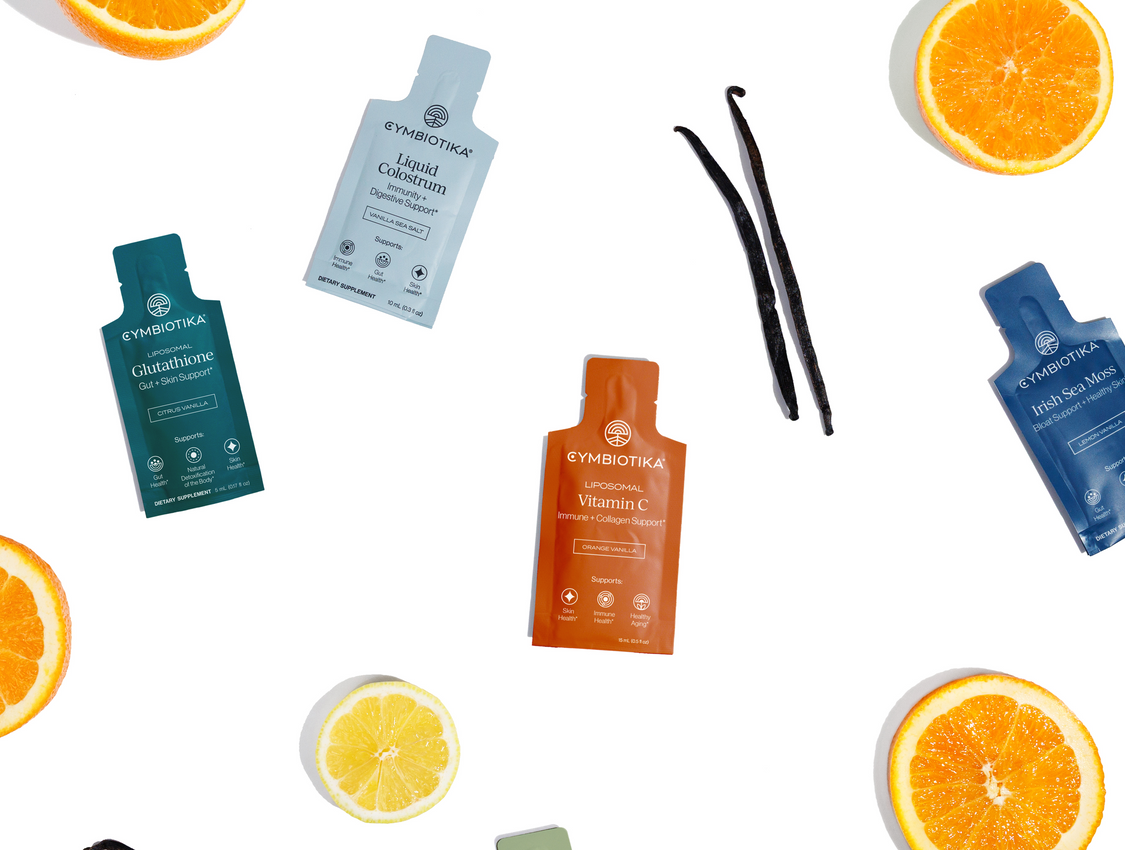
- Nutrition: A diet rich in antioxidants, healthy fats, and essential vitamins and minerals provides the foundational building blocks for healthy skin. Consider supplements like Liposomal Vitamin C, a powerful antioxidant crucial for collagen synthesis, or Liposomal Vitamin D3 + K2 + CoQ10 for broad cellular support. Our Super Greens can also help ensure you're getting a broad spectrum of phytonutrients.
- Hydration: Drinking adequate water throughout the day is fundamental for skin hydration.
- Sun Protection: Consistent use of broad-spectrum sunscreen is the most critical step in preventing premature aging and wrinkle formation.
- Stress Management and Sleep: Chronic stress and poor sleep quality can accelerate aging. Our Sleep & Stress collection offers products like our Magnesium Complex to support relaxation and healthy sleep cycles.
- Gut Health: The gut-skin axis is increasingly recognized. A balanced microbiome can reflect positively on skin health. Our Gut Health collection features products like our Probiotic and Liquid Colostrum to support a healthy gut environment.
Remember, building consistent habits is key to seeing results. Supporting everyday balance—whether it's energy, focus, recovery, or sleep quality—contributes to daily resilience that shows on your skin.
Our Commitment to Bioavailability
At Cymbiotika, we understand that for any supplement to truly benefit you, it must be absorbed effectively by your body. This is our core differentiator: bioavailability. It’s not just about what you take, but how well your body can actually use it. This is why we emphasize our advanced liposomal delivery approach designed with absorption in mind. We also adhere to non-GMO standards, with organic or wild-crafted sourcing where possible, and rigorous third-party testing for purity and potency. Our goal is to reduce guesswork through clear product information, empowering you to make informed choices that truly support your wellness journey.
Setting Realistic Expectations
While the research on creatine and skin health is promising, it's vital to approach any new supplement or skincare regimen with realistic expectations. No single ingredient is a magic bullet for reversing all signs of aging overnight.
Here’s what to keep in mind:
- Results Vary: Individual responses to supplements and skincare products can vary significantly. Factors like genetics, lifestyle, diet, existing skin condition, and consistency of use all play a role.
- Supporting, Not Curing: Creatine is understood to support skin health and may help reduce the visible signs of aging. It is not intended to cure, treat, prevent, heal, diagnose, or reverse any medical condition. Our focus is on supporting everyday balance, resilience, and vitality.
- Consistency is Key: Like any wellness habit, the benefits of creatine—whether oral or topical—are most likely to be observed with consistent, long-term use. Building consistent habits is more impactful than sporadic attempts.
- Holistic Approach: The best results are often seen when creatine is part of a comprehensive wellness strategy that includes a balanced diet, adequate hydration, sun protection, stress management, and a high-quality, targeted skincare routine. For example, complementing a creatine regimen with our Healthy Aging & Recovery collection products like NMN + Trans-Resveratrol or Liposomal Glutathione can offer broader cellular support.
- Consult a Professional: Always follow the label directions. If you are pregnant, breastfeeding, taking medication, or under medical supervision, it is always wise to consult a healthcare professional before starting any new supplement regimen.
At Cymbiotika, we empower our community to make informed choices by providing transparent information about high-quality ingredients and advanced formulations. We believe in providing valuable advice and realistic expectations, focusing on how our products can support your body's natural processes for optimal well-being.
The Synergy of Science and Nature
The journey to understanding how compounds like creatine impact our wellness is a testament to the synergy of science and nature. What begins as a fundamental component of cellular energy in our muscles reveals itself to have far-reaching implications for skin vitality, brain health, and overall physiological resilience.
This exploration into creatine’s role in skin health highlights a crucial truth: the health of our skin is an outward reflection of our internal well-being. By supporting our cells from within and protecting them from without, we can empower our bodies to maintain balance and youthful vitality.
When we consider supplements, it's not merely about adding something to our routine; it's about choosing solutions designed with our body's intricate systems in mind. This is where the commitment to quality, transparency, and bioavailability becomes paramount. Our advanced liposomal delivery approach, rigorous third-party testing, and dedication to pure, effective ingredients ensure that what you choose is designed to be efficiently utilized by your body.
Ultimately, integrating creatine, whether through mindful dietary choices, targeted supplementation, or advanced topical applications, becomes part of a broader commitment to cellular health. This comprehensive approach, rooted in confident, reassuring expertise, moves us closer to achieving radiant skin and sustained well-being, naturally.
Conclusion
The question "does creatine help with wrinkles?" is met with growing scientific evidence suggesting its potential to support skin health in numerous ways. From boosting cellular energy and promoting collagen synthesis to offering protection against environmental damage and enhancing hydration, creatine emerges as a compelling ingredient in the quest for youthful-looking skin. Its multifaceted benefits extend beyond muscle performance, underscoring its role in overall cellular vitality, which naturally reflects on our skin.
At Cymbiotika, we believe that true wellness starts with trust. We are dedicated to providing high-quality, science-forward supplements with transparency at their core. We understand that effective wellness is about superior absorption and formulation design, ensuring your body can truly benefit from the nutrients you provide.
If you’re ready to explore how high-quality, bioavailable supplements can support your unique wellness journey and help you feel your best from the inside out, we invite you to discover your personalized path.
Ready to take the guesswork out of your routine? Take The Health Quiz today and let us help you find the perfect product fit for your lifestyle and wellness goals.
Frequently Asked Questions
Q1: Can I get enough creatine from my diet for skin benefits?
While creatine is found in foods like red meat and seafood, the levels are generally far below those found in concentrated supplements. While a balanced diet is crucial for overall health, achieving therapeutic levels for specific benefits like skin support often necessitates supplementation, as studies demonstrating skin benefits often use specific concentrations in topical applications or targeted oral doses.
Q2: Is creatine safe for everyone to use for skin health?
When used orally at appropriate doses, creatine is generally considered safe for up to five years for healthy individuals. Topical application is also generally well-tolerated. However, individuals with pre-existing kidney problems should exercise caution with oral creatine and consult a healthcare professional. As with any new supplement or skincare ingredient, if you are pregnant, breastfeeding, taking medication, or under medical supervision, always consult a healthcare professional before starting.
Q3: How long does it take to see results from creatine for skin?
Research on topical creatine suggests improvements in skin elasticity and wrinkle depth may be observed after just six weeks of consistent use. For oral supplementation, the benefits related to overall cellular health and indirect skin support may take longer, as they rely on systemic processes and consistent routine building. Individual results can vary based on various factors.
Q4: Does creatine interact with other supplements or skincare ingredients?
Some research suggests a potential interaction between caffeine and creatine, where combining large amounts of caffeine (over 300mg daily) with creatine might decrease creatine's efficacy or potentially worsen the progression of Parkinson's disease in some cases. More research is needed in this area. In skincare, creatine is often formulated with other beneficial ingredients like folic acid, guarana, and glycerol, suggesting it can work synergistically. Always review product labels and consult a healthcare professional if you have concerns about specific interactions with medications or existing health conditions.
*These statements have not been evaluated by the Food and Drug Administration. This product is not intended to diagnose, treat, cure, or prevent any disease.




