








Table of Contents
- Introduction
- Understanding Creatine: Your Body's Natural Energy Booster
- Creatine and Cardiovascular Performance: A Detailed Look
- Beyond Performance: Creatine's Role in Recovery and Overall Well-being
- Choosing Your Creatine: Quality and Bioavailability Matter
- Integrating Creatine into Your Wellness Routine
- Conclusion
- FAQ
When you hear "creatine," what’s the first thing that comes to mind? For many, it's images of weight rooms, bulging muscles, and intense strength training. But what about the other side of the fitness coin—cardiovascular exercise? Can this well-known supplement, celebrated for its power-boosting capabilities, also offer benefits to those who lace up their running shoes, hit the bike trails, or dive into the pool? The relationship between creatine and cardio is more nuanced than many assume, extending beyond simple muscle mass to potentially influence endurance, recovery, and overall athletic resilience.
At Cymbiotika, we believe that true wellness starts with trust and informed choices. We're committed to transparency and providing science-forward insights into how high-quality supplements can genuinely support your body's potential. Understanding how compounds like creatine interact with different forms of exercise is key to empowering you to make the best decisions for your unique health journey. This post will dive deep into the science behind creatine and cardio, exploring its mechanisms, potential benefits, and how our commitment to bioavailability ensures you get the most out out of your chosen supplements.
Introduction
Imagine you're pushing through the final sprint of a challenging cardio workout, your muscles burning, your breath ragged. What if there was a way to tap into a deeper energy reserve, to maintain that intensity just a little longer, or recover more efficiently for your next session? Creatine, a naturally occurring compound crucial for energy production within your cells, has long been a staple for strength athletes. However, its role in supporting cardiovascular performance, especially in endurance settings, is a topic of growing interest and ongoing research.
The purpose of this blog post is to demystify the complex relationship between creatine supplementation and various forms of cardiovascular exercise. We'll explore how creatine functions in the body, differentiate its impact on high-intensity versus steady-state cardio, and examine its potential benefits for recovery and overall athletic performance. By the end, you'll have a clearer understanding of whether creatine deserves a spot in your cardio-focused supplement routine and how to approach supplementation with realistic expectations and an emphasis on quality.
Understanding Creatine: Your Body's Natural Energy Booster
Before we delve into its role in cardio, it's essential to grasp what creatine is and how it powers your body. Creatine is an organic compound primarily found in muscle cells, where it plays a critical role in energy metabolism. Your body naturally produces creatine from amino acids, and you also get it from certain foods, particularly red meat and seafood.
The magic of creatine lies in its ability to help regenerate adenosine triphosphate (ATP), often called the "energy currency" of your cells. When you engage in intense activity, ATP is rapidly broken down to release energy. The phosphocreatine system quickly steps in to replenish ATP, ensuring your muscles have a continuous supply of immediate energy. This system is crucial for short bursts of high-intensity effort.
At Cymbiotika, we emphasize the importance of understanding these foundational biological processes. Our approach to wellness is rooted in providing supplements that work with your body’s natural systems, ensuring that our formulations are designed for optimal bioavailability. Because what good is a powerful ingredient if your body can't effectively absorb and utilize it? Our advanced liposomal delivery approach is precisely engineered with absorption in mind, ensuring ingredients reach your cells where they are needed most.
The Role of Creatine in Energy Production
When you perform quick, powerful movements, like a sprint or a heavy lift, your muscles tap into their phosphocreatine stores. This system allows for rapid ATP resynthesis, giving you that immediate burst of power. The more creatine phosphate your muscles have stored, the more effectively they can regenerate ATP, translating into enhanced performance during these explosive moments.
Here's a simplified look at the energy systems at play:
- Phosphocreatine System (ATP-PCr): Used for very short, intense activities (0-10 seconds). It provides immediate energy without oxygen. Creatine is king here.
- Glycolytic System: Engages for moderate-duration, high-intensity efforts (10 seconds - 2 minutes). It breaks down glucose for energy.
- Oxidative System: Powers longer, lower-intensity activities (2+ minutes). This aerobic system relies on oxygen to generate ATP from various fuel sources.
Historically, creatine's benefits have been overwhelmingly associated with the phosphocreatine system, making it a hero for anaerobic activities. However, emerging research suggests a more nuanced role, even for endurance athletes, particularly concerning recovery and the ability to handle mixed-intensity training.
Creatine and Cardiovascular Performance: A Detailed Look
The question of whether creatine helps with cardio isn't a simple yes or no. The answer depends heavily on the type of cardiovascular exercise you're doing. Research indicates a significant difference in how creatine impacts purely aerobic, steady-state activities versus those that involve intermittent high-intensity bursts.
Creatine's Impact on High-Intensity Interval Training (HIIT) and Sprinting
For cardio activities that incorporate short, explosive efforts, such as high-intensity interval training (HIIT), repeated sprints, or sports involving sudden accelerations (like soccer or basketball), creatine shows considerable promise. These types of workouts heavily rely on the phosphocreatine system for rapid ATP regeneration.
Consider a typical HIIT session: you push yourself to near maximal effort for 30-60 seconds, followed by a brief recovery period, then repeat. During those intense work intervals, your body is calling on its creatine stores. Supplementing with creatine can increase these stores, potentially leading to:
- Improved Power Output: The ability to generate more force and speed during each intense interval.
- Enhanced Recovery Between Bouts: Faster replenishment of phosphocreatine allows for more effective subsequent efforts, meaning you might maintain higher intensity throughout your workout.
- Reduced Fatigue: By supporting energy production, creatine may help delay the onset of fatigue during these demanding exercises.
Studies have shown that short-term creatine supplementation may benefit sprinters in terms of power output, speed, and recovery between intervals. This translates directly to improved performance in sports that involve periodic sprinting. For example, our Liposomal Vitamin B12 + B6 and Organic Longevity Mushrooms are popular choices for individuals seeking to support their overall Energy & Focus during such demanding training sessions, complementing the body’s natural energy systems.
Creatine and Traditional Endurance Exercise (Steady-State Cardio)
When it comes to long-distance running, cycling, or swimming at a steady, moderate pace, the picture becomes less clear. These purely aerobic activities primarily rely on the oxidative phosphorylation pathway, which uses oxygen to continuously produce ATP over extended periods. In this system, creatine's direct role in rapid ATP regeneration is less pronounced.
Many studies on traditional endurance exercise have shown limited or no significant direct benefits from creatine supplementation on metrics like VO2 max (maximal oxygen uptake) or time to exhaustion during continuous, low-to-moderate intensity efforts. Some research even suggests a potential negative correlation with VO2 max, possibly due to the slight increase in body weight from water retention, which can impact calculations of oxygen consumption relative to body mass.
However, even for endurance athletes, an indirect benefit may exist. If creatine can enhance the quality of your high-intensity training sessions (e.g., speed work, hill repeats, or interval training), this improved training capacity could, over time, lead to better overall endurance performance. Effectively, creatine may not directly make you a faster marathon runner, but it could help you train harder and recover more effectively, leading to adaptations that do improve your long-distance capabilities.
For those focused on endurance, supporting healthy cellular function and energy at a deeper level is crucial. Our Liposomal Vitamin D3 + K2 + CoQ10 can support cellular energy production, which is vital for sustained aerobic effort, while Pürblack Pure Mineral Shilajit Live Resin is another excellent option to support mitochondrial function and overall vitality, making it a valuable addition to an endurance athlete’s Energy & Focus routine.
Beyond Performance: Creatine's Role in Recovery and Overall Well-being
Creatine offers benefits that extend beyond just immediate performance boosts. Its influence on muscle recovery, hydration, and even brain function can be particularly appealing to athletes who put their bodies through rigorous training, whether it's high-intensity cardio or resistance work.
Enhanced Recovery and Muscle Protection
One of the most compelling reasons for endurance athletes to consider creatine is its potential to aid in recovery. Intense training, regardless of type, causes muscle damage and depletes energy stores. Creatine may help by:
- Mitigating Muscle Damage: Some studies suggest creatine can reduce markers of muscle damage and inflammation following strenuous exercise.
- Faster Force Production Recovery: By speeding up the replenishment of phosphocreatine stores, creatine can help muscles recover their ability to produce force more quickly between workouts.
- Glycogen Resynthesis: There's evidence that creatine, especially when taken with carbohydrates, can enhance glycogen storage in muscles. Glycogen is a crucial fuel source for endurance activities, so better storage means more sustained energy.
For someone who pushes their body regularly, improved recovery can mean the difference between consistent progress and hitting a wall. Faster recovery allows for more effective training sessions, reducing the risk of overtraining and injury. Products like Liposomal Glutathione are designed to support the body’s natural detoxification and recovery processes, while Super Greens offers a spectrum of nutrients to support overall vitality and healthy aging, which are crucial for sustained recovery. For specialized support, our Healthy Aging & Recovery collection offers a range of options.
Hydration and Thermoregulation
A common misconception is that creatine causes dehydration or cramping. In reality, research largely refutes these claims. Creatine does draw water into muscle cells, leading to a temporary increase in intracellular water. This can actually be beneficial for hydration and muscle function, potentially even reducing the risk of heat-related issues for some athletes.
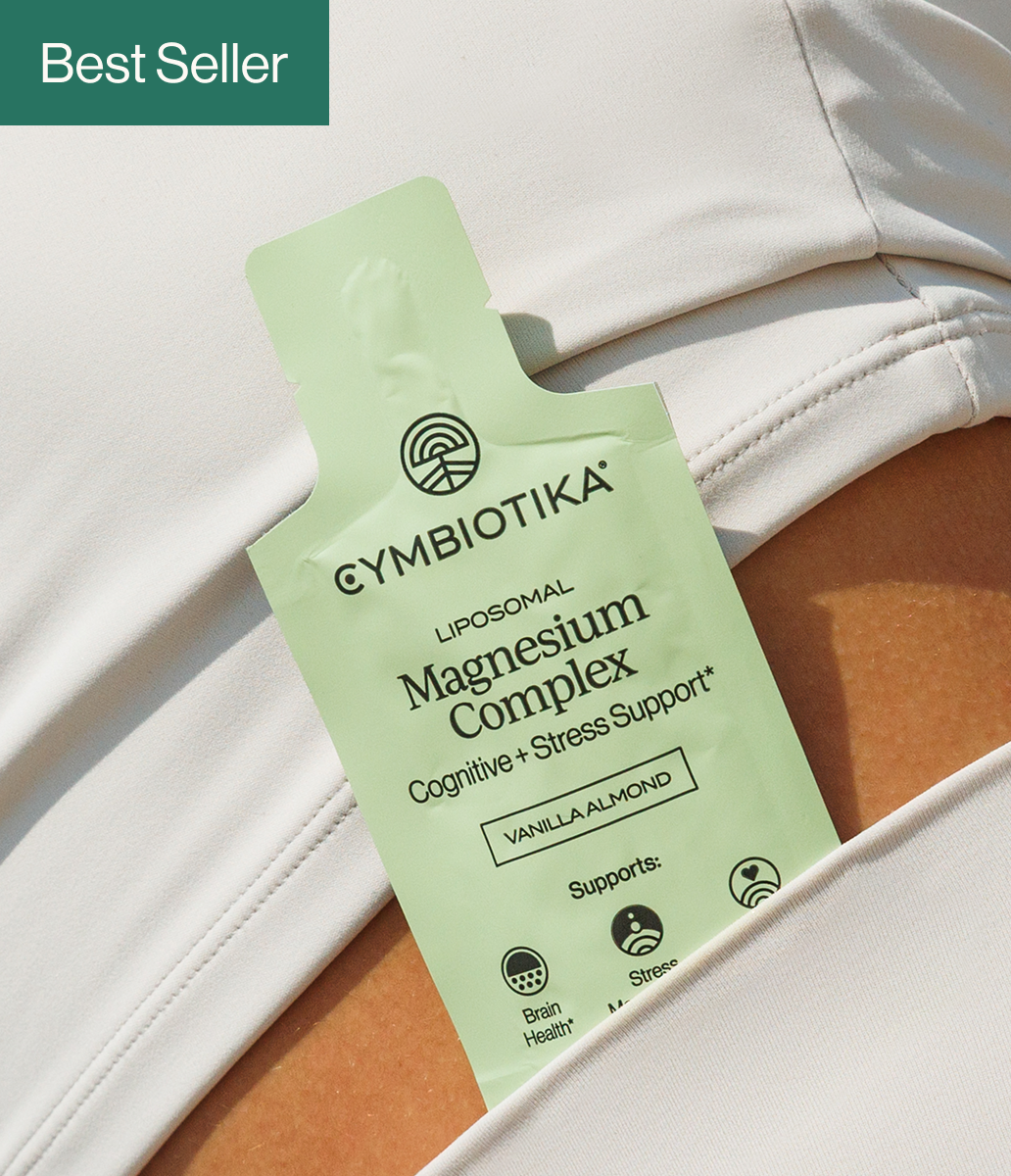
It’s crucial to maintain adequate fluid intake when supplementing with creatine, just as it is during any strenuous activity. This "water weight" is not fat gain and typically stabilizes after the initial loading phase. Our Magnesium Complex and Topical Magnesium Oil Spray can also help support muscle function and hydration balance, making them excellent companions for any active lifestyle.
Cognitive Benefits
Beyond physical performance, creatine may offer advantages for brain health and cognitive function. The brain, like muscles, uses ATP for energy, and creatine can support this process. Preliminary research suggests a connection between creatine supplementation and:
- Improved Cognition: Enhanced short-term memory, reasoning, and mental processing, especially during periods of stress or sleep deprivation.
- Reduced Mental Fatigue: Creatine may help fight fatigue associated with demanding mental tasks or insufficient sleep.
For endurance athletes, maintaining focus and making sound decisions during long, challenging events is paramount. Supporting brain function can translate directly into better strategic performance. Our Golden Mind is formulated to support cognitive function, and Nootropic Creamer offers a delicious way to integrate brain support into your daily routine.
Choosing Your Creatine: Quality and Bioavailability Matter
If you decide to incorporate creatine into your routine, the form and quality of the supplement are paramount. Just as we prioritize transparency and rigorous quality standards at Cymbiotika, we encourage you to seek out supplements that align with similar values.
Creatine Monohydrate: The Gold Standard
Among the various forms of creatine available, creatine monohydrate is by far the most studied and scientifically validated. Hundreds of studies support its safety and effectiveness in increasing muscle creatine stores and enhancing performance. While other forms may make bold claims, the evidence overwhelmingly points to creatine monohydrate as the most reliable and cost-effective option.
At Cymbiotika, we understand that efficacy isn't just about the ingredient, but how your body processes it. This is where our core differentiator—bioavailability—comes into play. We are dedicated to ensuring that the active ingredients in our supplements are not only of the highest purity (third-party tested, non-GMO, organic/wild-crafted where possible) but also delivered in a way that maximizes absorption and utilization. Our GMP-aligned manufacturing standards ensure consistency and quality in every product.
Dosing and Timing for Optimal Results
A standard approach to creatine supplementation involves either a loading phase or a more gradual build-up:
- Loading Phase: Typically 20-25 grams per day (divided into 4-5 doses) for 5-7 days. This rapidly saturates your muscle creatine stores.
- Maintenance Phase: 3-5 grams per day thereafter to maintain elevated stores.
- No Loading Phase: You can skip the loading phase and simply take 3-5 grams daily from the start. This method takes longer (3-4 weeks) to saturate muscles but avoids potential initial digestive upset some individuals experience with higher doses.
For endurance benefits, consistency is generally more important than precise timing. Taking creatine at the same time each day helps maintain stable muscle saturation. Some find taking it post-workout with carbohydrates and protein may enhance absorption, though the evidence for this specific timing benefit with creatine is mixed.
Always follow the label instructions for any supplement, and remember to start low and go slow when introducing new products to your routine. If you are pregnant, breastfeeding, taking medication, or under medical supervision, consult a healthcare professional before starting any new supplement.
Integrating Creatine into Your Wellness Routine
Whether you're a seasoned athlete or just starting your fitness journey, the decision to use creatine should be an informed one, tailored to your individual goals and training regimen.
For Mixed-Intensity Athletes and Team Sports
If your cardio involves repeated bursts of high intensity – think basketball, soccer, interval running, or competitive rowing – creatine can be a highly beneficial addition. It can help you maintain peak performance during those explosive moments, recover more quickly between efforts, and potentially improve your training adaptations over time. Consider supplementing your efforts with products like Molecular Hydrogen to support cellular health, or NMN + Trans-Resveratrol to support healthy aging and energy at a cellular level.
For Pure Endurance Athletes
If your primary focus is long-distance, steady-state cardio, the direct performance benefits of creatine may be less pronounced. However, its role in enhancing recovery, supporting muscle integrity, and potentially improving the quality of any high-intensity segments you include in your training (e.g., speed work, hill climbs) can still make it a valuable tool.
Ultimately, creatine won't transform you overnight, but it can be a supportive element in a comprehensive wellness strategy that includes consistent habits, a balanced diet, and smart training. Our The Omega supplement, for instance, supports overall cardiovascular health, which is foundational for any endurance athlete.
Conclusion
The question "does creatine help with cardio" reveals a nuanced landscape. While creatine's primary and most profound benefits shine in high-intensity, short-burst activities like sprinting and HIIT, its role in supporting recovery, muscle health, and even cognitive function extends its potential utility to a broader range of athletes, including those engaged in endurance pursuits. It may not directly make you run a faster marathon, but it can indirectly enhance your capacity to train harder, recover more efficiently, and maintain mental sharpness—all critical components of successful long-term athletic development.
At Cymbiotika, our mission is to empower you with the knowledge and high-quality supplements to make informed choices for your health. We believe in transparency and the power of science-backed ingredients, ensuring our products, like those in our Energy & Focus or Healthy Aging & Recovery collections, are designed with optimal bioavailability and rigorous standards. No hidden ingredients, no fillers, just pure, potent support for your body.
Ready to explore supplements that align with your unique health goals and support your active lifestyle? Take the guesswork out of your routine and discover personalized recommendations by taking The Health Quiz today.
FAQ
Q1: Is creatine safe for long-term use, especially for cardiovascular health?
A1: Yes, extensive research has consistently shown that creatine monohydrate is safe for long-term use in healthy individuals when taken at recommended dosages. Studies specifically investigating its effects on cardiovascular health have found no adverse effects, with some even suggesting potential benefits like reduced heart rates during submaximal exercise. As with any supplement, it’s always wise to consult a healthcare professional, especially if you have pre-existing health conditions.
Q2: Will creatine make me gain weight if I'm doing cardio?
A2: Creatine can cause an initial, temporary weight gain of 1-3 pounds due to increased water retention within muscle cells. This is not fat gain and is a normal physiological effect. For endurance athletes, this slight increase in body mass might subtly influence performance metrics like VO2 max (which is measured per kilogram of body weight), but it typically stabilizes after the first week of supplementation. Staying well-hydrated is key.
Q3: What is the best type of creatine to take for cardio benefits?
A3: Creatine monohydrate is the most researched and effective form of creatine. It has the strongest scientific backing for its ability to increase muscle creatine stores and enhance exercise performance. While other forms exist, they generally lack the extensive research and proven efficacy of creatine monohydrate. Always choose high-quality, third-party tested creatine monohydrate from a reputable brand committed to transparency.
Q4: Can creatine help with muscle soreness after a long run or intense cycling?
A4: There is evidence suggesting that creatine can help reduce exercise-induced muscle damage and inflammation, which may contribute to less muscle soreness and faster recovery. By promoting more efficient ATP regeneration and potentially aiding in glycogen resynthesis, creatine can help your muscles rebound more quickly from demanding cardiovascular workouts, allowing you to maintain consistency in your training regimen.
*These statements have not been evaluated by the Food and Drug Administration. This product is not intended to diagnose, treat, cure, or prevent any disease.




