







Table of Contents
- Introduction
- Understanding Creatine: More Than Just a Muscle Supplement
- The Myth of Creatine and Acne: Setting the Record Straight
- Does Creatine Help Clear Skin? Exploring the Benefits
- Why Bioavailability Matters: The Cymbiotika Approach
- Lifestyle Factors: When Supplements and Skin Habits Meet
- Building a Consistent Wellness Routine
- Choosing the Right Supplements for Your Lifestyle
- Summary of Key Takeaways
- Frequently Asked Questions (FAQ)
Introduction
Can the same supplement that helps you power through a final set of heavy squats also be the secret to a radiant, youthful complexion? If you have ever stepped foot in a gym or browsed a wellness aisle, you are likely familiar with creatine. It is one of the most researched supplements on the planet, heralded for its ability to support muscle growth, athletic performance, and even cognitive clarity. However, as its popularity grows beyond the bodybuilding community, a new question has emerged: does creatine help clear skin?
For many, the relationship between fitness supplements and skin health is fraught with anxiety. We have all heard stories—or perhaps experienced the frustration ourselves—of starting a new routine only to be met with unexpected breakouts. This has led to a cloud of misinformation, with some claiming creatine causes acne while others suggest it is a hidden gem for anti-aging and skin vitality. Navigating these conflicting reports can feel overwhelming, especially when you are trying to balance your physical fitness goals with your desire for clear, healthy-looking skin.
In this article, we will go beyond the surface-level myths to explore the science of how creatine interacts with your body’s largest organ. We will examine the physiological role of creatine, address the common misconceptions regarding its link to acne, and highlight the surprising ways it may actually support a vibrant complexion. At Cymbiotika, we believe that true wellness is a holistic journey, and understanding the nuances of what you put into your body is the first step toward achieving your goals.
By the end of this guide, you will have a clear understanding of whether creatine fits into your skincare and wellness routine, how to mitigate potential lifestyle-related skin issues, and why the quality of your supplements is the most critical factor in your success. Our main message is simple: while creatine is not a direct "cure" for skin issues, its role in cellular energy and hydration may offer significant, science-backed benefits for those seeking a more resilient and youthful appearance.
Understanding Creatine: More Than Just a Muscle Supplement
To understand how creatine affects the skin, we must first understand what it is and what it does within the human body. Creatine is a naturally occurring nitrogenous organic acid, primarily synthesized in the liver, kidneys, and pancreas from three amino acids: arginine, glycine, and methionine. It is not a foreign substance or a synthetic drug; in fact, your body produces it every single day, and you also consume it through dietary sources like red meat and seafood.
The vast majority of the body’s creatine—about 95%—is stored in the skeletal muscles in the form of phosphocreatine. Its primary job is to act as a rapid-response energy reserve. When you engage in high-intensity activities, your cells use a molecule called adenosine triphosphate (ATP) for fuel. However, ATP stores are depleted quickly. Phosphocreatine steps in to "recharge" these energy molecules, allowing your muscles to continue performing at a high level. This is why many people turn to Energy & Focus supplements to support their active lifestyles.
However, the role of creatine is not limited to the gym. Every cell in your body, including your brain cells and skin cells, requires ATP to function. Emerging research has shown that creatine may play a vital role in supporting cognitive tasks, short-term memory, and even mood stability. This is because the brain is an energy-intensive organ, and having a reliable "backup battery" in the form of creatine can support overall mental resilience.
At Cymbiotika, we often emphasize that wellness starts with trust and transparency. Understanding that creatine is a natural part of your cellular "machinery" helps demystify its effects. It is a fundamental component of your body's energy system, and when we look at it through the lens of cellular health, its potential impact on the skin becomes much clearer.
The Myth of Creatine and Acne: Setting the Record Straight
The most common concern regarding creatine is the fear that it will trigger or worsen acne. To be direct: there is currently no scientific evidence that suggests creatine causes acne. This myth persists largely due to two factors: confusion with other substances and the lifestyle habits that often accompany intense training.
Creatine vs. Anabolic Steroids
The primary reason people associate muscle-building supplements with skin issues is the historical stigma surrounding anabolic steroids. Anabolic steroids are synthetic derivatives of testosterone that can significantly alter the body’s hormonal balance. One of the most common side effects of steroid use is a dramatic increase in sebum (oil) production, which frequently leads to severe acne.
Creatine is frequently lumped into the same category as steroids by the general public, but they are entirely different. Creatine is an amino acid derivative that supports energy production; it is not a hormone. While some older studies suggested that creatine might slightly increase levels of dihydrotestosterone (DHT), subsequent research has failed to consistently replicate these findings or show a link to skin breakouts.
The Role of Sweat and Hygiene
Another reason people may experience breakouts while taking creatine is not the supplement itself, but the increased intensity of their workouts. Because creatine allows you to train harder and longer, you are likely to sweat more. If sweat, bacteria, and dead skin cells are allowed to sit on the skin post-workout, they can clog pores and lead to "exercise-induced" acne.
For someone who hits the gym daily and notices new blemishes, the culprit is often a lack of immediate post-workout hygiene rather than their Liposomal Vitamin B12 + B6 or creatine regimen. Maintaining a clean environment for your skin after exertion is the most effective way to prevent these types of breakouts.
Does Creatine Help Clear Skin? Exploring the Benefits
While the focus is often on whether creatine harms the skin, the more exciting conversation is how it may actually help. Recent dermatological research suggests that creatine could be a powerful ally in the realm of Healthy Aging & Recovery.
Boosting Cellular Energy (ATP) for Skin Repair
Just like your muscles, your skin cells (keratinocytes and fibroblasts) require significant amounts of energy to repair themselves. Environmental stressors—such as pollution, blue light, and internal oxidative stress—can deplete cellular energy. When skin cells lack energy, the repair process slows down, leading to a dull complexion and a slower recovery from minor irritations.
By supporting the regeneration of ATP, creatine may help provide skin cells with the fuel they need to maintain their natural defense barriers and repair damage more efficiently. Many people find that supporting their body's internal energy production with Molecular Hydrogen provides a synergistic effect that reflects in their skin's overall resilience.
Supporting Collagen Synthesis and Elasticity
Collagen is the structural protein that gives our skin its firmness and bounce. As we age, our natural collagen production begins to decline, leading to fine lines and sagging. Interestingly, some studies have shown that creatine can stimulate the production of collagen in human skin cells.
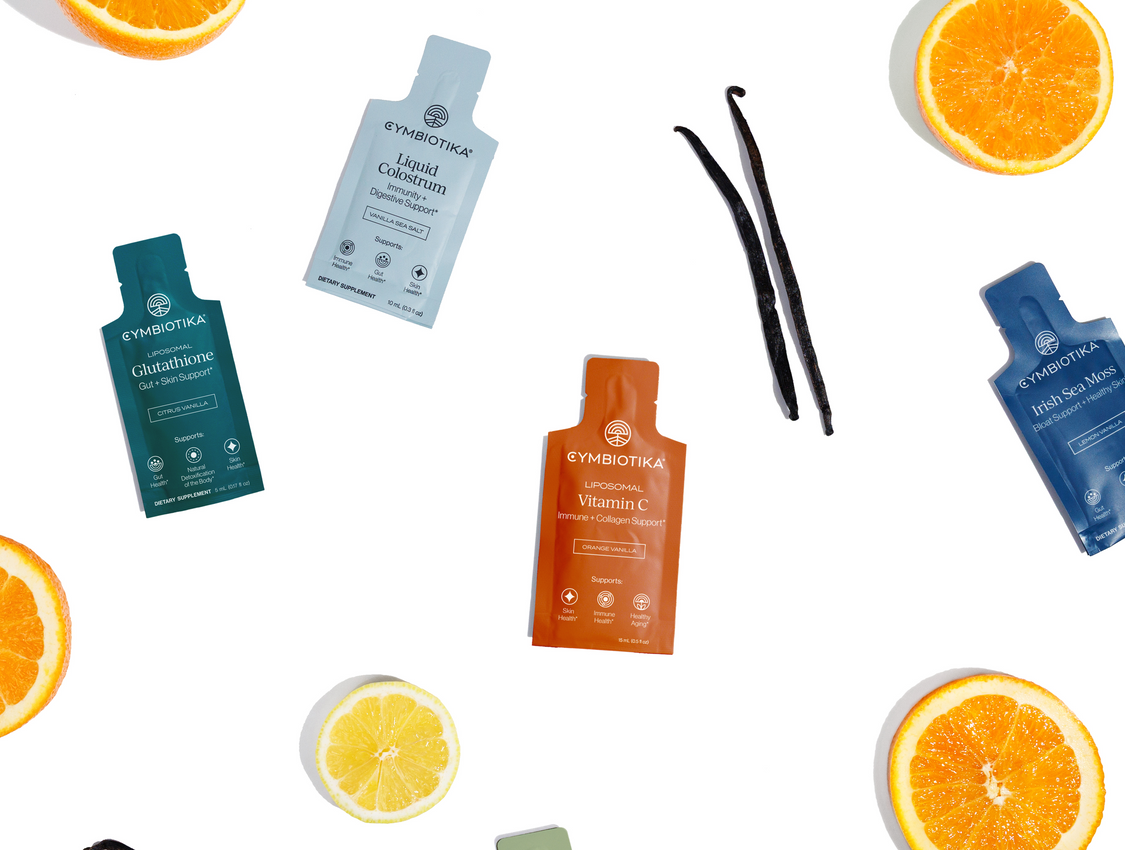
When skin cells have access to optimal energy levels, they are better equipped to produce the proteins necessary for a youthful appearance. This makes creatine an interesting candidate for those looking to support their skin's structural integrity from the inside out. For enhanced support, many individuals pair their routine with Liposomal Vitamin C, which is a critical cofactor for collagen synthesis.
Hydration and Plumping Effects
One of the most well-known "side effects" of creatine is water retention. While this is often discussed in terms of muscle volume, this hydration effect can extend to the skin. Creatine is an osmolyte, meaning it helps draw water into the cells.
This internal hydration may support a "plumping" effect, reducing the appearance of fine lines that are often exacerbated by dehydration. While this is not a substitute for topical moisturizers, it supports the skin’s hydration at a deep, cellular level.
Protection Against Environmental Stress and UV Damage
The skin is constantly under attack from ultraviolet (UV) radiation, which causes DNA damage and premature aging. Preliminary research indicates that creatine may help protect skin cells from the oxidative stress caused by the sun. By recharging the cell's "antioxidant" potential and supporting DNA repair mechanisms, it acts as a secondary layer of support for your primary sun protection routine.
"True skin health is a reflection of cellular vitality. When we provide our cells with the energy they need, the body's natural ability to repair and renew itself is enhanced."
Why Bioavailability Matters: The Cymbiotika Approach
At Cymbiotika, our core differentiator is bioavailability. We believe that it is not just about what you take, but what your body can actually absorb and utilize. This is a crucial distinction in the world of supplements, where many products are filled with synthetic additives and poor-quality ingredients that never reach the intended cells.
All of our formulations, from our Liposomal Vitamin D3 + K2 + CoQ10 to our mineral complexes, are designed with the latest delivery technology. When considering how any supplement affects your skin, you must look at the purity of the source. Many low-grade creatine powders on the market may contain heavy metals or manufacturing byproducts that could potentially irritate the system or trigger sensitivities.
We prioritize third-party testing for purity and potency, ensuring that there are no hidden fillers or unnecessary additives in our products. By choosing supplements that are non-GMO and manufactured to GMP-aligned standards, you are reducing the guesswork and giving your body the clean fuel it needs to thrive.
Lifestyle Factors: When Supplements and Skin Habits Meet
If you are wondering, "does creatine help clear skin?" you must also look at your lifestyle as a whole. Supplements are designed to support a healthy foundation, not replace it. To ensure your skin remains clear and vibrant while using creatine, consider the following practical strategies.
The Role of Post-Workout Hygiene
As mentioned earlier, the increased sweat from more intense workouts is a common culprit for breakouts. To protect your skin:
- Shower as soon as possible after exercising.
- Use a gentle, non-comedogenic cleanser to remove sweat and oil.
- Wear moisture-wicking clothing to reduce the amount of sweat trapped against your skin.
- Avoid touching your face during your workout, as gym equipment can harbor bacteria.
Diet, Protein, and Skin Clarity
Many people who start a creatine regimen also increase their intake of protein shakes. It is important to note that whey protein—specifically dairy-based whey—has been linked to acne in some individuals due to its impact on insulin-like growth factor (IGF-1). If you notice breakouts after starting a new fitness stack, try switching to a plant-based protein or focusing on whole-food sources to see if your skin clears up.
Supporting your internal environment is equally important. Incorporating a high-quality Probiotic can help maintain a balanced gut microbiome, which is closely linked to skin health through the gut-skin axis. When your digestion is functioning optimally, your body is better able to eliminate toxins that might otherwise manifest as skin irritations.
Hydration: Inside and Out
Creatine increases the demand for water in your muscles. If you do not increase your overall water intake, you may experience systemic dehydration, which can leave your skin looking sallow and dry. Aim to drink plenty of filtered water throughout the day. For an extra boost of minerals and nutrients that support hydration and skin health, consider adding Super Greens to your daily routine.
Building a Consistent Wellness Routine
The key to seeing results—whether in your fitness or your skin—is consistency. One-off supplementation rarely yields the long-term benefits that many are looking for. We recommend building a routine that matches your lifestyle and feels sustainable.
For those who travel often or have a busy schedule, choosing formats like our liposomal pouches can make it easier to stay consistent without the need for bulky bottles. Whether you are focusing on Gut Health or athletic performance, the goal is to create habits that support everyday balance.
Many people find that starting with a "low and slow" approach allows them to monitor how their body reacts to new additions. If you are concerned about how a supplement might affect your skin, start with a smaller serving and gradually increase it as your body adapts. As always, we recommend consulting with a healthcare professional before beginning any new supplement regimen, especially if you are pregnant, breastfeeding, or under medical supervision.
Choosing the Right Supplements for Your Lifestyle
With so much information available, it can be difficult to know where to start. We believe in empowering our community to make informed choices based on their unique needs.
Are you looking for more energy? Better sleep? Or perhaps you are focused on longevity? Each of these goals requires a slightly different approach. For example, if your primary concern is maintaining a clear and youthful complexion, focusing on antioxidants like Liposomal Glutathione may be just as important as your creatine intake. Glutathione is often referred to as the "master antioxidant" and can support the body's natural detoxification processes, which is essential for skin clarity.
Reducing the guesswork in your wellness journey is one of our primary goals. By focusing on high-quality sourcing and advanced absorption, we aim to provide you with the tools you need to support your daily resilience and reach your full potential.
Summary of Key Takeaways
The question of whether creatine helps clear skin is multifaceted, but the science provides some reassuring answers:
- No Link to Acne: There is no direct evidence that creatine causes acne. Breakouts associated with its use are typically due to hygiene habits, sweat, or dietary changes (like increased dairy intake).
- Cellular Energy: Creatine supports ATP production, which is essential for the repair and regeneration of skin cells.
- Anti-Aging Potential: By stimulating collagen synthesis and protecting against oxidative stress, creatine may help reduce the appearance of fine lines and wrinkles.
- Bioavailability is Key: The quality and absorption of your supplements matter. Choosing clean, third-party tested products ensures you aren't introducing harmful fillers into your system.
- Holistic Health: Clear skin is the result of a balanced lifestyle, including proper hydration, post-workout hygiene, and a healthy gut.
Creatine is a versatile and safe supplement that offers benefits far beyond the weight room. While it may not be a traditional "skin supplement," its impact on cellular health makes it a valuable addition to a comprehensive wellness routine.
Frequently Asked Questions (FAQ)
1. Does creatine cause acne or skin breakouts?
No, there is no scientific evidence that directly links creatine to acne. Most skin issues experienced while taking creatine are usually a result of increased sweating during workouts, changes in diet (such as consuming more dairy protein), or the use of lower-quality supplements containing fillers. Maintaining good post-workout hygiene and staying hydrated can help prevent these issues.
2. Can creatine actually improve the appearance of my skin?
Yes, some research suggests that creatine can support skin health by boosting cellular energy (ATP), which helps skin cells repair and regenerate. It has also been shown to stimulate collagen production and help the skin retain moisture, which can lead to a firmer, more hydrated, and youthful appearance.
3. How should I take creatine to avoid potential side effects?
To minimize the chance of any side effects, such as bloating or water retention, it is best to follow the label on your specific product. Many people find success by starting with a maintenance dose (usually 3–5 grams per day) rather than a high-dose "loading phase." Always ensure you are drinking plenty of water, as creatine increases the body's need for hydration.
4. Is it safe to take creatine with other skin-supporting supplements?
In general, creatine can be safely combined with other supplements like Vitamin C, Glutathione, or Probiotics. In fact, many people find that a "stacked" approach—combining energy-supporting supplements with antioxidant-rich ones—provides the best results for both their fitness and their skin. As always, consult with a healthcare professional if you are taking medication or have concerns about new supplements.
Empower your wellness journey today. If you are ready to stop the guesswork and find the perfect routine for your unique needs, we invite you to take the Cymbiotika Health Quiz. Our expert-designed quiz will help you discover which high-quality, bioavailable formulations are best suited to support your energy, focus, and skin vitality goals.
*These statements have not been evaluated by the Food and Drug Administration. This product is not intended to diagnose, treat, cure, or prevent any disease.




