Table of Contents
- Introduction
- The Distinct Roles of Creatine and Protein
- Does Creatine Impact Protein Absorption?
- The Science of Muscle Protein Synthesis
- Does Protein Help Absorb Creatine?
- The Importance of Bioavailability
- Building a Sustainable Routine
- What to Expect and Realistic Goals
- Beyond Muscle: The Broader Benefits
- Summary of the Creatine-Protein Relationship
- Conclusion
- FAQ
Introduction
If you have spent any time in the wellness or fitness community, you have likely seen the classic "stack"—a shaker bottle containing a blend of protein powder and creatine. This pairing has been a staple for decades, favored by anyone looking to support muscle growth and recovery. The logic seems intuitive: if protein is the building block and creatine is the energy source, taking them together should yield better results.
However, many people take this a step further and wonder if one actually influences the other. Specifically, you might ask: does creatine help absorb protein? Navigating the science of supplementation can be confusing, especially when myths about timing and nutrient interactions are so common. Understanding how these two compounds interact in your body is the first step toward building a routine that actually works for you.
At Cymbiotika, we believe that wellness starts with transparency and education. We focus on high-quality sourcing and bioavailability—which is the measure of how much of a nutrient your body can actually absorb and use. In this article, we will explore the relationship between creatine and protein, how they function in your system, and why the quality of your supplements matters more than just the combination.
Quick Answer: Creatine does not directly help your body absorb protein in the digestive tract. However, they work together to support muscle mass and strength through different biological pathways. Creatine provides the cellular energy (ATP) for more intense effort, while protein provides the amino acids required to repair and build tissue.
The Distinct Roles of Creatine and Protein
To understand if creatine helps with protein absorption, it is important to first define what these two substances do. They are not interchangeable, and they serve entirely different physiological functions. This is why they are so often paired together; they cover different bases in the body’s recovery and energy cycles.
Creatine is an organic compound. Your body produces it naturally in the liver and kidneys using the amino acids arginine, glycine, and methionine. Most of the creatine in your body is stored in your skeletal muscles as phosphocreatine. Think of phosphocreatine as a backup battery. When you engage in high-intensity movement, your muscles use a molecule called ATP (adenosine triphosphate) for energy.
ATP is the primary energy currency of your cells, but your stores run out very quickly. Phosphocreatine steps in to quickly regenerate that ATP, allowing you to sustain effort for a few extra seconds. This is why many people find that creatine may support strength and power during short bursts of activity.
Protein is a macronutrient. It is composed of long chains of amino acids. When you consume protein, your digestive system breaks it down into individual amino acids and small peptides. These are the literal "bricks" used to build and repair tissues, including muscle, skin, and bone. After physical exertion, your muscles are in a state of breakdown. To grow and recover, they need a steady supply of high-quality amino acids to fuel a process called Muscle Protein Synthesis (MPS).
Does Creatine Impact Protein Absorption?
The straightforward answer is that creatine does not act as a "carrier" or a digestive aid for protein. When you consume both together, your body processes them through separate biological pathways. Protein is broken down by enzymes in the stomach and small intestine. Creatine is absorbed primarily in the small intestine through specific sodium-dependent transporters.
There is no evidence to suggest that the presence of creatine makes those digestive enzymes work faster. Your body is already remarkably efficient at absorbing protein on its own, provided your gut health is in good standing.
The Synergy of Utilization
While there is no "absorption" benefit in the gut, there is a massive metabolic benefit in the muscles. This is often where the confusion lies. Because people see better results when they take both, they assume one must be helping the other be absorbed. In reality, they are working in parallel to improve how your body utilizes the nutrients.
Bold the key point: Creatine increases your capacity for work, which creates a greater physiological demand for protein. When you can push harder in your daily routine or workout, you create a stronger stimulus for muscle repair. This stimulus tells your body to prioritize Muscle Protein Synthesis. In this sense, creatine helps you use protein more effectively by giving your body a reason to put those amino acids to work.
Key Takeaway: Creatine and protein operate in a "1+1=2" scenario. Creatine increases the energy stimulus, and protein provides the raw materials for the response. They do not change each other’s chemistry in the digestive tract; they simply complement the final results in the tissue.
The Science of Muscle Protein Synthesis
To understand why this combination is so effective, we have to look deeper into Muscle Protein Synthesis (MPS). This is the process where your body repairs and grows muscle tissue. It is a constant cycle of breakdown and buildup.
When you perform resistance training or any strenuous activity, you create mechanical tension and metabolic stress. This triggers signaling pathways in the body that turn on the "growth" switch. Once this switch is on, your body starts looking for amino acids to build new protein structures.
How Creatine Supports the Process
While creatine's primary job is energy, it has a secondary effect called "cell volumization." Creatine is an osmotically active substance, meaning it pulls water into your muscle cells. This is not "water weight" in a negative sense; a well-hydrated, slightly swollen cell is a biological signal to the body that it is in an anabolic (growth) state.
Some research suggests that this cellular swelling can help activate the signaling pathways that lead to protein synthesis. So, while creatine isn't "absorbing" the protein for you, it is helping to "prime" the muscle cell to use the protein you have consumed.
Bottom line: Creatine creates the energy and cellular environment needed for growth, while protein provides the building blocks. Neither replaces the other, and their synergy is metabolic, not digestive.
Does Protein Help Absorb Creatine?
Interestingly, the relationship might actually work better in the opposite direction. While creatine does not help absorb protein, some evidence suggests that taking creatine with a protein or carbohydrate source may help your muscles take up the creatine more effectively.
This happens because of insulin. When you consume protein or carbohydrates, your body releases insulin to manage blood sugar and transport nutrients to your cells. Insulin has been shown to stimulate the sodium-potassium pump, which is the mechanism that helps pull creatine from the bloodstream into the muscle cells.
If you are looking to maximize your creatine stores, taking it alongside a meal or a protein shake might be more effective than taking it on an empty stomach with just water.
Myth: You must take creatine and protein at the exact same moment for them to work. Fact: While taking them together is convenient and may slightly help with creatine uptake due to insulin, the most important factor is your total daily intake of both over time.
The Importance of Bioavailability
When discussing any supplement, the most important question is: "does your body actually absorb this?" Many standard supplements on the market use low-quality fillers or forms that the human body struggles to recognize. This is why we focus so heavily on bioavailability at Cymbiotika.
Bioavailability refers to the proportion of a nutrient that enters the circulation when introduced into the body and is so able to have an active effect. If you take 20 grams of protein but your body only absorbs 10, the "value" of that supplement is halved. The same applies to creatine.
Why Formulation Matters
Many traditional powders and capsules have to survive the harsh environment of the stomach. Stomach acid is designed to break things down, but it can often destroy delicate nutrients before they ever reach the small intestine for absorption.
To solve this, we often use advanced delivery methods like liposomal technology. Liposomal delivery involves wrapping a nutrient in a tiny sphere made of phospholipids—the same material that makes up your own cell membranes. This phospholipid bilayer protects the nutrient as it travels through the digestive system, allowing for better delivery to the cells.
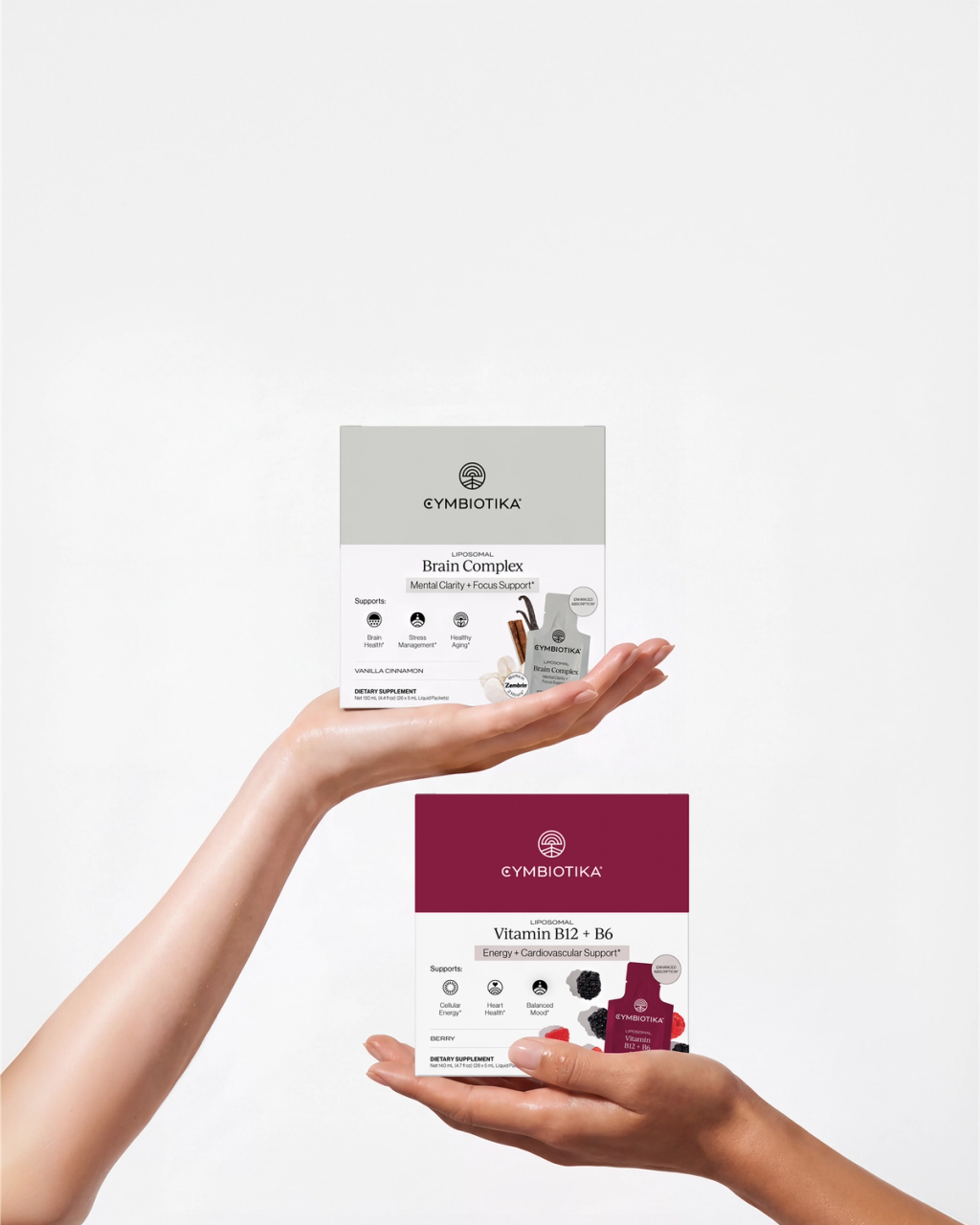
While creatine is traditionally taken as a monohydrate powder—which is generally well-absorbed—other nutrients in your routine can benefit significantly from this technology. For example, our Liposomal Vitamin B12 + B6 supports energy metabolism and neurological health using this protective delivery system. By ensuring the "energy" vitamins are actually absorbed, you further support the pathways that creatine and protein rely on.
Bottom line: The effectiveness of your routine depends on absorption. High-quality formulations designed for bioavailability ensure that your cells actually receive the nutrients you are paying for.
Building a Sustainable Routine
Consistency is more important than perfect timing. If you are trying to decide how to incorporate these into your day, here are a few practical steps to follow.
Step 1: Prioritize Daily Creatine
Creatine works through saturation. Your muscles need to be "full" of it to see the performance benefits. This usually takes two to four weeks of consistent daily use of about 3–5 grams. It does not matter much if you take it in the morning or evening, as long as you take it every day.
Step 2: Distribute Protein Throughout the Day
Unlike creatine, your body does not "store" protein in the same way for later use. It is generally more effective to spread your protein intake across several meals. This provides a steady stream of amino acids for the Muscle Protein Synthesis process.
Step 3: Support Your Mitochondria
Since creatine is all about energy (ATP), supporting the "powerhouses" of your cells—the mitochondria—is a logical addition. Our Molecular Hydrogen is designed to support antioxidant activity at the cellular level and may help with metabolic health. When your cells are functioning efficiently, they can better manage the energy provided by creatine and the repair fueled by protein.
Step 4: Don't Forget Micronutrients
Muscle growth and energy production require more than just the "big two." Vitamins and minerals act as cofactors in almost every chemical reaction in your body. Using a whole-food-based blend, like our Super Greens, can help fill nutritional gaps that might be slowing down your recovery.
What to Expect and Realistic Goals
It is important to remember that supplements are meant to "supplement" a healthy lifestyle, not replace it. Results vary from person to person based on genetics, activity level, and diet.
Most people who start a routine involving creatine and protein notice a gradual increase in their ability to perform repetitive tasks or handle more volume in their daily movement. You may also notice improved recovery times, feeling less "drained" the day after a strenuous activity.
It is always a good idea to speak with a healthcare provider before starting a new supplement routine, especially if you have concerns about kidney health or are taking other medications. While creatine and protein are among the most researched supplements in the world, your individual health history matters most.
Common Signs of Success
- A slight increase in overall body weight (often due to improved cellular hydration).
- Ability to sustain high-intensity effort for slightly longer.
- Improved muscle fullness and recovery feel.
- Better consistency in your daily energy levels.
Beyond Muscle: The Broader Benefits
While the question "does creatine help absorb protein" is usually asked by those interested in muscle growth, these compounds offer benefits that go far beyond the gym.
Creatine is increasingly being studied for its role in cognitive health. Because the brain is a high-energy organ, it also relies heavily on ATP. Some research suggests that maintaining healthy creatine levels may support mental clarity and cognitive processing, especially during periods of fatigue.
Protein is also essential for much more than muscle. It is required for the production of hormones, enzymes, and immune cells. If you are not consuming enough protein, your body may struggle to maintain its immune defenses or keep your skin and hair healthy.
To support this broader wellness, many people find that adding essential fatty acids is helpful. Our Energy & Focus collection is a useful place to explore if you are building a routine around daily performance, while the Healthy Aging & Recovery collection can help you expand your long-term wellness stack. This "whole-body" approach ensures that while you are focusing on protein and creatine for recovery, you aren't neglecting the other pillars of health.
Summary of the Creatine-Protein Relationship
Navigating the nuances of supplementation doesn't have to be overwhelming. When you focus on quality and understand the "why" behind your choices, you can build a routine that yields real results.
- No Direct Absorption Link: Creatine does not change the way your gut absorbs protein.
- Metabolic Partnership: They work together to increase the capacity for work and the materials for repair.
- Insulin's Role: Taking creatine with protein or carbs may actually help the creatine get into your muscles.
- Quality is Key: Focus on bioavailable forms and transparent brands to ensure your body can actually use what you take.
Key Takeaway: To maximize your results, focus on the "Bioavailability Factor." Choose supplements that are designed to survive digestion and reach your cells. A high-quality protein source paired with consistent creatine use is one of the most effective ways to support long-term vitality.
Conclusion
At Cymbiotika, our mission is to empower you to take ownership of your health through education and superior supplementation. We believe that wellness starts with trust, which is why we are committed to complete transparency in our sourcing and manufacturing. We don't use unnecessary fillers or synthetic ingredients—just clean, science-forward formulations designed for maximum absorption.
Understanding that creatine and protein work in synergy rather than through direct absorption allows you to refine your routine with confidence. By prioritizing bioavailability and consistency, you are not just buying products; you are building a foundation for a healthier, more vibrant life.
If you are unsure where to start your journey, we recommend taking our Health Quiz. It is designed to help you identify your unique needs and build a personalized supplement stack that aligns with your goals. Whether you are focused on recovery, energy, or cognitive support, we are here to provide the tools you need to thrive.
FAQ
Should I take creatine and protein at the same time?
While it is not strictly necessary for them to work, many people find it convenient to mix them in a single shake. Taking them together may slightly improve creatine uptake because the protein can trigger a modest insulin response, which helps transport creatine into the muscle cells. However, the most important factor is simply ensuring you hit your daily targets for both nutrients consistently.
Does creatine cause water retention or bloating?
Creatine does pull water into the cells, which can sometimes lead to a small increase in body weight during the first week of use. However, this is "intracellular" hydration, which is generally beneficial for muscle function and does not typically cause the "puffy" bloating associated with high salt intake. Most people find that any initial water weight stabilizes after a few weeks of consistent use.
What is the best time of day to take these supplements?
For creatine, timing is less important than consistency; you should take it every day to keep your muscle stores saturated. For protein, it is often beneficial to spread your intake throughout the day or consume it within a few hours of physical activity to support the repair process. If you find it easier to remember them both at once, post-workout is a popular and effective choice.
Can I take creatine if I don't do heavy weightlifting?
Yes, creatine may offer benefits even for those who do not engage in intense resistance training. It supports cellular energy production (ATP) across the whole body and is currently being researched for its potential roles in cognitive health and healthy ageing. If you are active in any way—whether through walking, yoga, or daily chores—creatine can help support your cellular energy levels.
*These statements have not been evaluated by the Food and Drug Administration. This product is not intended to diagnose, treat, cure, or prevent any disease.