Table of Contents
- Introduction
- What is Creatine and How Does it Work?
- Understanding Creatinine: The Byproduct
- The Direct Link: Creatine Monohydrate and Increased Creatinine
- Factors Influencing Creatinine Levels Beyond Kidney Function
- The Science on Creatine Safety and Kidney Health
- Navigating Supplement Choices with Confidence
- Conclusion
- Frequently Asked Questions
Introduction
Imagine receiving unexpected news from a routine blood test: elevated creatinine levels, a marker often associated with kidney health concerns. For many active individuals, particularly those who supplement with creatine, this scenario can be alarming and confusing. Is it a sign of kidney damage, or something else entirely? The relationship between creatine supplementation and creatinine levels is a common point of misunderstanding, often leading to unnecessary worry and even misdiagnosis.
This blog post will delve into the science behind creatine, creatinine, and kidney function, clarifying how creatine monohydrate can influence creatinine readings without necessarily indicating kidney distress. We'll explore what creatinine is, how it's measured, and the factors that can affect its levels, including the role of dietary supplements. Our goal is to empower you with accurate information, helping you understand the nuances of your health markers and confidently make informed choices about your wellness journey.
What is Creatine and How Does it Work?
Creatine is a naturally occurring organic compound found primarily in muscle cells. It’s derived from the amino acids methionine, glycine, and arginine, and plays a crucial role in energy production, particularly during high-intensity, short-duration activities. Our bodies naturally produce creatine, and we also obtain it from certain foods like red meat and fish.
The majority of creatine in the body (around 95%) is stored in our muscles, mostly as phosphocreatine. This phosphocreatine system is a rapid energy source, quickly regenerating adenosine triphosphate (ATP) – the primary energy currency of our cells – during bursts of intense physical activity. This mechanism is why creatine supplementation has become popular among athletes and fitness enthusiasts seeking to enhance muscle strength, power, and overall exercise performance.
Supplementing with creatine, most commonly in the form of creatine monohydrate, can increase the stores of phosphocreatine in muscles by 20-40%. This elevated reserve allows muscles to generate more ATP during intense exercise, leading to improvements in strength, power output, and even faster recovery between sets. Beyond athletic performance, emerging research is exploring creatine's potential benefits for cognitive function, bone health, and healthy aging.
Understanding Creatinine: The Byproduct
While creatine is essential for muscle function, its byproduct, creatinine, is what often raises questions in blood tests. Creatinine is a waste product formed from the spontaneous breakdown of creatine and phosphocreatine in muscles. Once formed, creatinine is released into the bloodstream and then filtered out by the kidneys, eventually excreted in urine.
Because creatinine is primarily removed from the body by the kidneys, its concentration in the blood is widely used as a marker for kidney function. Higher serum creatinine levels generally suggest that the kidneys might not be filtering waste as efficiently as they should, leading to a lower estimated glomerular filtration rate (eGFR). This is why elevated creatinine levels often prompt concern about potential kidney dysfunction.
However, relying solely on serum creatinine as an indicator of kidney health can sometimes be misleading. Several factors can influence creatinine levels that are entirely independent of true kidney function, and understanding these is key to accurate interpretation.
The Direct Link: Creatine Monohydrate and Increased Creatinine
Here's the critical point: creatine supplementation can, and often does, lead to an increase in serum creatinine levels. This is not necessarily a sign of kidney damage, but rather a direct physiological consequence of increased creatine metabolism.
When you take creatine monohydrate, you are increasing the total pool of creatine in your body. As more creatine is available and used by your muscles, a corresponding increase in its breakdown product, creatinine, occurs. This excess creatinine then circulates in the blood before being filtered by the kidneys. Therefore, a person supplementing with creatine will naturally have higher creatinine levels than someone who isn't, even if their kidney function is perfectly healthy.
Why This Matters for Diagnosis
The challenge arises when healthcare professionals interpret these elevated creatinine levels without being aware of the individual's supplement use. This can lead to a "pseudo-renal failure" diagnosis, causing undue anxiety and potentially unnecessary investigations. Cases have been documented where individuals taking creatine supplements were incorrectly informed they might be experiencing kidney failure, only for their creatinine levels to normalize after discontinuing the supplement.
It's crucial for anyone using creatine supplements to inform their doctor, especially before blood tests. This simple step can prevent misinterpretation of results and ensure that genuine kidney health issues are differentiated from benign elevations caused by supplementation.
Factors Influencing Creatinine Levels Beyond Kidney Function
Beyond creatine supplementation, several other factors can affect serum creatinine levels:
- Muscle Mass: Since creatinine is a byproduct of muscle metabolism, individuals with higher muscle mass naturally tend to have higher baseline creatinine levels. This means a bodybuilder or a very muscular person might have creatinine levels that would be concerning in someone with a smaller build, yet still possess perfectly healthy kidneys.
- Dietary Protein Intake: Consuming large amounts of protein, particularly from cooked meat, can temporarily increase creatinine levels within a few hours. This is because meat contains creatine, which is then metabolized.
- Certain Medications: Some medications, such as cimetidine, trimethoprim, and certain anti-inflammatories, can increase plasma creatinine by inhibiting its secretion by the proximal tubules of the kidneys, without actually impairing glomerular filtration.
- Analytical Interference: Some laboratory assays (like the Jaffé method) used to measure creatinine can be influenced by certain chemicals or substances (e.g., ketoacids), leading to falsely high readings. More modern enzymatic methods are less prone to such interference.
- Hydration Status: Dehydration can temporarily concentrate the blood, potentially leading to slightly higher creatinine readings.
These factors highlight that creatinine levels, while a valuable diagnostic tool, should not be interpreted in isolation. A holistic view, considering lifestyle, diet, medication, and supplement use, is essential for an accurate assessment of kidney health.
The Science on Creatine Safety and Kidney Health
Despite the confusion surrounding creatinine levels, extensive research generally supports the safety of creatine supplementation for healthy individuals. Numerous studies have investigated the effects of creatine on kidney function, with the majority concluding that standard doses do not cause kidney damage in people without pre-existing kidney conditions.
A comprehensive systematic review and meta-analysis evaluated multiple randomized clinical trials and found that creatine supplementation did not significantly alter serum creatinine levels (when considering true kidney function rather than just the blood reading) or plasma urea values. The findings consistently indicate that creatine, when taken in recommended amounts and durations, does not induce renal damage.
One notable study tracked resistance-trained individuals consuming a high-protein diet who supplemented with creatine for 12 weeks. Using a "gold standard" method called 51Chromium-ethylenediamine tetraacetic acid (51Cr-EDTA) clearance to accurately measure glomerular filtration rate (GFR), researchers found no significant differences in kidney function between the creatine group and a placebo group. Creatinine clearance, serum and urinary urea, electrolytes, proteinuria, and albuminuria all remained virtually unchanged. This study, among others, reinforces the safety profile of creatine monohydrate.
However, it is consistently advised that individuals with pre-existing kidney conditions or those taking medications that affect kidney function should consult with a healthcare professional before starting creatine or any new supplement. This cautious approach ensures that any potential risks are discussed and managed appropriately.
Navigating Supplement Choices with Confidence
At Cymbiotika, we believe that wellness starts with trust. We understand that navigating the world of supplements can be complex, especially when faced with confusing health markers. This is why transparency, high-quality sourcing, and empowering our community to make informed choices are at the core of our mission.
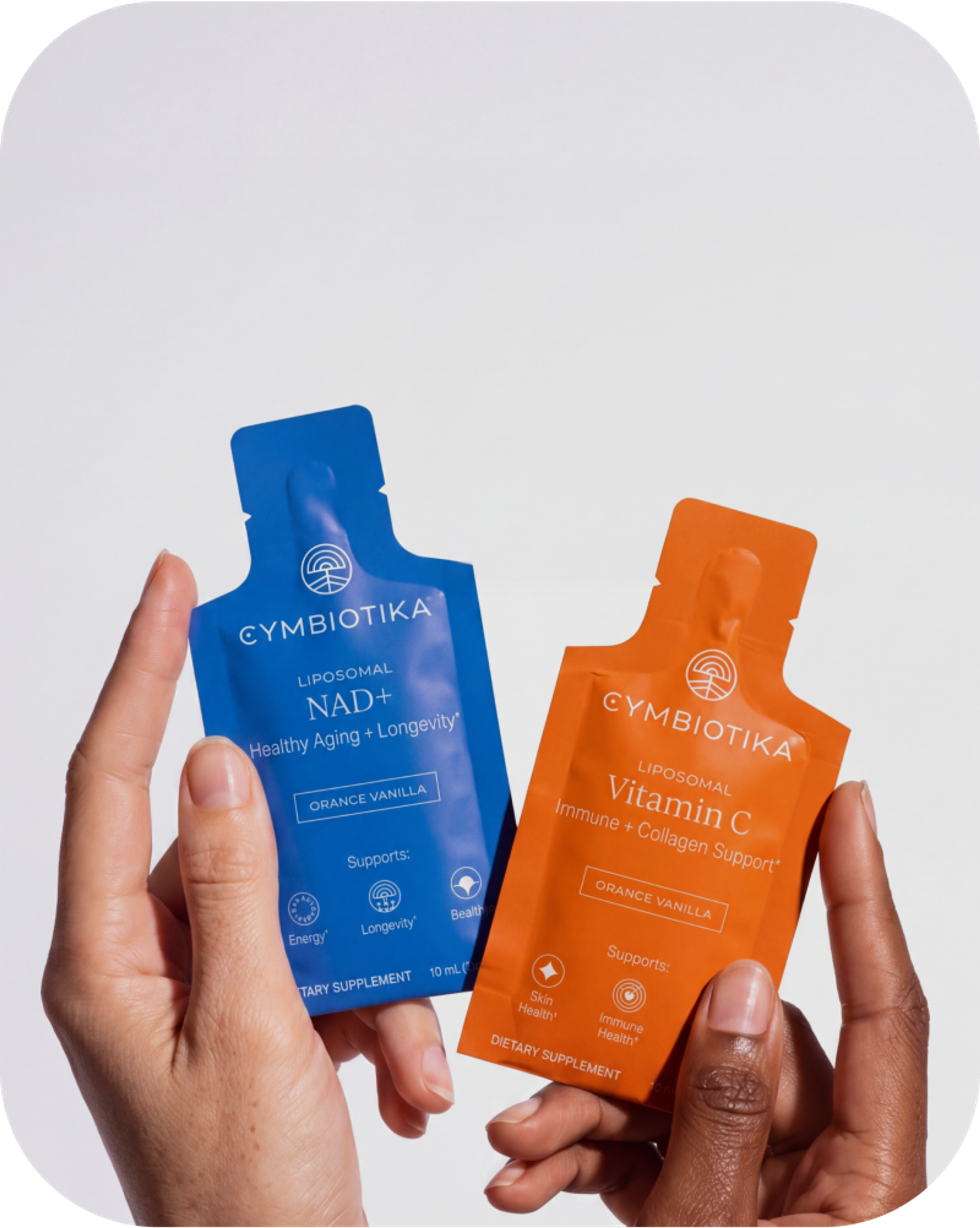
When considering any supplement, including creatine, it’s important to focus on products designed for optimal bioavailability. Bioavailability refers to how well your body can actually absorb and utilize the nutrients you consume. For example, our advanced liposomal delivery approach is specifically engineered to enhance the absorption of nutrients like those found in Liposomal Vitamin C or Liposomal Vitamin D3 + K2 + CoQ10, ensuring that your body gets the maximum benefit. This commitment to formulation design, alongside purity and transparency, sets our products apart.
When selecting supplements, look for brands that:
- Prioritize Transparency: No hidden ingredients, fillers, or unnecessary additives. We believe you have a right to know exactly what you’re putting into your body.
- Commit to High-Quality Ingredients: Sourcing organic or wild-crafted ingredients where possible, and adhering to strict non-GMO standards.
- Implement Rigorous Quality Standards: Including third-party testing for purity and potency, and manufacturing aligned with GMP (Good Manufacturing Practices) standards.
- Focus on Bioavailability: Understanding that an ingredient’s presence is only as good as its absorbability.
By choosing supplements that meet these criteria, you can reduce guesswork and feel confident in your choices. Whether you're looking to support Energy & Focus, improve Sleep & Stress resilience, boost Immunity, or enhance Healthy Aging & Recovery, understanding the science behind the product is paramount.
Supporting Your Body's Systems
Creatine is just one piece of a larger wellness puzzle. A truly holistic approach to health involves supporting various bodily systems that work in concert. For instance, maintaining robust Gut Health is fundamental to overall well-being, as a healthy gut can impact everything from nutrient absorption to immune function. Our Probiotic is designed to support a balanced microbiome, which in turn may aid nutrient uptake from your diet and other supplements.
Similarly, antioxidants like Liposomal Glutathione play a vital role in cellular defense and detoxification, processes that indirectly support the healthy functioning of all organs, including the kidneys. By focusing on foundational support for these interconnected systems, we can create a robust internal environment.
When integrating supplements into your routine, remember to:
- Start Low and Go Slow: Always follow the label’s recommendations for dosage, and consider starting with a lower amount to assess your body’s response.
- Be Consistent: Like exercise and healthy eating, the benefits of supplements are often realized through consistent habits.
- Listen to Your Body: Pay attention to how you feel and adjust your routine as needed.
- Consult a Healthcare Professional: Especially if you are pregnant, breastfeeding, taking medication, or under medical supervision.
For those seeking to optimize their daily resilience and support overall vitality, ingredients like Pürblack Pure Mineral Shilajit Live Resin and Organic Longevity Mushrooms are excellent considerations, often chosen to enhance energy and adaptogenic support without creating dependency or artificial stimulation. Our NMN + Trans-Resveratrol also offers powerful support for cellular health, which is foundational to every aspect of wellness.
Moreover, supplements that support specific organ health, such as Liver Health+, can contribute to overall detoxification pathways, easing the load on other systems. And for comprehensive cellular support, consider Molecular Hydrogen, known for its antioxidant properties.
For women, factors like hormonal balance and bone density are important considerations. Creatine may play a role in supporting muscle and bone health, especially post-menopause. Additionally, our Healthy Glow™ is formulated to support radiant skin, hair, and nails, complementing internal wellness with outward vitality.
The range of formats we offer, from convenient pouches and liquids to traditional capsules, helps individuals choose what best fits their lifestyle. For instance, single-serve liquid pouches make it easier to stay consistent with your routine even when traveling, removing one more piece of guesswork from your daily wellness efforts.
Conclusion
The connection between creatine monohydrate supplementation and elevated creatinine levels is a fascinating example of how important it is to understand the nuances of our body's biochemistry. While creatine can indeed increase creatinine readings, this typically reflects a normal metabolic process rather than actual kidney damage in healthy individuals. The vast body of scientific evidence supports the safety of creatine supplementation for those without pre-existing kidney conditions.
At Cymbiotika, we are dedicated to providing clear, science-forward information so you can make informed decisions about your health. We emphasize transparency, high-quality sourcing, and superior bioavailability in all our formulations, ensuring that you receive the optimal benefits from your wellness regimen.
Before introducing any new supplement or interpreting complex blood test results, we always recommend open communication with your healthcare provider. This collaborative approach ensures that your individual health status, lifestyle, and supplement choices are all taken into account for the most accurate assessment and personalized guidance.
Ready to find out which supplements are best suited for your unique needs? Take our quick and easy Health Quiz today to personalize your routine and begin your journey towards optimal wellness with confidence.
Frequently Asked Questions
Q1: Is creatine safe for my kidneys if my creatinine levels go up?
A1: For healthy individuals, a rise in creatinine levels due to creatine supplementation is generally not a sign of kidney damage. Creatine is metabolized into creatinine, so increasing your creatine intake naturally increases this byproduct. Studies have shown that in healthy people, creatine does not impair kidney function. However, if you have pre-existing kidney conditions, it is crucial to consult your healthcare professional before taking creatine.
Q2: How can I tell if my elevated creatinine is due to creatine or a kidney issue?
A2: The best way to distinguish between a benign elevation from creatine and a genuine kidney concern is to inform your doctor about your creatine use. They may perform additional tests, such as a cystatin C measurement or a direct glomerular filtration rate (GFR) assessment using more advanced methods, which are not affected by creatine supplementation. Often, discontinuing creatine for a period and re-testing creatinine levels can also help clarify the situation.
Q3: Does creatine monohydrate cause kidney stones?
A3: There is no scientific evidence to suggest that creatine monohydrate supplementation causes kidney stones in healthy individuals. This is a common myth that is not supported by current research. Maintaining adequate hydration is always important for overall kidney health and to help prevent stone formation, regardless of creatine use.
Q4: Should I stop taking creatine before a blood test?
A4: While it's not strictly necessary to stop taking creatine, it is highly recommended to inform your healthcare provider that you are taking it before any blood tests. This allows them to correctly interpret your creatinine results and avoid misdiagnosis. If they are concerned, they might ask you to pause supplementation for a few days before a re-test, but this decision should be made in consultation with your doctor.
*These statements have not been evaluated by the Food and Drug Administration. This product is not intended to diagnose, treat, cure, or prevent any disease.