







Table of Contents
- Introduction
- Understanding Vitamin K: K1 vs. K2
- Why Bioavailability Is the Core of Wellness
- Which Foods Contain Vitamin K2? The Top Dietary Sources
- The Synergy: Why Vitamin K2 Needs Vitamin D3
- The Challenge of Getting Enough K2 from Food Alone
- How to Build a Routine for Structural and Heart Support
- Sourcing and Transparency: The Cymbiotika Standard
- Supporting Long-Term Vitality
- Common Myths About Vitamin K2
- Practical Scenarios for Your Routine
- Frequently Asked Questions
- Conclusion
Introduction
Have you ever wondered why some cultures seem to maintain incredible vitality and structural resilience well into their later years, despite diets that are vastly different from the modern Western norm? The answer might not lie in a single "superfood" but in a specific, often overlooked nutrient that acts as a biological traffic controller. While many of us are diligent about our calcium and vitamin D intake, there is a third partner in this essential trio that determines where those nutrients actually go. Without it, calcium can end up in places it shouldn't be, rather than supporting the strength of our skeletal system.
The nutrient in question is Vitamin K2, a fat-soluble vitamin that is gaining massive attention in the wellness community for its unique role in supporting heart health and bone density. Unlike its cousin, Vitamin K1, which is found in abundance in leafy greens, Vitamin K2 is much rarer in the average diet. In this article, we will explore which foods contain vitamin k2, why the specific form of the nutrient matters, and how you can optimize your intake through both whole foods and advanced supplemental delivery. We will dive into the science of bioavailability, the difference between various menaquinones, and how to build a routine that supports long-term balance.
By the end of this discussion, you will have a clear understanding of how to source this nutrient and why we believe that the quality and delivery method of your nutrients are just as important as the nutrients themselves. Our mission is to empower you with the knowledge to make informed choices for your daily resilience.
Understanding Vitamin K: K1 vs. K2
To understand which foods contain vitamin k2, we first need to distinguish it from the more common Vitamin K1. Although they share a name, they function quite differently within the body. Vitamin K1 (phylloquinone) is primarily involved in supporting healthy blood clotting. It is found in high concentrations in green vegetables like kale, spinach, and broccoli.
Vitamin K2 (menaquinone), on the other hand, is primarily synthesized by bacteria. It plays a sophisticated role in calcium modulation. It may support the activation of proteins that help integrate calcium into the bone matrix and teeth, while simultaneously helping to keep calcium out of soft tissues like the arteries.
There are several subtypes of Vitamin K2, known as menaquinones (MK). The most well-researched are:
- MK-4: Found mainly in animal products. It is a short-chain menaquinone that the body can also produce from K1 in small amounts.
- MK-7: Found in fermented foods. It is a long-chain menaquinone that has a much longer half-life in the body, meaning it stays in your system longer and may offer more consistent support for various tissues.
At Cymbiotika, we emphasize that not all nutrients are created equal. The bioavailability of MK-7 is generally considered superior because it remains active in the bloodstream for a longer period compared to MK-4 or K1. This is a core principle of our philosophy: ensuring your body can actually use what you take.
Why Bioavailability Is the Core of Wellness
When discussing which foods contain vitamin k2, we must address a critical reality: eating the food is only half the battle. The other half is absorption. Vitamin K2 is a fat-soluble vitamin, meaning it requires healthy fats to be properly absorbed by the intestinal lining. If your gut health is compromised or if you are eating these foods in a low-fat context, you may not be receiving the full benefit.
This is why we focus so heavily on our advanced liposomal delivery approach. Traditional supplements often struggle with low absorption rates because they are broken down by harsh digestive enzymes before they can reach the bloodstream. By wrapping nutrients in a protective liposomal layer—essentially a "bubble" of healthy fats—we can support the nutrient's journey through the digestive tract, mimicking the way the body naturally absorbs fats.
For someone who leads a busy lifestyle and wants to ensure they are getting the most out of their routine, choosing high-bioavailability formats is essential. Whether you are focused on Energy & Focus or overall Immunity, the way a nutrient is delivered dictates its efficacy.
Which Foods Contain Vitamin K2? The Top Dietary Sources
Because Vitamin K2 is produced by bacteria, it is not found in most common fruits and vegetables. Instead, you must look toward fermented foods and specific animal-sourced products. Here are the most potent dietary sources.
1. Natto (The Richest Source)
Natto is a traditional Japanese dish made from fermented soybeans. It is, by far, the most concentrated source of Vitamin K2 (specifically the MK-7 form) available in the human diet. A single tablespoon of natto can provide significantly more than the daily recommended intake of Vitamin K.
The fermentation process involves a specific bacterium called Bacillus subtilis. While the taste and "sticky" texture of natto can be an acquired taste for some, its nutritional profile is unmatched. In addition to K2, it may support gut health through its probiotic content. If you are looking to support your Gut Health, incorporating fermented foods like natto is a powerful strategy.
2. Fermented Cheeses
Not all cheese is created equal when it comes to Vitamin K2. The levels depend entirely on the type of bacteria used in the fermentation process and the aging time.
- Gouda and Edam: These are among the best cheese sources for MK-7.
- Munster and Camembert: These also contain respectable amounts.
- Hard vs. Soft: Generally, aged, "proper" cheeses have higher levels than processed cheese slices or spreads, which often lack the beneficial bacterial activity required to synthesize the vitamin.
3. Pasture-Raised Egg Yolks
Eggs are a staple in many diets, but the Vitamin K2 content varies wildly based on how the chickens were raised. Chickens that are allowed to roam on green pastures and consume K1-rich plants can convert that K1 into K2 (MK-4) in their tissues.
If you choose conventional eggs from grain-fed hens, the K2 levels will be significantly lower. At Cymbiotika, we believe in the power of sourcing—just as we choose organic or wild-crafted ingredients for our formulations, choosing pasture-raised animal products is a way to ensure you are getting the nutrient density your body deserves.
4. Animal Organ Meats
Organ meats, particularly beef and chicken liver, are nutritional powerhouses. While organ meats have fallen out of favor in many modern Western diets, they are some of the most concentrated sources of fat-soluble vitamins, including A, D, and K2.
Chicken liver is specifically noted for its Vitamin K2 content. For those who are not fans of the taste, incorporating small amounts into ground meat dishes can be a practical way to boost your intake without a major lifestyle overhaul.
5. Grass-Fed Butter and Ghee
Similar to eggs, the quality of butter depends on the animal's diet. Grass-fed butter is much higher in Vitamin K2 than butter from grain-fed cows. This is because the cows act as a "converter," taking the Vitamin K1 from the grass and transforming it into Vitamin K2, which then accumulates in the fat of their milk.
Ghee, or clarified butter, is also an excellent source and is often preferred by those who are sensitive to lactose or casein. Using grass-fed butter as a cooking fat can also improve the absorption of the K2 itself, as it provides the necessary lipids for transport.
6. Sauerkraut and Kimchi
While not as potent as natto, other fermented vegetables like sauerkraut and kimchi contain Vitamin K2. The bacteria responsible for fermentation—typically Lactobacillus species—produce small amounts of menaquinones during the process.
Eating these foods also supports a healthy microbiome, which is crucial because our own gut bacteria can actually synthesize some Vitamin K2 for us. To further support this internal production, many people find that a high-quality Probiotic helps maintain the microbial balance necessary for nutrient synthesis.
Key Takeaway: Vitamin K2 is primarily found in fermented foods and animal products from grass-fed sources. If you follow a vegan or vegetarian diet, natto and fermented vegetables are your primary whole-food options.
The Synergy: Why Vitamin K2 Needs Vitamin D3
One of the most important concepts in modern nutrition is "nutrient synergy." Vitamins do not work in isolation; they work in teams. Vitamin K2 has a profound relationship with Vitamin D3.
Vitamin D3 helps your body absorb calcium from the food you eat. However, once that calcium is in the bloodstream, it needs a "guide" to tell it where to go. Vitamin K2 activates a protein called osteocalcin, which helps bind calcium to the bone. It also activates Matrix GLA Protein (MGP), which can support the prevention of calcium buildup in soft tissues.
If you take high doses of Vitamin D3 without enough Vitamin K2, you may end up with high levels of circulating calcium but lack the mechanism to deposit it into your bones. This is why our Liposomal Vitamin D3 + K2 + CoQ10 is designed as a combined formula. By providing these nutrients together in a bioavailable format, we aim to reduce the guesswork and support your body's natural balance.
The Challenge of Getting Enough K2 from Food Alone
While we always advocate for a "food-first" approach, the modern food system makes it difficult for many people to reach optimal levels of Vitamin K2. Consider these challenges:
- Soil Depletion: Even "healthy" foods may have lower nutrient levels than they did decades ago due to intensive farming practices.
- Industrial Farming: Most animal products in grocery stores come from grain-fed animals, which contain negligible amounts of K2.
- Dietary Preferences: Natto is a polarized food, and many people do not consume organ meats or aged cheeses regularly.
- Absorption Issues: Many people struggle with fat malabsorption or gut imbalances that prevent them from utilizing the K2 in their food.
To bridge this gap, many individuals choose to incorporate high-quality supplements into their Healthy Aging & Recovery routine. A supplement shouldn't replace a healthy diet; it should act as "nutritional insurance" to ensure your daily resilience is supported.
How to Build a Routine for Structural and Heart Support
Creating a wellness routine shouldn't be overwhelming. It’s about building consistent habits that align with your lifestyle. Here is how you can practically integrate the benefits of Vitamin K2 into your day:
Morning: Foundation and Energy
Start your day with a focus on absorption. If you’re taking a fat-soluble supplement like our Vitamin D3 + K2, take it with your breakfast. If you are a fan of coffee, adding a Nootropic Creamer can provide the healthy fats needed to kickstart your metabolism and support nutrient uptake.
Mid-Day: Gut Health and Purity
Lunch is a great time to incorporate fermented foods like a side of sauerkraut or kimchi. If you’re feeling sluggish, we often suggest looking into Molecular Hydrogen to support cellular energy and reduce the impact of daily oxidative stress. To keep your system clean, some find that Activated Charcoal can be a helpful tool for occasional detoxification and digestive comfort.
Evening: Recovery and Resilience
As the day winds down, focus on recovery. Supporting your body's natural repair processes is essential. Many people find that a Magnesium Complex helps support relaxation and muscle recovery, which pairs beautifully with the structural support provided by Vitamin K2 throughout the day.
Sourcing and Transparency: The Cymbiotika Standard
At Cymbiotika, wellness starts with trust. We know that when you're looking for which foods contain vitamin k2, you're doing so because you care about what goes into your body. We share that obsession with quality.
We don't believe in "filler" ingredients. Every component of our products is chosen for a specific purpose. We utilize third-party testing to ensure that what is on the label is exactly what is in the bottle—nothing more, nothing less. Our commitment to non-GMO standards and organic or wild-crafted sourcing where possible ensures that you are getting the purest form of support available.
Furthermore, we are dedicated to transparency. We want you to understand the why behind our formulations. For example, we use the MK-7 form of Vitamin K2 because the science shows it has better stability and a longer half-life than other forms. We use liposomal technology because we know that bioavailability is the key to actual results.
Supporting Long-Term Vitality
Maintaining your health is a marathon, not a sprint. While individual nutrients like Vitamin K2 are important, they are part of a larger picture of longevity. For those interested in the cutting edge of healthy aging, compounds like NMN + Trans-Resveratrol may support cellular health and NAD+ levels, which are vital as we age.
Similarly, ensuring you have a foundation of essential fatty acids is crucial. The Omega provides the DHA and EPA necessary for brain and heart health, which works in tandem with the arterial support provided by Vitamin K2.
By looking at your body as an interconnected system rather than a collection of parts, you can choose a supplement routine that feels cohesive and effective.
Common Myths About Vitamin K2
As Vitamin K2 gains popularity, several misconceptions have surfaced. Let's clarify a few:
Myth 1: "I eat plenty of spinach, so I have enough Vitamin K." Spinach is loaded with Vitamin K1, but it contains zero Vitamin K2. While K1 is essential for blood clotting, it doesn't provide the same bone and heart support that K2 does. You need both.
Myth 2: "All Vitamin K2 supplements work the same." Bioavailability varies drastically. Standard capsules may have very poor absorption. Our liposomal delivery is specifically designed to bypass the digestive hurdles that often limit traditional supplements.
Myth 3: "Vitamin K2 is only for older adults." Building bone density is a process that peaks in your 20s and 30s. Supporting that process early in life is a proactive strategy for long-term structural health. Furthermore, heart health is a lifelong journey.
Myth 4: "You can't get K2 on a plant-based diet." While animal products are common sources, natto is a vegan powerhouse. Additionally, maintaining a healthy gut with a Probiotic can support your body's own internal production of K2.
Practical Scenarios for Your Routine
We know that life is busy. You might be a frequent traveler, a busy parent, or a dedicated athlete. Your routine needs to be flexible.
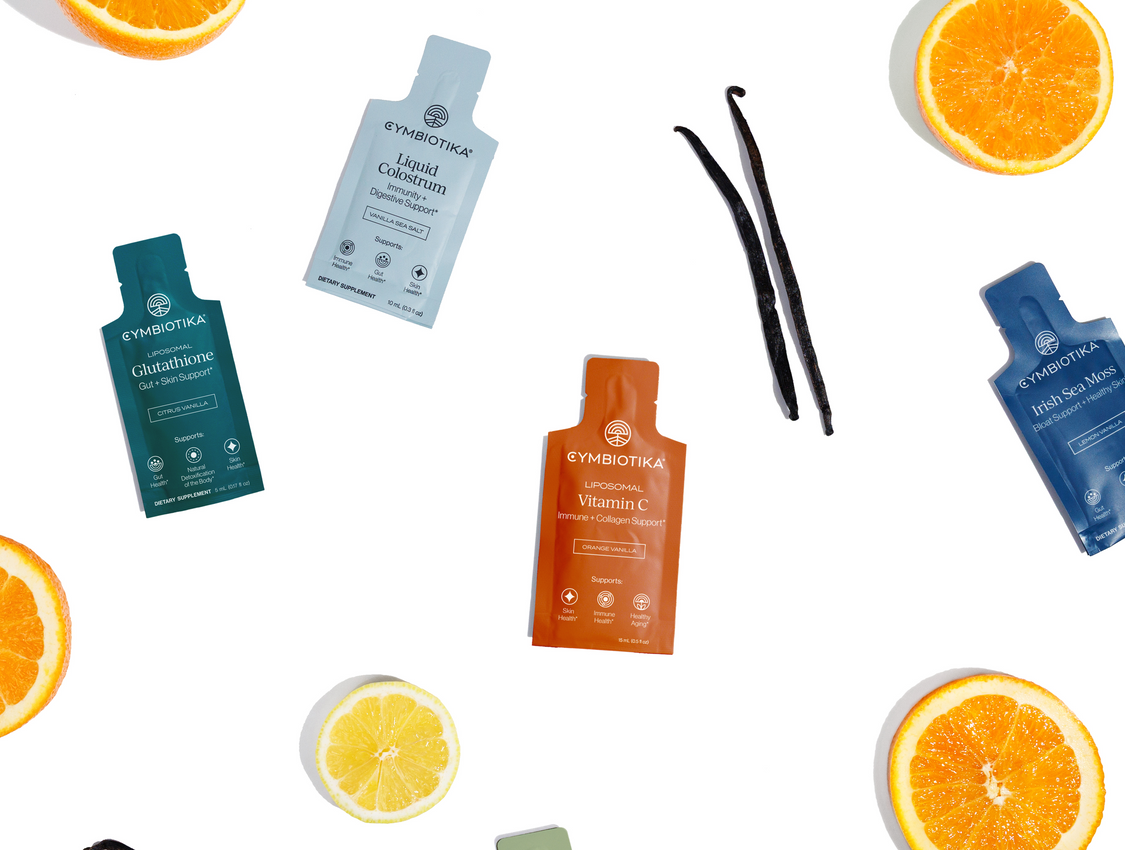
- For the Traveler: Staying consistent on the road can be hard. Our single-serve pouches for products like Liposomal Vitamin C or Vitamin D3 + K2 make it easy to maintain your defense and structural support without lugging around multiple bottles.
- For the Athlete: Recovery is just as important as the workout. Incorporating Liposomal Glutathione can help support your body's response to oxidative stress, while K2 supports the long-term health of the bones that carry you through your training.
- For the Busy Professional: Focus and clarity are non-negotiable. While you're focusing on Energy & Focus, don't forget the silent supporters like K2 that keep your cardiovascular system running smoothly.
Frequently Asked Questions
Which foods contain the highest amount of Vitamin K2?
The single best source of Vitamin K2 is natto, a fermented soybean dish from Japan. Other significant sources include aged cheeses (like Gouda and Edam), pasture-raised egg yolks, grass-fed butter, and organ meats like chicken liver. Fermented vegetables such as sauerkraut also contain small amounts of the MK-7 form.
Can my body make its own Vitamin K2?
Yes, certain bacteria in your large intestine can synthesize Vitamin K2. However, the absorption of K2 from the colon is generally considered to be inefficient. This is why many people find it helpful to focus on dietary sources and high-bioavailability supplements to ensure they are meeting their needs.
Is it safe to take Vitamin K2 with other medications?
Vitamin K2 is involved in blood clotting pathways. If you are taking blood-thinning medications or anticoagulants, it is essential to consult with your healthcare professional before changing your Vitamin K intake, as it may interfere with the medication's effectiveness. Always follow the label and start with a low dose if you are unsure.
What is the difference between MK-4 and MK-7?
MK-4 is typically found in animal products and has a shorter half-life, meaning it leaves the body quickly. MK-7 is found in fermented foods and has a much longer half-life, providing more sustained levels in the blood. Most high-quality supplements use MK-7 because of its superior bioavailability and effectiveness at lower doses.
Conclusion
Understanding which foods contain vitamin k2 is a vital step toward a more informed and empowered wellness journey. Whether you are looking to support your heart health, maintain strong bones, or simply ensure that your body is utilizing calcium effectively, this nutrient is a key piece of the puzzle. By focusing on high-quality dietary sources like natto, grass-fed dairy, and pasture-raised eggs—and supplementing where necessary with bioavailable formulas—you can support your body’s natural balance and long-term resilience.
At Cymbiotika, we believe in providing you with more than just supplements; we want to provide you with the tools for a vibrant life. Our commitment to transparency, rigorous third-party testing, and advanced liposomal delivery ensures that when you choose our products, you are choosing the best for your body. Wellness isn't about perfection; it's about making consistent, high-quality choices every single day.
Ready to take the next step in personalizing your wellness journey? We invite you to discover the specific nutrients your body needs most by using our interactive tool.
Take the Health Quiz to find your personalized routine.
*These statements have not been evaluated by the Food and Drug Administration. This product is not intended to diagnose, treat, cure, or prevent any disease.




