Jul 15, 2026

What Fruit Is Good for Bone Health

Table of Contents

  1. Introduction
  2. The Essential Nutrients for Bone Density
  3. Top Fruits to Support Strong Bones
  4. The Bioavailability Factor: Why Diet Alone May Not Be Enough
  5. Enhancing Bone Health with Targeted Supplementation
  6. Practical Ways to Build a Bone-Friendly Routine
  7. Conclusion
  8. FAQ

Introduction

When you think about building strong bones, your mind likely goes straight to the dairy aisle. While calcium is a vital piece of the puzzle, bone health is far more complex than just drinking a glass of milk. The skeletal system is a living, dynamic tissue that requires a wide spectrum of vitamins, minerals, and antioxidants to stay resilient as we age. Interestingly, some of the most powerful allies for your skeletal integrity can be found in the produce section.

Knowing what fruit is good for bone health allows you to diversify your diet while providing the specific compounds your body needs to maintain mineral density. From citrus to dried plums, certain fruits offer unique phytonutrients that support the internal "scaffolding" of your body. At Cymbiotika, we believe that true wellness starts with understanding how the nutrients you consume actually function at a cellular level.

In this article, we will explore the best fruits for bone support, the science behind their specific nutrients, and why the way your body absorbs these compounds is just as important as the foods themselves. We will also look at how to bridge the gap between dietary intake and optimal wellness through high-quality, bioavailable supplementation. Building a foundation for healthy ageing starts with the small, consistent choices you make in your kitchen every day, and the Healthy Aging Supplements collection can be a helpful place to explore that approach further.
The Essential Nutrients for Bone Density

Bones are not static structures; they are constantly being broken down and rebuilt in a process called remodeling. To keep this process balanced, your body requires more than just calcium. Several key nutrients found abundantly in fruit play supporting roles that are often overlooked.

Vitamin C and Collagen Support

Most people associate Vitamin C with immune health, but it is also a fundamental building block for your bones. Roughly 90% of the organic matrix of bone is made of collagen. This protein provides the flexible framework upon which calcium and other minerals are deposited.

Without adequate Vitamin C, your body cannot effectively synthesize collagen. This can lead to a framework that is brittle or less dense. Fruits like oranges, strawberries, and kiwis provide the Vitamin C necessary to support this structural protein, helping to keep bones resilient under pressure. If you want a deeper look at how delivery affects absorption, What is Liposomal Vitamin C? is a useful companion read.

Potassium and Acid-Base Balance

Potassium is a mineral that helps maintain a healthy internal environment. The modern diet is often high in acid-forming foods, such as processed grains and heavy proteins. When the body becomes too acidic, it may pull alkaline minerals like calcium from the bones to neutralize that acidity.

By consuming potassium-rich fruits, you provide the body with the alkaline buffers it needs. This helps "spare" the calcium in your bones, keeping it where it belongs rather than letting it be leached away to balance your pH levels.

Vitamin K and Bone Mineralization

Vitamin K is the "traffic cop" for calcium. It helps activate proteins that bind calcium to the bone matrix. Without enough Vitamin K, calcium may end up in places it shouldn't be, like your arteries, instead of providing strength to your skeleton. While leafy greens are the most famous source, several fruits offer helpful amounts of this fat-soluble vitamin to support bone mineralization.

Key Takeaway: Bone health requires a "team" of nutrients—including Vitamin C for collagen, Potassium for pH balance, and Vitamin K for mineral placement—rather than just calcium alone.

Top Fruits to Support Strong Bones

Many fruits contain a combination of these essential nutrients. Incorporating a variety of these into your daily routine can provide a broad spectrum of support for your skeletal system.

Prunes: The Powerhouse of Bone Health

Prunes, or dried plums, are perhaps the most well-researched fruit when it comes to bone density. They are unique because they contain a high concentration of boron, potassium, and Vitamin K. Boron is a trace mineral that plays a significant role in extending the half-life of Vitamin D and estrogen in the body, both of which are critical for bone maintenance.

Research suggests that regularly consuming prunes may help support bone mineral density, particularly in post-menopausal women. They also contain phenolic compounds that may help inhibit the breakdown of bone tissue.

Citrus Fruits: Boosting Collagen Production

Oranges, grapefruits, and lemons are famous for their Vitamin C content. As mentioned, Vitamin C is vital for collagen production. However, citrus fruits also contain bioflavonoids. These plant compounds act as antioxidants that may help protect bone cells from oxidative stress.

Oxidative stress can accelerate the ageing of bone tissue. By including citrus in your morning routine, you provide both the building blocks for bone structure and the protection needed to maintain it.

Berries: Protecting Against Oxidative Stress

Blueberries, raspberries, and blackberries are packed with anthocyanins. These are the pigments that give berries their deep colors, and they function as potent antioxidants. Some studies suggest that these antioxidants can help support the activity of osteoblasts, which are the cells responsible for building new bone.

Because berries are relatively low in sugar and high in fiber, they are an excellent choice for a daily snack that supports overall metabolic health alongside your skeletal system.

Figs: A Surprising Plant-Based Calcium Source

While most fruits are not high in calcium, figs are a notable exception. Both fresh and dried figs provide a meaningful amount of calcium, along with magnesium and potassium. Magnesium is another critical mineral, as it helps the body convert Vitamin D into its active form, which in turn triggers calcium absorption.

Kiwi and Papaya: Tropical Nutrient Denseness

Kiwis are often overlooked but contain more Vitamin C than oranges per gram. They also provide a good amount of Vitamin K. Papaya is another tropical option that offers Vitamin C and Vitamin A, both of which contribute to the health of the bone remodeling process.

Myth: You can only get calcium from dairy products.
Fact: Many plant-based foods, including figs and certain fortified fruits, contribute to your daily calcium needs while also providing minerals like magnesium and potassium that dairy lacks.

The Bioavailability Factor: Why Diet Alone May Not Be Enough

While eating fruit is a foundational part of wellness, there is a significant difference between what you swallow and what your cells actually use. This concept is known as bioavailability, which refers to the proportion of a nutrient that enters the circulation and is able to have an active effect.

Several factors can hinder the absorption of nutrients from fruit:

  • Soil Depletion: Modern farming practices often result in fruit that has fewer minerals than it did decades ago.
  • Digestive Health: If your gut health is compromised, you may not be extracting all the vitamins and minerals from the food you eat.
  • Nutrient Competition: Certain compounds in foods can compete for absorption, meaning you might not get the full benefit of the Vitamin K or Magnesium in your meal.

If you are curious about how formulation changes absorption, Why Bioavailability Matters: What All Is Magnesium Glycinate Good For? is a helpful next step. This is where formulation design becomes critical. We focus on creating delivery systems that bypass the traditional hurdles of the digestive tract. One of the primary ways we do this is through liposomal delivery. A liposome is a tiny, fatty bubble (a phospholipid bilayer) that mimics the structure of your own cell membranes. By wrapping a nutrient in this lipid shell, it is protected from harsh stomach acids and can be delivered more directly into the bloodstream.

Bottom line: Even the best diet can have gaps due to nutrient absorption issues; focusing on bioavailable forms of vitamins ensures your body actually gets what it needs.

Enhancing Bone Health with Targeted Supplementation

While knowing what fruit is good for bone health is an excellent start, many people find that supplementation provides the consistent support needed for long-term skeletal integrity. When choosing supplements, the form of the ingredient matters just as much as the dose.

Vitamin D3 and K2
These two vitamins work in a specific partnership. Vitamin D3 helps your body absorb calcium from your food, while Vitamin K2 ensures that calcium is directed into your bones and teeth rather than your soft tissues. Our Liposomal Vitamin D3 + K2 + CoQ10 is designed for maximum absorption, ensuring these fat-soluble vitamins actually reach the cells where they are needed most. Standard tablets often have poor absorption rates because these vitamins require fats to be processed correctly.

Magnesium
Magnesium is involved in over 300 biochemical reactions, and about 60% of the body's magnesium is stored in the bones. It helps regulate calcium levels and is necessary for the activation of Vitamin D. Our Liposomal Magnesium Complex utilizes multiple forms of magnesium to support different pathways in the body, ensuring you have the mineral support necessary for bone density and muscle relaxation.

Vitamin C
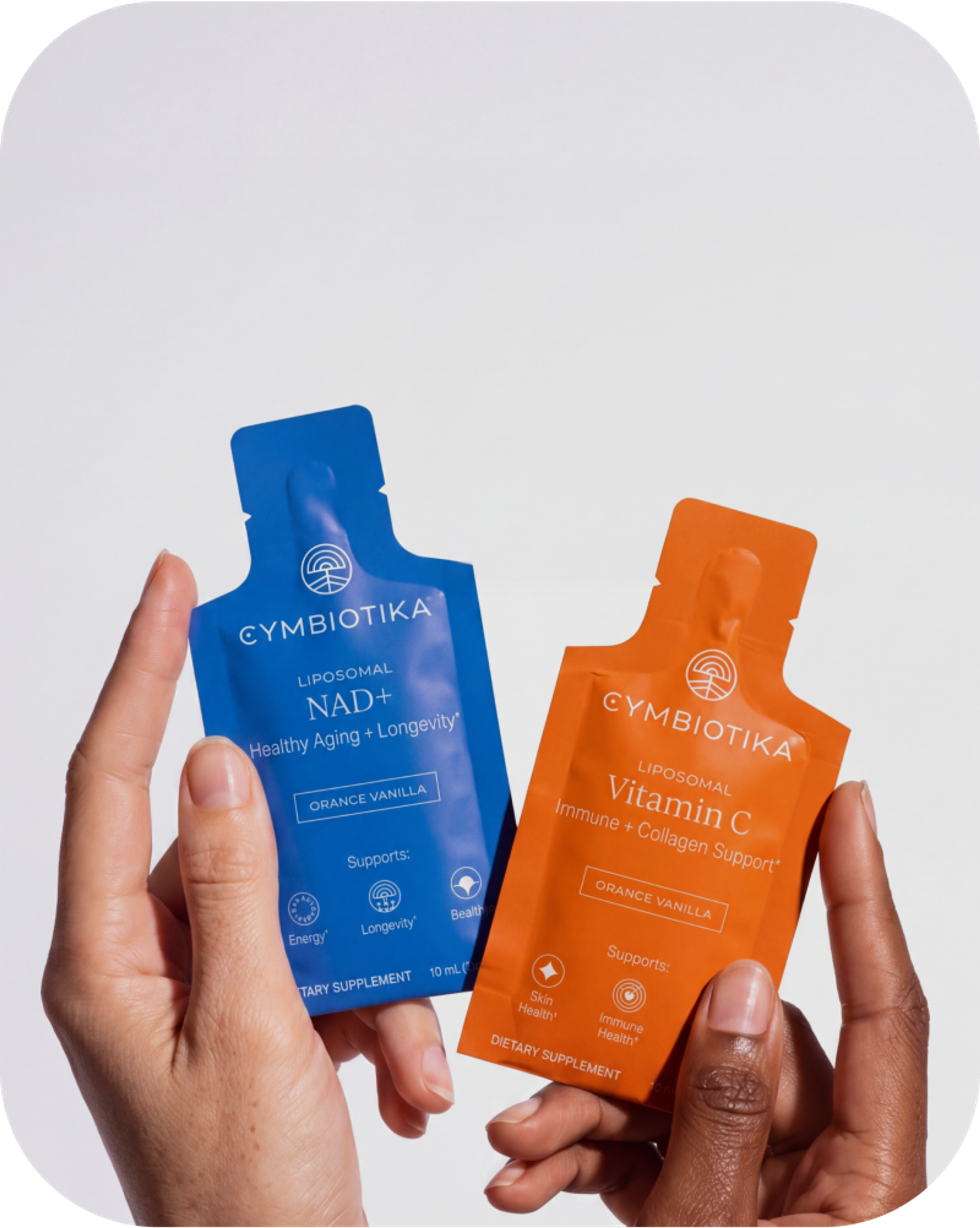
If you aren't consuming enough citrus or berries daily, a high-quality Liposomal Vitamin C supplement can support that crucial collagen framework. Its liposomal format helps support absorption—a meaningful difference from standard ascorbic acid tablets that can often cause digestive upset at higher doses.

Step-by-Step: Building a Bone-Supportive Supplement Routine

  • Step 1: Focus on the foundation. Ensure you are getting adequate Vitamin D3 and K2 to manage calcium effectively.
  • Step 2: Add Magnesium. Take this in the evening to support both bone health and restful sleep.
  • Step 3: Support the matrix. Use a bioavailable Vitamin C to provide the "glue" that keeps your bone minerals in place.
  • Step 4: Take our Health Quiz. This can help you identify specific gaps in your routine based on your diet and lifestyle.

Practical Ways to Build a Bone-Friendly Routine

Consistency is more important than intensity when it comes to bone health. You cannot "fix" bone density in a week; it is a lifelong process of maintenance.

Mix and Match Your Fruits
Don't just stick to one type of fruit. Try adding prunes to your morning oatmeal, snacking on citrus in the afternoon, and adding a handful of berries to a salad. This variety ensures you are getting a wider range of phytonutrients and antioxidants.

Watch Your Salt and Caffeine Intake
Excessive salt and caffeine can cause the body to excrete more calcium through urine. You don't have to give them up entirely, but balancing them with potassium-rich fruits can help mitigate their effects on your mineral levels.

Incorporate Resistance Training
Bones respond to stress by becoming stronger. While nutrition provides the raw materials, weight-bearing exercise (like walking, hiking, or lifting weights) provides the "signal" to your body that it needs to keep those bones dense and resilient.

Prioritize Hydration and Gut Health
Since absorption happens in the gut, maintaining a healthy microbiome is essential for bone health. Drinking plenty of water and eating fiber-rich fruits helps keep your digestive system functioning, which in turn helps you absorb minerals like calcium and magnesium more efficiently. For a broader look at digestive support, the Gut Health Supplements collection is worth exploring.

Key Takeaway: A successful bone-health strategy combines nutrient-dense fruits, bioavailable supplements to fill the gaps, and weight-bearing exercise to signal the body to maintain density.

Conclusion

Bones are the structural foundation of your life, and supporting them requires a holistic approach that goes far beyond calcium. By understanding what fruit is good for bone health—such as prunes for boron, citrus for Vitamin C, and berries for antioxidant protection—you can use your daily meals to fuel your skeletal system.

At Cymbiotika, we are dedicated to helping you navigate the complexities of wellness through transparency and science-backed formulations. We believe that when you give your body the highest quality ingredients in a form it can actually absorb, you empower yourself to age with strength and confidence.

If you are ready to take the next step in personalizing your wellness journey, we invite you to use our Health Quiz. It is a simple tool designed to help you build a routine that fits your unique needs and goals. If you are also looking for a simple way to pair nutrient support with evening wind-down habits, the Sleep Supplements collection may be a helpful next stop.

"Your bones are living tissue that respond to the care you give them; nourish the framework, and it will support you for a lifetime."

FAQ

Which fruit has the most calcium for bones?

Figs are among the highest fruit sources of calcium, providing about 60 milligrams per half-cup of dried figs. They also contain magnesium and potassium, which are essential co-factors that help your body utilize calcium effectively for bone mineralization.

How many prunes should I eat a day for bone health?

Most clinical studies suggest that eating 5 to 10 prunes per day can help support bone mineral density. This amount provides a meaningful dose of boron, Vitamin K, and potassium, though it is best to start with a smaller amount to allow your digestive system to adjust to the high fiber content.

Is Vitamin C in fruit really important for bones?

Yes, Vitamin C is essential because it is a primary requirement for collagen synthesis. Collagen makes up the majority of the bone's organic matrix, providing the flexibility and structure that prevents bones from becoming brittle, even if they are mineralized with calcium. For a closer look at how Cymbiotika approaches vitamin C, the Vitamin C and Magnesium pairing guide is a useful follow-up.

Can I get all my bone-supporting nutrients from fruit alone?

While fruit is a vital source of Vitamin C, potassium, and antioxidants, it is often difficult to get optimal levels of Vitamin D3 and K2 from fruit alone. These fat-soluble vitamins are rare in the plant kingdom, which is why many people choose to bridge that gap with bioavailable, liposomal supplements to ensure their bones have the necessary tools for density.

*These statements have not been evaluated by the Food and Drug Administration. This product is not intended to diagnose, treat, cure, or prevent any disease.

Subscribers get it all

Subscribe today and unlock access to Arise, the ultimate wellness experience.

SAVE BIG

Get over 40% off + FREE shipping on all recurring orders.

FUN FREEBIES

Get free gifts, swag, perks, and more

SAVE BIG

Feel energized & strong with a routine that works!

by / Jul 15, 2026

Back to cart

CONGRATS

Choose Your Free Gift

As a thank-you for subscribing, choose one complimentary product below.

Are you sure?
We'll remind you before your next
Golden Mind order processes.
We'll remind you before your next
Topical Magnesium order processes.
Are you sure?
Removing will also remove the exclusive discounted item added to your cart.

You're away from a FREE gift!

Add any of the products below to unlock your free gift.

    You've unlocked a FREE gift!

    Thanks for spending $110. Choose one of the three starter kits below.

    Subscribe & Save

    Trusted by 60k+ subscribers

    FOR YOU
    One FREE Month of Golden Mind!
    You've unlocked one FREE month of Golden Mind! Your subscription will renew automatically every 30 days, and we'll remind you before your order processes.
    Cancel anytime in your portal.
    FOR YOU
    One FREE Month of Topical Magnesium Oil!
    You've unlocked one FREE month of Topical Magnesium Oil! Your subscription will renew automatically every 30 days, and we'll remind you before your order processes.
    Cancel anytime in your portal.
    Your Cart ( items)

    in savings and perks unlocked with your order!

    Free shipping sitewide.

    More subscriptions, more savings

    1

    30% off

    2

    34% off

    3

    38% off

    4

    40% off

    5

    40% off

    Want to save? Add a subscription to get 30% off on it!

    Add items to your cart

    Browse our products and add items to start your order.

    You may also like. . .
    You may also like
    60-Day money back guarantee*