







Table of Contents
- Introduction
- Understanding the Vitamin K Family
- Does Parmesan Cheese Have Vitamin K2?
- Why Some Cheeses Have More K2 Than Others
- The Best Cheese Sources for Vitamin K2
- Beyond Cheese: Top Dietary Sources of Vitamin K2
- The Importance of Bioavailability: Why Liposomal Matters
- The Synergy of Vitamin D3 and K2
- How to Build a Consistent Wellness Routine
- Real-World Scenario: The Busy Traveler
- Addressing Gut Health and Nutrient Absorption
- Common Myths About Vitamin K2 and Cheese
- Supporting Your Body's Natural Defense
- The Role of Testing and Transparency
- Practical Dietary Tips for Maximizing K2
- Conclusion
- Frequently Asked Questions
Introduction
Did you know that while many people reach for cheese to boost their calcium intake, they might be missing the very nutrient required to tell that calcium where to go? It is a common misconception in the world of nutrition that all dairy products are created equal when it comes to vitamin content. While Parmesan is a beloved staple for pasta and salads, providing a savory punch of flavor, its nutritional profile contains some surprising gaps—particularly when it comes to Vitamin K2.
In this article, we will explore the specific question: does parmesan cheese have vitamin k2? We will dive deep into the differences between Vitamin K1 and K2, why certain cheeses are nutrient powerhouses while others are not, and how the fermentation process dictates the vitamins on your plate. We will also discuss the role of bioavailability and how you can ensure your body is actually absorbing the nutrients you consume.
The purpose of this guide is to empower you with the knowledge to make informed dietary choices. While Parmesan is delicious, relying on it as a primary source of certain fat-soluble vitamins may leave your wellness routine incomplete. Our goal is to provide a clear, science-forward look at how to balance your diet and supplement routine for optimal daily resilience.
Understanding the Vitamin K Family
To understand why the K2 content in Parmesan is often a topic of confusion, we must first distinguish between the two primary forms of Vitamin K: K1 and K2. Although they share a name, they perform very different roles within the human body and are found in entirely different food sources.
Vitamin K1 (Phylloquinone)
Vitamin K1 is the most common form of Vitamin K in the Western diet. It is primarily found in green leafy vegetables like kale, spinach, and broccoli. The primary role of K1 is to support healthy blood clotting. Because K1 is so abundant in vegetables and even some oils, deficiencies are relatively rare for those who consume a balanced diet.
Vitamin K2 (Menaquinone)
Vitamin K2 is a different story. It is found almost exclusively in fermented foods and animal products. Unlike K1, which is primarily handled by the liver, K2 is distributed more widely to other tissues, including the bones and the vascular system. It comes in several subtypes, known as menaquinones (MK-n), which are categorized by the length of their chemical side chains.
The long-chain menaquinones, such as MK-7, MK-8, and MK-9, are particularly notable because they remain in the bloodstream for longer periods than K1. This increased residence time may support the body’s ability to utilize the vitamin throughout the day. At Cymbiotika, we emphasize the importance of these nuances because the form of a nutrient often dictates its effectiveness.
Does Parmesan Cheese Have Vitamin K2?
When we look specifically at Parmesan, the data shows that it is surprisingly low in Vitamin K2. While it is a hard cheese—a category often associated with higher K2 levels—traditional Italian Parmesan (Parmigiano Reggiano) contains only about 0.3 micrograms (mcg) of Vitamin K2 per 100 grams.
To put that into perspective, an optimal daily intake of Vitamin K2 is often suggested to be between 100 and 200 mcg. You would have to eat an impossible amount of Parmesan to reach those levels.
So, why is the level so low? The presence of Vitamin K2 in cheese is not just about the milk; it is about the specific bacteria used during the fermentation and ripening process. In the case of Parmesan, the specific starter cultures and the long aging process do not favor the production of long-chain menaquinones in the same way that other European cheeses do.
Key Takeaway: While Parmesan is an excellent source of protein and calcium, it should not be relied upon as a functional source of Vitamin K2. For those looking to support their heart and bone health through diet, other varieties of cheese are far more effective.
Why Some Cheeses Have More K2 Than Others
The secret to Vitamin K2 in dairy lies in the fermentation process. Vitamin K2 is actually a byproduct of bacterial metabolism. When certain bacteria "eat" the sugars in milk, they produce menaquinones as part of their life cycle.
Several factors influence how much K2 ends up in your favorite wedge of cheese:
- Bacterial Strains: The specific types of bacteria used as starter cultures are the biggest factor. For example, Propionibacterium freudenreichii is known for producing high levels of MK-9. This is why Swiss-style cheeses often have higher levels than Parmesan.
- Fat Content: Vitamin K2 is fat-soluble. This means that full-fat cheeses will naturally hold onto more of the vitamin than low-fat or skim-milk versions. If you are choosing cheese for its nutrient density, "low-fat" options may actually be counterproductive.
- Ripening Time: Generally, the longer a cheese is allowed to ripen, the more time the bacteria have to produce Vitamin K2. However, this only works if the right bacteria are present. In Parmesan, the ripening process is long, but the specific bacterial environment doesn't prioritize K2 synthesis.
- Grass-Fed Sourcing: The quality of the milk matters. Cows that graze on green pastures consume high amounts of Vitamin K1. Their internal systems can then convert some of that K1 into MK-4, which is stored in the milk fat.
For those who travel or have busy schedules, maintaining a diet rich in these specific fermented foods can be difficult. This is where a focused Energy & Focus routine can help fill the gaps, ensuring you get consistent support regardless of what is on the menu.
The Best Cheese Sources for Vitamin K2
If Parmesan isn't the answer, which cheeses should you reach for? Research has identified several varieties that are exceptionally high in Vitamin K2, particularly in the forms of MK-8 and MK-9.
- Muenster: French Muenster is often cited as one of the highest sources, containing roughly 80 mcg per 100g.
- Jarlsberg: This Norwegian cheese is a powerhouse of MK-9, offering about 73 mcg per 100g.
- Gouda: Dutch Gouda is a reliable source, typically providing around 65 mcg per 100g.
- Edam: Similar to Gouda, Edam provides approximately 65 mcg per 100g.
- Cheddar: While lower than Gouda, high-quality aged Cheddar still contains significantly more K2 than Parmesan, hovering around 10–20 mcg depending on the producer.
For someone who struggles to stay consistent with their diet—perhaps due to a lifestyle that involves frequent dining out or travel—incorporating these specific cheeses can be a helpful strategy. However, even with these choices, reaching the 180 mcg used in many clinical studies can be a challenge. Integrating a high-quality supplement like our Liposomal Vitamin D3 + K2 + CoQ10 can help reduce the guesswork of daily nutrient intake.
Beyond Cheese: Top Dietary Sources of Vitamin K2
If you aren't a fan of cheese, or if you follow a dairy-free lifestyle, you’ll need to look elsewhere for your K2. The distribution of this vitamin in nature is quite limited.
Natto: The Unrivaled King of K2
Natto is a traditional Japanese dish made from fermented soybeans. It is, by a massive margin, the richest source of Vitamin K2 (specifically MK-7) in the world. A single 100g serving can contain over 900 mcg of Vitamin K2. However, Natto has a very strong, pungent aroma and a sticky texture that many people find difficult to enjoy.
Animal Products
If fermented soy isn't for you, certain animal products provide K2, primarily in the form of MK-4:
- Goose Liver: This is incredibly rich in K2, but it is not a common part of most modern diets.
- Chicken Dark Meat: Chicken thighs and drumsticks contain significantly more K2 than breast meat.
- Egg Yolks: The yolk is where the fat-soluble vitamins live. Yolks from pasture-raised chickens can contain up to 30 times more Vitamin K2 than the whites.
Vegan Options
For vegans, the options are even more restricted. Aside from Natto, small amounts of K2 can be found in:
- Sauerkraut: Only if it is raw and unpasteurized, as the fermentation process creates the K2.
- Miso: Contains trace amounts but is generally not enough to meet daily needs.
Because it is so difficult for vegans and vegetarians to get enough K2, we often recommend our Liposomal Vitamin D3 + K2 + CoQ10 to ensure they are supporting their bone and heart health effectively without relying on animal products.
The Importance of Bioavailability: Why Liposomal Matters
At Cymbiotika, we believe that wellness starts with trust and transparency, but it is sustained through bioavailability. It isn't just about what you swallow; it's about what your body can actually use.
Traditional supplements often face a major hurdle: the harsh environment of the digestive system. Many vitamins are broken down by stomach acid before they ever reach the small intestine where absorption happens. This is especially true for fat-soluble vitamins like K2.
Our advanced liposomal delivery approach is designed with absorption in mind. By wrapping the nutrients in a "liposome"—a tiny sphere of healthy fats—we protect the vitamin as it travels through your digestive tract. This allows the nutrients to be delivered more efficiently into the bloodstream.
When you see "all supplements work the same," know that this is a myth. The formulation design, the purity of the ingredients, and the delivery method make all the difference. We use third-party testing to ensure that what is on the label is exactly what is in the product, with no unnecessary synthetic fillers or GMOs.
The Synergy of Vitamin D3 and K2
One of the most important concepts in modern wellness is nutrient synergy. Vitamin D3 and Vitamin K2 are the "perfect pair" for calcium management.
Think of Vitamin D3 as the gatekeeper that allows calcium into your bloodstream. Without enough D3, your body can’t absorb calcium from your diet. However, once that calcium is in the blood, it needs a "traffic controller" to tell it where to go. That is where Vitamin K2 comes in.
K2 activates proteins like osteocalcin, which helps bind calcium to the bone matrix. At the same time, it activates matrix GLA protein, which may support the health of the arterial walls by preventing calcium from depositing where it shouldn't. This is why we combine these nutrients in our Liposomal Vitamin D3 + K2 + CoQ10 formula.
How to Build a Consistent Wellness Routine
Practicality is the key to long-term health. It is easy to get overwhelmed by complex diets and dozens of pill bottles. We focus on helping our community choose formats that match their lifestyle.
For a busy professional who starts their day with a coffee or smoothie, our Nootropic Creamer can provide a boost of healthy fats and clarity. For someone focused on total body resilience, adding Super Greens to a morning ritual can support daily balance.
The key is to start low and go slow. Building a routine is about consistency over perfection. Many people find that by choosing a few core products—like a high-quality The Omega for heart health or a Probiotic for gut health—they create a foundation that makes other healthy choices easier.
Real-World Scenario: The Busy Traveler
Consider the scenario of Sarah, a consultant who spends three days a week in hotels. Sarah tries to eat well, but hotel breakfasts often consist of pastries or egg-white omelets, and dinners are frequently at Italian restaurants where Parmesan is the main cheese available.
Because she is missing out on the K2-rich egg yolks and the high-K2 European cheeses like Gouda, Sarah might feel her energy and recovery are not where they should be. For Sarah, carrying heavy bottles of supplements is a hassle.
Our single-serve pouches, like Liposomal Vitamin C or our liquid liposomal D3/K2, are designed for this exact challenge. They are easy to pack, require no refrigeration, and ensure she maintains her routine without overthinking it. By supporting her Immunity and bone health on the go, she reduces the guesswork and stays focused on her career.
Addressing Gut Health and Nutrient Absorption
Even if you eat the perfect diet, you won't reap the benefits if your gut health is compromised. The gut is where the magic of absorption happens.
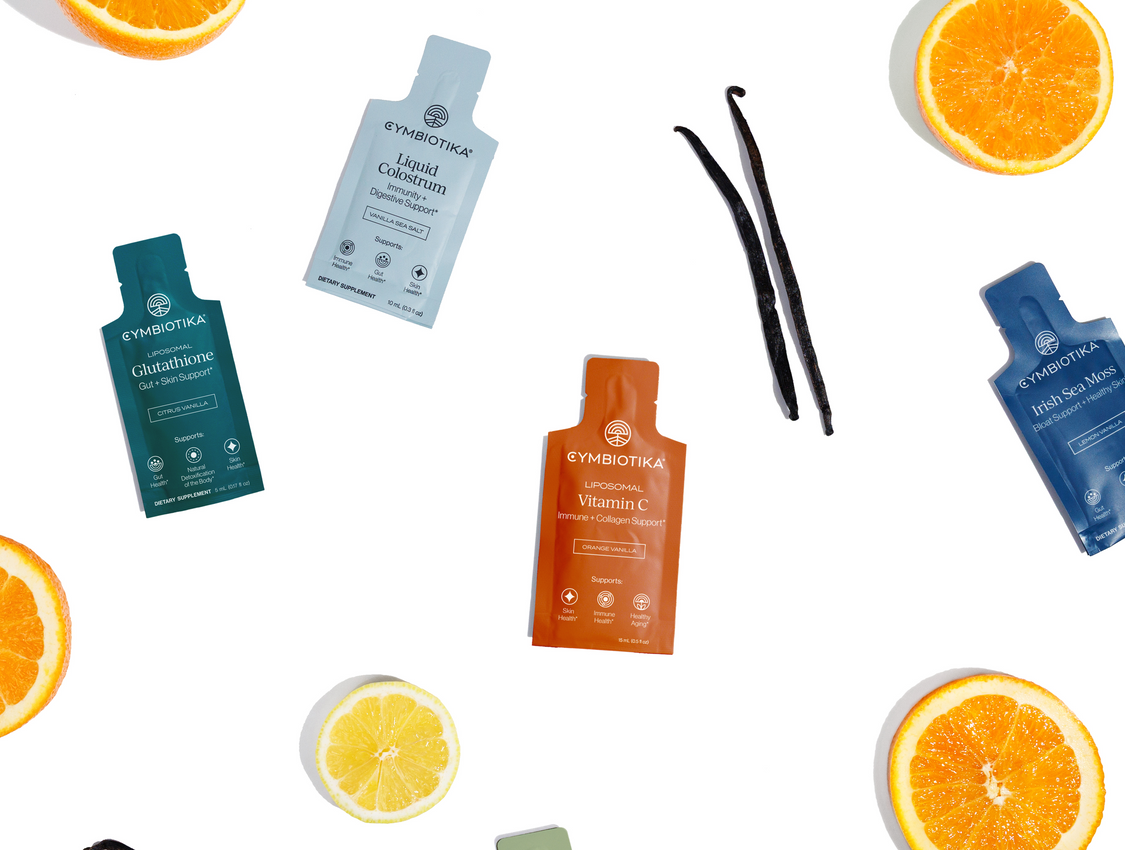
If you are experiencing sluggish digestion, you might not be absorbing fat-soluble vitamins like K2 efficiently. Supporting your Gut Health is a vital step in any wellness journey. We offer products like Liquid Colostrum and Liposomal Glutathione to help support the integrity of the gut lining and the body's natural detoxification processes.
When your gut is functioning optimally, every other part of your routine—from the food you eat to the supplements you take—becomes more effective.
Common Myths About Vitamin K2 and Cheese
As we’ve seen, the world of Vitamin K2 is full of nuances. Let’s clear up a few more common myths:
- "Hard cheese is always high in K2." As we’ve discussed, Parmesan is a hard cheese but is very low in K2. Texture does not always equal nutrient density.
- "You can get enough K2 from a multivitamin." Most standard multivitamins only contain Vitamin K1. If they do contain K2, it is often in a low-dose, non-liposomal form that may not be absorbed well.
- "Cooking destroys Vitamin K2." Actually, K2 is relatively heat-stable. You can cook with K2-rich fats like ghee or butter without losing the nutrient. However, the bacteria that create K2 are often killed by high heat (pasteurization), which is why raw or traditionally fermented products are often superior.
To ensure you are getting the most out of your efforts, it is always a good idea to consult with a healthcare professional, especially if you are taking medications, are pregnant, or are under medical supervision.
Supporting Your Body's Natural Defense
Wellness is not just about one vitamin; it is about supporting the whole system. While K2 helps with calcium, other nutrients like Liposomal Vitamin C and Liposomal Glutathione support your body’s natural defense mechanisms.
When you provide your body with high-quality, bioavailable nutrients, you are giving it the tools it needs to maintain daily resilience. Whether it is through improving Sleep & Stress management with a Magnesium Complex or boosting your Healthy Aging & Recovery with NMN, the goal is always balance.
The Role of Testing and Transparency
We believe you deserve to know exactly what you are putting into your body. This is why transparency is one of our core pillars. We don't just claim quality; we prove it through rigorous testing standards and GMP-aligned manufacturing.
When you choose a product, you should look for:
- No unnecessary fillers: Avoid products with maltodextrin, artificial flavors, or colors.
- Third-party testing: Ensure the potency and purity are verified by an outside lab.
- High-quality sourcing: Look for organic or wild-crafted ingredients wherever possible.
By maintaining these standards, we help our community make informed choices that they can feel confident about.
Practical Dietary Tips for Maximizing K2
If you want to increase your K2 intake through food, here are some actionable steps:
- Switch your cheese: Replace your Parmesan with a slice of Jarlsberg or aged Gouda on your crackers.
- Eat the yolk: Don't skip the yellow part of the egg. If possible, buy "pasture-raised" eggs, which have higher levels of K2.
- Choose dark meat: If you eat chicken, choose the thighs instead of the breast.
- Try fermented veggies: Add a spoonful of raw sauerkraut or kimchi to your meals. Not only does this provide Vitamin K2, but it also supports your microbiome with beneficial bacteria.
- Look for grass-fed dairy: If you drink milk or eat butter, look for brands that specify "grass-fed," as this milk naturally contains more MK-4.
Remember that results vary from person to person. What works for one individual might be different for another based on genetics, gut health, and lifestyle. This is why we focus on providing a variety of formats—from liquids to capsules—to help you find what fits your life best.
Conclusion
So, does Parmesan cheese have Vitamin K2? The answer is a clear "not really." While it remains a delicious and protein-rich addition to many meals, it is not a significant source of the long-chain menaquinones that support bone and heart health. To truly optimize your Vitamin K2 levels, you must look toward other fermented powerhouses like Gouda and Jarlsberg, or consider traditional sources like Natto and pasture-raised egg yolks.
At Cymbiotika, we are dedicated to helping you navigate these nutritional complexities. We believe that by focusing on bioavailability, transparency, and high-quality sourcing, we can empower you to take control of your wellness journey. Whether you are looking to support your energy, focus, or long-term recovery, the right nutrients in the right delivery format can make all the difference.
Don't leave your health to guesswork. By understanding the science behind what you eat and how your body absorbs it, you can build a routine that supports your unique needs and lifestyle.
Are you ready to take the next step in personalizing your wellness journey? We invite you to take our Health Quiz to discover which products and routines are best suited for your specific goals.
Take the Health Quiz (Best for New Users)
Frequently Asked Questions
1. Can I get enough Vitamin K2 if I only eat Parmesan cheese?
No, Parmesan cheese is very low in Vitamin K2, providing only about 0.3 mcg per 100g. To meet the recommended daily intake of 100–200 mcg, you would need to consume an unrealistic amount of Parmesan. It is better to look for cheeses like Gouda, Jarlsberg, or Muenster, which contain significantly higher levels.
2. Is Vitamin K1 the same as Vitamin K2?
No, they are different forms of the same vitamin family. Vitamin K1 (phylloquinone) is found in green leafy vegetables and is primarily used by the liver for blood clotting. Vitamin K2 (menaquinone) is found in fermented foods and animal products and is used by the body to support bone health and heart health by regulating calcium.
3. Why does Cymbiotika use a liposomal delivery system for Vitamin K2?
Vitamin K2 is a fat-soluble vitamin, which can be difficult for the body to absorb through traditional capsules or tablets. Our liposomal delivery approach wraps the nutrients in healthy fats to protect them through the digestive tract, which may support better bioavailability and absorption.
4. Should I take Vitamin K2 with Vitamin D3?
Many experts suggest that Vitamin D3 and K2 work best when taken together. Vitamin D3 helps your body absorb calcium, while Vitamin K2 helps ensure that calcium is directed to your bones rather than accumulating in your arteries. This synergy may support overall bone and cardiovascular health.
*These statements have not been evaluated by the Food and Drug Administration. This product is not intended to diagnose, treat, cure, or prevent any disease.




