







Table of Contents
- Introduction
- Understanding the Difference: Vitamin D, D2, and D3
- The Importance of Bioavailability
- Why the "Co-Factors" Matter
- Practical Scenarios: Who Needs More Vitamin D?
- Evaluating Your Multivitamin
- The Role of Sunlight and Diet
- Safety, Dosing, and Potential Risks
- How to Optimize Your Results
- Quality Standards: Why Sourcing Matters
- Beyond Vitamin D: A Holistic Approach
- Summary of Key Takeaways
- Conclusion
- Frequently Asked Questions
Introduction
Did you know that nearly one in four adults in the United States is considered to have low levels of vitamin D? Despite being known as the "sunshine vitamin," many of us spend the majority of our days indoors, under fluorescent lights, or living in climates where the sun’s rays aren't strong enough to trigger natural production for several months of the year. This widespread deficiency has led many to wonder how to best replenish their levels, often leading to a common point of confusion: can you take vitamin D and D3 together?
The purpose of this article is to demystify the relationship between these two terms, explore whether combining different forms of the vitamin is beneficial or redundant, and provide practical advice on how to optimize your intake. We will dive into the science of bioavailability, the importance of co-factors like Vitamin K2 and Magnesium, and how to choose a supplement routine that actually works for your unique biology.
At the heart of the matter, understanding the difference between vitamin D and its most active form, D3, is essential for anyone looking to support their long-term wellness. Our goal is to empower you with the knowledge to navigate the supplement aisle with confidence, ensuring you get the most out of every dose without overcomplicating your routine.
Understanding the Difference: Vitamin D, D2, and D3
To answer whether you can take vitamin D and D3 together, we first have to clarify what these labels actually mean. In the world of nutrition, "Vitamin D" is an umbrella term for a group of fat-soluble secosteroids. When you see a bottle simply labeled "Vitamin D," it is usually referring to one of two main forms: Vitamin D2 (ergocalciferol) or Vitamin D3 (cholecalciferol).
What is Vitamin D2?
Vitamin D2 is primarily derived from plant sources and fungi. For example, mushrooms that have been exposed to ultraviolet light are a common source of D2. Historically, D2 was the form most frequently used to fortify foods like milk and cereals. While it is certainly better than having no vitamin D at all, many modern studies suggest that D2 may not be as effective as D3 at maintaining high serum levels in the blood over the long term.
What is Vitamin D3?
Vitamin D3 is the form that our bodies naturally produce when our skin is exposed to UVB radiation from the sun. It is also found in animal-based foods such as fatty fish, egg yolks, and liver. Research generally indicates that D3 is more potent and has a longer "shelf life" in the body than D2. Because it is the form our own biology is designed to create, it is often the preferred choice for those looking to support their Immunity and bone health.
Can You Take Them Together?
The short answer is yes, you can take vitamin D (in the form of D2) and D3 together. In fact, many people do this unintentionally by taking a multivitamin that contains D2 while also taking a specific D3 supplement. However, doing so is often redundant. Since D3 is generally considered the more effective form for raising and maintaining blood levels, most wellness experts suggest focusing your efforts on high-quality D3 rather than trying to balance both.
The Importance of Bioavailability
One of the biggest misconceptions in the wellness industry is the idea that "all supplements work the same." This simply isn't true. At Cymbiotika, we believe that the most important factor in any supplement isn't just the dose on the label—it’s how much of that dose your body can actually absorb and utilize. This concept is known as bioavailability.
Traditional capsules and tablets often have to survive the harsh environment of the digestive system, where stomach acid and enzymes can break down the nutrients before they ever reach the bloodstream. This is why we utilize an advanced liposomal delivery approach. By wrapping nutrients like Vitamin D3 in a protective layer of phospholipids, we can help them bypass the destructive elements of the gut and be delivered more effectively to the cells that need them most.
If you are looking for a way to support your daily resilience, our Liposomal Vitamin D3 + K2 + CoQ10 is designed specifically with this delivery system in mind. It ensures that you aren't just taking a supplement, but actually absorbing the nutrients necessary for your body to thrive.
Why the "Co-Factors" Matter
Taking Vitamin D in isolation is a common mistake. In the body, nutrients don't work in a vacuum; they function as part of a complex web of interactions. If you increase your Vitamin D intake without considering its "partners," you might not see the results you're looking for.
The Role of Vitamin K2
Vitamin D’s most important partner is Vitamin K2. While Vitamin D helps your body absorb calcium from your diet, Vitamin K2 acts as the "traffic cop" that tells that calcium where to go. Without enough K2, calcium may support the hardening of arteries instead of strengthening your bones. By taking a combined formula, you can support a more balanced approach to mineral distribution.
The Necessity of Magnesium
Magnesium is another critical piece of the puzzle. It is required for the enzymes that metabolize Vitamin D. Many people find that even if they take high doses of Vitamin D, their blood levels don't rise as expected because they are deficient in magnesium. To help bridge this gap, incorporating a Magnesium Complex into your nightly routine may support the overall effectiveness of your Vitamin D supplementation.
Practical Scenarios: Who Needs More Vitamin D?
Supplementation is never a one-size-fits-all solution. Your lifestyle, geography, and even your genetics play a role in how much Vitamin D you need. Consider these real-world scenarios:
- The Urban Professional: Imagine someone who works long hours in a city office, leaves for work before sunrise, and returns home after sunset. Because they have almost zero direct sun exposure during the week, a consistent Energy & Focus routine that includes Vitamin D3 can help maintain balance throughout the year.
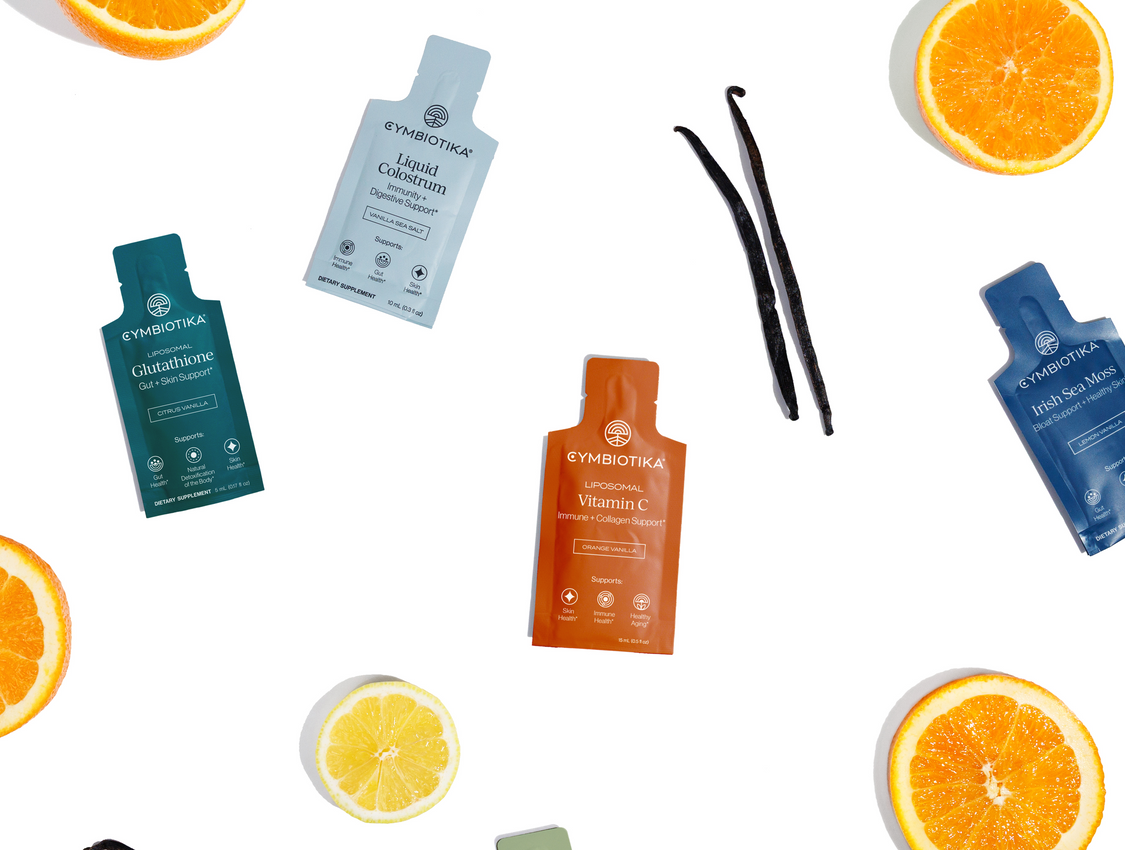
- The Frequent Traveler: For someone who travels often and struggles to stay consistent, our single-serve pouches of Liposomal Vitamin C and Vitamin D3 can make it easier to keep a routine without overthinking it. You can simply toss them in your bag and take them on the go, ensuring your immune system has the support it needs while navigating airports and new environments.
- The Northern Resident: Those living in northern latitudes may experience "Vitamin D winter"—a period from October to April where the sun's angle is too low to produce Vitamin D in the skin, regardless of how much time is spent outside. For these individuals, supplementation is often a necessity rather than an option.
Evaluating Your Multivitamin
If you are already taking a multivitamin, you are likely already consuming some form of Vitamin D. Most standard multivitamins contain between 400 IU and 800 IU. While this may support baseline needs for some, it is often insufficient for those who are starting from a point of deficiency.
Before adding a standalone D3 supplement, check the label of your multivitamin. If it uses Vitamin D2, you might consider switching to a more bioavailable routine. We focus on transparency—no hidden ingredients or unnecessary synthetic fillers. This means you can trust that what is on our label is exactly what is going into your body.
The Role of Sunlight and Diet
While supplements are an excellent way to reduce guesswork, we should never forget the importance of natural sources.
Sunlight
Direct sunlight remains the most natural way to get your Vitamin D. However, the amount you produce depends on:
- Skin Tone: People with darker skin have more melanin, which acts as a natural filter, requiring them to spend more time in the sun to produce the same amount of Vitamin D as those with lighter skin.
- Age: As we age, our skin becomes less efficient at synthesizing Vitamin D.
- Sunscreen Use: While sunscreen is vital for protecting against skin damage, it also blocks the UVB rays needed for Vitamin D production.
Dietary Sources
Incorporating Vitamin D-rich foods can also help. Fatty fish like salmon and mackerel, egg yolks, and Liquid Colostrum can all provide varying levels of nutrients that support your overall wellness. Additionally, adding Organic Longevity Mushrooms to your diet can provide a plant-based source of Vitamin D2, though as we discussed, D3 remains the gold standard for supplementation.
Safety, Dosing, and Potential Risks
When it comes to fat-soluble vitamins like D, more isn't always better. Because Vitamin D is stored in the body's fat tissues, it can accumulate over time.
The 4,000 IU Threshold
Most health organizations suggest that 4,000 IU per day is the tolerable upper intake level for most adults. While some healthcare professionals may prescribe higher doses for short periods to correct a severe deficiency, routine supplementation above this amount without medical supervision is generally not recommended.
Taking too much Vitamin D can lead to hypercalcemia, a condition where there is too much calcium in the blood. This can lead to symptoms like:
- Nausea and vomiting
- Muscle weakness
- Frequent urination
- Potential kidney issues
Interactions to Watch For
Vitamin D can interact with certain medications, including thiazide diuretics, steroids, and some cholesterol-lowering drugs. If you are taking prescription medication, it is essential to consult a healthcare professional before starting a new supplement regimen.
How to Optimize Your Results
If you've decided to incorporate a Vitamin D3 supplement into your routine, here are a few tips to ensure you get the best possible results:
- Take it with Fat: Vitamin D is fat-soluble. This means it needs healthy fats to be absorbed properly. Taking your dose with a meal that includes avocado, nuts, or olive oil can significantly improve its effectiveness.
- Be Consistent: Like most wellness habits, consistency is key. Taking a high dose once a week is generally less effective than taking a smaller, consistent dose every day.
- Support with Molecular Hydrogen: To support overall cellular health and recovery, many of our community members pair their Vitamin D routine with Molecular Hydrogen. This may support a healthy inflammatory response and general vitality.
- Listen to Your Body: Everyone’s needs vary. Pay attention to how you feel and consider getting your blood levels tested twice a year—once in the summer and once in the winter—to see how your levels fluctuate.
Quality Standards: Why Sourcing Matters
In an unregulated market, many supplement companies cut corners by using cheap fillers, GMO ingredients, or low-quality sourcing. At Cymbiotika, wellness starts with trust. We adhere to GMP-aligned manufacturing standards and utilize third-party testing to ensure the purity and potency of every batch.
When you choose our products, you are choosing a brand committed to:
- Non-GMO standards
- Organic or wild-crafted sourcing whenever possible
- No unnecessary synthetic fillers or additives
- Complete transparency in our ingredient lists
We believe that by providing high-quality ingredients and rigorous quality standards, we empower our community to make informed choices about their health.
Beyond Vitamin D: A Holistic Approach
While Vitamin D is a cornerstone of health, it is only one part of the puzzle. Supporting your body's "daily resilience" requires a multi-faceted approach. For instance, focusing on gut health can improve the absorption of all your nutrients. Products like our Probiotic can support a healthy microbiome, which in turn may support how your body processes vitamins and minerals.
Similarly, managing stress and sleep is crucial. If your body is in a constant state of "fight or flight," it may not prioritize nutrient metabolism. Incorporating a comprehensive sleep support routine can help your body recover and utilize the building blocks you are providing it through diet and supplementation.
"True wellness is not about a single 'magic pill.' it’s about the synergy of high-quality nutrients, consistent habits, and a deep respect for your body’s natural rhythms."
Summary of Key Takeaways
- Vitamin D vs. D3: Vitamin D is the category, while D3 is the most bioavailable and effective form for human health.
- Redundancy: You can take both, but it is usually unnecessary. Focus on a high-quality D3 supplement instead.
- Absorption Matters: Use a liposomal delivery system to ensure the nutrients actually reach your cells.
- Don't Forget Partners: Pair Vitamin D with K2 and Magnesium for optimal calcium distribution and metabolism.
- Testing is Key: The only way to know your true Vitamin D status is through a blood test.
- Safety First: Stay within the recommended daily limits and consult a professional if you have underlying medical conditions.
Conclusion
Navigating the world of vitamins doesn't have to be overwhelming. When you ask, "can you take vitamin D and D3 together?" the answer is less about safety and more about efficiency. By choosing the most bioavailable form of the vitamin and ensuring you have the necessary co-factors in place, you can move away from guesswork and toward a routine that truly supports your everyday balance.
At Cymbiotika, we are dedicated to providing you with the tools and education you need to take control of your wellness journey. Whether you are looking to support your energy, focus, or immune health, we believe that transparency and quality are the foundations of success.
Are you ready to stop guessing and start building a supplement routine tailored to your specific needs? We invite you to take the next step in your wellness journey by discovering which products are right for your lifestyle.
Take the Health Quiz to personalize your routine
Frequently Asked Questions
1. Can I take Vitamin D and D3 at the same time?
Yes, you can take them together, as D3 is simply a specific form of Vitamin D. However, taking both is usually redundant. If your multivitamin contains D2 and you want to ensure optimal levels, adding a more bioavailable D3 supplement is a common practice, but it is generally more efficient to choose one high-quality D3 source.
2. What is the best time of day to take Vitamin D3?
Vitamin D3 is fat-soluble, so the most important factor is taking it with a meal that contains healthy fats. Many people find that taking it with breakfast or lunch helps them stay consistent. Some also prefer taking it earlier in the day as it may support daytime energy and focus.
3. How do I know if I'm taking too much Vitamin D?
While toxicity is rare, it can happen if you consistently take extremely high doses (well above 4,000 IU) without medical supervision. Symptoms of excess intake can include nausea, frequent urination, and muscle weakness. The best way to ensure you are in the "sweet spot" is through regular blood testing and following the label on your supplements.
4. Why should I look for a liposomal version of Vitamin D3?
The primary differentiator for Cymbiotika is bioavailability. Standard capsules often have poor absorption rates. A liposomal delivery approach is designed to protect the vitamin as it passes through your digestive system, allowing for better absorption and utilization by your body. This ensures you are getting the full value and benefit of the supplement you are taking.
*These statements have not been evaluated by the Food and Drug Administration. This product is not intended to diagnose, treat, cure, or prevent any disease.




