
Why You Can’t ‘Think’ Your Way Out of Anxiety, According to Neuroscience
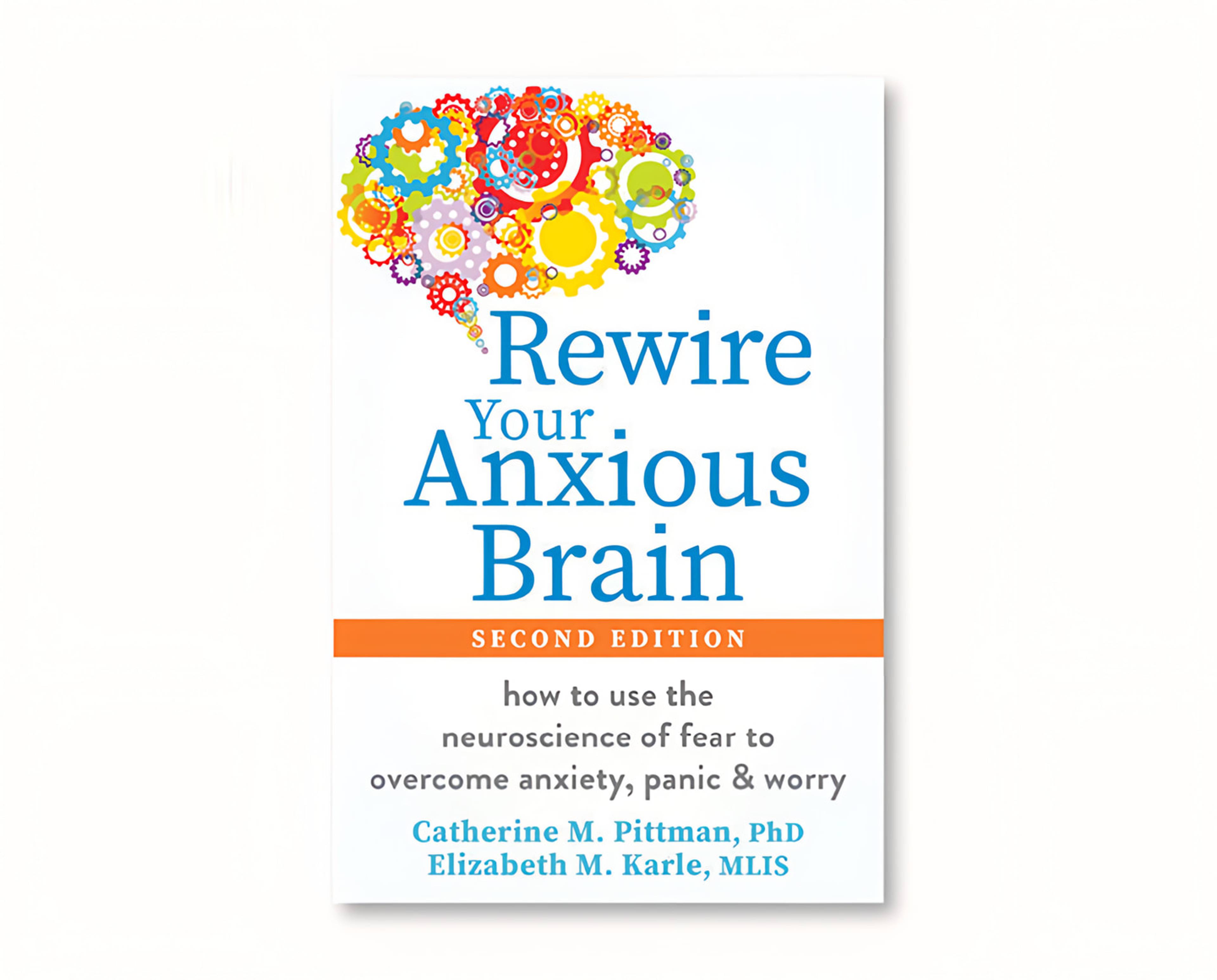
You can know something isn’t a threat and still feel completely anxious. That gap between what you understand and what you feel is where most frustration around anxiety lives.
It’s also where most advice falls apart.
In Rewire Your Anxious Brain, Catherine M. Pittman, PhD, and Elizabeth M. Karle break down why thinking alone doesn’t resolve anxiety. The short version is that anxiety isn’t coming from one place in the brain. It’s coming from two different systems, and they don’t respond to the same inputs.
Once you understand how those systems work, it becomes easier to see why logic doesn’t always land and why the body can feel out of sync with the mind.
Anxiety Comes From Two Different Systems
The book separates anxiety into two pathways: the amygdala and the cortex.
The amygdala handles threat detection. It’s fast, automatic, and built to react before you’ve had time to think anything through. When it’s activated, your body shifts immediately. Heart rate increases, muscles tighten, breathing changes. It’s a full physical response that kicks in without permission.
The cortex is where thinking happens. This is the part of the brain that generates worry, runs through scenarios, replays conversations, and tries to predict what might go wrong. It’s slower, more analytical, and often more persistent.
Both can create anxiety, but they feel different and they require different ways of working through them.
Dive deeper











