Sea Moss vs. Shilajit: Which Wellness Ingredient Makes More Sense for Your Goals?
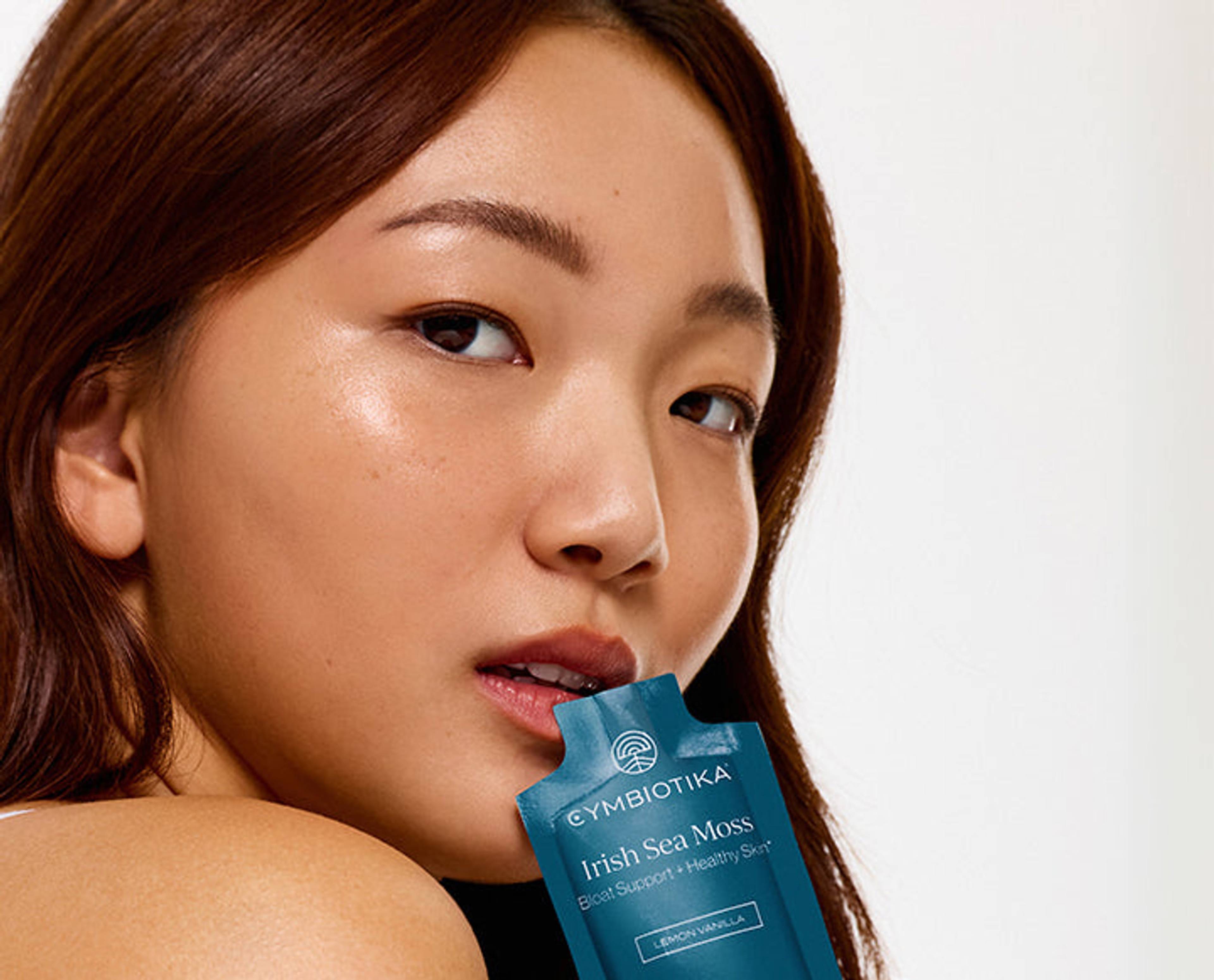
Every few years, the wellness world seems to crown a new “miracle” ingredient. Right now, two of the most talked about are sea moss and shilajit. One is showing up in smoothies, gels, and gummies all over TikTok. The other looks like a mysterious black resin pulled from Himalayan rocks and has quietly become a favorite among biohackers, athletes, and longevity enthusiasts.
But despite often being grouped together in the same wellness conversation, these two ingredients are actually very different in what they offer and who they make sense for.
Sea moss is more about broad mineral support, hydration, digestion, and daily nourishment. Shilajit leans more toward energy, resilience, recovery, and mitochondrial support. Neither is necessarily “better.” It really comes down to what your body is asking for right now.
Here’s what to know before adding either one to your routine.
First, What Exactly Is Sea Moss?
Sea moss, also known as Irish moss, is a type of red algae that grows along rocky Atlantic coastlines. It has been used traditionally in Caribbean and Irish cultures for generations, long before it became a modern wellness obsession.
Part of the appeal is its naturally high mineral content. Sea moss contains iodine, magnesium, potassium, calcium, iron, and small amounts of other trace minerals. It also contains prebiotic fiber, which may help support gut health and digestion.
This is why sea moss often becomes popular with people focused on:
- Gut health
- Skin support
- Mineral replenishment
- Thyroid support
- Overall wellness maintenance
It tends to attract the “daily wellness” crowd. The people adding it to smoothies, morning tonics, or wellness gummies because they want a little extra nutritional support built into their routine.
The biggest thing to understand about sea moss, though, is that much of its reputation comes from its nutrient profile rather than large-scale human clinical trials. Research around sea moss specifically is still fairly limited.
Dive deeper