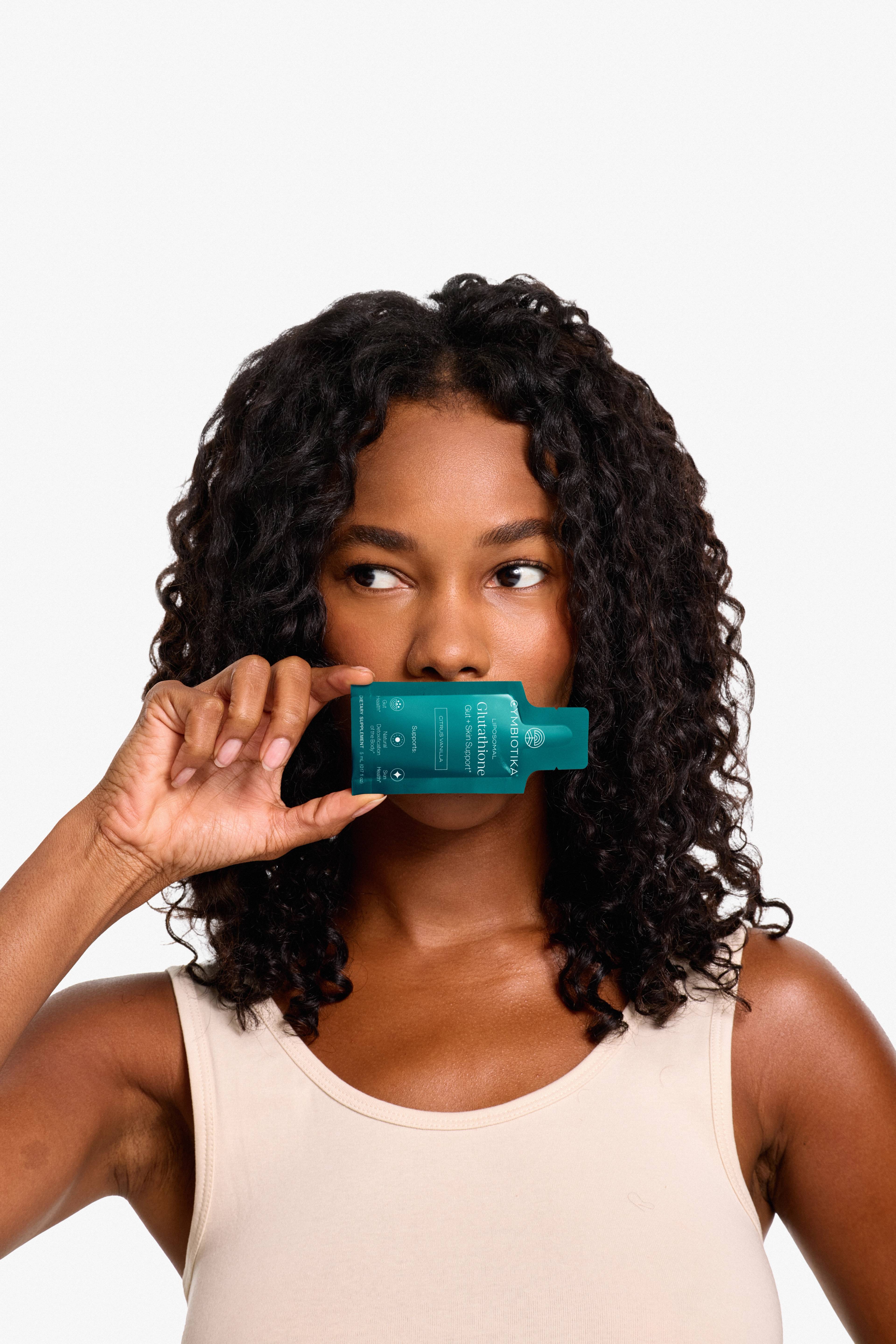
Also, look for a product that is organic, non-GMO, with zero heavy metals. A daily 2ml dosage before a meal can:
- Support healthy intestinal tract
- Mitigate food & environmental allergies
- Improve nerve growth factor
- Reinforce innate immune response
- Neutralize free radicals
- Produce Anti Viral / Bacteria Properties
- Assist removal of heavy metals
- Boost signal between brain and gut
Eat Prebiotic Foods
Like probiotics, prebiotics are naturally occurring, non-digestible carbohydrates that promote healthy bacteria growth in your gut. According to a 2014 report in Gut Microbes:
There is growing evidence that probiotics and prebiotics could be used to improve the absorption of micronutrients (such as calcium and iron) from ingested foods… studies in both humans and animals showed positive effects of non-digestible oligosaccharides on mineral metabolism, bone composition, and bone architecture.
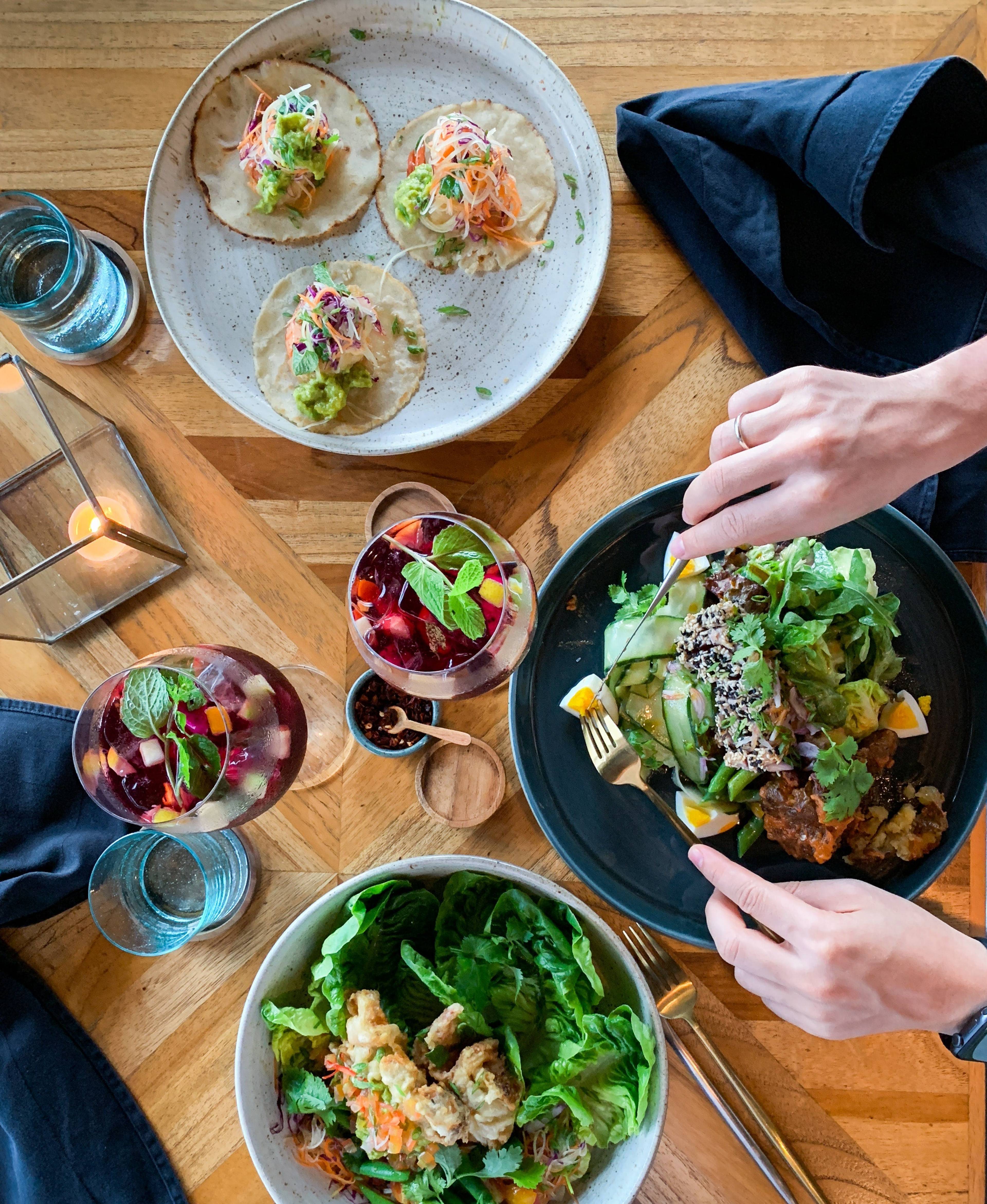
Typically, prebiotic foods are either a fiber or complex carbohydrate. This includes many fruits, vegetables, and whole grains. So, it’s best to build a diet that consists of a wide variety of different healthy prebiotic foods, such as:
- Chicory root
- Garlic
- Onions
- Leeks
- Asparagus
- Bananas
- Barley
- Oats
- Apples
- Flax seeds
- Seaweed
Pair the Right Foods Together
When certain foods are eaten together, their natural properties enhance one another to help improve absorption. Similarly, your intestines absorb specific vitamins better when they're paired with a proper fat source. See our blog article on how to increase vitamin absorption for more information on this topic.
Knowing this, here are some food pairings that will increase nutrient absorption:
- Vitamin C and plant-based iron – Vitamin C improves the digestion of plant-based irons. Either add some lemon or orange juice to a spinach salad or dice apples into a lentil dish. You can also easily add more of this vitamin to your diet with Cymbiotika’s Synergy Vitamin C supplement.
- Tomatoes and olive oil – Tomatoes have lycopene, a powerful antioxidant that is rendered even more effective when combined with olive oil. Bake tomatoes and drizzle them with olive oil or create tomato sauce with an olive oil base.
- Turmeric and black pepper – Both spices have strong antioxidant and anti-inflammatory properties that can be added to a wide variety of dishes.
- Vitamin D and calcium – Vitamin D helps you derive more calcium from the foods you eat. Pair vitamin D foods like salmon, tuna, or eggs with calcium-providing foods like broccoli.
- Complementary proteins – Different proteins have different essential nutrients. It’s ideal to combine animal-based proteins like fish, poultry, meat, or dairy products with non-animal proteins like soy, legumes, nuts, grains, and some veggies. Check out our blog on how to increase protein digestion and absorption for more information on this topic!
- Fat and fat-soluble vitamins – Your intestines can more readily absorb vitamins A, D, E, and K when they’re combined with a fat source. A colorful plate of veggies drizzled with avocado oil can increase absorption.
Take an Alcohol and Caffeine Hiatus
Regular consumption of alcohol and diuretics inevitably decreases the total amount of digestive enzymes within your system. Also, they can negatively impact the stomach’s cell linings, which makes it more difficult for nutrients to enter the bloodstream.
To fortify your gut health and boost nutrient absorption, take a few weeks off from both alcohol and caffeine. Instead, be sure to hydrate properly—avoid drinking too much or too little. When you wake up in the morning, immediately hydrate with 16oz of water before your meal or probiotic. Throughout the rest of the day, you should drink at least two more glasses. Men are advised to drink 3 liters total, and women, 2.2 liters.
Try Your Best to Relax
If you’re stressed, your body may have a difficult time digesting. This is because cortisol, which is released when you’re stressed, tends to slow down digestion. As a result, food is left undigested or partially digested.
To destress, consider the following:
- Deep breathing exercises
- Meditation
- Yoga
- Stretching
- Exercise
- Laughter
- Unplug from media
- Listen to music
What Factors Negatively Impact Nutrient Absorption?
On the other side, several factors can negatively affect your body’s digestion and nutritional absorption. These include:
- Age – When you’re young, the absorption cycle typically runs at an efficient clip. However, as you age, your intestines and digestive system have greater difficulty adapting, which is why “malabsorption of carbohydrates, lipids, amino acids, minerals, and vitamins has been often described in the elderly.”
- Diet – As discussed, certain foods aid digestion while others hamper it. Processed and high sugar foods that have low nutrient content can strip the body of nutrients.
- Medications – Some medications act as drug-nutrient squanderers, such as antidepressants, hormone medications, antacids, and blood pressure medications—all of these can interfere with a body’s nutrient levels.
- Gastrointestinal issues – IBS, celiac disease, and other gut issues can wreak havoc on the digestive system's ability to operate at peak capacity.
- Stress and alcohol – According to nutritionist Fiona Tuck, “Stress increases our nutrient requirements… particularly vitamin C, the B vitamins and magnesium… which can lead to irritability and fatigue when these nutrients become depleted. Alcohol consumption is linked to a reduction of digestive enzymes, so people who drink heavily may not be able to break down the nutrients from the foods in the first place."