The daily recommended amount of vitamin C is between 75 and 90 mg, plus another 35 mg if you smoke and as much as 120 mg total for breastfeeding women.
When daily intake is practically a necessity, we need more than one option for vitamin C rich food. If you make good use of these nutrient-rich fruits and vegetables, you can create a balanced, colorful diet day in and day out—after all, variety is the spice of life and food.
#1 Raw Peppers
A colorful diet of veggies and fruits helps support your overall health and immune system. And when it comes to adding a little color to your diet, sweet, raw peppers are an amazing choice:
- Yellow bell pepper – A half-cup has 137 mg of vitamin C for 152% of your daily value (based on a 90 mg daily recommended amount).
- Red bell pepper – A half-cup has 95 mg of vitamin C for 106% of your daily value.
- Green bell pepper – A half-cup has 60 mg of vitamin C for 67% of your daily value.
#2 Citrus Fruit
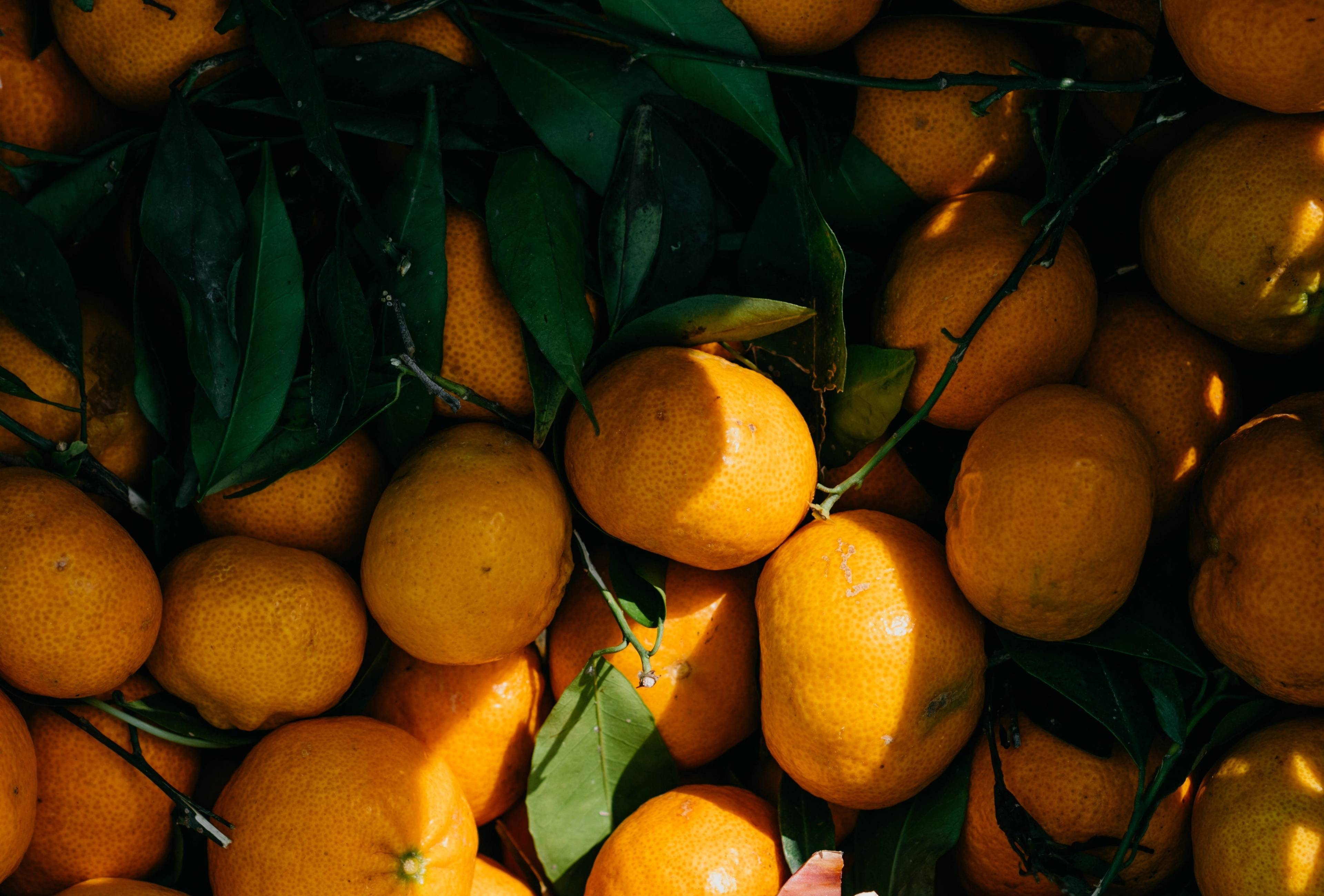
Oranges are perhaps the foods most commonly associated with vitamin C, for a good reason. But they’re not the only members of the citrus family with substantial vitamin C content:
- Orange – A medium orange has 70 mg of vitamin C for 78% of your daily value.
- Grapefruit – A medium grapefruit has 78 mg of vitamin C for 87% of your daily value.
- Lemons – The average lemon has 31 mg of vitamin C for 51% of your daily value.
As an added bonus, these fruits are sweet and delicious, making them one of the most enjoyable ways to consume your recommended daily amount.
#3 Non-Citrus Tropical Fruits
To round out your fruit salad, you can also find substantial amounts of vitamin C in other tropical fruits such as:
- Guava – One cup has 377 mg of vitamin C for 419% of your daily value.
- Kiwi – One cup has 167 mg of vitamin C for 185% of your daily value.
- Papaya – One cup has 88 mg of vitamin C for 98% of your daily value.
#4 Melons
Melons are yet another vitamin C-rich category of fruits, and there are a variety to choose from:
- Cantaloupe – A medium cantaloupe has 203 mg of vitamin C for 225% of your daily value.
- Honeydew – A medium honeydew has 180 mg of vitamin C for 200% of your daily value.
It’s important to note that you don’t usually sit down and eat an entire melon in one go. Still, one large wedge of cantaloupe has 37.4 mg, and the same serving from a honeydew contains 22.5 mg—not bad for a single slice of melon.
#5 Strawberries
A half-cup of these delicious berries contains 49 mg of vitamin C, which makes up 53% of your daily value. With just one full cup of fresh, sliced strawberries, you’d easily meet your minimum daily recommendation.
#6 Fruit Juices
Who says you have to chew your fruits and vegetables to enjoy the benefits of vitamin C? Fruit juices have very high vitamin C content, sometimes even higher than the actual fruit they’re squeezed from:
- Orange juice – A three-quarter cup has 93 mg of vitamin C for 103% of your daily value.
- Grapefruit juice – A three-quarter cup has 70 mg of vitamin C for 78% of your daily value.
- Tomato juice – A three-quarter cup has 33 mg of vitamin C for 37% of your daily value.
Fruit juices tend to be very high in sugar, with some natural but some added for flavor. Take a good look at the sugar content while shopping, and aim for all-natural or low-sugar juice, if possible.
#7 Leafy Greens
Dark, leafy greens are often considered superfoods for their vitamin C content, among many other nutrients and benefits:
- Raw kale – A cup has 80 mg of vitamin C for 89% of your daily value.
- Raw mustard spinach – A cup has 195 mg of vitamin C for 217% of your daily value.
Most vegetables don’t pack quite as much of a vitamin C punch after being cooked, but both kale and spinach still hold up, no matter what kind of dish they’re in:
- Cooked kale – A cup has 53 mg of vitamin C for 59% of your daily value.
- Cooked mustard spinach – A cup has 117 mg of vitamin C for 130% of your daily value.
#8 Cruciferous Vegetables
Unlike most vitamin C jackpots, which are more beneficial eaten raw, this classification of vegetables actually increases in vitamin C value when cooked:
- Cooked broccoli – A half-cup has 51 mg of vitamin C for 57% of your daily value.
- Cooked Brussels sprouts – A half-cup has 48 mg of vitamin C for 53% of your daily value.
- Cooked cauliflower – A half-cup has 27 mg of vitamin C for 30% of your daily value.
- Cooked cabbage – A half-cup has 28 mg of vitamin C for 31% of your daily value.
These vegetables are good sources of vitamin C even before they hit the pot to boil, the oven to roast, or the pan to fry. A half-cup of raw broccoli still contains 39 mg of vitamin C, and raw cauliflower is more or less the same as cooked.