
What Carrot Juice Actually Does for Inflammation, According to a Nutritionist
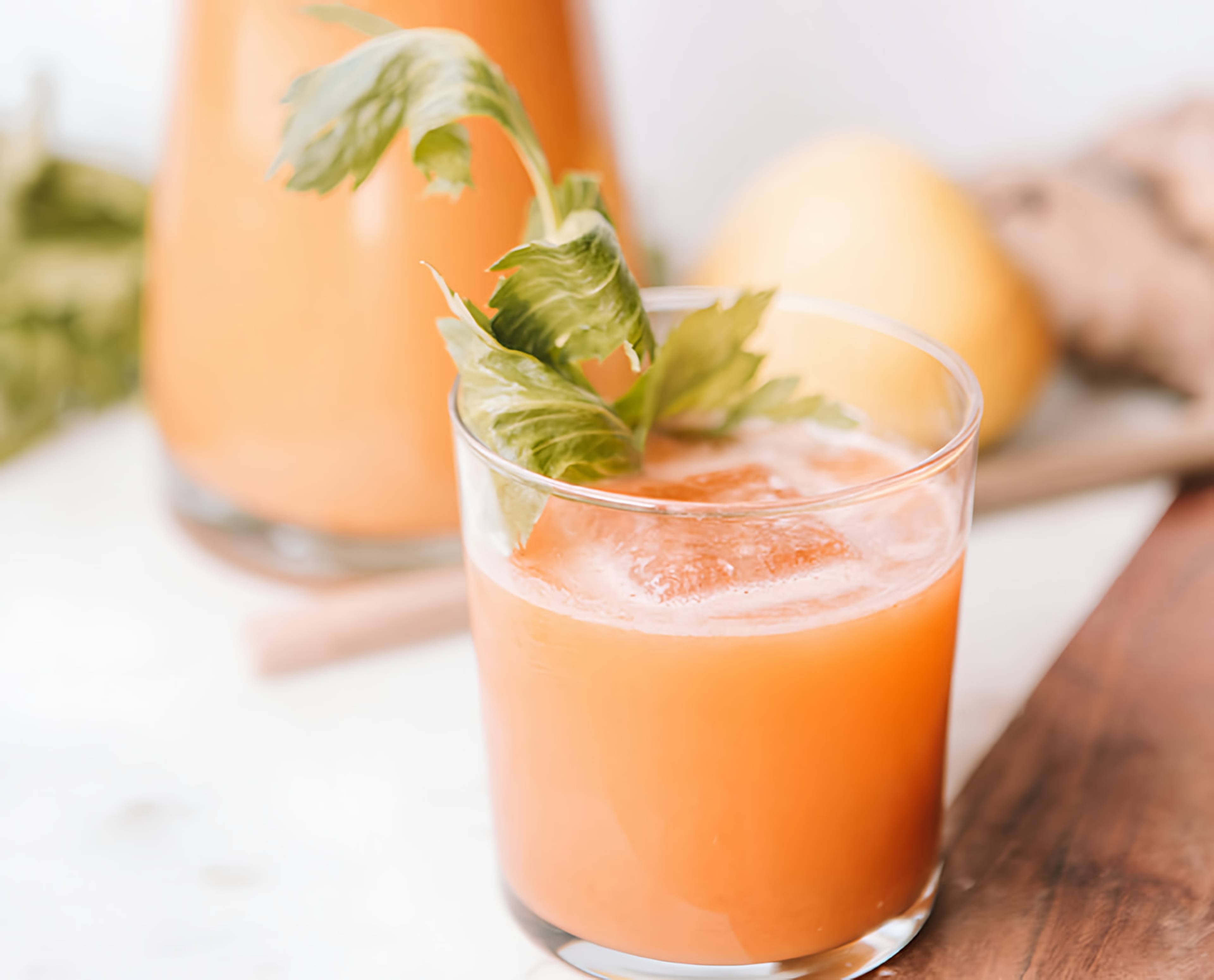
Carrot juice has a way of quietly staying in the conversation. It’s never been the trendiest option on the menu, yet it continues to show up in wellness routines that prioritize function over flash. Simple, recognizable, and deeply nutrient-dense, it’s one of those habits that feels almost too straightforward to be as effective as it is.
But beneath that simplicity is a more complex story, one that speaks to how the body manages inflammation and responds to consistent, supportive inputs over time.
According to Sahar Berjis, carrot juice can act as what she describes as a daily “cellular support drink.” A dietitian, nutrition coach, and CEO of Inner Health & Wellness, she brings over 20 years of experience blending functional and traditional nutrition, with a focus on helping people create sustainable, long-term results.
How Carrot Juice Supports Inflammation at the Cellular Level
At the center of carrot juice’s benefits is beta carotene, a powerful antioxidant that the body converts into vitamin A. This process plays a key role in managing oxidative stress, one of the primary drivers of inflammation in the body.
“Carrot juice is like a little daily ‘cellular support drink,’” Berjis explains. “Beta carotene, which your body converts to vitamin A, helps neutralize oxidative stress, the kind that builds up from everyday life, stress, pollution, lack of sleep. Over time, this can support healthier cells and help calm low-grade inflammation in the body.”
This is where carrot juice becomes more than just a nutrient boost. By helping to buffer oxidative stress, it supports the body’s ability to regulate inflammatory responses at a foundational level. Not in a dramatic, overnight way, but gradually, through consistency.
“It’s actually a great addition to anti-inflammatory protocols when used thoughtfully,” she adds. “It’s not a magic solution, but it’s a powerful support tool when layered into a balanced routine.”
“it can sometimes do more harm than good if overused” — Sahar Berjis
Like most things in nutrition, its effectiveness depends on context. The same tool that supports one person’s inflammation may not be the right fit for another.
“I usually avoid recommending it at night” — Sahar Berjis
Dive deeper











