Table of Contents
- Introduction
- The Roles of Vitamin C and Zinc in the Body
- Is Daily Supplementation a Good Idea?
- The Problem with Standard Supplements: Bioavailability
- How Vitamin C and Zinc Work Together
- Choosing the Right Forms of Zinc
- Building Your Daily Routine: Timing and Dosage
- Potential Side Effects and Considerations
- Why Quality Matters More Than Milligrams
- Lifestyle Factors That Support Nutrient Absorption
- Identifying Quality in the Supplement Aisle
- Conclusion
- FAQ
Introduction
Many of us have a familiar morning ritual. We reach for a glass of water and a handful of supplements, often led by the two most famous names in wellness: Vitamin C and Zinc. You might have started this habit during a busy season or when you felt your energy dipping, but now it has become a permanent part of your day. This leads to an important question: Is it actually beneficial to take these two nutrients every single day?
At Cymbiotika, we believe that understanding the "why" behind your routine is just as important as the routine itself. We often see people stacking supplements without considering how those nutrients interact or, more importantly, how well the body can actually use them. Taking a high dose of something doesn't always mean your cells are receiving it.
This article explores the relationship between Vitamin C and Zinc, the benefits of daily consistency, and why the delivery method of these nutrients is the most critical factor in their effectiveness. Whether you are looking to support your immune health or your skinâs natural glow, knowing how to optimize this duo can make a significant difference in your daily wellness. For more context on timing and delivery, explore this guide to taking Vitamin C and Zinc for optimal absorption.
The Roles of Vitamin C and Zinc in the Body
To understand if daily supplementation is right for you, it is helpful to look at what these two powerhouses actually do. They are often grouped together because they both play roles in supporting the bodyâs natural defenses, but their biological functions are quite distinct.
The Multi-Tasking Antioxidant: Vitamin C
Vitamin C, also known as ascorbic acid, is a water-soluble vitamin. Because our bodies cannot produce or store it in large quantities, we must get it from our diet or supplements every day. It acts as a primary antioxidant, helping to protect cells from oxidative stressâthe internal wear and tear caused by environmental factors and normal metabolic processes.
Beyond protection, it is a key player in collagen synthesis. Collagen is the structural protein that supports our skin, joints, and connective tissues. Without adequate Vitamin C, the body may struggle to maintain the integrity of these tissues. It also helps the body absorb non-heme iron, which is the type of iron found in plant-based foods like spinach and lentils. You can learn more in this guide to liposomal Vitamin C.
The Essential Mineral: Zinc
Zinc is a trace mineral, meaning we only need a small amount of it, but that small amount is vital. It is involved in over 300 enzymatic reactions in the body. These reactions govern everything from DNA synthesis to how we taste and smell.
In the context of the immune system, Zinc is necessary for the development and function of immune cells. It helps the body manage its inflammatory response and supports the integrity of the skin and mucosal membranes, which act as the first line of defense against the outside world.
Key Takeaway: Vitamin C and Zinc work in tandem to support cellular protection and structural integrity, but because they are not stored long-term, daily intake is often necessary to maintain optimal levels.
Is Daily Supplementation a Good Idea?
The short answer for many people is yes, but with a focus on quality over quantity. Taking Vitamin C and Zinc every day may help maintain a steady baseline for your immune system and metabolic health. However, the "more is better" philosophy rarely applies to supplements.
Consistency over intensity is a core principle we advocate for. Taking a massive dose of Vitamin C once a week is far less effective than taking a bioavailable, moderate dose every day. When you flood your system with more than it can process at once, your body simply flushes the excess away.
Who Benefits Most from Daily Use?
- Active Individuals: Physical exercise, while healthy, creates temporary oxidative stress that requires antioxidant support.
- Those with Restricted Diets: If you don't consume a wide variety of citrus, leafy greens, or high-quality proteins, a daily supplement can fill the gaps.
- People in High-Stress Environments: Stress can deplete the bodyâs nutrient stores faster than usual.
- Seasonal Support: Many people find that maintaining a daily routine during the colder months helps them feel more resilient.
The Problem with Standard Supplements: Bioavailability
This is where the conversation usually misses the most important point. Bioavailability is the measure of how much of a substance actually reaches your bloodstream and is available for your cells to use. Most standard Vitamin C and Zinc supplements on the market have surprisingly low bioavailability.
Most standard capsules and tablets are broken down by harsh stomach acids. By the time a traditional Vitamin C pill passes through your digestive tract, you may only be absorbing a fraction of the milligrams listed on the label. This is why some people take supplements for months and never feel a difference.
The Liposomal Difference
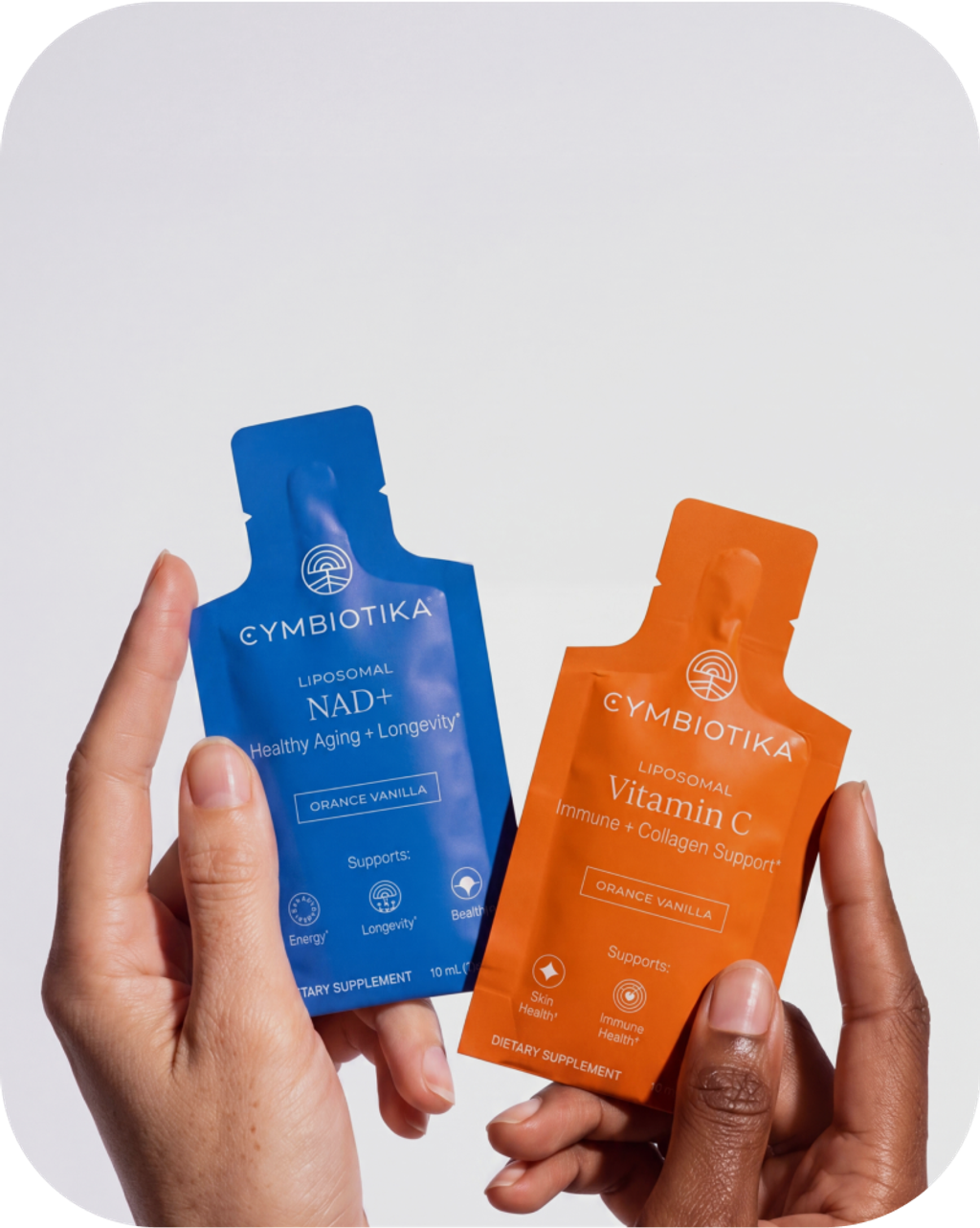
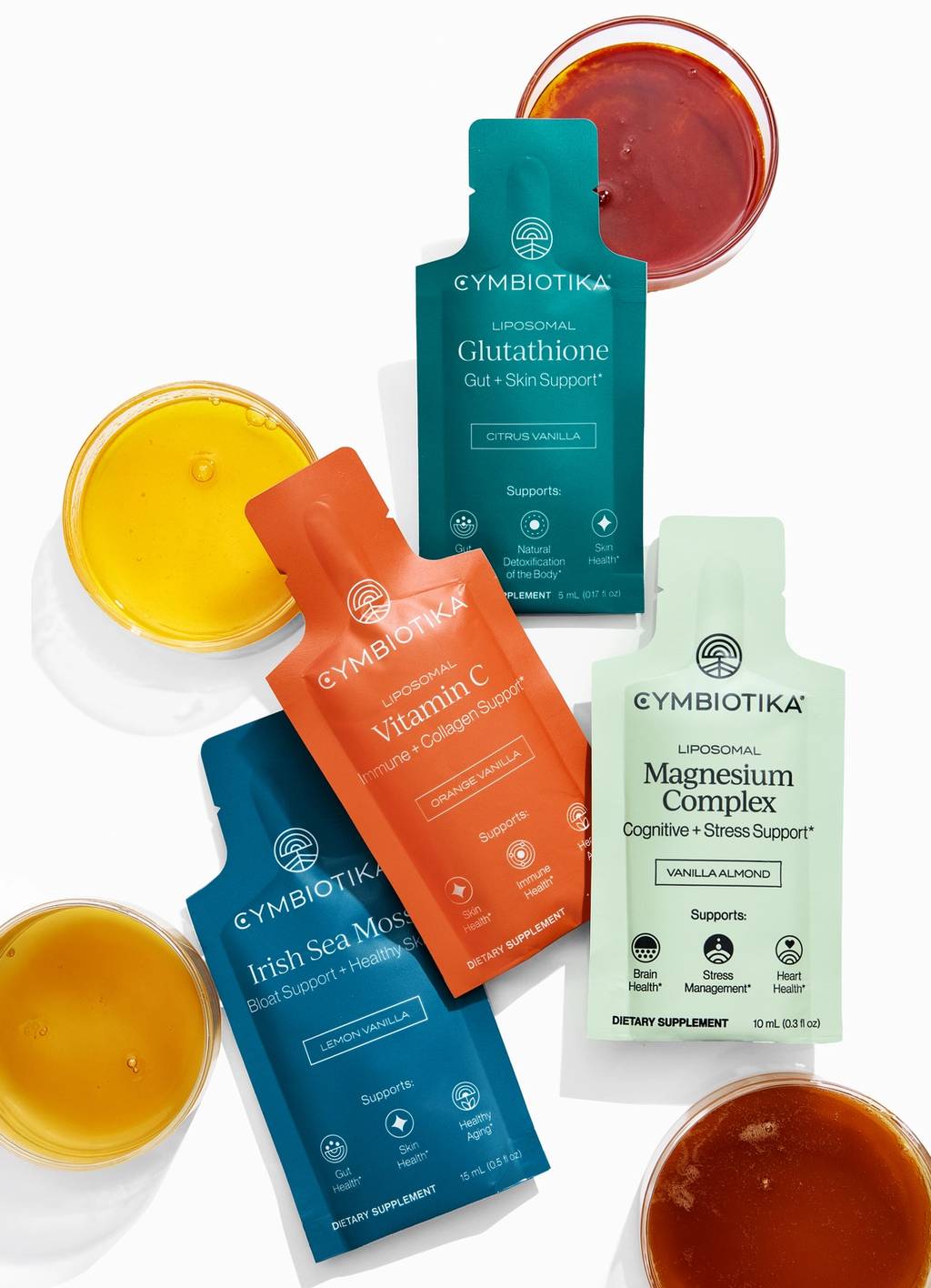
We solve this problem through liposomal delivery. A liposome is a tiny, fatty bubble (a phospholipid bilayer) that mimics the structure of your own cell membranes. By wrapping Vitamin C in these lipids, we protect it from the digestive system and deliver it directly to the cells. Learn more about how liposomal delivery works.
Liposomal Vitamin C is designed to bypass the traditional barriers of digestion. This allows for much higher absorption rates without the digestive upset that often comes with high doses of standard ascorbic acid. When you consider whether it is good to take Vitamin C daily, the answer depends entirely on whether that Vitamin C is actually making it into your system.
Myth: All Vitamin C supplements work the same way regardless of the price or format.
Fact: Standard powders and pills often have low absorption rates. Liposomal delivery significantly increases the amount of the nutrient your body can actually use.
How Vitamin C and Zinc Work Together
When taken together, these two nutrients can be more effective than when taken in isolation. This is often referred to as a synergistic relationship, where the presence of one helps the other perform its job more efficiently.
Skin Health and Recovery
Both nutrients are essential for the skin. While Vitamin C helps build the collagen "scaffolding," Zinc is required for the enzymes that repair and maintain that structure. If you are focused on a "healthy glow" or recovery from a skin-related concern, daily use of both can be a powerful combination.
Immune Cell Coordination
Vitamin C supports the production of white blood cells, which are the bodyâs "soldiers." Zinc, meanwhile, acts like the "commander," helping those cells communicate and respond appropriately to threats. Taking them together ensures that your body not only has the cells it needs but that those cells know what to do.
Absorption Dynamics
Interestingly, some studies suggest that Vitamin C may help improve the absorption of certain minerals. While the relationship between Vitamin C and Zinc absorption is still being explored by researchers, many practitioners recommend taking them together to maximize the metabolic pathways they both share. This Vitamin C and Zinc guide explores the relationship in greater detail.
Choosing the Right Forms of Zinc
Not all Zinc is created equal. If you look at the back of a supplement bottle, you might see Zinc Oxide, Zinc Gluconate, or Zinc Picolinate. Some of these are essentially "mineral salts" that are difficult for the body to break down.
Zinc Picolinate or Zinc Gluconate are generally considered to be more bioavailable than Oxide. However, we also believe in sourcing minerals from whole-food or traditional sources. For example, our PĂźrblack Pure Mineral Shilajit Live Resin contains over 84 trace minerals, including Zinc, in a form that is naturally complexed with fulvic acid.
Fulvic acid acts as a natural transporter, helping minerals move across cell membranes. When you get your minerals in a form the body recognizesârather than a synthetic isolateâthe "everyday" habit becomes much more impactful. This guide to storing Shilajit resin covers another consideration for maintaining a consistent routine.
Building Your Daily Routine: Timing and Dosage
If you decide to take Vitamin C and Zinc daily, timing can play a role in how you feel.
Step 1: Start with a meal.
While liposomal supplements are gentler on the stomach, Zinc, in particular, can occasionally cause slight nausea if taken on a completely empty stomach. Taking your supplements with breakfast or lunch is usually the best approach.
Step 2: Check your dosages.
The Recommended Dietary Allowance (RDA) for Zinc is around 8â11 mg for most adults, while Vitamin C is around 75â90 mg. However, many people find higher doses (up to 1000 mg of Vitamin C) beneficial for specific goals. Just be sure to stay below the "Upper Limit" (UL) of 40 mg for Zinc and 2,000 mg for Vitamin C unless otherwise directed by a professional.
Step 3: Be consistent.
Supplements are not "magic pills" that work overnight. The benefits of Vitamin C and Zinc build up over time as your cellular stores stabilize. Aim for at least 30 days of consistent use to gauge how you feel.
Step 4: Support the habit with lifestyle.
No supplement can replace the foundations of health. Ensure you are getting enough sleep and staying hydrated. Our Molecular Hydrogen tablets can be a great addition to your water to further support cellular health and hydration.
Potential Side Effects and Considerations
While it is generally safe and beneficial to take these nutrients daily, there are a few things to keep in mind.
Zinc and Copper Balance: High doses of Zinc taken over a long period can interfere with the bodyâs ability to absorb copper. This is why we recommend moderate, bioavailable doses rather than "mega-dosing." If you are taking a high-dose Zinc supplement for more than a few weeks, it is worth discussing a copper balance with your healthcare provider.
Digestive Sensitivity: Standard Vitamin C is acidic. If you have a sensitive stomach, you might experience heartburn or bloating. This is another reason we prioritize the liposomal formatâit is non-acidic and much easier on the gut lining.
Medication Interactions: As with any supplement, if you are taking prescription medications (especially blood thinners or certain antibiotics), consult your doctor first. Vitamin C can occasionally change how certain medications are metabolized by the liver.
Why Quality Matters More Than Milligrams
In the supplement world, people often get caught up in the numbers. They see a bottle with "2000mg" and assume it is better than a bottle with "500mg." This is a misunderstanding of how the body works.
Your body has a "saturation point" for most vitamins. If you take 2000mg of standard Vitamin C, your body might only absorb 200mg, and the rest is wasted. If you take 500mg of Liposomal Vitamin C, your body might absorb 450mg. In this case, the lower dose is actually more effective.
We focus on the science of delivery because we want every drop of our formulations to count. Whether it is our Liposomal Vitamin C or our Zinc-rich Shilajit, the goal is to ensure the nutrients actually reach their destination.
Key Takeaway: Don't be fooled by high-milligram counts on labels. Focus on delivery methods like liposomes that ensure the nutrients survive the journey through your digestive tract.
Lifestyle Factors That Support Nutrient Absorption
Taking your vitamins is only half the battle. Your internal environment dictates how well those vitamins are put to work.
Gut Health
Your gut is the gatekeeper of your health. If your microbiome is out of balance, your ability to absorb any nutrientâfrom food or supplementsâis compromised. This is why we often recommend a foundational approach that includes our Probiotic or Liquid Colostrum to support the gut lining and overall digestive efficiency.
For more options that support this foundation, explore the Gut Health supplements collection.
Hydration
Vitamin C is water-soluble. To move it through your system and into your cells, you need to be properly hydrated. This doesn't just mean drinking more water; it means ensuring your water has the minerals and structure needed to actually enter your cells.
Stress Management
Chronic stress increases the production of cortisol, which can deplete your Vitamin C and Zinc levels rapidly. If you are going through a particularly stressful time, your "daily requirement" might be higher than usual. Integrating adaptogens, like those found in our Golden Mind or Shilajit, can help the body manage stress so it doesn't burn through its nutrient stores quite so fast.
Identifying Quality in the Supplement Aisle
When you are looking for a daily supplement, look for these three pillars of trust:
- Transparency: Does the company share their testing results? We ensure our products are third-party tested for purity and potency.
- Clean Ingredients: Avoid synthetic fillers like magnesium stearate, silicon dioxide, or artificial colors. Your body doesn't need these, and they can sometimes hinder absorption.
- Science-Forward Formulation: Look for terms like "liposomal," "chelated," or "fermented." These indicate that the company has considered how the nutrient will be absorbed.
Bottom line: A daily routine of Vitamin C and Zinc is most effective when the supplements are formulated for high bioavailability and free from unnecessary synthetic additives.
Conclusion
Taking Vitamin C and Zinc everyday is a practical and often beneficial strategy for those looking to support their long-term wellness. These nutrients provide the foundation for a resilient immune system, healthy skin, and efficient metabolic function. However, the success of this routine depends on the quality of the supplements you choose and how well your body can absorb them.
We are dedicated to moving beyond the "one-size-fits-all" approach to supplementation. By using advanced liposomal delivery and sourcing the cleanest, most potent ingredients, we aim to give your body exactly what it needs in a form it can actually use. Wellness isn't about how many pills you take; it's about the quality of the choices you make every day.
If you are ready to build a routine tailored to your unique needs, we invite you to take The Health Quiz. It is a simple way to get personalized recommendations based on your goals, helping you move closer to a life of vibrant health.
- Focus on Bioavailability: Choose liposomal formats for better absorption.
- Be Consistent: Daily, moderate doses outperform occasional high doses.
- Check the Source: Look for clean, third-party tested ingredients without fillers.
- Personalize Your Stack: Use tools like the Health Quiz to find what works for you.
"True wellness is the result of small, intentional actions taken consistently over time. By choosing high-quality, bioavailable nutrients, you are investing in your future self."
FAQ
Is it safe to take Vitamin C and Zinc together every day?
Yes, it is generally considered safe and even beneficial for most healthy adults to take these two nutrients together daily. They work synergistically to support immune function and skin health. However, it is important to stay within the recommended daily limits to avoid potential digestive upset or mineral imbalances.
When is the best time of day to take Vitamin C and Zinc?
Many people find it best to take these supplements in the morning or early afternoon with a meal. Taking Zinc on an empty stomach can sometimes cause mild nausea, so having it with food is a common recommendation. Consistency is more important than the specific hour, so choose a time that fits easily into your existing routine.
Can I get enough Vitamin C and Zinc from food alone?
While it is possible to meet your requirements through a diet rich in citrus fruits, bell peppers, shellfish, and seeds, many people find it difficult to maintain these levels consistently. Modern soil depletion and busy lifestyles often lead to nutrient gaps, which is where high-quality, bioavailable supplementation can provide a helpful safety net.
Are there any side effects to taking these supplements daily?
At standard doses, side effects are rare. However, very high doses of Vitamin C may cause loose stools or stomach cramps, while excessive Zinc can cause a metallic taste in the mouth or interfere with copper absorption. Choosing liposomal formats can help minimize digestive sensitivity and ensure better cellular uptake.
*These statements have not been evaluated by the Food and Drug Administration. This product is not intended to diagnose, treat, cure, or prevent any disease.