Introduction
You may have heard wellness experts or skin health specialists discuss the "inner glow" that comes from supporting your liver. Often, two names come up in the same breath: milk thistle and glutathione. If you are looking to optimize your antioxidant levels, you might wonder if taking one is the same as taking the other. Specifically, does milk thistle contain glutathione, or are they two separate entities working toward a similar goal?
The short answer is that milk thistle does not actually contain glutathione. Instead, it serves as a powerful partner that may help your body produce and preserve its own supply of this critical antioxidant. At Cymbiotika, we focus on how these compounds interact to support your overall vitality and cellular health. Understanding the relationship between these two can help you build a more effective daily routine.
In this article, we will explore the science behind milk thistle, the role of glutathione as the "master antioxidant," and how they work together to support liver health. We will also look at why the way you take these supplements matters for your results.
Quick Answer: Milk thistle does not contain glutathione. It contains a compound called silymarin, which helps the body increase its natural glutathione production and protects existing levels from being depleted by oxidative stress.
What is Milk Thistle?
Milk thistle is a flowering herb related to the daisy and ragweed family. It has been used for centuries as a traditional remedy for various health concerns, particularly those involving the liver. The plant is native to Mediterranean countries, but it is now found worldwide. The most important part of the milk thistle plant for wellness purposes is the seed, which contains a complex of flavonolignans collectively known as silymarin.
Silymarin is the primary active ingredient in milk thistle. This compound is responsible for most of the plant’s reported health benefits. Silymarin is not a single substance but a mixture of several components, including silybin, silydianin, and silychristin. Silybin is generally considered the most biologically active and beneficial of these.
When we talk about the benefits of milk thistle, we are really talking about the actions of silymarin. This compound acts as an antioxidant and may support the body's natural inflammatory response. It is often used to help the liver process environmental toxins and support the regeneration of liver tissue. Because the liver is the primary organ responsible for filtering the blood, keeping it healthy is essential for maintaining energy and clear skin.
Understanding Glutathione: The Master Antioxidant
To understand why people often link milk thistle and glutathione, we first need to look at what glutathione does. Glutathione is a powerful antioxidant produced naturally within our cells. It is often called the "master antioxidant" because it is found in high concentrations in almost every cell in the human body, particularly in the liver. For more background, explore this guide to what makes up glutathione.
Glutathione is composed of three amino acids:
- Glutamine
- Glycine
- Cysteine
Unlike many other antioxidants that we get primarily from our diet, like Vitamin E or Vitamin C, our bodies are designed to manufacture glutathione on their own. It plays a vital role in neutralising free radicals—unstable molecules that can cause oxidative stress and damage to our cells.
Oxidative stress occurs when there is an imbalance between free radicals and antioxidants. This imbalance can be caused by various factors, including poor diet, environmental pollutants, lack of sleep, and the natural ageing process. When glutathione levels are optimal, the body is better equipped to manage these stressors. However, as we age or face increased environmental pressure, our natural production of glutathione may decline.
The Connection: How Milk Thistle Boosts Glutathione
Even though milk thistle doesn't contain glutathione, it plays a starring role in how your body manages it. The silymarin in milk thistle may increase the body’s production of glutathione by more than 35%. This happens through a few different biological pathways.
First, silymarin may help prevent the depletion of glutathione. When the liver is working hard to process alcohol, processed foods, or environmental toxins, it uses up its stores of glutathione rapidly. Silymarin acts as a shield, helping to protect liver cells and reduce the rate at which glutathione is "spent" on detoxification tasks.
Second, milk thistle may stimulate the enzymes responsible for creating glutathione. By providing the liver with the right environment and protection, silymarin allows the body to maintain higher circulating levels of this master antioxidant. This is why many people who take milk thistle notice improvements in their skin radiance and energy—they are effectively supporting their body's internal antioxidant factory.
Key Takeaway: Milk thistle acts as a precursor and protector. It doesn't provide glutathione directly but gives your body the tools it needs to manufacture and maintain higher levels of it naturally.
The Problem with Standard Supplements: Bioavailability
One of the most important things to consider when choosing any supplement is bioavailability. Bioavailability is a measure of how much of a substance actually enters your bloodstream so your body can use it. If a supplement has low bioavailability, most of it will simply pass through your digestive system without providing any benefit. For a deeper explanation, read about glutathione absorption and bioavailability.
Unfortunately, both silymarin (from milk thistle) and glutathione are notoriously difficult for the body to absorb in their standard forms.
- Standard Milk Thistle: Silymarin is fat-soluble and does not dissolve well in water, which often leads to poor absorption in the gut.
- Standard Glutathione: Traditional glutathione capsules are often broken down by stomach acid and digestive enzymes before they can reach the cells where they are needed most.
This is where formulation design becomes the most important factor in your routine. We believe that if your body can't absorb a nutrient, it doesn't matter how high the dosage on the label is. This is why we focus on advanced delivery methods like liposomal technology.
What is Liposomal Delivery?
Liposomal delivery involves wrapping nutrients in a tiny bubble of healthy fats, known as a phospholipid bilayer. This shell is very similar to the structure of your own cell membranes. This design serves two main purposes:
- It protects the nutrient from being destroyed by harsh stomach acids.
- It allows the nutrient to be absorbed more easily through the intestinal wall and directly into the bloodstream.
By using liposomal delivery, we can support the absorption of these compounds at a cellular level. This is a significant step up from standard powders or tablets that often have very low "net" benefits for the user.
Why Your Liver Needs This Support
The liver is arguably the hardest-working organ in your body. It performs over 500 different functions, including filtering blood, producing bile for digestion, and storing essential vitamins and minerals. Because the liver is the primary site for both glutathione production and the processing of toxins, it is often the first place to show signs of stress.
When the liver is overwhelmed, it can lead to a "backup" in the body. You might notice this as persistent fatigue, a "foggy" feeling in the morning, or skin that looks dull and congested. By supporting the liver with milk thistle and glutathione, you are helping the body’s natural filtration system work more efficiently.
Step-by-Step: Supporting Your Liver Health
- Step 1: Focus on hydration. Drinking enough water is the simplest way to help your liver flush out processed waste.
- Step 2: Prioritize sleep. Most of the body's cellular repair and antioxidant replenishment happens while you sleep.
- Step 3: Choose high-quality supplements. Look for formulas like our Liver Health+, which combines European Milk Thistle with other supportive ingredients like Dandelion Root and Ginger to provide comprehensive support.
- Step 4: Reduce the load. Minimize the intake of highly processed oils, refined sugars, and environmental toxins where possible to give your liver a break.
Other Ways to Increase Glutathione Naturally
While milk thistle is a fantastic way to support glutathione, it isn't the only tool available. Because glutathione is made of amino acids and requires certain minerals to function, your diet plays a major role in your levels. You can also explore this guide to supplements that may support glutathione levels.
Sulfur-Rich Foods
Sulfur is a mineral that occurs naturally in some plant and protein foods. It is required for the synthesis of glutathione. Eating sulfur-rich vegetables may help maintain the structure and activity of glutathione in the body.
- Cruciferous vegetables: Broccoli, Brussels sprouts, cauliflower, and kale.
- Allium vegetables: Garlic, onions, and shallots.
- Quality proteins: Beef, fish, and poultry contain the sulfur-containing amino acids methionine and cysteine.
Vitamin C
Vitamin C is a water-soluble vitamin that acts as an antioxidant in its own right. However, it also has a secondary job: it helps maintain the body's supply of other antioxidants, including glutathione. Vitamin C works by attacking free radicals first, which "spares" your glutathione stores for other tasks.
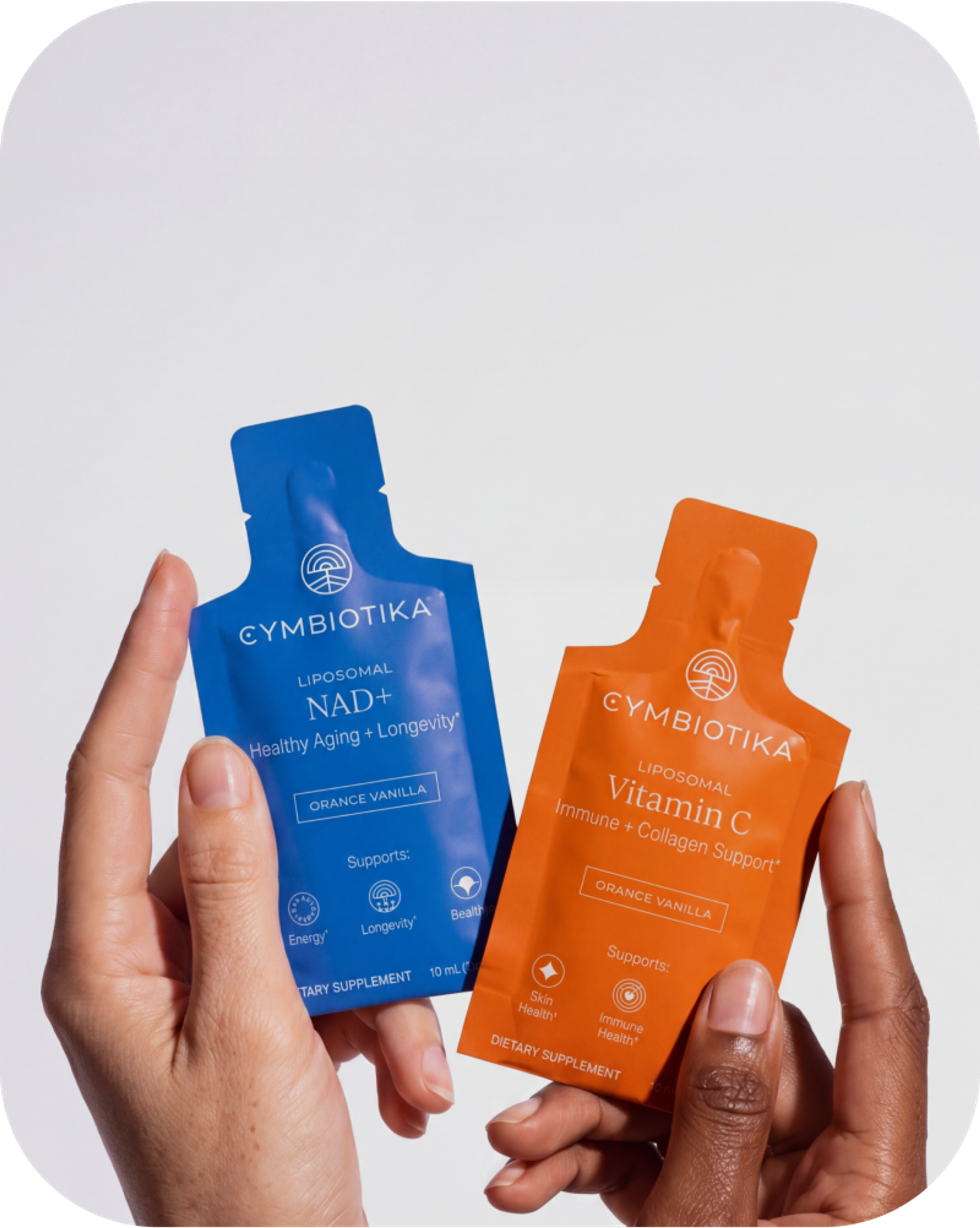
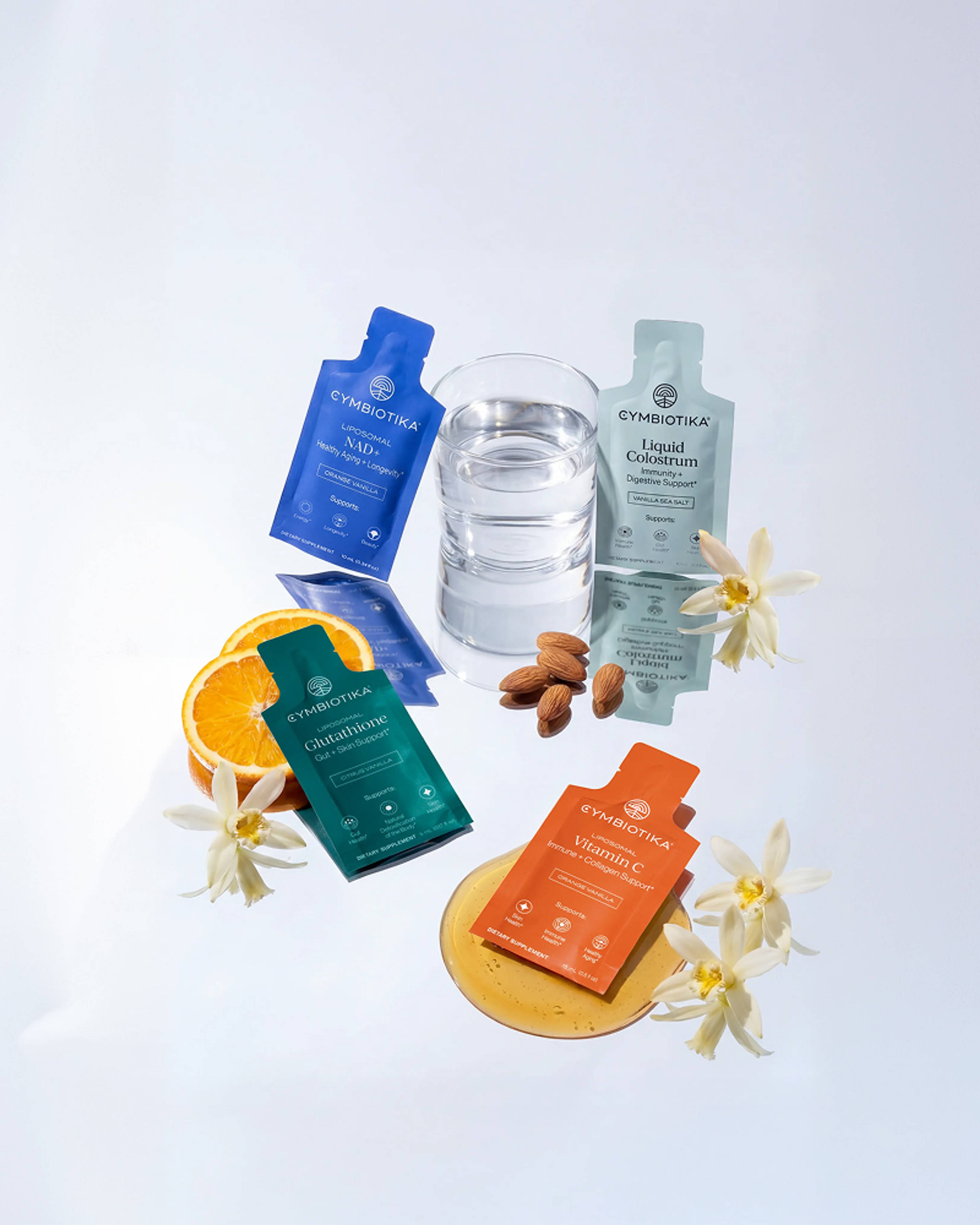
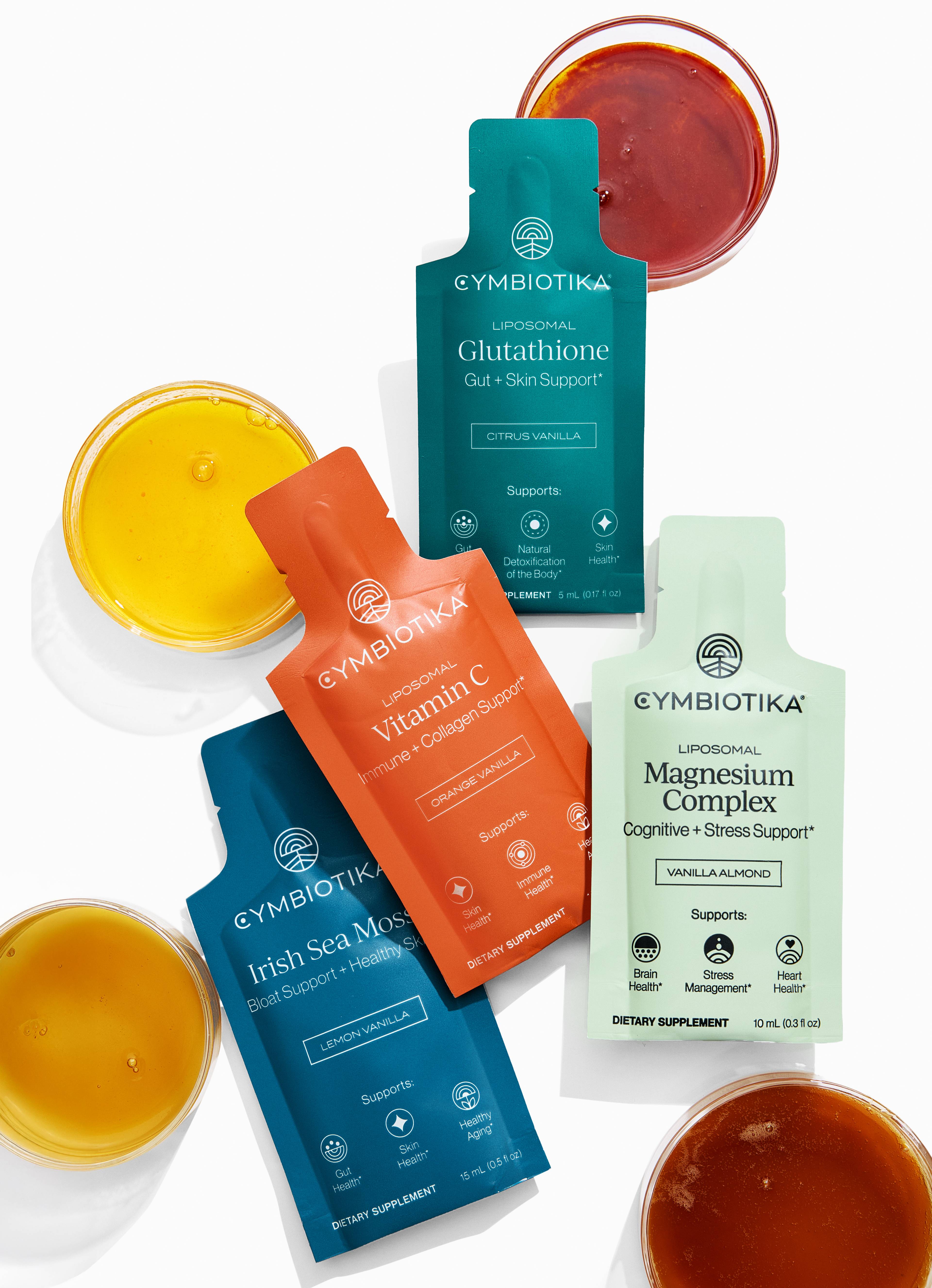
Our Liposomal Vitamin C is designed to support this process by ensuring the vitamin actually reaches your cells, rather than being lost during digestion. This creates a protective environment where your body's natural glutathione can thrive.
Selenium
Selenium is an essential mineral and a cofactor for glutathione peroxidase, an enzyme that neutralizes oxidative stress. Without enough selenium, your glutathione cannot do its job effectively. You can find selenium in Brazil nuts, seafood, and organ meats.
Myth: Taking more milligrams of a supplement always leads to better results.
Fact: Effective wellness is about absorption, not just dosage. A smaller dose of a highly bioavailable liposomal supplement often provides more benefit than a large dose of a poorly absorbed tablet.
Lifestyle Factors That Deplete Glutathione
It is just as important to know what depletes your levels as it is to know what builds them. Many modern lifestyle factors can "drain the tank" of your master antioxidant, making it harder for your liver to keep up.
Chronic stress is one of the biggest culprits. When you are stressed, your body produces higher levels of cortisol and other hormones that increase oxidative demand. This uses up glutathione much faster than usual. Similarly, a lack of quality sleep prevents the body from entering the deep repair phases where glutathione is naturally regenerated.
Environmental pollutants also play a role. We are constantly exposed to microplastics, heavy metals, and air pollution. The liver uses glutathione to bind to these toxins and turn them into water-soluble waste so they can be excreted. The more toxins you encounter, the more glutathione your body requires.
Building a Sustainable Wellness Routine
Wellness is not about a single "miracle" ingredient; it is about consistency and choosing tools that work with your body's natural biology. If you are interested in the benefits of milk thistle and glutathione, you don't have to choose between them. In fact, many people find that a combination approach works best.
For example, you might use a milk thistle-based formula like Liver Health+ to support your liver's daily filtration tasks and natural glutathione production. At the same time, you might add a direct Liposomal Glutathione supplement during times of higher stress or when you feel your immune system needs extra support.
Consistency over intensity is the key. Taking a moderate, highly absorbable dose every day is generally more effective for long-term health than taking high doses sporadically. This approach allows your cellular levels to remain stable, providing a steady shield against oxidative stress.
Bottom line: Milk thistle and glutathione are a powerful duo for liver health and antioxidant protection, provided they are delivered in a way the body can actually use.
The Importance of Transparency and Testing
At Cymbiotika, we believe that wellness starts with trust. When you are looking for a milk thistle or glutathione supplement, transparency should be your top priority. Many products on the market contain hidden fillers, synthetic binders, or ingredients that are not sustainably sourced.
We ensure that our formulations are third-party tested for purity and potency. We use organic and wild-crafted sourcing whenever possible and align our manufacturing with GMP standards. This means when you take our products, you know exactly what is going into your body—and more importantly, you know that it is designed to be absorbed.
If you are unsure where to start your journey, we recommend looking at your specific goals. Are you focused on skin radiance? Liver support? Overall longevity? Taking the time to educate yourself on how these ingredients work is the first step toward making an informed choice for your health. You can browse the Healthy Aging collection for formulas related to long-term wellness goals.
FAQ
Does milk thistle replace the need for a glutathione supplement?
Not necessarily, as they work in different ways. Milk thistle helps your body produce its own glutathione and protects the liver, while a glutathione supplement provides a direct source of the antioxidant. Many people use both to provide comprehensive support for their antioxidant defenses and liver health.
Can I get enough milk thistle from drinking tea?
While milk thistle tea is a traditional remedy, it may not be the most effective way to get silymarin. Silymarin does not dissolve well in water, so a tea may only provide a small fraction of the active compounds found in the seeds. Concentrated, bioavailable supplements are generally more effective for targeted health goals.
Are there any side effects to taking milk thistle and glutathione?
Most people find these supplements easy to incorporate into their routine, but results can vary. Some people may experience mild digestive upset when starting a new supplement. It is always a good idea to talk to your healthcare provider before starting a new routine, especially if you are taking medication or have an underlying health concern.
How long does it take to see results from these supplements?
Antioxidant support is a long-term strategy rather than an overnight fix. While some people notice improvements in their energy or skin clarity within a few weeks, the most significant benefits often come from consistent use over several months. This allows your cellular antioxidant stores to stabilize and your liver function to optimize.
Conclusion
While milk thistle does not contain glutathione, its ability to support and protect your body's natural supply makes it an invaluable tool for wellness. By focusing on high-quality, bioavailable formulations, you can ensure that your body actually absorbs these powerful compounds. Whether you are looking to support your liver, brighten your skin, or simply protect your cells from the stresses of modern life, a thoughtful routine is your best defense.
At Cymbiotika, we are committed to providing clean, transparent, and science-forward supplements that empower you to take control of your health. We believe that by combining traditional wisdom with modern delivery technology, we can help you build a routine that truly fits your lifestyle.
- Prioritize absorption by choosing liposomal delivery formats.
- Support your liver with sulfur-rich foods and targeted herbal support.
- Be consistent with your routine to see the best long-term results.
"The best way to support your health is to provide your body with the raw materials it needs to heal and protect itself from the inside out."
If you are ready to find the right combination of supplements for your unique needs, we invite you to take our Health Quiz. It is designed to help you navigate our formulas and build a personalized routine you can trust.