Jul 22, 2026

What Is Fish Pose in Yoga?
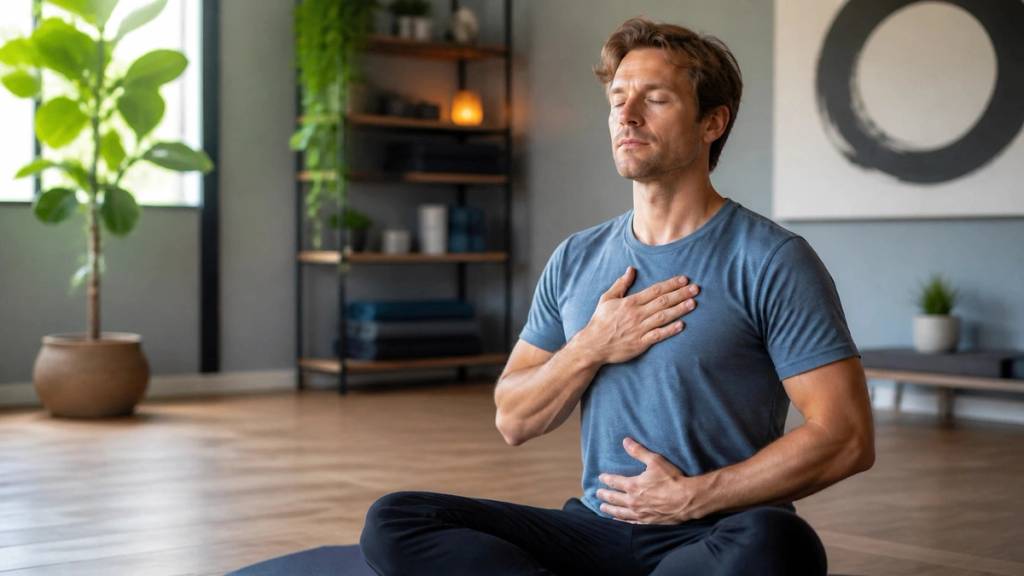
Table of Contents

  1. Introduction
  2. Understanding Matsyasana: The Story of the Fish
  3. How to Perform Fish Pose: A Step-by-Step Guide
  4. Modifications and Variations for Every Level
  5. The Physical Benefits of Fish Pose
  6. Yoga, Circulation, and Bioavailability
  7. Supporting Your Practice with Targeted Nutrition
  8. Common Mistakes and How to Avoid Them
  9. Integrating Fish Pose into Your Daily Routine
  10. Conclusion
  11. FAQ

Introduction

Many of us spend our days hunched over keyboards or staring at mobile devices. This constant forward-leaning posture can lead to a closed chest and tight shoulders. Fish Pose, or Matsyasana in Sanskrit, is a gentle yet powerful backbend designed to counter these modern habits. It is often practiced at the end of a yoga session to open the heart and re-energize the body.

At Cymbiotika, we believe that physical movement is a vital pillar of a high-functioning lifestyle. Just as we focus on the bioavailability of our nutrients, we value yoga for its ability to improve the "delivery systems" of the body—specifically our circulation and breath. This article will explore everything you need to know about Fish Pose, from its historical roots to practical instructions and its role in a holistic wellness routine.

We will cover the step-by-step mechanics of the pose, how to modify it for your skill level, and the physiological benefits it offers. By the end of this guide, you will understand how this single posture can support your posture, lung capacity, and overall vitality.

Understanding Matsyasana: The Story of the Fish

In the traditional language of yoga, Matsya means fish and Asana means pose. The name stems from Hindu mythology, where the deity Vishnu took the form of a giant fish to save the world from a great flood. This legend reflects the pose's ability to help you "float" and find balance even in turbulent times.

Fish Pose is traditionally performed as a counter-pose to Shoulderstand. While Shoulderstand tucks the chin and compresses the throat, Fish Pose does the opposite by stretching the front of the neck and opening the chest. It creates a beautiful arc in the spine that many practitioners find deeply refreshing.

Unlike more intense backbends like Wheel Pose, Fish Pose allows for a more controlled opening. It focuses heavily on the upper and middle back rather than the lower back. This makes it an accessible way to experience the benefits of heart-opening movements without requiring extreme flexibility.

Quick Answer: Fish Pose (Matsyasana) is a reclining backbend in yoga that involves arching the chest upward while resting on the elbows, with the crown of the head lightly touching the floor. It is primarily used to open the chest, throat, and lungs.

How to Perform Fish Pose: A Step-by-Step Guide

Executing Fish Pose correctly requires a balance of strength in the arms and softness in the neck. It is important to move slowly and listen to your body’s signals.

Step 1: Lay the Foundation Lie flat on your back on a yoga mat with your legs extended and your feet together. Keep your arms resting alongside your body with your palms facing down.

Step 2: Position the Arms Lift your pelvis slightly and tuck your hands underneath your buttocks. Your forearms and elbows should be tucked close to the sides of your torso. Press your shoulder blades into your back.

Step 3: Lift the Chest Inhale deeply and press your forearms and elbows firmly into the floor. Use that leverage to lift your upper body and head off the mat. As you lift, arch your back so that your chest reaches toward the ceiling.

Step 4: Lower the Head Gently tilt your head back and lower the crown of your head toward the floor. Only a tiny amount of weight should rest on your head; your arms and elbows should carry the majority of your weight to protect your neck.

Step 5: Hold and Breathe Keep your legs engaged and your toes pointed. Take deep, steady breaths into the ribcage, feeling the expansion of your lungs. Hold the pose for 15 to 30 seconds.

Step 6: Release Safely To exit, inhale and press into your elbows to lift your head slightly. Gently tuck your chin and lower your spine and head back down to the mat. Relax in a neutral position for a few moments.

Key Takeaway: The secret to a safe Fish Pose is using the strength of your forearms to support your weight, ensuring the neck remains long and unstressed.

Modifications and Variations for Every Level

Not everyone’s spine or neck is ready for the full expression of Fish Pose. Using props or adjusting the leg position can make the pose more comfortable and effective.

Supported Fish Pose (Restorative)

If you are feeling particularly tight or stressed, a supported version is highly recommended. Place a yoga block or a rolled-up blanket horizontally underneath your shoulder blades. Lie back so the prop supports the lift of your chest, and place a second block or pillow under your head if your neck feels strained. This version can be held for several minutes to encourage deep relaxation.

Using Different Leg Positions

The traditional version uses straight legs, but you can also practice Fish Pose with your legs in Padmasana (Lotus Pose) if you are an advanced practitioner. For beginners, bending the knees and placing the feet flat on the floor can help stabilize the lower back and reduce the intensity of the arch.

Protecting the Neck

If you experience any pinching in the neck, do not lower the head all the way to the floor. Instead, keep the neck neutral or use a folded towel to bridge the gap between your head and the mat. The goal is expansion in the chest, not a deep bend in the neck.

The Physical Benefits of Fish Pose

Fish Pose offers a wide range of physical advantages that complement a modern lifestyle. It targets areas of the body that are often neglected in traditional exercise routines.

  • Improved Posture: By stretching the pectorals and the front of the shoulders, this pose helps reverse the "rounded" look caused by sitting at desks.
  • Enhanced Respiratory Capacity: The deep arch opens the intercostal muscles—the small muscles between your ribs. This allows the lungs to expand more fully, supporting better oxygen intake.
  • Neck and Throat Stretch: It provides a rare stretch for the thyroid and parathyroid glands, as well as the deep flexors of the neck.
  • Spinal Flexibility: The pose encourages mobility in the thoracic spine (the middle back), which is often the stiffest part of the vertebral column.
  • Digestive Support: The gentle stretch across the abdomen can help stimulate the digestive organs and alleviate occasional bloating.

Myth: You need to rest all your weight on your head to do Fish Pose correctly. Fact: Most of your weight should be in your elbows and forearms. Your head should only lightly graze the floor to avoid compressing the cervical spine.

Yoga, Circulation, and Bioavailability

In the world of wellness, we often talk about what we put into our bodies. However, the other half of the equation is how well our bodies can actually use those nutrients. This concept is known as bioavailability—the proportion of a substance that enters the circulation when introduced into the body and so is able to have an active effect.

While we typically discuss bioavailability in the context of supplement delivery, like the technology behind Liposomal Vitamin C, physical movement plays a supporting role. Practices like Fish Pose improve circulation and lymphatic flow. When your circulation is efficient, the nutrients you consume are delivered to your cells more effectively.

We design our formulas to support that same idea of efficient delivery, and a yoga practice like Fish Pose can help "prime" the body by reducing physical tension and opening up the pathways of the breath and blood. A body that is relaxed and well-oxygenated is in a better state to absorb and utilize high-quality nutrition.

Bottom line: Yoga and superior supplementation work together; movement helps the body circulate the high-quality nutrients you ingest.

Supporting Your Practice with Targeted Nutrition

A consistent yoga practice requires healthy joints, resilient muscles, and steady energy. What you do off the mat is just as important as what you do on it. Many people find that specific nutrients help them maintain the flexibility and recovery needed for poses like Matsyasana.

Magnesium for Muscle Relaxation Magnesium is a critical mineral for over 300 biochemical reactions in the body. It helps muscles relax after contraction, which is essential for deep stretching. Many practitioners use Topical Magnesium Oil Spray to support muscle recovery and promote a calm nervous system.

Omega Fatty Acids for Joint Health The "fluidity" of a fish is a great metaphor for joint health. To keep your spine and shoulders moving smoothly, your body needs essential fatty acids. These healthy fats support the structural integrity of your joints and help maintain a healthy inflammatory response. The Omega is a convenient way to bring omega-3s into your routine.

Molecular Hydrogen for Recovery If you are practicing vigorous styles of yoga, you may experience oxidative stress. For broader energy and recovery support, our Energy Supplements collection can be a helpful place to explore formulas that fit an active lifestyle.

The Importance of Hydration Yoga increases internal heat and helps flush out metabolic waste. Drinking clean, mineral-rich water is essential. Adding a mineral complex or shilajit can help replace the electrolytes lost through breath and sweat during a session. Shilajit Liquid Complex is one option many people look at when they want support for energy and recovery.

Common Mistakes and How to Avoid Them

Even though Fish Pose is a beginner-friendly backbend, there are common errors that can lead to discomfort or injury.

  • Collapsing into the Shoulders: If you don't press firmly enough into your elbows, your shoulders will "scrunch" up toward your ears. This creates tension rather than releasing it. Focus on pulling the shoulder blades down the back.
  • Holding the Breath: Because the chest is so open and the throat is stretched, some people reflexively hold their breath. This can cause lightheadedness. Aim for "dirga pranayama," or three-part breath, filling the belly, ribs, and upper chest.
  • Overextending the Lower Back: If you feel sharp pain in your lower back, you may be arching too aggressively from the lumbar spine. Try to distribute the curve evenly through the middle and upper back.
  • Legs Falling Apart: In the straight-leg version, the inner thighs should stay engaged and the legs should stay squeezed together. This provides a stable base for the lift of the upper body.

For more on how breath and relaxation can fit into your evening wind-down, Which Magnesium for Anxiety and Sleep is a useful next read.

Integrating Fish Pose into Your Daily Routine

You don't need a 90-minute yoga class to enjoy the benefits of this pose. It can be practiced as a standalone movement whenever you feel the need to reset your posture.

Step 1: Identify a "posture break" in your day, perhaps after a few hours of work.
Step 2: Spend 2 minutes in a supported version of Fish Pose using a firm pillow or yoga bolsters.
Step 3: Focus on deep, diaphragmatic breathing to calm the nervous system.
Step 4: Use the Health Quiz on our website to see if there are specific nutrients, like Vitamin D3 or K2, that could further support your bone and joint health.

If you are building a more personalized routine, Cymbiotika Expert is a natural next step.

Consistency is more important than intensity. Doing a gentle Fish Pose for two minutes every day will likely yield better results for your posture than doing an intense version once a month. It’s about building a sustainable routine that fits your lifestyle.

Conclusion

Fish Pose is a timeless tool for opening the body and inviting more breath and energy into your life. Whether you use it to counter a day at the office or as a heart-opening peak in your yoga practice, its benefits are profound. By stretching the chest, neck, and lungs, you are not just improving your posture—you are supporting the very systems that keep you vibrant.

At Cymbiotika, we are dedicated to helping you live your most vital life through transparency and science-backed supplementation. We believe that wellness is a holistic journey that combines mindful movement with high-bioavailability nutrition. When you treat your body with respect—both on the mat and in your supplement routine—you create a foundation for long-term health.

  • Practice Fish Pose to counter modern "tech neck" habits.
  • Use props like blocks or blankets to make the pose accessible.
  • Support your physical efforts with high-quality nutrients like Magnesium and Omegas.
  • Focus on consistency to see lasting changes in your flexibility and breath.

"True wellness is the result of small, consistent choices that honor the body's natural wisdom and its need for high-quality support."

To discover which supplements might best support your unique physical goals and lifestyle, take our Health Quiz for a personalized recommendation.

FAQ

Is Fish Pose safe for people with neck pain?

If you have a history of significant neck issues, you should consult a healthcare professional before trying Fish Pose. For mild tension, use a supported variation with blocks or pillows to ensure there is zero pressure on the cervical spine. Always avoid dropping the head back too quickly or resting heavy weight on the crown of the head.

How long should I hold Fish Pose?

For a traditional active practice, holding the pose for 15 to 30 seconds (about 5 to 10 deep breaths) is usually sufficient. In a restorative practice using props for support, you can stay in the pose for 3 to 5 minutes to allow the fascia and deeper connective tissues to release. Stop immediately if you feel any numbness, tingling, or sharp pain.

Can I do Fish Pose if I am not flexible?

Yes, Fish Pose is highly adaptable for those with limited flexibility. Using a "supported" version with a rolled-up blanket under the shoulder blades allows you to experience the chest-opening benefits without needing a deep spinal arch. Bending your knees and keeping your feet flat on the floor also helps stabilize the body if the straight-leg version feels too intense.

Why is Fish Pose called a heart opener?

In yoga anatomy, "heart openers" are backbending poses that stretch the muscles around the chest and heart center. Physically, this expands the ribcage and improves lung capacity. Energetically, many practitioners find that these poses help release emotional tension and create a sense of openness and vulnerability.

*These statements have not been evaluated by the Food and Drug Administration. This product is not intended to diagnose, treat, cure, or prevent any disease.

Subscribers get it all

Subscribe today and unlock access to Arise, the ultimate wellness experience.

SAVE BIG

Get over 40% off + FREE shipping on all recurring orders.

FUN FREEBIES

Get free gifts, swag, perks, and more

SAVE BIG

Feel energized & strong with a routine that works!

by / Jul 22, 2026

Back to cart

CONGRATS

Choose Your Free Gift

As a thank-you for subscribing, choose one complimentary product below.

Are you sure?
We'll remind you before your next
Golden Mind order processes.
We'll remind you before your next
Topical Magnesium order processes.
Are you sure?
Removing will also remove the exclusive discounted item added to your cart.

You're away from a FREE gift!

Add any of the products below to unlock your free gift.

    You've unlocked a FREE gift!

    Thanks for spending $110. Choose one of the three starter kits below.

    Subscribe & Save

    Trusted by 60k+ subscribers

    FOR YOU
    One FREE Month of Golden Mind!
    You've unlocked one FREE month of Golden Mind! Your subscription will renew automatically every 30 days, and we'll remind you before your order processes.
    Cancel anytime in your portal.
    FOR YOU
    One FREE Month of Topical Magnesium Oil!
    You've unlocked one FREE month of Topical Magnesium Oil! Your subscription will renew automatically every 30 days, and we'll remind you before your order processes.
    Cancel anytime in your portal.
    Your Cart ( items)

    in savings and perks unlocked with your order!

    Free shipping sitewide.

    More subscriptions, more savings

    1

    30% off

    2

    34% off

    3

    38% off

    4

    40% off

    5

    40% off

    Want to save? Add a subscription to get 30% off on it!

    Add items to your cart

    Browse our products and add items to start your order.

    You may also like. . .
    You may also like
    60-Day money back guarantee*