Table of Contents
- Introduction
- The Foundation of Asana
- Nature and the Elements
- Animal Archetypes and Their Traits
- The Warrior Poses: Internal Strength
- Geometry and Symbolism
- Why Physical Support Matters for Symbolism
- The Role of Discipline and Routine
- How to Enhance Your Mind-Body Connection
- Integrating Symbolism into Daily Life
- Building a Supportive Routine
- Conclusion
- FAQ
Introduction
Many people begin a yoga practice to increase flexibility or reduce daily tension. You might find yourself holding a specific shape and wondering why it is named after a tree, a warrior, or a cobra. These physical forms, known as asanas, are rarely just about the mechanical movement of muscles and joints. They are designed to act as physical metaphors for internal states and natural world qualities.
At Cymbiotika, we believe that true wellness is an integrated experience. Your physical health supports your mental clarity, and your mental state influences how your body feels. Understanding the symbolism behind yoga poses can help you connect more deeply with your practice. It transforms a simple workout into a tool for self-discovery and mindfulness.
This article explores the deeper meanings of common yoga poses and what they represent for your mind and body. We will look at how nature, mythology, and geometry shape these movements. You will also learn how supporting your physical foundations can help you get the most out of every session, especially when you’re learning how our approach to liposomal delivery is designed to support absorption.
The Foundation of Asana
The word "asana" is often translated today as "pose" or "posture." However, its original Sanskrit meaning is closer to "steady seat." In ancient traditions, the physical practice was intended to prepare the body to sit still for long periods of meditation. If the body is uncomfortable or restless, the mind will be too.
Every pose you perform represents a specific energy or archetype. When you take the shape of a mountain, you are not just standing still. You are embodying the qualities of a mountain: stability, permanence, and strength. When you move into a fluid sequence, you might be representing the flow of water or the cycle of the sun.
These representations serve as a bridge. They connect your conscious mind to your physical sensations. By focusing on what a pose represents, you shift your attention away from external distractions and toward your internal environment. This is the essence of the mind-body connection.
Nature and the Elements
Many yoga poses are named after elements found in the natural world. Early practitioners observed the environment and noticed how different entities moved or stood. They believed that by mimicking these shapes, humans could adopt the strengths of those elements.
The Mountain (Tadasana)
Mountain Pose is the blueprint for almost all other standing postures. It represents being unshakeable. When you stand in Tadasana, your feet are rooted into the earth while the crown of your head reaches toward the sky. This pose represents the balance between being grounded and being open to higher perspectives. It teaches us that even in the middle of a storm, a mountain remains still.
The Tree (Vrksasana)
Tree Pose is a primary lesson in balance and growth. It represents the ability to remain steady while being flexible. A tree that cannot bend in the wind will break. Similarly, this pose represents the human need to stay rooted in our values while allowing ourselves to sway and adapt to life's changes. It often highlights the truth that balance is not a static state but a constant, subtle adjustment.
The Lotus (Padmasana)
The lotus flower is one of the most significant symbols in yoga. It grows in muddy water but rises above the surface to bloom, clean and beautiful. This pose represents the potential for human transcendence. It suggests that even if our circumstances feel "muddy" or difficult, we have the inner capacity to rise above them and find clarity.
Key Takeaway: Yoga poses named after nature act as physical reminders of our connection to the environment and our ability to embody natural qualities like stability, resilience, and growth.
Animal Archetypes and Their Traits
The animal kingdom provides a rich library of symbolism for yoga. By taking the shape of an animal, you are invited to explore the specific "spirit" or trait associated with that creature. This is not about literally acting like an animal, but about feeling the physical and energetic shifts that occur in that shape.
Downward-Facing Dog (Adho Mukha Svanasana)
Perhaps the most famous pose, Downward Dog represents a total body reset. In nature, dogs and other four-legged animals stretch this way to wake up their nervous systems. This pose represents rejuvenation and alertness. It is both a stretch and a strengthening move, representing the balance of effort and ease.
The Cobra (Bhujangasana)
The cobra represents the shedding of old skin and the act of rising up with courage. When you perform a backbend like Cobra, you are opening your chest and heart space. This pose represents vulnerability and the strength required to face the world with an open heart. It encourages us to leave behind what no longer serves us, just as a snake leaves its old skin.
The Eagle (Garudasana)
Eagle Pose requires intense focus and the wrapping of limbs toward the midline of the body. It represents the "all-seeing" perspective of an eagle. Because the pose is physically complex, it requires a "one-pointed" gaze. This represents the ability to remain focused on a single goal even when life feels twisted or complicated.
The Warrior Poses: Internal Strength
The Warrior sequence (Virabhadrasana I, II, and III) is named after a powerful warrior from Indian mythology. While the name sounds aggressive, these poses do not represent external conflict. Instead, they represent the "spiritual warrior" who fights against the ego, ignorance, and self-doubt.
- Warrior I: Represents the initial rise of focus and the determination to face a challenge.
- Warrior II: Represents the steady gaze and the ability to stay present in the heat of a struggle. It emphasizes the balance between the past (the back hand) and the future (the front hand).
- Warrior III: Represents the total commitment to a path, requiring poise and unwavering concentration.
These poses help us practice how we handle resistance. Many people find these poses difficult because they require significant muscular endurance. The representation here is simple: how you show up on the mat is often how you show up in life. If you can breathe through the "fire" of a long Warrior II hold, you may find it easier to breathe through a stressful moment at work.
Geometry and Symbolism
Beyond animals and plants, yoga poses represent sacred geometry. The shapes we make with our bodies—triangles, circles, and straight lines—carry their own meanings.
The Triangle Pose (Trikonasana) is a perfect example. The triangle is one of the strongest shapes in nature. In yoga, it often represents the "triad" of existence: body, mind, and spirit. When you reach in three different directions in Trikonasana, you are representing the harmony between these three parts of yourself.
Other poses represent the concept of "Mandala" or a circle. This signifies wholeness and the cyclical nature of life. Every time you return to the start of a sequence, like a Sun Salutation, you are acknowledging that wellness is not a destination but a continuous cycle of practice and renewal.
Why Physical Support Matters for Symbolism
It is difficult to feel like a "steady mountain" if your knees ache, or to feel like a "courageous cobra" if your back is too stiff to move. The symbolic benefits of yoga are much easier to access when your physical body is supported at a cellular level.
We often see people struggle with their practice not because they lack discipline, but because their bodies are missing the raw materials needed for recovery and flexibility. This is where the concept of bioavailability becomes critical. Bioavailability refers to how much of a nutrient your body actually absorbs and uses. If you want to go deeper on that idea, the Liposomal Delivery page is a helpful starting point.
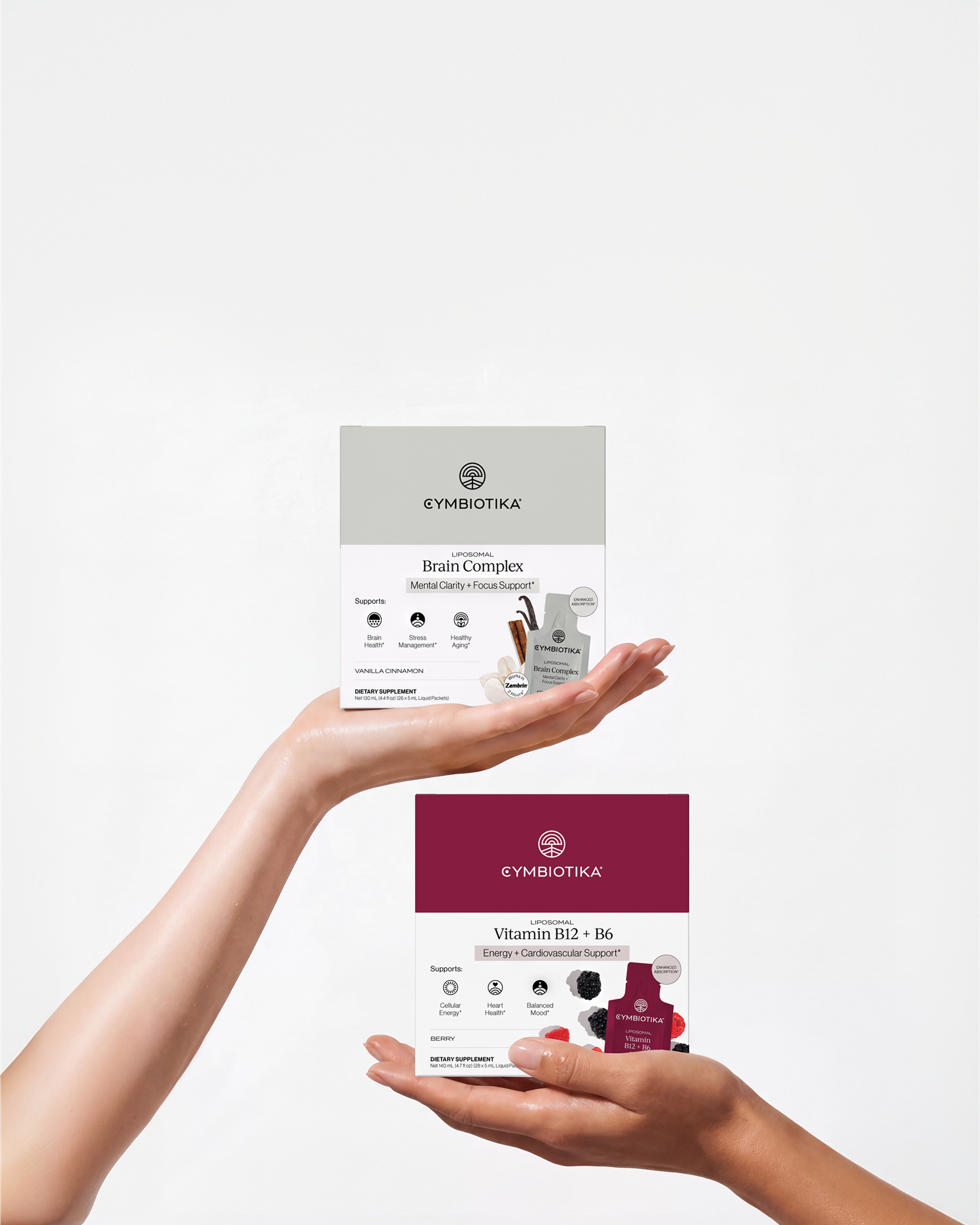
For example, magnesium is essential for muscle relaxation and nervous system health. If you are taking a poorly absorbed magnesium tablet, your muscles may remain tight, making it hard to find ease in your poses. Our Magnesium Complex is designed with high bioavailability in mind, using multiple forms of magnesium to ensure your body can actually utilize the mineral.
Similarly, joint health is a major factor in how we experience these poses. The Omega provides high-quality essential fatty acids that support joint mobility and a healthy inflammatory response. When your joints move freely, you can focus on what the pose represents rather than the discomfort in your body.
Key Takeaway: Supporting your body with highly bioavailable nutrients ensures that physical limitations don't distract you from the mental and symbolic benefits of your yoga practice.
The Role of Discipline and Routine
Yoga poses represent more than just symbols; they represent a commitment to yourself. Building a consistent routine is the only way to move from the physical mechanics of a pose into its deeper meaning.
If you are looking to build a more mindful routine, consider these steps:
- Start Small: Choose three poses that represent what you need today (e.g., Mountain for stability, Warrior for focus).
- Focus on Breath: The breath is the link between the physical shape and the symbolic meaning.
- Check Your Foundations: Ensure your body has the nutritional support it needs to recover.
- Reflect: After your practice, take one minute to think about which "representation" felt most relevant to your current life.
We believe that consistency is the foundation of change. Whether it is your yoga practice or your supplement routine, doing small things daily leads to significant long-term results. If you’re not sure where to begin, the Health Quiz can help you narrow down a routine that fits your goals.
How to Enhance Your Mind-Body Connection
To truly feel what a yoga pose represents, you must be able to listen to your body’s signals. This is called interoception. It is the ability to sense what is happening inside your body, from your heartbeat to the tension in your muscles.
Standard health routines often ignore this internal dialogue. People push through pain or take supplements without knowing if they are working. We advocate for a different approach based on transparency and education. When you understand why you are taking a specific supplement—and how its delivery system helps it reach your cells—you become a more active participant in your own wellness. For a deeper look at that philosophy, read Ask Dr. Shilpa: Liposomes 101.
Myth: All yoga poses work the same for everyone. Fact: While the traditional representation of a pose is a guide, your personal experience may vary based on your physical needs and mental state.
Integrating Symbolism into Daily Life
The beauty of understanding what yoga poses represent is that you can take these lessons off the mat. You don't need to be in a yoga studio to channel the energy of a mountain or a warrior.
When you are feeling overwhelmed in a meeting, you can mentally "step into" Tadasana. You can ground your feet, lengthen your spine, and remember the stability of the mountain. If you are facing a difficult decision, you can visualize the focus of the Eagle. These mental "poses" can help you navigate daily stress with more grace.
Our mission is to provide the tools that make this integration possible. From liposomal delivery systems that ensure nutrient absorption to clean, transparent sourcing, we want to make sure your physical "vessel" is ready for whatever your day holds. If you want to explore the thinking behind our formulas, Why We Made It: Magnesium Complex offers a closer look.
Building a Supportive Routine
If you are new to the idea of connecting your physical health with your mental state, it can feel overwhelming. You might wonder where to start or which nutrients your body actually needs to support a more active, mindful lifestyle.
We suggest starting with the basics of cellular health. When your cells are nourished and your inflammatory response is balanced, your entire system functions more efficiently. This creates a fertile ground for a deep yoga practice. If your goals lean more toward daily vitality, the Energy Supplements collection is a natural place to explore.
- Prioritize Absorption: Always look for supplements that mention liposomal delivery or high bioavailability. Standard capsules often lose 50% or more of their potency during digestion.
- Listen to Your Body: Notice which poses feel "blocked." This is often a sign of where you need more physical support or mental focus.
- Stay Consistent: A 10-minute daily practice is often more effective than a two-hour session once a week.
- Personalize Your Approach: Everyone's body is different. What works for a friend might not be what your system requires.
For broader support, the Immunity Supplements collection can help you connect the dots between routine and resilience, while Why We Made It: Liposomal NAD+ is a useful read if you’re curious about energy-focused formulation philosophy.
Conclusion
What yoga poses represent is a deep connection between the human experience and the world around us. By embodying trees, animals, and warriors, we learn to navigate our own internal landscapes with more curiosity and strength. These poses are not just shapes; they are opportunities to practice being the person you want to be in the world.
At Cymbiotika, we are dedicated to helping you build a wellness routine you can trust. By combining ancient wisdom with science-forward supplementation, we aim to support your journey toward a more balanced life. Whether you are seeking better sleep, more energy, or improved mobility for your yoga practice, transparency and quality are at the heart of everything we do. If restful evenings are part of your routine, the Sleep Supplements collection may be a good fit.
To find the right support for your specific goals, we encourage you to take the Health Quiz. It is a simple tool designed to provide personalized recommendations based on your unique needs, helping you build a routine that truly works for you.
Bottom line: Yoga poses are physical metaphors that help us integrate mind and body, and this connection is strongest when we support our physical health with bioavailable, high-quality nutrition.
FAQ
Why are yoga poses named after animals and nature?
Early yoga practitioners observed the world around them and believed that the qualities of nature could be mirrored in the human body. By imitating the shape of a cobra or a tree, they sought to cultivate the specific strengths of those entities, such as courage, stability, or flexibility.
What does the Warrior pose represent in yoga?
The Warrior poses represent the "spiritual warrior" who focuses on overcoming internal obstacles like ego, doubt, and distraction. They are designed to build focus, stamina, and the ability to remain calm and grounded even when facing significant physical or mental resistance.
Can the meaning of a yoga pose change my physical experience?
Many people find that focusing on the representation of a pose changes how they feel. For example, thinking about the stability of a mountain while in Tadasana can help you engage your muscles more effectively and find a deeper sense of calm than simply standing still.
How can supplements support what yoga poses represent?
To experience the "steadiness" or "flow" that poses represent, your body needs to be physically capable of those movements. Highly bioavailable supplements, such as those from us, support joint health and muscle recovery, ensuring that physical discomfort doesn't prevent you from connecting with the deeper meaning of your practice.
*These statements have not been evaluated by the Food and Drug Administration. This product is not intended to diagnose, treat, cure, or prevent any disease.