Aug 18, 2026

Managing Hair Loss in Women Due to Stress

Table of Contents

  1. Introduction
  2. The Connection Between Stress and Your Hair
  3. How Stress Impacts Nutrient Prioritization
  4. The Role of Cortisol in Follicle Health
  5. Why Bioavailability Matters for Hair Recovery
  6. Targeted Ingredients for Hair Resilience
  7. Building a Routine for Hair Support
  8. The Gut-Hair Axis
  9. Practical Steps to Manage Daily Stress
  10. Identifying When to Seek Professional Advice
  11. The Importance of Consistency
  12. Conclusion

Introduction

Noticing extra strands of hair in your brush or at the bottom of the shower can be a startling experience. For many women, thinning hair or sudden shedding is often a physical signal that the body is navigating a period of intense pressure. While it is normal to lose between 50 and 100 hairs a day, significant changes in hair density are frequently linked to the physiological impact of stress.

At Cymbiotika, we believe that understanding the "why" behind your body's signals is the first step toward reclaiming your wellness. Stress affects every system in the body, and the hair follicles are no exception. When your internal environment is taxed, the body prioritizes essential functions over non-essential ones like hair growth.

This article covers the biological link between stress and hair loss, the specific growth cycles involved, and how you can support your body through targeted nutrition and lifestyle shifts. We will explore how improving nutrient absorption and managing the body’s stress response can create the foundation for healthy, resilient hair. Understanding this connection is essential for building a routine that supports your long-term vitality.

The Connection Between Stress and Your Hair

To understand hair loss in women due to stress, it is helpful to first look at how hair actually grows. Hair growth is not a continuous process but a series of distinct phases. Most of the hair on your head is currently in the anagen phase, which is the active growth stage that can last for several years.

When the body experiences a significant stressor—whether physical, emotional, or environmental—it can disrupt this natural rhythm. This disruption often leads to a condition called telogen effluvium. In this state, a large number of hair follicles are prematurely pushed into the telogen phase, or the resting phase.

During the telogen phase, the hair stops growing and eventually falls out to make room for new growth. Normally, only about 10% of your hair is in this phase at any given time. Under intense stress, that number can jump significantly. Because the telogen phase lasts for several months, the shedding usually doesn't happen immediately. You might notice thinning or increased hair loss two to four months after the stressful event occurred.

Key Takeaway: Stress-induced hair loss is often a delayed reaction where the body shifts hair follicles from a growth phase to a resting phase as a survival mechanism.

How Stress Impacts Nutrient Prioritization

The body is a master of resource management. When you are under stress, your internal systems enter a state of high alert. To manage this, the body directs its most valuable resources—vitamins, minerals, and proteins—toward the organs that keep you alive, such as your heart, brain, and lungs.

Hair, skin, and nails are considered "non-essential" tissues in a biological sense. They are the first to lose out on nutrients when supply is low or demand elsewhere is high. Stress can also impair digestion. When the body is in a "fight or flight" state, blood flow is diverted away from the gut. This can lead to poor absorption of the very nutrients your hair needs to stay strong, such as biotin, zinc, and amino acids.

Even if you are eating a balanced diet, a stressed body may struggle to break down and utilize those nutrients effectively. This creates a secondary layer of stress on the hair follicles, as they are essentially starved of the building blocks required for keratin production. For a deeper look at how formulation affects nutrient uptake, see our guide to why bioavailability matters.

The Role of Cortisol in Follicle Health

Cortisol is often called the "stress hormone." While it is necessary for regulating various bodily functions, chronically high levels of cortisol can have a negative impact on the hair follicles. Research suggests that high cortisol levels can lead to the breakdown of important skin and scalp components, such as proteoglycans.

Proteoglycans are molecules that help maintain the structural integrity of the hair follicle. When these molecules are depleted, the follicle becomes less stable and more likely to enter the resting phase. Furthermore, cortisol can interfere with the signaling molecules that tell the hair to stay in the growth phase.

Managing cortisol is not just about feeling calmer; it is about protecting your biological structures. By supporting the nervous system and ensuring the body has the tools to regulate its stress response, you can help minimize the impact of cortisol on your scalp health. If you are building a calmer nightly routine, the Sleep Supplements collection is a helpful place to start.

Myth: Stress-related hair loss happens the day you feel stressed. Fact: Because of the hair growth cycle, shedding usually occurs two to four months after a stressful period.

Why Bioavailability Matters for Hair Recovery

When searching for ways to support hair health, many people focus solely on the number of milligrams on a supplement label. However, the most important factor is bioavailability. Bioavailability refers to how well your body can actually absorb and use the nutrients you take in.

Many standard supplements are difficult for the body to break down. They must survive the harsh environment of the stomach and then be processed by the liver before they ever reach your bloodstream. By the time this process is finished, only a small fraction of the original ingredient may remain.

Liposomal delivery is a technology designed to solve this problem. A liposome is a tiny, fatty bubble called a phospholipid bilayer—the same material that makes up your own cell membranes. By wrapping a nutrient in these phospholipids, it is protected from digestion and can be delivered more directly to your cells.

At Cymbiotika, we prioritize liposomal delivery because it ensures that your body actually receives the support it needs. When your body is already under stress and its digestive capacity might be lowered, choosing highly bioavailable formats becomes even more critical. If you want to understand this approach in a practical way, the Liposomal Magnesium Complex is a good example.

Targeted Ingredients for Hair Resilience

Supporting hair recovery requires a multi-angled approach. You need to address the stress response, protect the scalp environment, and provide the raw materials for hair structure.

B Vitamins and Energy Metabolism

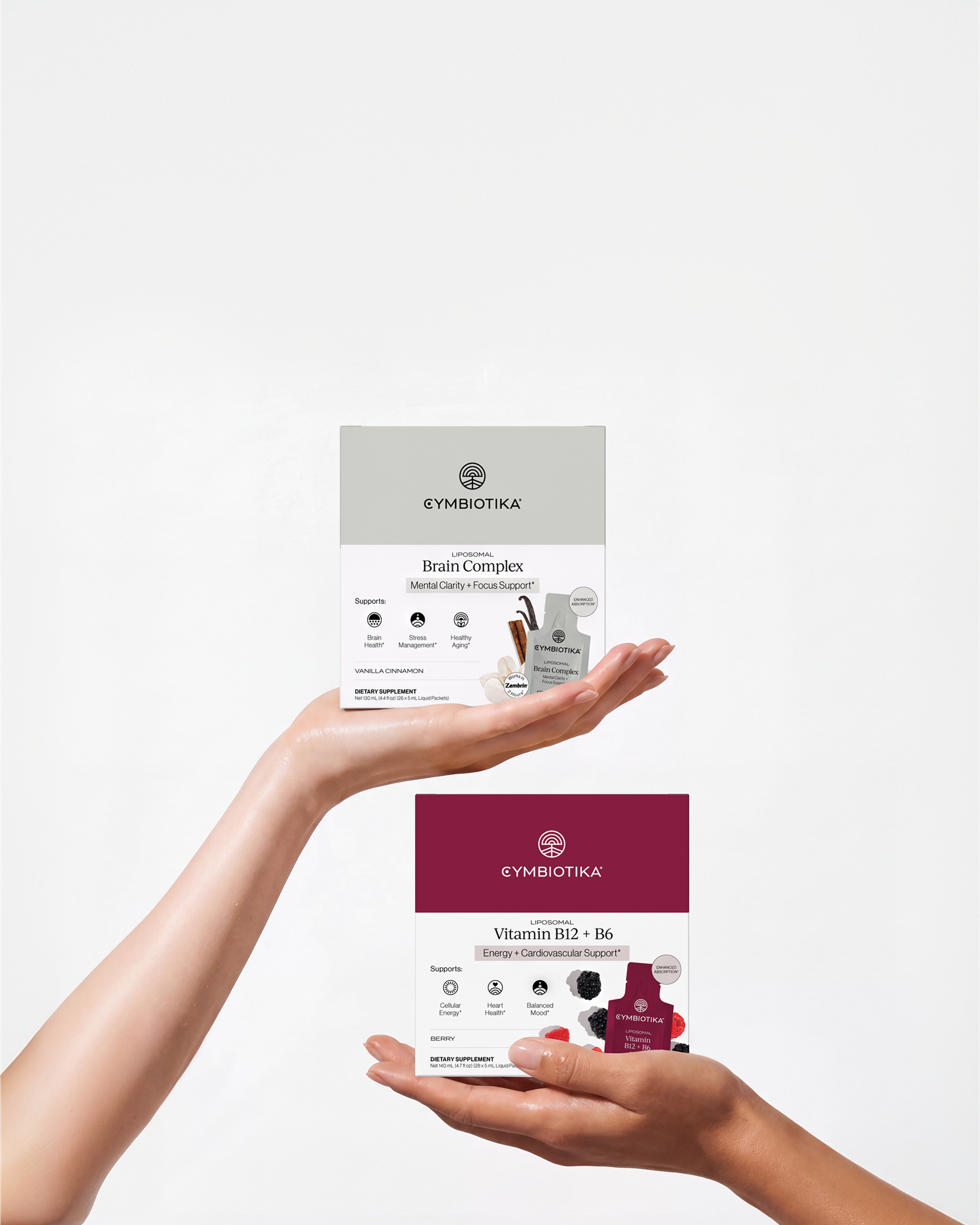
B vitamins, particularly B12 and B6, are essential for cellular energy and the formation of red blood cells. These cells carry oxygen and nutrients to the scalp. Our Liposomal Vitamin B12 + B6 is designed to support the nervous system and metabolic health, helping your body maintain its energy levels even during demanding times.

Minerals and Adaptogens

Trace minerals play a vital role in hair health. Shilajit is a natural substance found in high-altitude mountains that contains over 84 minerals and fulvic acid. Fulvic acid helps transport these minerals into the cells more efficiently. To explore the ingredient in more depth, our Shilajit Ingredients: A Complete Guide to Its Composition is a useful resource, alongside PĂźrblack Pure Mineral Shilajit Live Resin for those looking at the finished formula.

Magnesium for Nervous System Support

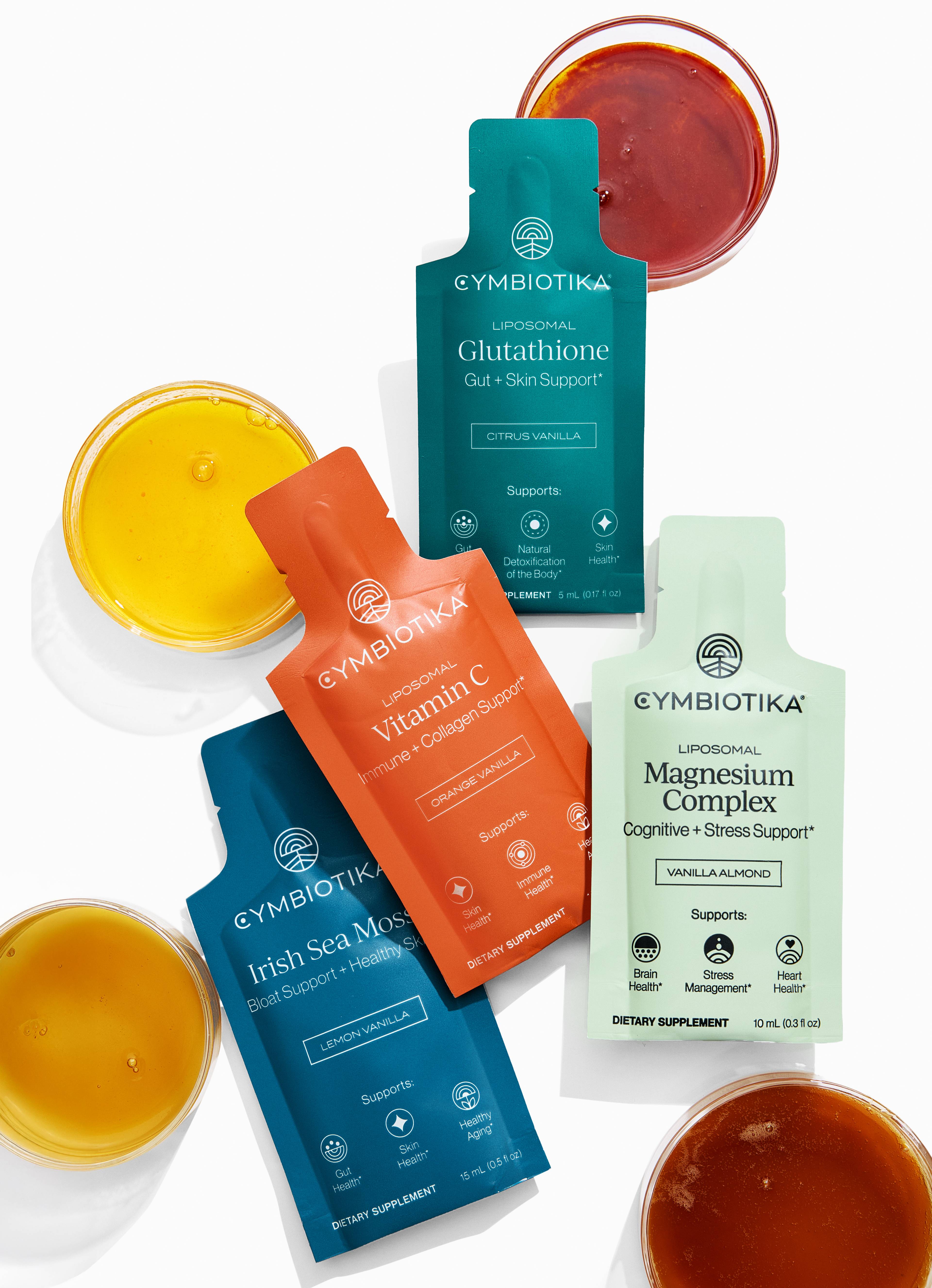
Magnesium is often one of the first minerals to be depleted during periods of high pressure. It is involved in over 300 biochemical reactions in the body, including those that regulate the stress response. By supporting a calm nervous system, Liposomal Magnesium Complex can help the body stay out of a chronic "fight or flight" state, which in turn protects the hair growth cycle.

Omega Fatty Acids

The health of your hair is directly tied to the health of your scalp. Omega-3 fatty acids are essential fats that support the structural integrity of cell membranes and help maintain a healthy inflammatory response. If you want to explore broader recovery support, the Healthy Aging & Recovery collection is a helpful next step for building out your routine.

Building a Routine for Hair Support

Recovery from stress-induced hair loss is a marathon, not a sprint. Because hair grows slowly, it often takes several months of consistency before you see visible changes. Building a sustainable routine is the most effective way to support your body's natural transition back to the growth phase.

Step 1: Focus on Bioavailable Nutrition
Prioritize supplements that the body can actually absorb. If you are taking standard capsules and not seeing results, the issue may be delivery rather than the ingredient itself.

Step 2: Support Your Stress Response
Incorporate daily habits that help lower cortisol. This could be as simple as five minutes of deep breathing, a daily walk, or ensuring you get adequate sleep. Supplements like magnesium can provide the chemical support your nervous system needs to find balance.

Step 3: Nourish the Follicles Directly
Look for formulations specifically designed for hair and skin health. If you are looking for a skin-supportive option to complement your routine, explore our How to Keep Skin Healthy and Glowing guide.

Step 4: Practice Patience
Hair recovery takes time. Most people will not see a change for at least 90 to 120 days. Consistency in your routine is more important than the intensity of any single action.

Bottom line: A successful hair recovery routine combines high-absorption nutrients with consistent lifestyle habits that lower the body's total stress load.

The Gut-Hair Axis

Recent research has highlighted the importance of the gut-hair axis. The health of your microbiome—the trillions of bacteria living in your digestive tract—influences how well you absorb nutrients and how your immune system responds to stress.

When the gut is out of balance, it can lead to low-level systemic inflammation. This inflammation can affect the hair follicles, potentially shortening the growth phase. Stress is known to disrupt the gut barrier, sometimes leading to a "leaky" gut environment.

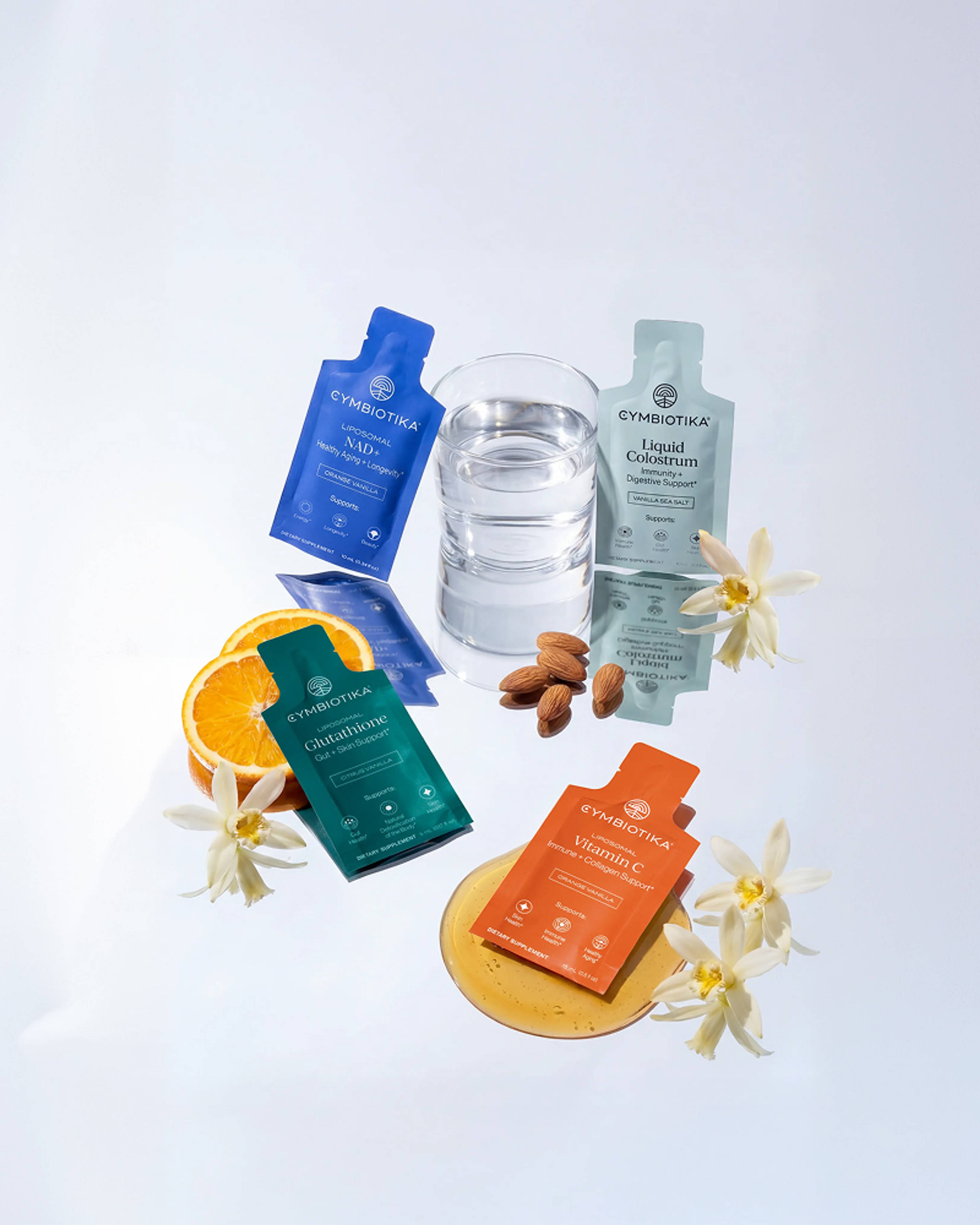
Supporting your digestion with a high-quality probiotic or using our Liquid Colostrum can help strengthen the gut lining and support immune health. By improving your gut health, you are indirectly supporting your hair by ensuring that the nutrients you consume actually make it into your system. For more ideas, explore the Gut Health collection.

Practical Steps to Manage Daily Stress

While you cannot always control the stressors in your life, you can control how your body responds to them. Managing the physiological impact of stress is a key component of stopping the cycle of hair thinning.

  • Prioritize Protein: Hair is primarily made of a protein called keratin. During stressful times, make sure you are consuming enough high-quality protein to provide the necessary amino acids.
  • Hydrate for the Scalp: Dehydration can make hair brittle and more prone to breakage. Aim for consistent hydration throughout the day.
  • Scalp Massage: Gently massaging the scalp can support blood flow to the follicles. This doesn't need to be complicated; a few minutes while washing your hair is sufficient.
  • Check Your Iron Levels: Stress-induced hair loss can sometimes be exacerbated by low iron levels. It may be helpful to have your ferritin levels checked by a healthcare provider.

The goal is to create an internal environment of safety. When the body feels safe and well-nourished, it can stop prioritizing survival and start investing in the "extra" things, like thick, healthy hair.

Identifying When to Seek Professional Advice

While stress is a common cause of hair thinning in women, it is not the only cause. It is important to rule out other factors if your hair loss is accompanied by other symptoms or if it occurs in specific patterns.

If you notice "patchy" hair loss (circular bald spots) or if the thinning is accompanied by significant scalp irritation, it is worth consulting a healthcare provider. Other factors like thyroid imbalances, iron deficiency, or hormonal changes (such as those during menopause or postpartum) can also contribute to hair loss.

A professional can help determine if your hair loss is truly telogen effluvium from stress or if there is an underlying medical concern that needs to be addressed. Wellness is about the big picture, and sometimes that includes professional clinical support alongside your daily routine. If you are unsure how to personalize your next step, the Health Quiz can help you identify where to start.

The Importance of Consistency

Many people start a new supplement or lifestyle routine and give up after three weeks because they don't see "new hair." It is vital to remember that the hair you see today was formed weeks or months ago beneath the surface of the scalp.

Consistency is the secret to wellness. When you provide your body with high-quality, bioavailable nutrients day after day, you are building a foundation. You are telling your body that it has a reliable source of support. Over time, this reliability allows the nervous system to relax and the hair follicles to return to their normal growth cycles.

Using tools like a daily supplement tray or setting a reminder on your phone can help make your routine automatic. When wellness becomes a habit, it becomes much easier to maintain, even when life gets stressful again.

Conclusion

Hair loss in women due to stress is a complex but common experience. It serves as a reminder that our bodies are deeply interconnected—our mental and emotional states have a direct impact on our physical biology. By understanding the hair growth cycle and the role of cortisol, you can move away from frustration and toward a proactive plan for recovery.

At Cymbiotika, our mission is to provide you with the most advanced, transparent, and bioavailable tools to support your health journey. We believe in formulations that work with your body's natural processes, not against them. Whether it is through our liposomal vitamins or our mineral-rich complexes, our goal is to empower you to take control of your well-being.

If you are unsure where to start your journey back to balance, we recommend taking our Health Quiz. It is designed to help you identify which areas of your routine need the most support based on your unique lifestyle and goals.

"True wellness is built on the foundation of trust—trust in the quality of your nutrients and trust in your body's ability to heal when given the right tools."

FAQ

Can stress-induced hair loss be reversed?

In most cases, yes, stress-induced hair loss like telogen effluvium is temporary. Once the stressor is managed and the body is supported with proper nutrition, the hair follicles usually return to the growth phase within six to nine months.

How long after a stressful event does hair start to fall out?

There is typically a delay of two to four months between a significant stressor and the onset of shedding. This is because it takes time for the hair follicles to move through the resting phase before the hair actually detaches from the scalp.

What are the best nutrients for supporting hair during stress?

B vitamins (like B12 and B6), Magnesium, and Omega-3 fatty acids are excellent for supporting the body's stress response. Additionally, minerals like zinc and those found in Shilajit, along with collagen-supporting antioxidants, provide the raw materials needed for hair structure.

How does cortisol affect the hair growth cycle?

High levels of cortisol can signal hair follicles to enter the resting phase prematurely. It can also lead to the breakdown of essential molecules like proteoglycans in the scalp, which are necessary for maintaining healthy follicle function and stability.

*These statements have not been evaluated by the Food and Drug Administration. This product is not intended to diagnose, treat, cure, or prevent any disease.

Subscribers get it all

Subscribe today and unlock access to Arise, the ultimate wellness experience.

SAVE BIG

Get over 40% off + FREE shipping on all recurring orders.

FUN FREEBIES

Get free gifts, swag, perks, and more

SAVE BIG

Feel energized & strong with a routine that works!

by / Aug 18, 2026

Back to cart

CONGRATS

Choose Your Free Gift

Thanks for spending $110. Choose one of the starter packs below

Are you sure?
We'll remind you before your next
Golden Mind order processes.
We'll remind you before your next
Topical Magnesium order processes.
Are you sure?
Removing will also remove the exclusive discounted item added to your cart.

You're away from a FREE gift!

Add any of the products below to unlock your free gift.

    You've unlocked a FREE gift!

    Thanks for spending $110. Choose one of the three starter kits below.

    Subscribe & Save

    Trusted by 60k+ subscribers

    FOR YOU
    One FREE Month of Golden Mind!
    You've unlocked one FREE month of Golden Mind! Your subscription will renew automatically every 30 days, and we'll remind you before your order processes.
    Cancel anytime in your portal.
    FOR YOU
    One FREE Month of Topical Magnesium Oil!
    You've unlocked one FREE month of Topical Magnesium Oil! Your subscription will renew automatically every 30 days, and we'll remind you before your order processes.
    Cancel anytime in your portal.
    Your Cart ( items)

    in savings and perks unlocked with your order!

    Free shipping sitewide.

    A Free 12-Pack, Just for You

    Spend $110 and get a free gift

    More subscriptions, more savings

    1

    30% off

    2

    34% off

    3

    38% off

    4

    40% off

    5

    40% off

    Want to save? Add a subscription to get 30% off on it!

    Add items to your cart

    Browse our products and add items to start your order.

    You may also like. . .
    You may also like
    60-Day money back guarantee*