Table of Contents
- Introduction
- The Botanical Power of Rosemary
- How Inhalation Supports the Stress Response
- Topical Application for Focused Relaxation
- Bioavailability and the Quality of Your Oil
- Incorporating Rosemary into Your Bath Routine
- Building a Rosemary Ritual
- Supporting the Nervous System from Within
- Safety Precautions and Best Practices
- Choosing the Right Delivery Method
- Why Quality Matters in Every Step
- Maximizing the Effects of Rosemary Oil
- Creating a Sustainable Wellness Routine
- Conclusion
- FAQ
Introduction
Life often moves at a pace that feels difficult to sustain. Between a demanding work schedule and personal responsibilities, your nervous system can end up in a state of constant high alert. Finding simple, natural tools to help signal to your body that it is safe to relax is essential for long-term well-being. Rosemary oil has been used for centuries as a traditional botanical to support mental clarity and a sense of calm.
At Cymbiotika, we focus on how high-quality ingredients interact with your body’s natural systems. This article explores the various ways to incorporate rosemary oil into your daily routine, from aromatic diffusion to topical application. We also discuss the importance of ingredient purity and how sensory rituals can complement a broader wellness strategy, alongside a deeper look at our Liposomal Delivery approach. Understanding how to use rosemary oil for stress allows you to create a personalized environment of tranquility whenever you need it most.
The Botanical Power of Rosemary
Rosemary, or Salvia rosmarinus, is more than just a kitchen staple. It is a potent aromatic herb rich in volatile compounds. When the leaves are steam-distilled, they produce a concentrated essential oil. This oil contains specific phytochemicals like eucalyptol (1,8-cineole), alpha-pinene, and camphor.
These compounds are responsible for the herb's invigorating and clarifying scent. When you inhale these molecules, they interact with the olfactory system. This system is directly linked to the parts of the brain that govern emotions and the stress response. Unlike synthetic fragrances, pure rosemary oil offers a complex profile of natural elements that may support a more balanced state of mind.
Key Takeaway: Rosemary oil contains natural compounds like eucalyptol that interact with the brain's emotional centers to help shift the body from a stressed state to one of greater focus and calm.
How Inhalation Supports the Stress Response
The most common way to use rosemary oil for stress is through inhalation. When you breathe in the aroma, the molecules travel through the nasal cavity to the olfactory bulb. From there, signals are sent to the limbic system. This is the area of the brain involved in processing memories and emotions.
Many people find that the scent of rosemary helps "ground" them during a hectic day. It acts as a sensory anchor. By focusing on the scent, you can momentarily detach from overwhelming thoughts. This practice can help lower the physical markers of a high-stress state, such as a racing heart or shallow breathing.
Using a Diffuser
An ultrasonic diffuser is one of the easiest ways to enjoy rosemary oil throughout the day. These devices use water and ultrasonic vibrations to disperse a fine mist of essential oil into the air.
- Fill your diffuser with clean, room-temperature water to the fill line.
- Add 5 to 8 drops of pure rosemary essential oil.
- Turn the device on for 30 to 60 minutes.
- Take slow, deep breaths to fully engage with the aroma.
Running a diffuser in your workspace can be particularly helpful. It may support mental clarity while preventing the afternoon "brain fog" that often accompanies high-pressure tasks. For readers building a broader daytime routine, our Energy Supplements collection can be a helpful next stop.
The Cotton Ball Method
If you do not have a diffuser, or if you are in a shared space where you cannot scent the entire room, try the cotton ball method. Simply place two drops of rosemary oil on a clean cotton ball. Place it on your desk or near your pillow. As the oil evaporates, you will receive a gentle, localized dose of the scent.
Direct Inhalation
For immediate support, you can inhale the oil directly from the bottle. Hold the open bottle a few inches below your nose and take three deep breaths. This is a practical solution for travel or high-stress moments like public speaking or difficult meetings.
Quick Answer: To use rosemary oil for stress, the most effective methods are aromatic diffusion, direct inhalation, or diluting it with a carrier oil for topical massage on the temples and wrists. These methods allow the active compounds to reach the brain's emotional centers quickly.
Topical Application for Focused Relaxation
Applying rosemary oil to the skin is another effective strategy. However, essential oils are highly concentrated and can cause irritation if used undiluted. You should always use a carrier oil. Popular choices include jojoba oil, fractionated coconut oil, or sweet almond oil.
Creating a Stress-Relief Roller
A roller bottle is a convenient way to keep a pre-diluted blend in your bag or pocket.
- Step 1: Select a 10ml glass roller bottle.
- Step 2: Add 5 to 6 drops of pure rosemary essential oil.
- Step 3: Fill the rest of the bottle with a carrier oil like jojoba.
- Step 4: Secure the roller top and shake gently to mix.
Apply this blend to your "pulse points." These are areas where blood vessels are close to the skin, such as the insides of your wrists, your temples, and the back of your neck. The warmth of your body helps release the scent, providing a continuous aromatic experience.
Rosemary Oil Massage
A gentle massage can amplify the effects of rosemary oil. Stress often manifests as physical tension in the shoulders, neck, and jaw. Mixing rosemary oil into a massage base can help soothe these tired muscles.
Note: If you have sensitive skin, perform a patch test first. Apply a small amount of the diluted oil to your inner forearm and wait 24 hours to ensure no redness or irritation occurs.
Myth: Essential oils are more effective when applied "neat" (undiluted) directly to the skin. Fact: Diluting essential oils in a carrier oil actually supports better absorption and prevents the oil from evaporating too quickly, while also protecting your skin from irritation.
Bioavailability and the Quality of Your Oil
When we talk about supplements at Cymbiotika, we always emphasize bioavailability. This refers to how well your body can actually absorb and use a substance. The same principle applies to essential oils.
If an oil is diluted with synthetic fillers or "fragrance oils," your body is not receiving the beneficial plant compounds. Low-quality oils may even contain pesticides or heavy metals from poor farming practices. To ensure you are getting the most out of your rosemary oil, look for these quality markers:
- GC/MS Testing: This stands for Gas Chromatography-Mass Spectrometry. It is a lab test that proves the oil's purity and chemical makeup.
- Sourcing: Look for oils that are wild-crafted or organic.
- Packaging: Essential oils should always be stored in dark amber or cobalt blue glass bottles to protect them from light degradation.
The way an oil is delivered to your system matters. Whether through the lungs or the skin, purity is the foundation of efficacy. Using a high-quality oil ensures that the eucalyptol and other terpenes can effectively reach your system. If you want to explore how this thinking carries into supplement form, our Liposomal Vitamin B12 + B6 is a relevant example.
Incorporating Rosemary into Your Bath Routine
Hydrotherapy—using water for wellness—is a powerful tool for managing daily tension. Adding rosemary oil to a warm bath can create a spa-like environment at home.
Important: Do not drop essential oils directly into bathwater. Because oil and water do not mix, the concentrated oil will float on top and could come into direct contact with sensitive skin.
Instead, mix 5 drops of rosemary oil with a tablespoon of carrier oil or a handful of Epsom salts first. The Epsom salts provide magnesium, which further supports muscle relaxation. Once the salts are dissolved, the rosemary scent will rise with the steam, allowing you to benefit from both inhalation and topical contact. For a related nighttime support option, the Sleep Supplements collection offers a broader evening routine.
Building a Rosemary Ritual
Consistency is key to managing the body's stress response. Rather than waiting until you are completely overwhelmed, try building rosemary into your daily transitions.
The Morning Anchor
Start your day by diffusing rosemary oil for 15 minutes while you get ready. This can help "wake up" the brain and set a focused tone for the morning. Many people find the scent more invigorating than a second cup of coffee.
The After-Work Shift
Use a rosemary roller on your wrists as soon as you finish your workday. This acts as a sensory signal to your brain that the "productive" phase of the day is over and the "recovery" phase has begun. A product like Topical Magnesium Oil Spray can fit naturally into that same wind-down ritual.
The Evening Wind-Down
While rosemary is often considered an "alert" oil, it can still play a role in evening relaxation by clearing mental clutter. Combine it with a grounding oil like frankincense or lavender in your diffuser an hour before bed to help settle a busy mind. If you prefer a more complete nighttime supplement path, the Liposomal Sleep Complex is another option to explore.
Bottom line: Using rosemary oil as a consistent sensory cue helps your nervous system recognize when it is time to transition between focus and relaxation.
Supporting the Nervous System from Within
While topical and aromatic tools are helpful, true resilience to stress often requires internal support. Essential oils work on the sensory level, but your cells need specific nutrients to maintain a healthy stress response.
For example, magnesium is a critical mineral for the nervous system. Many people are deficient in magnesium, which can lead to increased feelings of tension and poor sleep. We offer a Magnesium Complex designed for high bioavailability. While rosemary oil provides the external scent of calm, magnesium supports the internal pathways that allow your muscles and mind to rest.
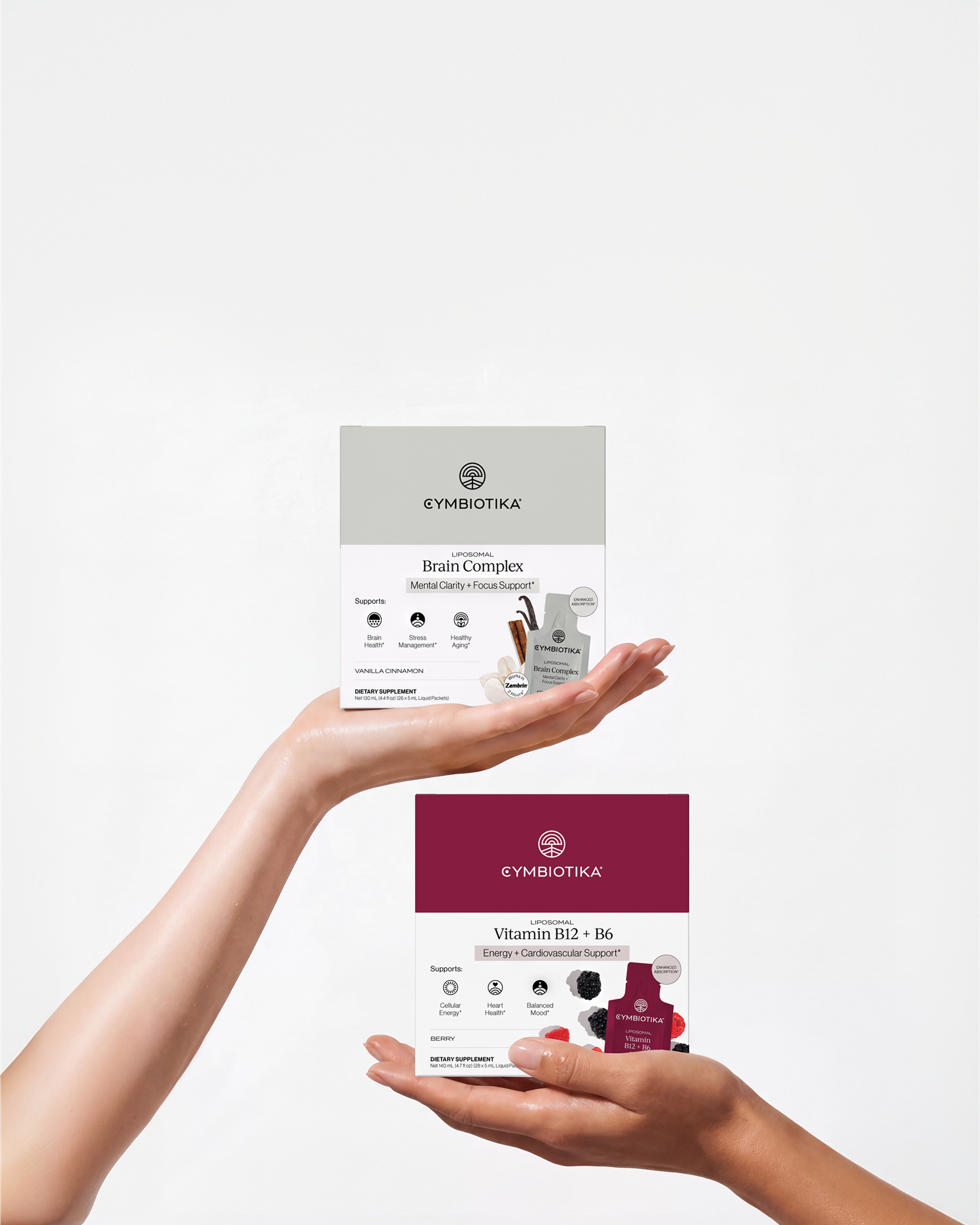
Similarly, our Liposomal Vitamin B12 + B6 can support energy metabolism. When your energy levels are stable, you are less likely to feel the "crash" that makes daily stressors feel much heavier. Combining the sensory benefits of rosemary with science-backed supplementation creates a multi-layered approach to wellness.
Safety Precautions and Best Practices
While rosemary oil is generally safe for most adults when used correctly, there are a few guidelines to follow:
- Pregnancy and Nursing: Always consult your healthcare provider before using essential oils if you are pregnant or breastfeeding.
- Children: Rosemary oil can be quite strong. It is generally recommended to avoid using it on or around very young children, especially near their faces.
- Internal Use: We do not recommend ingesting essential oils unless under the direct supervision of a qualified clinical aromatherapist or healthcare provider.
- Medical Context: If you have a history of seizures or high blood pressure, talk to a professional before using rosemary oil regularly, as some of its compounds are highly stimulating.
Choosing the Right Delivery Method
The "best" way to use rosemary oil depends on your environment and your immediate goal.
| Method | Best For | Benefit |
|---|---|---|
| Diffusion | Home or office environments | Continuous, gentle support for the whole room. |
| Roller Bottle | On-the-go use | Targeted application and personal scent bubble. |
| Direct Inhalation | Acute moments of stress | Rapid response through the olfactory system. |
| Bath Soak | Evening recovery | Combines aromatic benefits with physical muscle relaxation. |
Why Quality Matters in Every Step
In the wellness industry, transparency is often lacking. Many brands use synthetic scents because they are cheaper and more consistent in smell. However, these lack the biological complexity of a true plant extract.
Our philosophy is built on the idea that your body deserves the highest possible standard of care. This means no hidden ingredients and no unnecessary fillers. When you use a tool like rosemary oil, you want to know that the plant was grown in healthy soil and processed with integrity. This commitment to quality ensures that your wellness routine actually serves your health goals.
Maximizing the Effects of Rosemary Oil
To get the most out of your rosemary ritual, try pairing it with mindful breathing techniques. When you inhale the oil, practice "box breathing":
- Inhale for 4 seconds.
- Hold for 4 seconds.
- Exhale for 4 seconds.
- Hold for 4 seconds.
The combination of the rosemary aroma and the rhythmic breathing helps stimulate the vagus nerve. This nerve is a major component of the parasympathetic nervous system, which is responsible for the "rest and digest" state. By consciously engaging this system, you can more effectively lower your stress levels.
Creating a Sustainable Wellness Routine
Managing stress is not a one-time event; it is a daily practice. Rosemary oil is a wonderful addition to your toolkit, but it works best when part of a larger lifestyle. This includes:
- Hydration: Proper fluid intake is necessary for brain function and cellular health.
- Movement: Even a short walk can help process the cortisol that builds up during a stressful day.
- Nutrition: Eating whole foods provides the building blocks for the hormones and neurotransmitters that regulate your mood.
- Personalized Support: Everyone's body is different. What works for a friend might not be exactly what you need.
Using a holistic approach allows you to address stress from multiple angles. You are not just masking the feeling of being overwhelmed; you are building a foundation of resilience. If you want help choosing a supplement path that fits your routine, the Health Quiz is a natural next step.
Conclusion
Rosemary oil is a versatile and powerful natural resource for anyone looking to navigate the pressures of modern life. By understanding how to use it—whether through a diffuser, a topical roller, or a relaxing bath—you can create immediate shifts in your mental and emotional state. Remember that the quality of the oil and the consistency of your practice are the two most important factors in seeing results.
Our mission is to empower you with the tools and knowledge needed to take control of your health. We believe that when you combine traditional wisdom with modern science and high-purity formulations, you can achieve a level of wellness that feels both sustainable and authentic. Building a routine you can trust is the first step toward a more balanced life.
- Consistency: Use rosemary oil daily to train your brain to recognize it as a signal for calm.
- Purity: Always choose high-quality, tested essential oils and bioavailable supplements.
- Personalization: Listen to your body and adjust your methods based on what makes you feel best.
FAQ
Can I apply rosemary oil directly to my skin for stress?
It is best to avoid applying undiluted rosemary oil directly to the skin, as it can cause irritation or sensitivity. Instead, mix a few drops with a carrier oil like jojoba or coconut oil before applying it to your wrists or temples. This dilution also helps the oil absorb more effectively into the skin rather than evaporating quickly.
Is it safe to diffuse rosemary oil every day?
Yes, diffusing rosemary oil daily is generally safe for most healthy adults. For the best experience, we recommend diffusing in well-ventilated areas for 30 to 60 minutes at a time. This allows you to enjoy the aromatic benefits without over-sensitizing your olfactory system.
Does rosemary oil help with sleep if I am stressed?
While rosemary is often known for its clarifying and slightly energizing scent, it can help with sleep by reducing the mental chatter that keeps you awake. Many people find that using it earlier in the evening helps them "clear their head" so they can transition into a more relaxed state. If you find it too stimulating, try blending it with a calming oil like lavender or pairing your routine with the Recovery Supplements collection.
How many drops of rosemary oil should I use in a diffuser?
For a standard-sized room, 5 to 8 drops of pure rosemary essential oil is usually sufficient. If you are using a smaller diffuser or are in a compact space, you may want to start with 3 to 4 drops. Always follow the specific instructions for your diffuser model to ensure proper performance.
*These statements have not been evaluated by the Food and Drug Administration. This product is not intended to diagnose, treat, cure, or prevent any disease.