Table of Contents
- Introduction
- Understanding Wild Thing (Camatkarasana)
- Physical Requirements and Preparation
- How to Do Wild Thing Yoga Pose: Step-by-Step
- Alignment Tips for a Safer Practice
- Supporting Your Physical Practice with Nutrition
- Common Mistakes to Avoid
- Modifications and Variations
- Building a Consistent Routine
- Conclusion
- FAQ
Introduction
Wild Thing, or Camatkarasana, is one of those yoga poses that feels as good as it looks. It is a graceful blend of a backbend, a balance, and a heart-opener that invites a sense of freedom into your practice. While it often appears in fast-paced vinyasa flows, mastering the pose requires a deep understanding of alignment and physical stability to ensure the body is supported from the ground up.
At Cymbiotika, we believe that a truly vibrant lifestyle is built on a foundation of both movement and mindful nutrition. This guide will walk you through the mechanics of Wild Thing, from the initial setup to the full expression of the pose. We will also explore how supporting your body’s recovery and joint health can help you progress in your yoga journey through resources such as the Recovery collection.
By the end of this article, you will have a clear roadmap for safely entering and exiting the pose while understanding the physical requirements needed to hold it with ease.
Understanding Wild Thing (Camatkarasana)
The Sanskrit name Camatkarasana translates roughly to "the ecstatic unfolding of the enraptured heart." It is a modern yoga posture that combines elements of Side Plank (Vasisthasana) and Upward-Facing Bow (Urdhva Dhanurasana). Because it involves a significant amount of spinal extension and shoulder weight-bearing, it is often classified as an intermediate pose.
Wild Thing is a multi-planar movement that challenges your balance and strength. It requires the strength of the back body to lift the hips, the flexibility of the front body to open the chest, and the stability of the shoulder girdle to support the weight of the torso. When performed with proper alignment, it may support improved posture and a greater sense of physical openness.
Many people find that Wild Thing offers a unique emotional release. As a deep heart-opener, it encourages you to expand through the chest and throat, areas where many of us hold tension from daily stress or desk work. However, before reaching that "ecstatic" state, you must focus on the structural integrity of the pose to avoid unnecessary strain on the wrists and shoulders.
Physical Requirements and Preparation
You should never jump into Wild Thing without a proper warm-up. Your body needs to be "awake" in specific areas—specifically the shoulders, hips, and spine—to handle the transition into a backbend while balancing on one arm. If your muscles are cold, you risk overextending the connective tissues in the shoulder joint or lower back.
Shoulder Stability and Mobility
The supporting arm in Wild Thing bears a significant amount of weight. You must be able to keep the shoulder blade hugging the back to prevent the joint from collapsing. Warm up with several rounds of Sun Salutations, focusing on Chaturanga and Downward-Facing Dog to activate the serratus anterior and the rotator cuff muscles.
Hip Flexor and Quadriceps Opening
Since Wild Thing involves a "kickstand" leg that supports the arch of the back, your hip flexors need to be lengthened. Poses like Low Lunge (Anjaneyasana) and Lizard Pose help prepare the psoas and quads for the extension required in the full expression of the pose.
Spinal Extension
A healthy backbend comes from the upper and middle back (the thoracic spine) rather than just "crunching" into the lower back (the lumbar spine). Gentle backbends like Cobra or Sphinx pose are excellent for waking up the spinal extensors. These preparations ensure that when you lift into Wild Thing, the curve is distributed evenly throughout your spine.
Key Takeaway: Wild Thing is an integrated movement that requires active engagement from the feet to the fingertips; a thorough warm-up of the shoulders and hips is essential for a safe practice.
How to Do Wild Thing Yoga Pose: Step-by-Step
There are two primary ways to enter Wild Thing: from Downward-Facing Dog or from Side Plank. The Downward Dog entry is often preferred in vinyasa classes as it allows for a more fluid, circular transition.
Step 1: Start in Three-Legged Dog
Begin in a standard Downward-Facing Dog, ensuring your hands are shoulder-width apart and your fingers are spread wide. Lift your right leg high into the air, keeping your hips square at first. Then, bend your right knee and "stack" your right hip over your left hip, opening your pelvis to the right side of the room. This is often called "opening the fire hydrant."
Step 2: The Transition (The "Flip")
Slowly begin to shift your weight forward into your left hand, almost as if you are moving toward a Side Plank. As you do this, continue to let the weight of your bent right leg pull you over. Stay light on the toes of your right foot. You will pivot on the ball of your left foot so that your toes point toward the back or side of the mat.
Step 3: Landing the Foot
Lightly land the ball of your right foot on the floor behind your left leg. This right leg acts as your "kickstand." Keep the right knee bent and the heel lifted. Your left leg should remain straight and strong, with the outer edge or the full sole of the left foot grounded firmly on the mat.
Step 4: Lifting the Heart
Press down firmly through your left hand and both feet to lift your hips toward the ceiling. This upward drive is what creates the "backbend" shape. As your hips rise, sweep your right arm up and overhead, reaching toward the front of the room. Let your head follow the line of your spine, looking back toward your right hand or up at the ceiling.
Step 5: The Exit
To come out of the pose, look down at your mat to find your landing spot. Engage your core and slowly pivot back onto the ball of your left foot as you lift your right foot off the floor. Return your right hand to the mat and find your way back into a Three-Legged Dog or a standard Downward-Facing Dog. Repeat on the other side to maintain balance in the body.
Alignment Tips for a Safer Practice
Proper alignment in Wild Thing is the difference between feeling light and expansive versus feeling heavy and strained. Small adjustments in how you distribute your weight can significantly change the experience of the pose.
- Ground through the base of the thumb: In your supporting hand, avoid dumping all your weight into the outer wrist. Press into the finger pads and the "L" shape between your thumb and index finger to protect the carpal tunnel.
- External rotation of the supporting arm: Think about turning the eye of your elbow slightly forward. This engages the triceps and stabilizes the shoulder socket.
- Engage the glutes: While you don't want to over-squeeze, a gentle engagement of the glutes helps support the lift of the pelvis and protects the lower back.
- Reach through the side body: Don't just let the top arm dangle. Reach actively through your fingertips to create a long line of energy from your foot to your hand.
Quick Answer: To do Wild Thing, start in Three-Legged Dog, flip your hips over while pivoting on your grounded foot, and land the lifted foot behind you. Press through your supporting hand to lift your chest and hips toward the sky while reaching the top arm overhead.
Supporting Your Physical Practice with Nutrition
Yoga is a physical discipline that places unique demands on the joints and nervous system. To sustain a practice that includes challenging poses like Wild Thing, your body requires high-quality nutrients for repair and resilience. This is where the concept of bioavailability becomes critical. For more on this topic, explore this guide to bioavailability and recovery.
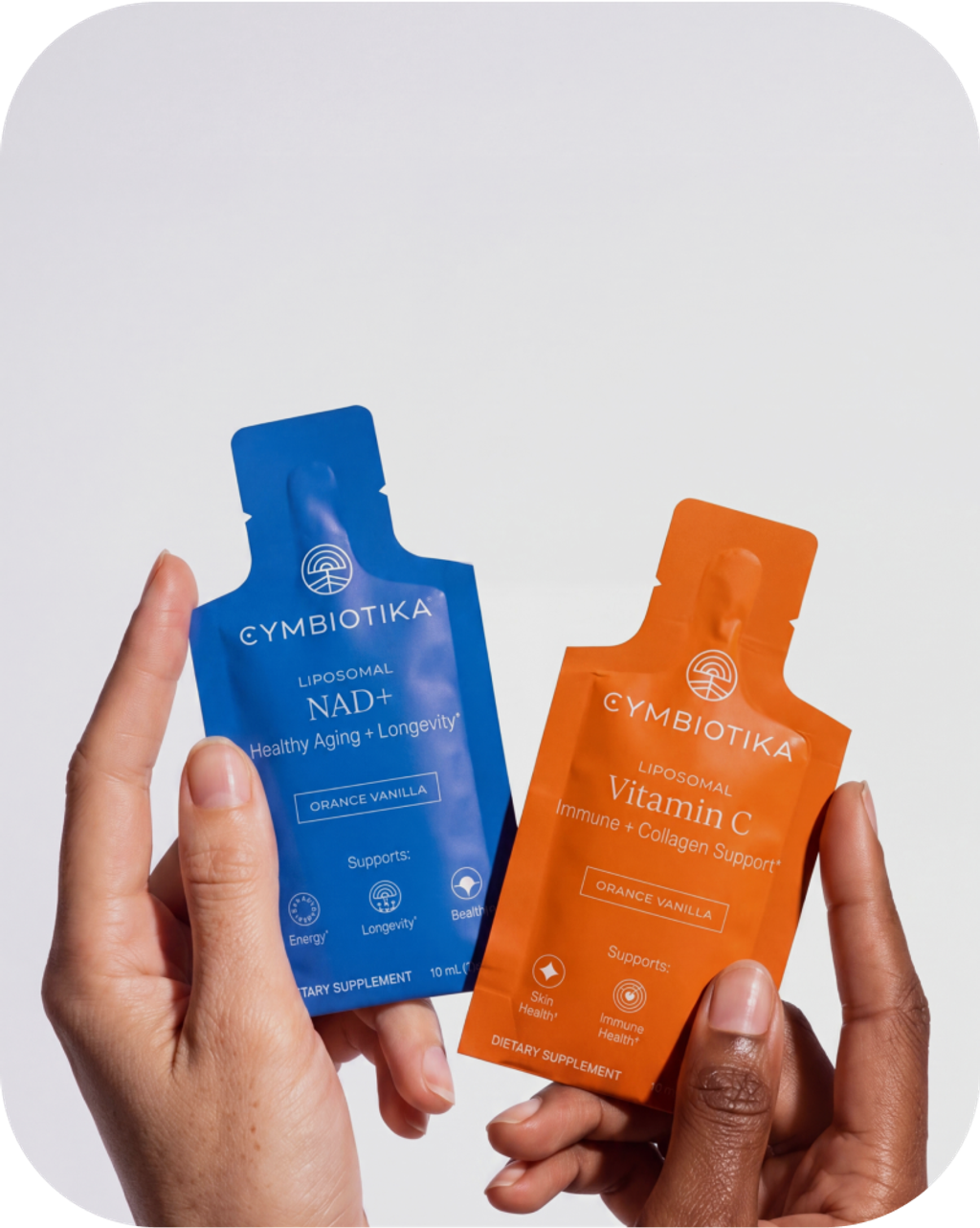
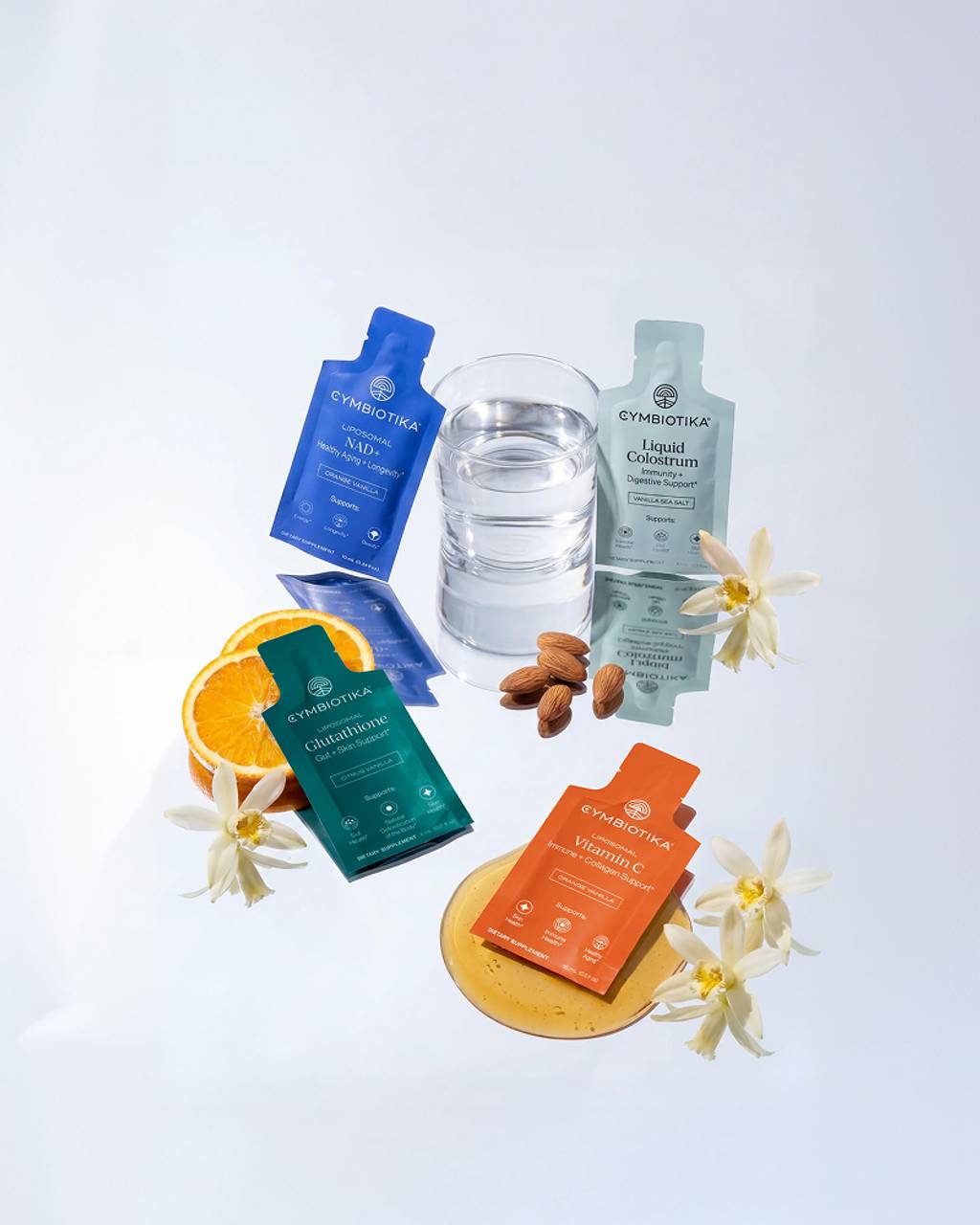
Many standard supplements use synthetic fillers or forms of nutrients that the body struggles to recognize and absorb. When we design our formulas, we prioritize delivery systems that ensure the nutrients actually reach your cells. For example, our Liposomal Vitamin C is designed with a phospholipid bilayer—a protective shell that mimics your own cell membranes—to help the vitamin bypass the harsh environment of the digestive tract. This supports collagen production, which is vital for the health of the tendons and ligaments you use in every yoga session.
Joint and Muscle Support
Weight-bearing poses require strong connective tissue and efficient muscle recovery. Many practitioners find that adding specific nutrients to their routine may support their flexibility and comfort:
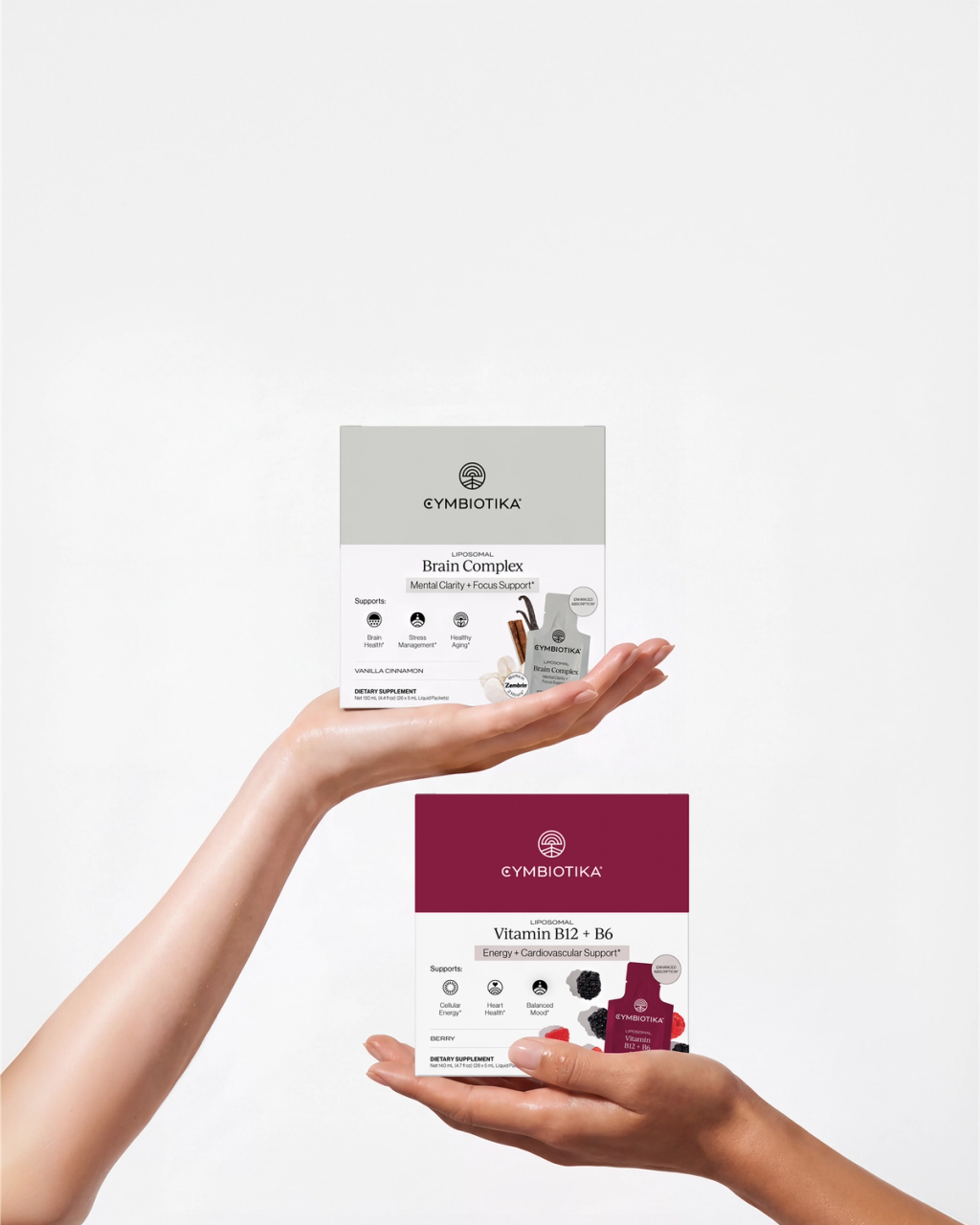
- Omega-3 Fatty Acids: These are essential for maintaining joint lubrication and supporting a healthy inflammatory response. Our The Omega formula provides high-potency DHA and EPA to support brain and joint health.
- Magnesium: This mineral is a must-have for any active individual. It helps the muscles relax after the intense contraction required for balancing poses and supports a calm nervous system. Learn more in this magnesium and muscle recovery guide.
- Molecular Hydrogen: This may help neutralize oxidative stress caused by physical exertion, supporting faster recovery between your sessions on the mat. Explore Molecular Hydrogen for more information about the formula.
Myth: All supplements are absorbed the same way by the body.
Fact: Most traditional tablets have low bioavailability, meaning much of the nutrient content is wasted; liposomal and liquid formats are designed to support significantly higher absorption rates.
Common Mistakes to Avoid
Even experienced practitioners can fall into habits that lead to discomfort over time. Being mindful of these common pitfalls will help you keep your Wild Thing practice sustainable and injury-free.
Collapsing into the supporting shoulder is perhaps the most frequent error. When the shoulder "bunches" up toward the ear, it puts excessive pressure on the rotator cuff. Always focus on "pushing the floor away" to create space between your ear and your shoulder.
Another common mistake is "dumping" into the lower back. If you feel a pinching sensation in your lumbar spine, you are likely over-arching without enough core engagement. Focus more on lifting the chest and sternum (thoracic extension) rather than just pushing the hips up.
Forgetting to breathe is a subtle but impactful mistake. Because Wild Thing is an intense pose, many students hold their breath. This creates tension in the nervous system. Aim for smooth, steady inhalations and exhalations through the nose to signal to your body that it is safe to open up.
Modifications and Variations
If the full expression of Wild Thing feels out of reach, there are several ways to modify the movement while still gaining the benefits. Yoga is about meeting your body where it is today, not forcing a shape that causes pain.
Modified Wild Thing (Kneeling)
You can practice the heart-opening aspect of the pose from a kneeling position. Start on all fours, extend one leg back, and then pivot the opposite shin so it acts as a kickstand. Reach the arm overhead and lift the chest. This removes the weight-bearing challenge from the feet and places less strain on the supporting shoulder.
Side Plank Variation
If the "flip" into a backbend feels too unstable, you can practice a modified Side Plank. Keep your bottom knee on the floor for support, or stack your feet. This helps build the foundational shoulder strength needed for the full transition into Camatkarasana later on.
Using a Wall
Practicing Wild Thing near a wall can provide a sense of security. You can place the "kickstand" foot against the wall or even use the wall to help support the top hand as you explore the backbend. This allows you to focus on alignment without the fear of losing your balance.
| Modification | Best For | Focus Area |
|---|---|---|
| Kneeling Variation | Beginners | Shoulder stability & mild backbending |
| Side Plank | Building Strength | Core and shoulder endurance |
| Wall Support | Balance Issues | Safe spinal extension |
| Forearm Wild Thing | Wrist Sensitivity | Protecting the wrist joint |
Building a Consistent Routine
Consistency in movement and nutrition is what leads to long-term wellness. You cannot expect to master a complex pose like Wild Thing in a single session. Similarly, the benefits of high-quality supplementation are cumulative. Taking our Magnesium Complex once might help you sleep better tonight, but taking it consistently helps support muscle function and nervous system health.
- Start with 5–10 minutes of mobility work daily. Focus on neck, shoulder, and wrist rolls to maintain joint health.
- Incorporate "The Health Quiz" on our website. This tool is designed to help you identify which nutrients your specific lifestyle and goals require, taking the guesswork out of your routine.
- Practice transitions, not just poses. Spend time moving slowly between Downward Dog and Side Plank to build the "muscle memory" needed for the Wild Thing flip.
- Prioritize recovery. Use topical magnesium or a warm bath after your practice to soothe the tissues and prepare for your next session.
Key Takeaway: Progress in yoga is a gradual process that is heavily influenced by how you support your body off the mat through rest, hydration, and bioavailable nutrition.
Conclusion
Mastering how to do Wild Thing yoga pose is a journey of discovering your own strength and openness. It is a posture that rewards patience, proper alignment, and a strong physical foundation. By focusing on shoulder stability, spinal mobility, and the "kickstand" support of your legs, you can safely enjoy the expansive feeling this pose offers.
We at Cymbiotika are dedicated to helping you power these physical milestones with the cleanest, most effective nutritional tools available. Whether it is through supporting your joints with our Omega-3s or aiding muscle recovery with our Magnesium Complex, we believe that transparency and bioavailability are the keys to a routine you can trust.
Bottom line: Wild Thing is a powerful heart-opener that requires careful alignment; pairing your practice with science-backed nutrition ensures your body has the resources it needs to stay strong and flexible.
To discover the best supplement routine for your unique activity level and wellness goals, we invite you to take the Cymbiotika Health Quiz. It is a simple, personalized way to start building a foundation for a more vibrant, "ecstatic" life—on and off the mat.
FAQ
Is Wild Thing a beginner-friendly yoga pose?
Wild Thing is generally considered an intermediate pose because it requires significant shoulder strength, balance, and spinal flexibility. Beginners can practice modified versions, such as the kneeling variation, to safely build the necessary strength before attempting the full "flip" from Downward-Facing Dog.
How can I prevent wrist pain while doing Wild Thing?
To protect your wrists, ensure you are pressing firmly into the finger pads and the knuckles of your supporting hand rather than dumping all your weight into the heel of the palm. Additionally, focusing on the external rotation of the shoulder and engaging the triceps helps distribute the weight more evenly throughout the entire arm.
What are the main benefits of practicing Camatkarasana?
Wild Thing is an excellent "all-in-one" pose that strengthens the shoulders and upper back while stretching the hip flexors and chest. Many practitioners also enjoy it for the sense of emotional freedom and energy it provides as a deep heart-opening backbend.
Why do I feel unstable when flipping my dog into Wild Thing?
Instability usually comes from a lack of core engagement or a misplaced "kickstand" foot. Make sure you pivot fully on your grounded foot and land the ball of your lifted foot firmly on the floor to create a stable tripod base between your hand and your two feet.
*These statements have not been evaluated by the Food and Drug Administration. This product is not intended to diagnose, treat, cure, or prevent any disease.