Table of Contents
- Introduction
- The Science of the Mind-Skin Connection
- How Stress Hormones Impact Your Complexion
- Does Meditation Help Clear Skin?
- Bioavailability: Why Internal Support Matters
- Practical Steps to Start Meditating for Better Skin
- The Role of Lifestyle Synergy
- Meditation and the "Glow" Factor
- Common Obstacles to Meditation
- Creating a Sustainable Routine
- Understanding the Limits
- Conclusion
- FAQ
Introduction
You may have noticed that during periods of high pressure, your skin often reflects your internal state. Whether it is a sudden lack of radiance or the appearance of unexpected blemishes, the link between your mind and your skin is undeniable. At Cymbiotika, we believe that true wellness is a holistic endeavor. It requires looking beyond topical treatments to understand how your internal environment dictates your physical appearance.
In this article, we will explore the biological pathways that connect mental stillness to skin health. We will look at how stress hormones impact your complexion and how meditation may help balance those signals. We also discuss how supporting your body with bioavailable nutrients can complement a mindfulness practice. By the end of this guide, you will understand how to integrate these tools into a routine that supports a vibrant, healthy glow.
The Science of the Mind-Skin Connection
The relationship between your brain and your skin is more than just a feeling. It is a biological reality often referred to as the mind-skin connection. Your skin is the largest organ in your body, and it is intimately tied to your nervous system. In fact, your skin and your brain develop from the same primary layer of cells in the womb. This shared origin means they remain in constant communication throughout your life.
When you experience stress, your brain sends signals to your skin through a complex network of nerves and hormones. This can trigger various responses, from increased oil production to a temporary breakdown in the skin barrier. Meditation serves as a way to "dial down" these signals. By calming the nervous system, you may help reduce the frequency and intensity of stress-induced skin reactions.
The Role of the Gut-Brain-Skin Axis
To understand if meditation helps clear skin, we must also look at the gut. The gut-brain-skin axis is a term used to describe how these three areas influence one another. When the mind is stressed, it can alter the balance of your gut microbiomeâthe community of trillions of bacteria living in your digestive tract.
An unbalanced gut often leads to systemic inflammation, which frequently shows up on the face as redness or irritation. Meditation helps maintain a state of "rest and digest," which supports a healthy gut environment. When your gut is functioning optimally, your body is better at absorbing the nutrients required for skin repair and regeneration. Exploring the Gut Health collection can be one way to support this broader wellness area.
Key Takeaway: Your skin and brain are biologically linked from birth, meaning your mental state directly influences the health and appearance of your complexion.
How Stress Hormones Impact Your Complexion
The primary culprit behind stress-related skin issues is cortisol. Often called the "stress hormone," cortisol is released by the adrenal glands whenever you feel overwhelmed or anxious. While cortisol is necessary for survival, having too much of it in your system for too long can wreak havoc on your skin.
High levels of cortisol tell your skinâs sebaceous glands to produce more oil. Excess oil can lead to clogged pores and an increase in blemishes. Additionally, cortisol can interfere with the production of collagen and hyaluronic acid. These are the building blocks that keep your skin looking plump, hydrated, and youthful. For more context, read about how stress affects your skin.
Cortisol and Inflammation
Beyond oil production, cortisol also triggers a cascade of inflammatory markers. Inflammation is the body's natural response to perceived threats, but chronic inflammation can lead to a dull, uneven skin tone and increased sensitivity.
By practicing meditation, you are actively working to lower your resting cortisol levels. When cortisol stays within a healthy range, your skin is less likely to overproduce oil or suffer from the breakdown of vital structural proteins. This creates an environment where your skin can naturally thrive and maintain its clarity.
Does Meditation Help Clear Skin?
The short answer is that while meditation is not a medical treatment, it can be a powerful supportive tool for maintaining clear skin. It addresses the root cause of many skin issues: the physiological response to stress. When you meditate, you transition from the "fight or flight" mode (the sympathetic nervous system) to the "rest and repair" mode (the parasympathetic nervous system).
In the parasympathetic state, your body prioritizes long-term maintenance tasks, such as cell turnover and tissue repair. This shift can lead to several noticeable benefits for your complexion:
- Reduced Redness: By lowering systemic inflammation, meditation may help calm the appearance of reactive or sensitive skin.
- Enhanced Blood Flow: Deep breathing during meditation increases oxygen delivery to the skin cells, which can result in a more vibrant and "lit-from-within" look.
- Faster Recovery: When the body is not distracted by stress, it can more efficiently repair damage caused by environmental factors like UV rays or pollution.
- Improved Sleep Quality: Meditation often leads to better sleep. Since the skin does most of its heavy lifting and repair work while you sleep, this indirectly supports a clearer complexion.
For additional ideas on supporting skin wellness from within, explore this guide to glowing skin and cellular support.
Myth: You need to meditate for hours to see results for your skin. Fact: Even five to ten minutes of daily consistent practice can help lower cortisol and support a healthy inflammatory response.
Bioavailability: Why Internal Support Matters
While meditation helps manage the internal environment, your skin also needs the right raw materials to stay clear and healthy. This is where the concept of bioavailability becomes essential. Bioavailability refers to how well your body can actually absorb and use the nutrients you consume.
Many standard supplements use fillers or low-quality ingredients that the body struggles to process. If your body cannot absorb the vitamins you take, your skin will not see the benefits. This is why we focus on advanced delivery methods, such as liposomal delivery.
A liposome is a tiny, fatty bubble (a phospholipid bilayer) that protects the nutrient as it travels through your digestive system. This ensures the vitamins reach your cells intact. When you pair a meditation practice with highly bioavailable supplements, you are providing your skin with both the calm environment and the high-quality fuel it needs to look its best.
Supporting Your Routine with Nutrients
To maximize the benefits of your mindfulness practice, consider incorporating specific nutrients that support the skin from the inside out:
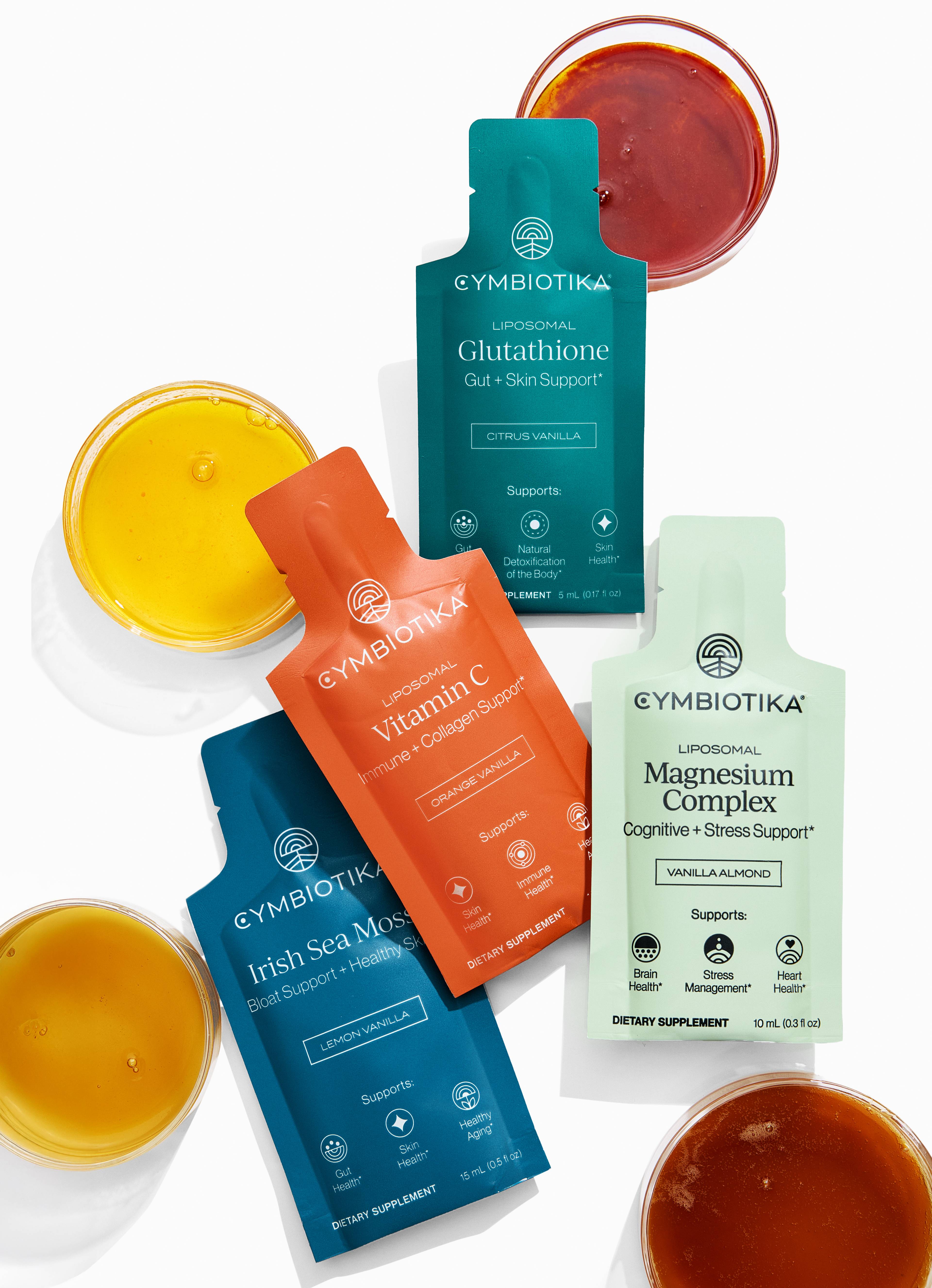
- Magnesium: Known for its ability to support relaxation and sleep, our Magnesium Complex can help settle the nervous system before meditation.
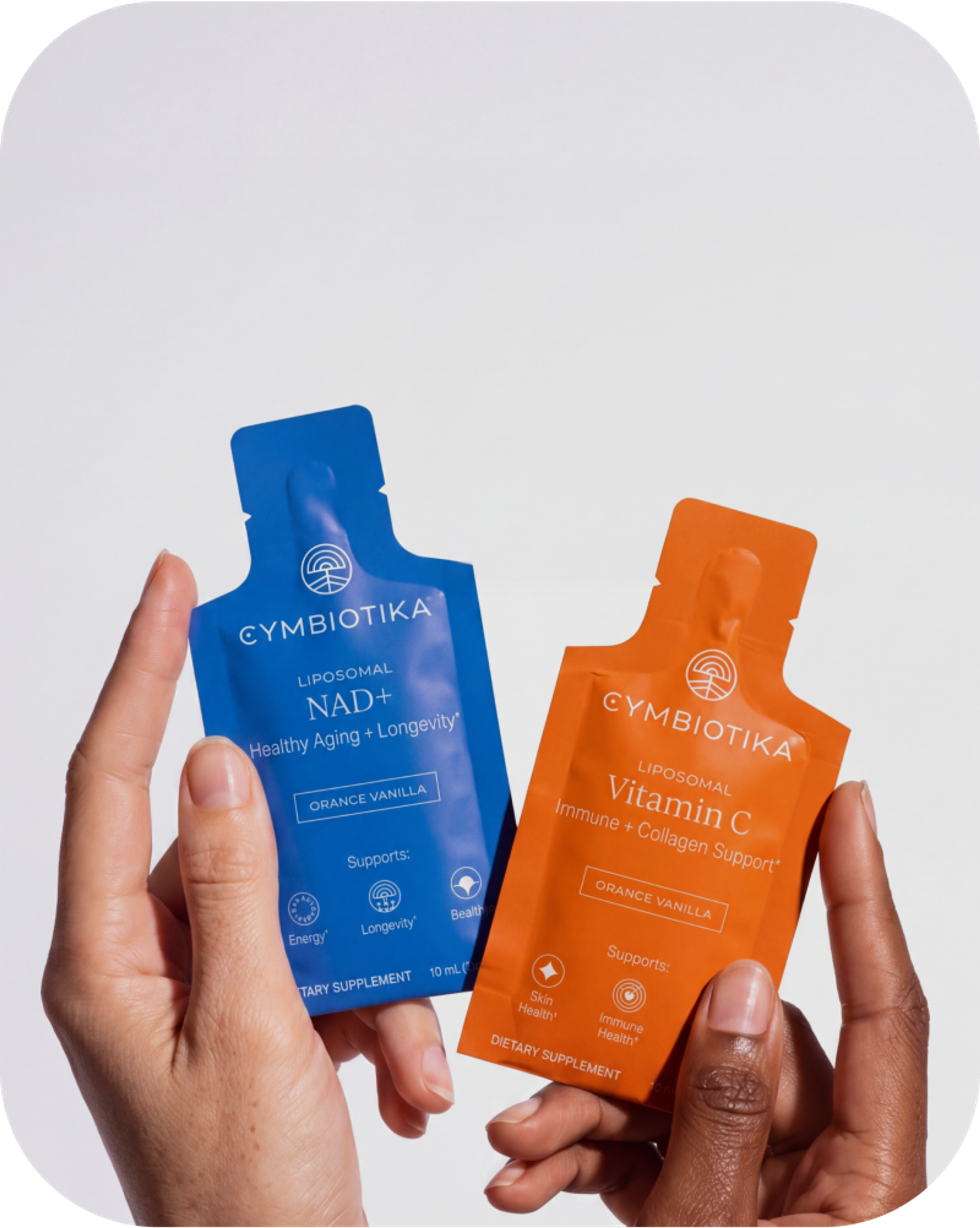
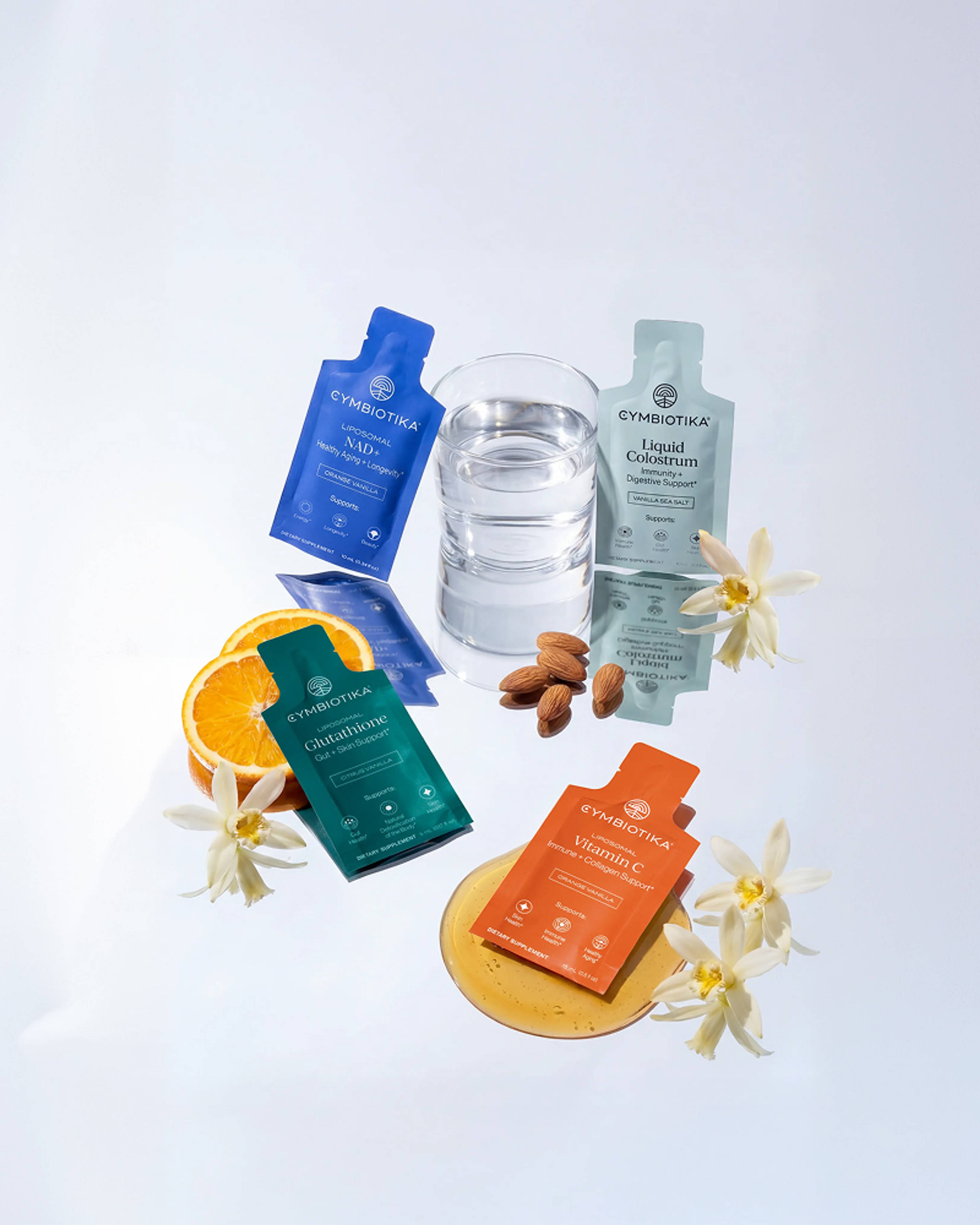
- Antioxidants: Ingredients like Vitamin C and Glutathione help neutralize the oxidative stress caused by the environment. Our Liposomal Vitamin C uses a phospholipid shell to support absorption, making it more effective than standard powders or pills. Browse the Immunity collection for this formula and other related options.
- Omega Fatty Acids: These are vital for maintaining a strong skin barrier, which keeps moisture in and irritants out. The Omega provides a targeted source of omega fatty acids for your routine.
- Targeted Skin Support: Our Healthy Glow⢠is designed with bioavailability in mind, providing the specific building blocks needed for skin elasticity and clarity.
Practical Steps to Start Meditating for Better Skin
You do not need any special equipment to start a meditation practice. The most important factor is consistency. Like any wellness habit, the benefits of meditation for your skin are cumulative. You will likely notice a change in your stress levels quickly, but the physical changes in your skin may take a few weeks to manifest as your skin cells go through their natural turnover cycle.
Step 1: Choose Your Time
Select a time of day when you are unlikely to be interrupted. Many people find that meditating first thing in the morning sets a calm tone for the day, while others prefer meditating before bed to help them unwind.
Step 2: Find a Comfortable Position
You do not need to sit in a specific posture. You can sit in a chair with your feet flat on the floor, cross-legged on a cushion, or even lie down if you find it more comfortable. The goal is to be relaxed but alert.
Step 3: Focus on Your Breath
Close your eyes and bring your attention to the sensation of your breath entering and leaving your body. Do not try to change your breathing; simply observe it. When your mind wandersâwhich it willâgently bring your focus back to the breath without judgment.
Step 4: Use a Guided Practice if Needed
If sitting in silence feels overwhelming, try a guided meditation. There are many apps and videos available that can walk you through the process, focusing on themes like stress reduction or relaxation.
Step 5: Incorporate Your Supplements
Pair your meditation with your supplement routine to create a "wellness anchor." For example, taking your Magnesium Complex or Liposomal Vitamin C right after your practice can help you remember both habits. If your routine also includes sleep support, explore the Sleep collection.
Bottom line: Start small with just five minutes a day and focus on the sensation of your breath to help lower skin-disrupting stress hormones.
The Role of Lifestyle Synergy
Meditation is most effective when it is part of a broader, healthy lifestyle. To truly support clear skin, you should look at how all your habits work together. For instance, if you meditate but then consume a diet high in processed sugars, the inflammatory effects of the sugar may counteract the calming effects of the meditation.
Consistency over intensity is our philosophy. It is better to meditate for five minutes every day and take a high-quality, bioavailable supplement consistently than to do a long meditation once a week or take vitamins sporadically.
Think of your skin health as a three-legged stool:
- Mind: Managed through meditation and stress-reduction techniques.
- Nutrition: Supported by a clean diet and bioavailable supplementation.
- Topical Care: Using gentle, non-toxic products to protect the skin barrier.
When all three areas are addressed, your skin has the best possible chance of remaining clear and resilient.
Meditation and the "Glow" Factor
You may have heard people talk about a "meditation glow." This is not just a poetic description; there is a physiological basis for it. When you are deeply relaxed, your blood vessels dilate, improving circulation. This brings more blood to the surface of the skin, delivering essential nutrients and oxygen.
Furthermore, meditation encourages "mindful living." People who meditate are often more aware of their physical needs. You might find that as you become more mindful, you naturally drink more water, choose more nourishing foods, and avoid habits that can dull the skin, like staying up too late or neglecting your skincare routine.
Bioavailability and Circulation
Better circulation also means that the nutrients you consume are more effectively transported to your skin cells. If you are taking a liposomal supplement, the improved blood flow from a relaxed state can help those nutrients reach the skin more efficiently. This is why we often suggest that the best results come from combining mental practices with science-backed nutrition.
Common Obstacles to Meditation
Many people start a meditation practice with the goal of clearing their skin but give up because it feels difficult. It is helpful to acknowledge the common friction points so you can move past them.
- "My mind won't stop racing": This is the most common complaint. The goal of meditation is not to stop your thoughts, but to change your relationship with them. Every time you notice your mind has wandered and you bring it back to your breath, you are "flexing" your mindfulness muscle.
- "I don't have time": We all have the same amount of time in a day. Often, we find time for things that we prioritize. If you view meditation as an essential part of your skincare routineâjust like washing your faceâit becomes easier to find five minutes.
- "I don't feel anything happening": The effects of meditation are often subtle at first. You might not feel a "zen" state immediately, but your body is still benefiting from the lowered cortisol levels. Trust the process and stick with it.
Bottom line: Meditation is a skill that takes time to develop, but even imperfect practice provides significant benefits for your internal balance and external appearance.
Creating a Sustainable Routine
To see the best results for your skin, you should aim to make meditation a non-negotiable part of your day. One way to do this is through "habit stacking." This involves attaching a new habit (meditation) to an existing one.
For example:
- Meditate for five minutes immediately after you brush your teeth in the morning.
- Practice deep breathing while you wait for your morning coffee to brew.
- Spend five minutes in stillness after you take your daily Cymbiotika supplements.
By linking meditation to something you already do, you reduce the mental effort required to start. Over time, this becomes a natural part of your day, and your skin will likely show the benefits of reduced stress and improved internal balance.
Understanding the Limits
It is important to have realistic expectations. While meditation can significantly improve the appearance of your skin by reducing stress and inflammation, it is not a "magic fix." Skin health is influenced by genetics, environment, hormones, and underlying health status.
If you are dealing with persistent skin issues, it is always a good idea to consult with a healthcare professional or a dermatologist. They can help you identify if there are other factors at play that may require a more targeted approach. However, even in those cases, meditation can remain a valuable part of your overall wellness strategy.
Conclusion
The evidence suggests that meditation can indeed help clear skin by addressing the root causes of stress-induced irritation and oil production. By lowering cortisol and promoting a state of "rest and repair," you give your skin the space it needs to maintain its health and vibrancy. When you combine this mental practice with high-quality, bioavailable nutrients, you are supporting your body at the cellular level.
At Cymbiotika, our mission is to empower you with the knowledge and tools you need to take control of your health. We believe in transparency and the power of clean, effective formulations. If you are ready to see which supplements might best support your unique skin and wellness goals, we encourage you to take the Health Quiz. It is a simple way to receive personalized recommendations designed to fit your life.
- Calm the Mind: Lowering cortisol is key to reducing skin stress.
- Support from Within: Choose supplements with high bioavailability to ensure your skin gets the nutrients it needs.
- Stay Consistent: Small, daily habits lead to the most significant long-term changes.
Key Takeaway: Achieving clear skin is a holistic process that involves managing your stress through meditation and nourishing your body with bioavailable nutrition.
FAQ
How long does it take for meditation to affect my skin?
While the psychological benefits of meditation can be felt almost immediately, physical changes in the skin usually take longer. Because the skin typically goes through a renewal cycle every 28 to 40 days, you should aim for at least a month of consistent daily practice to notice a difference in your complexion.
What is the best type of meditation for clear skin?
There is no single "best" type, as any practice that lowers stress will benefit your skin. However, mindfulness meditation and deep breathing exercises are particularly effective at quickly calming the nervous system and reducing the release of cortisol, the hormone most responsible for stress-related skin concerns.
Can meditation replace my topical skincare routine?
Meditation is a supportive tool, not a replacement for proper hygiene and topical care. A complete skin health routine should include a balance of mental wellness, bioavailable nutrition, and clean topical products that protect the skin's external barrier from environmental stressors.
Why does my skin break out when I first start meditating?
In some cases, people notice a temporary increase in skin sensitivity when they start a new wellness routine. This is usually not caused by the meditation itself, but rather by the body adjusting to a new state of awareness or changes in lifestyle. Stay consistent, as these temporary shifts typically resolve as your body finds its new balance.
*These statements have not been evaluated by the Food and Drug Administration. This product is not intended to diagnose, treat, cure, or prevent any disease.